
Guernsey Lilly: A Practical Guide to the Guernsey Lily
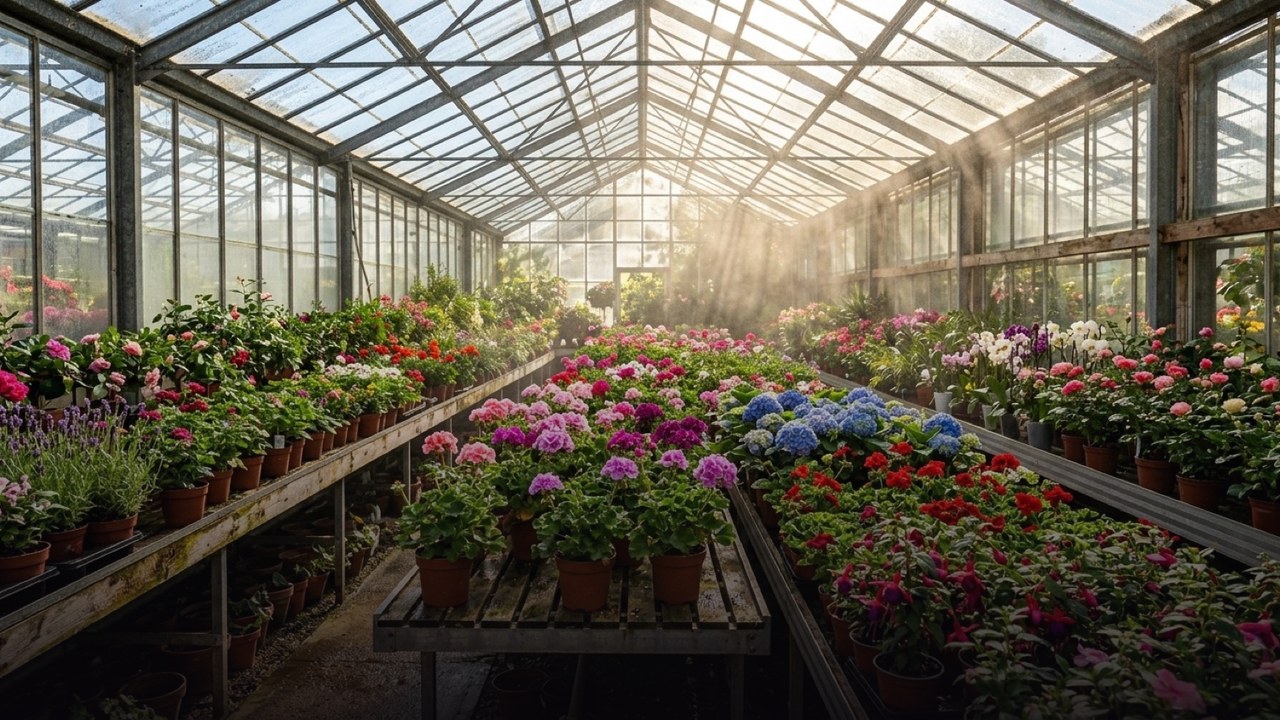
“Guernsey lilly” usually means Guernsey lily, a common name most closely associated with Nerine sarniensis, a bulbous plant with clusters of narrow, curling petals. Despite its name, it belongs to the amaryllis family rather than the true lily genus, Lilium. In bouquets and gardening discussions, the name is also sometimes applied more broadly to nerines, so the botanical name helps identify the flower precisely.
At Pyat Tsvetov (5 Flowers), the useful starting point for an unfamiliar flower is its intended use: a cut stem for a vase, a distinctive bouquet ingredient or a bulb to grow. Those choices need different care, and a photograph alone may not establish the species or variety. We have served customers in Saint Petersburg since 2011, with three shops of our own. This guide explains what to look for in a nerine, how to handle its delicate flowers and what to check when arranging a gift for someone in Russia.
Recognising a Guernsey lily and choosing the right name
A nerine carries several flowers together at the top of a largely leafless stem, creating an open cluster rather than one large trumpet. Each flower has six narrow petal-like segments, often with rippled edges and tips that curve backwards, plus conspicuous stamens. Pink, red and white forms occur across nerine species and cultivated varieties. These features are more useful for recognition than colour alone, because different nerines can look similar in a small photograph.
Nerine sarniensis is the species traditionally associated with the name Guernsey lily; Nerine bowdenii is another species frequently encountered in cultivation. They should not be treated as interchangeable plants when choosing growing conditions or planning a flowering display. If you are buying a bulb, look for its botanical label; if you are discussing cut flowers, describe the shape and colour you want as well as the common name. Our guide to Nerine sarniensis explores that particular species in more detail.
Looking after cut nerines from the first day
Prepare a clean vase before unwrapping the stems, using fresh water and cut-flower food according to its packet instructions if you have it. Remove any foliage that would sit below the waterline, then recut the stem bases with a clean, sharp blade or secateurs. Keep the flower heads supported while you work so their narrow petals do not catch on the wrapping. Place the stems in water promptly, with enough room between the clusters to avoid pressing the open flowers together.
Choose a position with gentle light, away from direct sun, radiators, draughts and ripening fruit. Check the water daily, replenish it as needed and replace it if it becomes cloudy, cleaning the vase at the same time. Remove individual faded flowers carefully instead of pulling on the whole cluster, and recut stem ends when refreshing the arrangement if necessary. There is no reliable vase-life promise for every stem: its condition on arrival, maturity and the conditions in the room all affect how long the display remains attractive.
Bouquets we can deliver




Growing a bulb requires different care
A cut nerine stem will not become a flowering bulb simply by standing in water, so decide whether you want a temporary display or a plant to keep. For a bulb, identify the species before choosing a pot, planting position or seasonal watering routine. Nerine sarniensis and Nerine bowdenii have different growth cycles, which makes a single year-round watering schedule unsuitable for both. Follow the instructions for the identified plant, particularly around active leaf growth, flowering and dormancy.
Good drainage matters because a bulb left in persistently wet compost can rot, but a dormant plant and one actively producing leaves do not need identical treatment. Use a container with drainage holes and avoid leaving it standing in collected water. Do not cut off healthy green leaves just to make the pot look tidier: they help replenish the bulb for future growth. For outdoor planting, seek advice for your actual climate and the named species rather than assuming that a Guernsey lily will tolerate every Russian winter.
Meaning, gift etiquette and choosing a suitable arrangement
Guernsey lilies do not have one universally accepted meaning that every recipient will recognise. Their fine, curling petals can suggest delicacy or an unusual beauty, but that is an interpretation rather than a fixed message. For a birthday, thank-you or personal celebration, connect the flowers to something specific about the recipient: a favourite colour, an interest in gardening or a taste for less familiar shapes. A clear card message carries your intention more reliably than an unexplained claim about flower symbolism.
Consider where the recipient will put the flowers and how much attention they enjoy giving an arrangement. Nerine clusters benefit from space around them, so tightly packing them among heavy flower heads can hide their shape and put pressure on the petals. If the recipient has pets, do not assume that a flower is safe because it is not a true lily; keep nerines out of reach of animals and children, and do not allow ingestion. For more on interpreting this flower as a gift, see Guernsey lily meaning.
Ordering flowers for someone in Russia
If you found us while searching for a Guernsey lily, treat the article as identification and care advice rather than confirmation that a particular nerine is currently available. Start with our bouquets catalogue, and check the composition of the arrangement you select. If nerine itself is essential, call 8 (812) 507-67-05 to clarify availability before placing your order. A botanical name or a precise description helps distinguish a request for that flower from a preference for a similar colour or airy shape.
We deliver flowers across Russia, with city delivery costing 500 RUB; for remote districts and suburbs, the operator confirms the price when confirming the order. Enter the delivery details carefully, especially the recipient’s phone number and any information needed to find the address. Online checkout uses CloudPayments, and customers ordering from abroad should check the payment options displayed there because acceptance of every foreign card cannot be promised. You can review the delivery and payment information when planning the order.
Planning the arrival and the message
Choose the delivery timing around when the recipient can receive the flowers and put them in water. In large cities, express delivery is available within 1–2 hours after the order is confirmed; other options include an exact time with a tolerance of plus or minus 30 minutes, or the windows 09–12, 12–15, 15–18 and 18–21. You can also pre-order 1–30 days ahead. Delivery in Saint Petersburg operates around the clock; that schedule should not be assumed for every destination in Russia.
Delivery is anonymous by default: the courier does not name the sender, so include your name in the free card text if you want the recipient to know who sent it. The courier calls the recipient about 15 minutes before arrival, which is useful to remember when planning a surprise. If the recipient is absent, we agree a second delivery the same day or, with the sender’s consent, hand the flowers to a neighbour or concierge. Keep the card personal and direct, and make sure the practical delivery details support the occasion you have in mind.
Frequently asked questions
Is “Guernsey lilly” the correct spelling?
The usual spelling is “Guernsey lily”, with one “l” in lily. The name is most closely associated with Nerine sarniensis, although it is sometimes used more broadly for nerines.
Is a Guernsey lily a true lily?
No. Nerines belong to the amaryllis family, Amaryllidaceae, while true lilies belong to the genus Lilium in the lily family.
How should I care for Guernsey lilies in a vase?
Use a clean vase, fresh water and cleanly recut stems, keeping any foliage above the waterline. Check the water daily and place the flowers away from direct sunlight, heat and ripening fruit.
Can I order a bouquet containing Guernsey lilies?
This article does not confirm current nerine availability. Check the catalogue composition and call 8 (812) 507-67-05 if including this particular flower is essential.
Can I send flowers to Russia while living abroad?
We deliver flowers across Russia, and online checkout uses CloudPayments. Check the payment options shown at checkout, as acceptance of every foreign card cannot be guaranteed.
Ready to send a bouquet?
Pick a city, choose the flowers, and we will hand them over with a photo confirmation.
Choose a city →