
How to Check Hellebores in a Bouquet for Damage
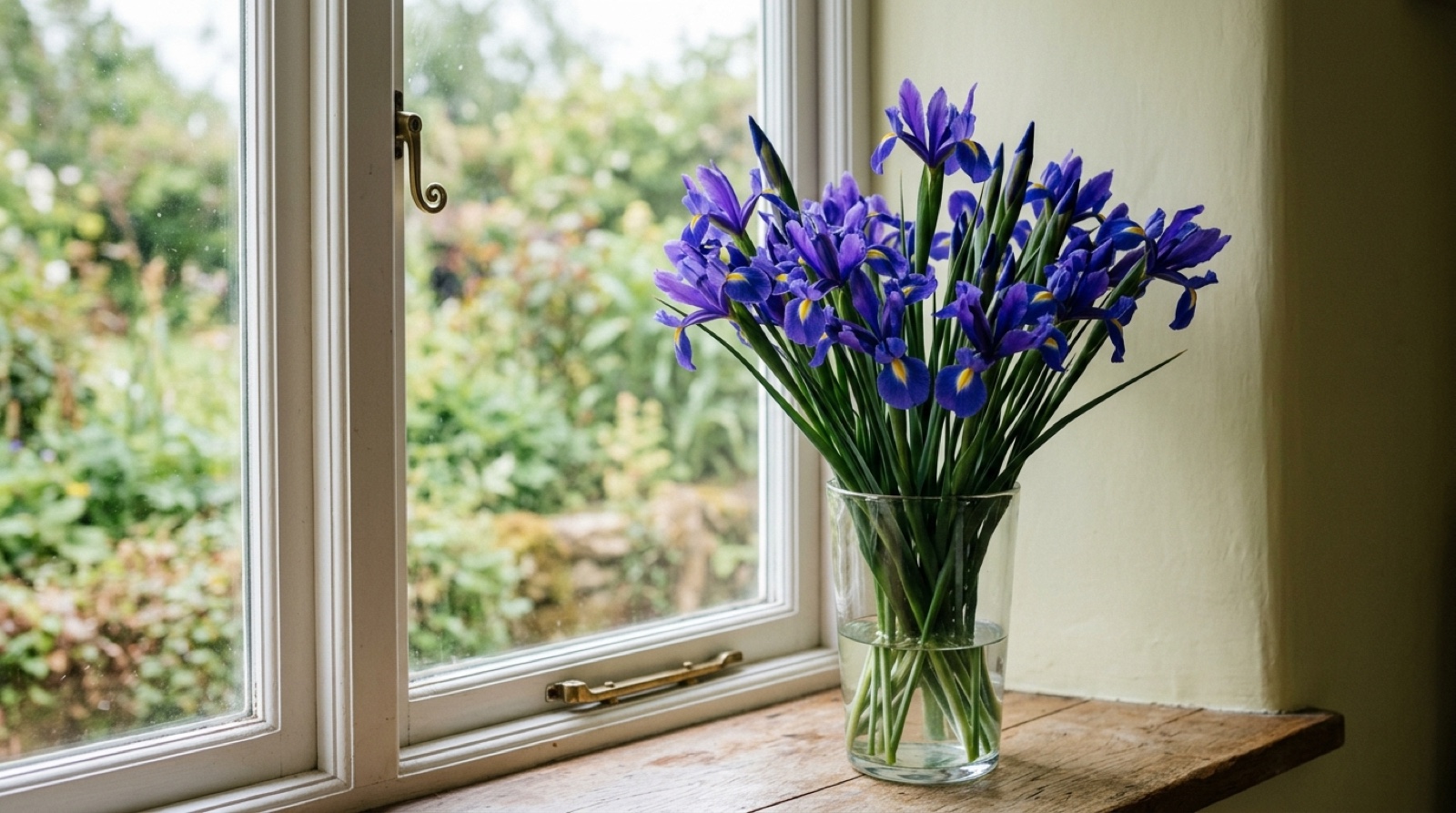
To check hellebores in a bouquet for damage, inspect the flower heads, the necks just below them and the stems for crushed tissue, spreading brown patches or soft, slimy areas. A downward-facing flower alone is not evidence of damage: hellebores naturally nod, so judge their condition by firmness and tissue quality as well as position.
A useful distinction when examining a bouquet is whether the flower simply faces down or has lost its support. Gently look beneath the head without pulling it upright, then check the stem all the way to the waterline.
Recognise normal hellebore features
The showy parts of a hellebore flower are sepals, which can remain after the small inner flower parts have fallen. Depending on the variety and stage of development, these sepals may become greener or more muted. Colour change alone does not establish that a cut stem is damaged.
Some hellebores have natural spots, veins or dark edging. Look for a consistent pattern across intact tissue; an irregular patch that is crushed, translucent or becoming soft deserves closer attention.
Separate bruising, dehydration and decay
Handling damage is often concentrated at one point: a creased sepal, a split stem or a sharply bent neck. Check where wrapping or another stem may have pressed against the flower. A small dry blemish may affect appearance without compromising the whole stem, while a break that leaves the head hanging unsupported is structural damage.
Dehydration can make the head and stem lose firmness without an obvious break. This may improve after proper care, but recovery is uncertain. Several limp stems suggest a broader water-uptake problem; one limp stem still needs an individual check for crushing or decay.
Soft brown tissue, slime, visible mould or an unpleasant smell are reasons to remove the affected stem. Check whether the smell comes from the vase water as well. Cloudy water calls for cleaning the vase and refreshing the water, but does not by itself prove that every flower is finished.
Bouquets we can deliver




What to do when the bouquet arrives
Remove transport wrapping carefully and examine the flowers before rearranging them. If you notice a problem on arrival, photograph the whole bouquet and the affected area promptly. Note whether there is a visible crease, broken stem or soft patch; these details are more useful than describing every downward-facing head as wilted.
Use a clean vase, trim the stem ends with a clean, sharp tool and remove foliage that would sit below the waterline. Put the stems into fresh water promptly, keeping the bouquet away from direct sun, radiators and ripening fruit. Keep water topped up and refresh it regularly.
Reassess firmness over the next few hours. Do not repeatedly bend the heads upright to test them, and do not expect a split or crushed stem to mend in water. For help assessing the rest of a mixed bouquet, see Are These Flowers Dead? Signs to Check Before Giving Up.
Checking a bouquet sent to someone in Russia
If you are ordering from abroad, ask the recipient to place the flowers in water promptly and send a clear photograph if anything looks damaged. At Pyat Tsvetov (5 Flowers), we have operated flower shops in Saint Petersburg since 2011 and deliver flowers across Russia. Questions about an order can be discussed by phone on 8 (812) 507-67-05.
City delivery costs 500 RUB; the operator confirms the price for remote districts and suburbs when confirming the order. See Delivery and payment for ordering information. Online checkout uses CloudPayments; check the payment options displayed there.
If the recipient will carry the bouquet elsewhere after delivery, protect the flower heads from pressure and avoid leaving it in a parked car. Our guide to transporting a bouquet without damaging it covers practical handling steps.
Frequently asked questions
Should I remove a hellebore because its head points down?
No. A naturally nodding head with firm, intact tissue can be normal; remove it if you find decay or damage that leaves it unsupported.
Can a wilted hellebore recover in a vase?
It may regain firmness if dehydration is the cause and the stem can still take up water. Recut the end, place it in fresh water and reassess over the next few hours; crushed or decaying tissue will not be repaired by hydration.
Ready to send a bouquet?
Pick a city, choose the flowers, and we will hand them over with a photo confirmation.
Choose a city →