
Receiving a Bouquet in Russia: What Actually Happens at the Door
Customers who send flowers from abroad — or even from another city — often call us the next day with the same question: did she like it? The recipient said thank you but nothing else. No photo, no mention of the vase, no comment on the roses. From where the sender stands, that silence feels like disappointment. From where the recipient stands, she followed every unwritten rule correctly. Understanding those rules saves a lot of unnecessary anxiety, and it also helps senders write better card messages, choose better wrapping, and pick varieties that behave well once they are inside a Russian apartment.
The Moment the Door Opens: First Reactions Are Deliberately Understated
In Russian social culture, an extravagant reaction to a gift at the moment of receiving it is considered slightly embarrassing — for both parties. When the courier hands over a bouquet of, say, fifty centimeter spray roses or a mixed arrangement of lisianthus and freesia, the recipient will typically smile, say spasibo — thank you — and step back inside. She will not tear open the wrapping on the spot or launch into detailed praise of the flower selection. This is not coldness. It is the standard register of gratitude in Russian domestic life, and it applies whether the bouquet costs a modest amount or considerably more. Senders who grew up in cultures where loud, immediate enthusiasm signals appreciation will misread this completely. The correct interpretation is that the flowers were received well and the moment was treated with appropriate seriousness. If the sender included a card, the recipient will usually read it privately, not aloud at the door. The courier's job ends at handover; what happens next is a private domestic ritual. Florists at our shop routinely advise senders to frame their card messages with this in mind — write something that reads well in a quiet room, not something that needs a dramatic reaction to land properly. Short, specific, and warm works far better than theatrical declarations.
Bouquets we can deliver
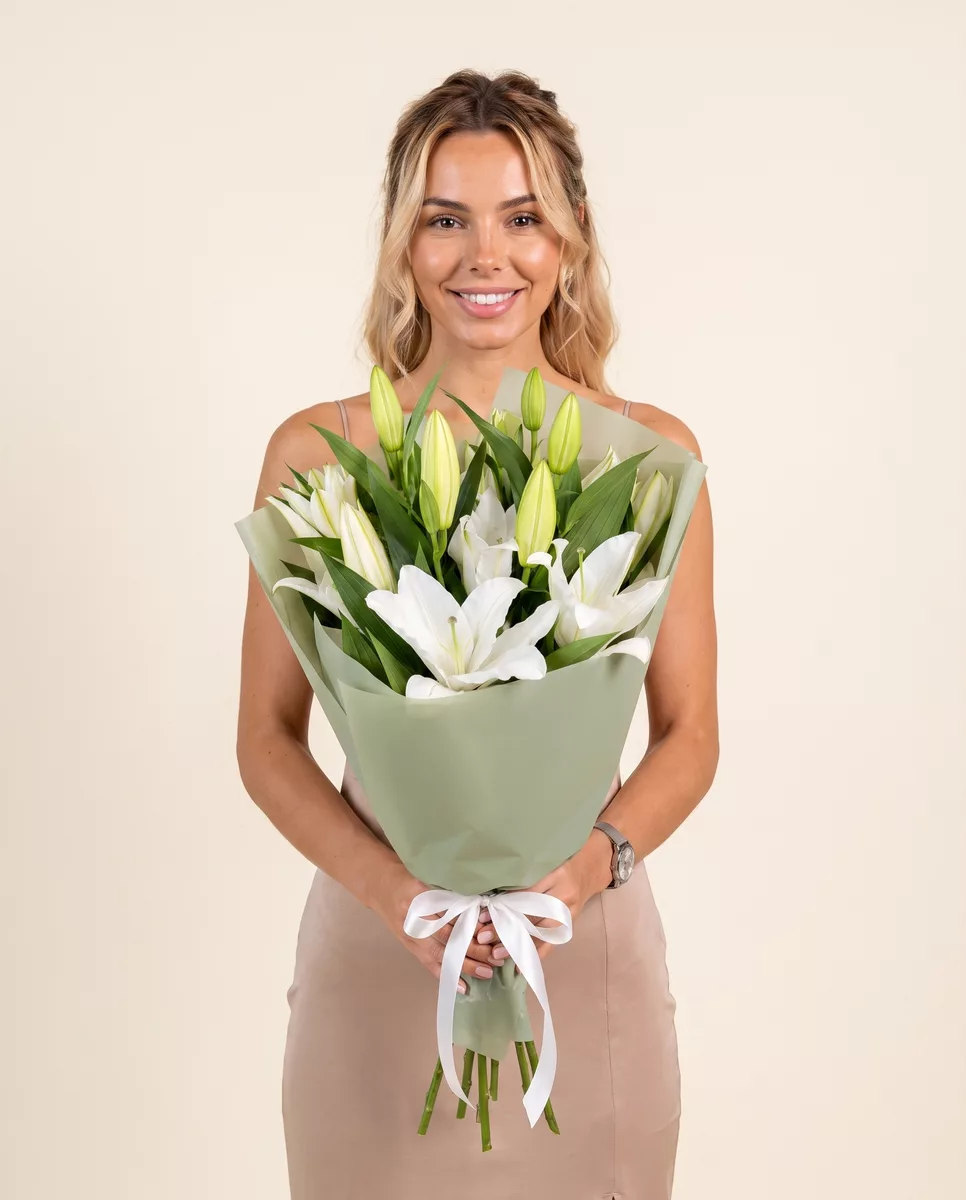
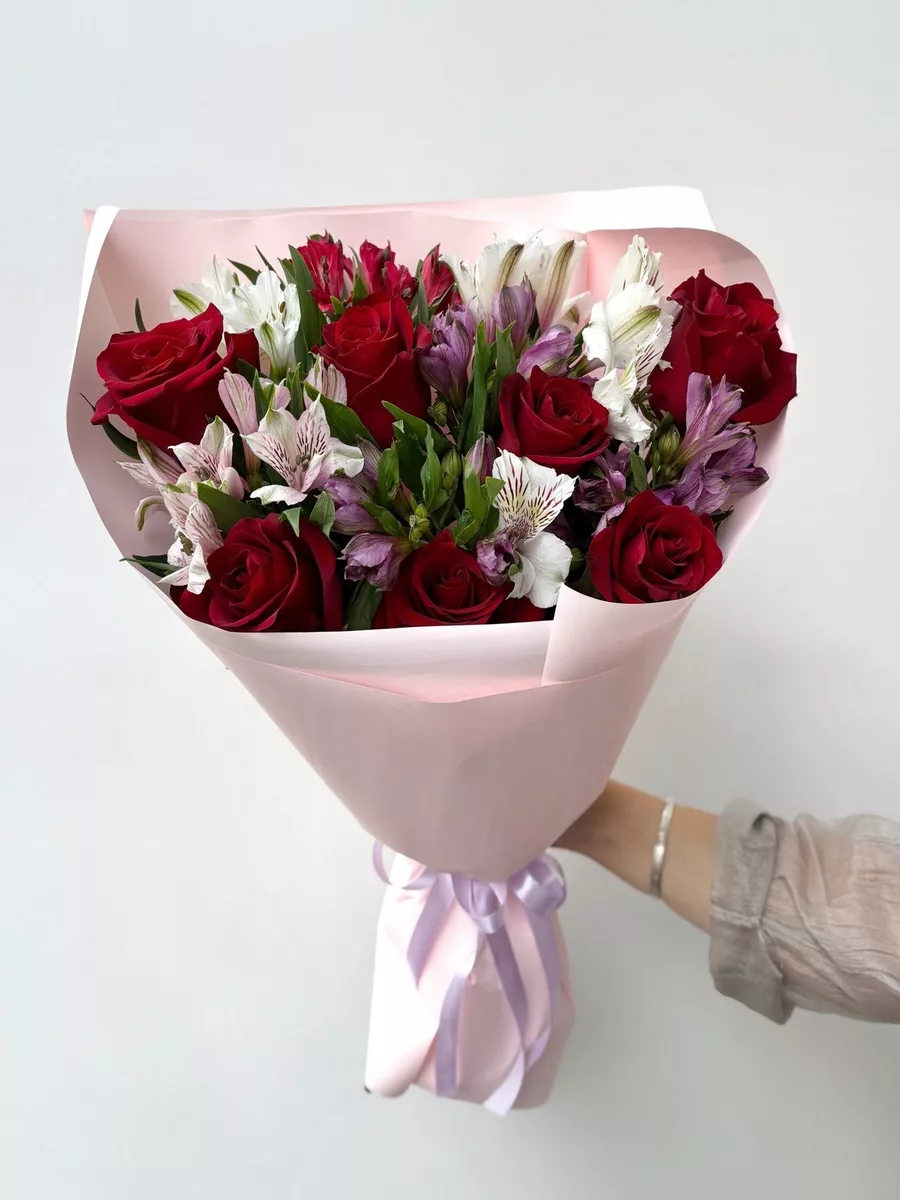
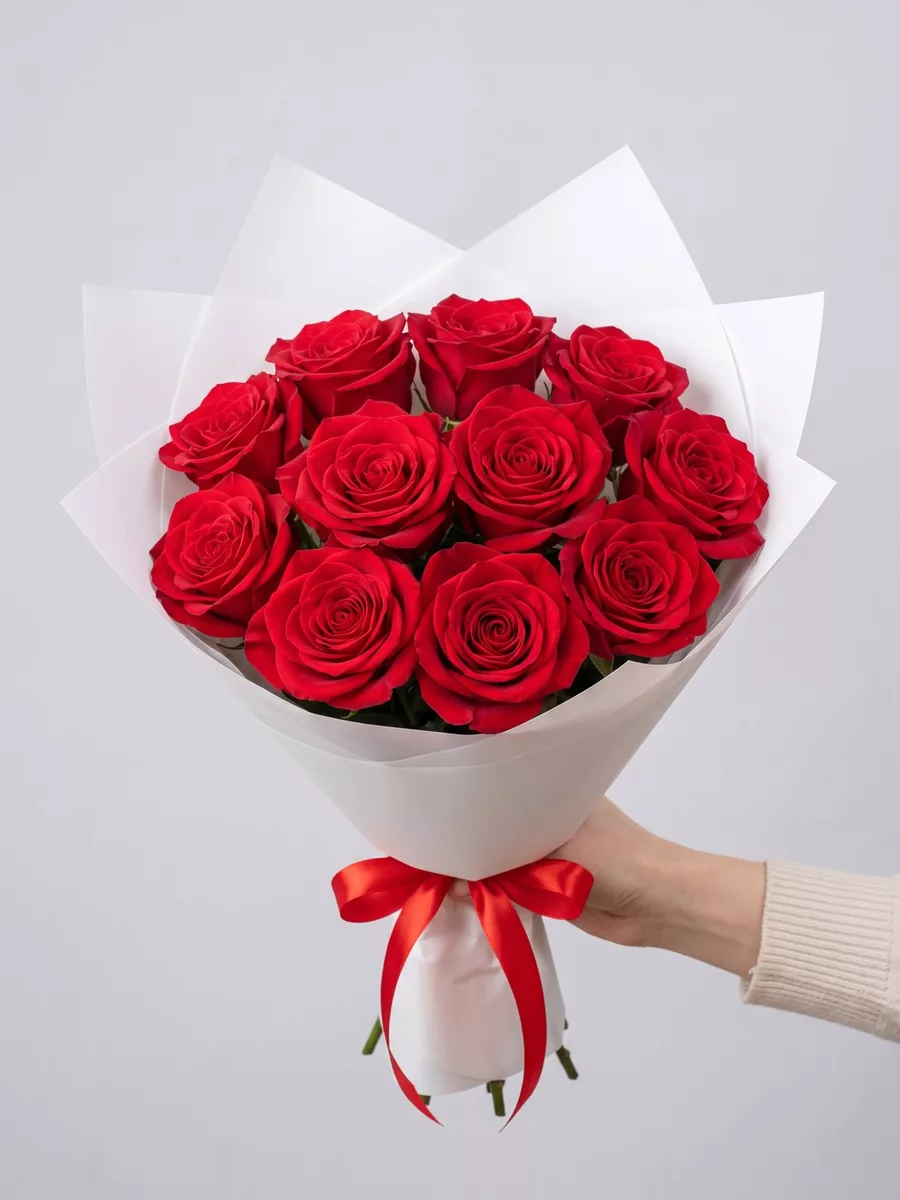
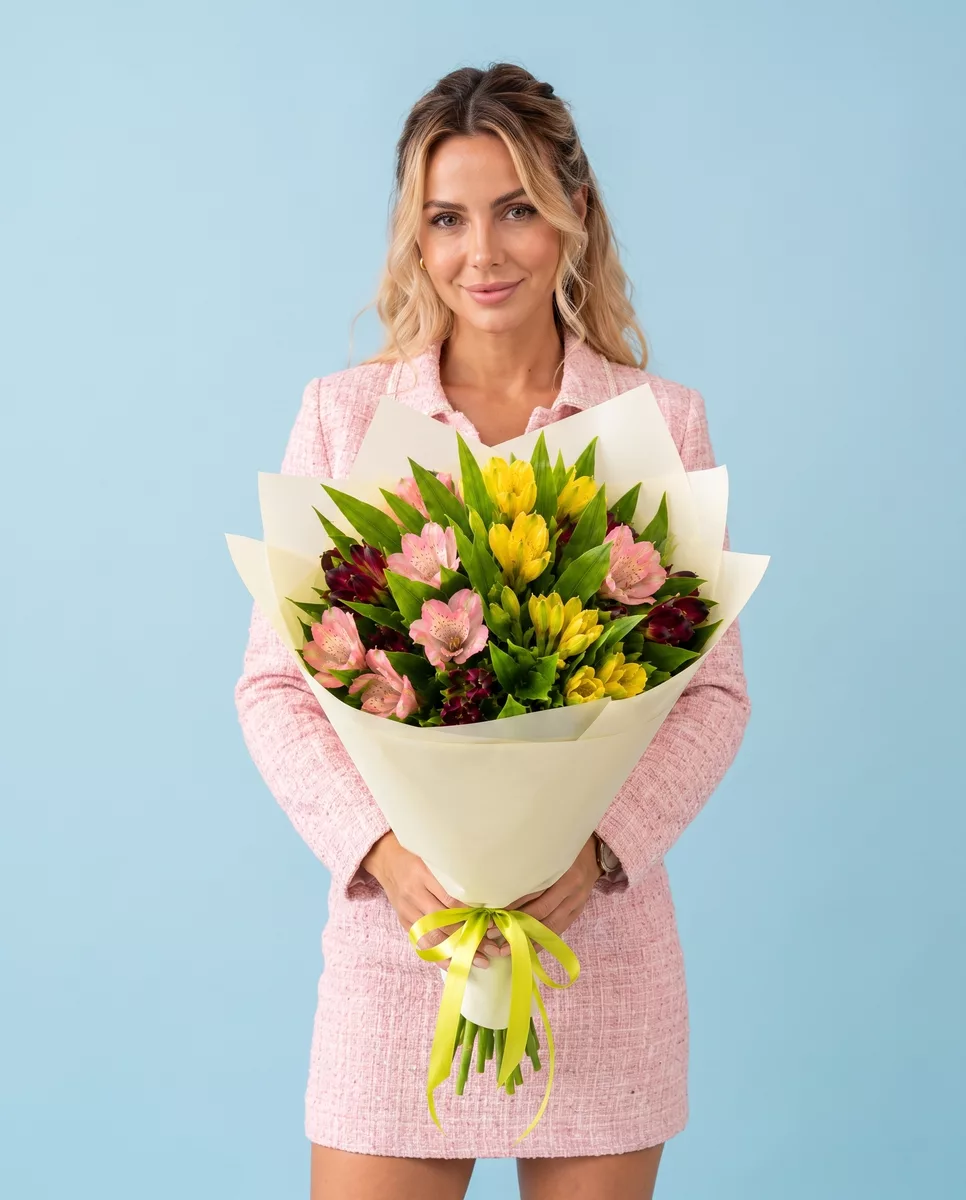
Unwrapping the Bouquet: Sequence, Speed and What Gets Kept
Russian recipients unwrap bouquets carefully and usually alone or with close family present, not in front of the delivery person. The wrapping itself — kraft paper, fabric, or the layered combination of both that we use for long-distance deliveries — is examined before it is removed. If the bouquet traveled two or three hours, the recipient checks the outer layer for moisture, which tells her whether the stems were properly hydrated during transit. A dry outer wrap on a summer delivery of garden roses or ranunculus is a warning sign she knows to act on quickly. Once the outer layer is off, the inner tissue or sleeve comes next. Ribbon is untied rather than cut if it is fabric ribbon, because fabric ribbon gets reused — this is a deeply ingrained habit across generations. The flowers themselves are then held at the stem base and inspected: petal edges on roses, the firmness of tulip heads, the openness of alstroemeria clusters. If a stem has snapped in transit, she will note it but almost certainly not mention it to the sender. What gets kept beyond the flowers: decorative wrapping paper with a good print, fabric sleeves, and any small additions like dried elements or greenery cards. Florists who design bouquets for Russian recipients should know that the packaging communicates care just as much as the flower selection does, and recipients read both signals simultaneously.
Water Within the First Twenty Minutes: The Rule Every Russian Knows
Ask any Russian woman over thirty what you do when flowers arrive and she will tell you without hesitation: cut the stems and put them in water immediately. This is not advice she received from a florist. It is household knowledge passed down so consistently that it functions like instinct. The stems get cut at an angle — she learned this watching her mother — and the vase is filled with cool water, not warm. In winter, when apartments are heated to twenty-two or twenty-three degrees and the air is very dry, she may add a small amount of sugar to the water or drop in a copper coin, both of which are traditional Russian methods for extending vase life. Whether these methods are scientifically optimal is a separate question; what matters for senders is that the recipient is actively managing the flowers, not leaving them on a counter. Varieties that benefit most from this immediate attention are tulips, which continue to grow after cutting and will lean dramatically if left out, and anemones, which wilt within an hour in warm indoor air. Bouquets containing peonies or hydrangea are sometimes fully submerged in cool water for thirty minutes — a technique Russian recipients learned from their grandmothers and which actually works well for reviving compressed heads. Senders who include a short care note in the card are not being patronizing; most recipients appreciate the specific detail, especially for less familiar varieties like protea or anthurium.
Displaying the Bouquet: Location, Light and the Logic of the Windowsill
The default display position for a bouquet in a Russian apartment is the windowsill or a table near a window, and this is where senders' expectations sometimes collide with reality. Russian apartments, particularly in Saint Petersburg and other northern cities, have windows that face courtyards or other buildings, and the light is often indirect. This is actually better for most cut flowers than direct southern exposure. What causes problems is the proximity to radiators. Russian central heating runs from October through April and the radiators beneath windows push dry warm air upward directly onto any flowers placed on the sill above them. Experienced recipients know this and will move roses, tulips, or lilies to a cooler spot — often a bookshelf or a dining table away from the radiator wall. Chrysanthemums and carnations tolerate the warmth better than most and can stay near a window without rapid deterioration. Orchid stems in water picks, which we sometimes include in mixed arrangements, need to stay away from direct heat entirely or the picks dry out within a day. The point for senders is that the recipient is making active, intelligent decisions about placement, and a bouquet that ends up on a bookshelf rather than the windowsill has not been demoted — it has been given the best position available. If the sender asks where the flowers are and hears a room description that sounds odd, this is almost always the explanation.
Thanking the Sender: When the Message Comes and What It Contains
The thank-you message from a Russian recipient typically arrives between thirty minutes and two hours after delivery, not immediately. During that window she has unwrapped the bouquet, cut the stems, found a vase, arranged the flowers, placed them, and then — often only then — taken a photograph. The photograph is the primary vehicle for gratitude in contemporary Russian flower culture, and it is taken seriously. She will adjust the vase position, move it to better light, and sometimes rearrange individual stems before shooting. The resulting image is sent to the sender via WhatsApp or Telegram with a short message. The message itself will be warm but concise — something like beautiful flowers, thank you so much — rather than a detailed description of each variety. Senders expecting a florist-level commentary on the lisianthus or the eucalyptus filler will not get one, and that is not a signal of indifference. If the bouquet arrived in excellent condition and the sender wrote a thoughtful card, the recipient may call rather than text, which in Russian social terms is a higher register of thanks than a message. Senders who do not receive any communication within three hours should check that the delivery address was correct before assuming a problem — our couriers obtain a signature or photograph on delivery, so the shop can confirm receipt if there is genuine uncertainty.
When Something Goes Wrong: How Russian Recipients Handle Damaged Flowers
Russian recipients are extremely unlikely to complain directly to the sender about flower quality. If three stems of spray roses arrived with bent necks, or if a gerbera head detached from its stem in transit, the recipient will manage it herself — cutting the damaged stem shorter, removing the broken head and floating it in a bowl of water, or simply discarding what cannot be saved. She will not mention any of this to the sender because doing so would feel, in Russian social terms, like criticizing the sender's choice or implying that the gift was inadequate. This means that senders who want accurate quality feedback need to ask the shop directly, not the recipient. We photograph bouquets before dispatch and can confirm the condition at the point of handover. The varieties most vulnerable to transit damage are gerbera, with its hollow stem that snaps under pressure, and large-headed garden roses, which bruise if packed too loosely. Tulips in warm weather can arrive with heads already open if the transit time exceeded ninety minutes without a cold pack. For deliveries across Saint Petersburg in summer, we include cooling elements for any bouquet containing tulips or anemones. If a sender is genuinely concerned about a specific delivery, contacting the shop within four hours of delivery is the window in which we can still assess and, if necessary, send a replacement stem or small supplementary bunch.
Extended Vase Life: What Russian Recipients Do After Day Three
A Russian recipient who received a bouquet she liked will actively work to extend its life well past the first few days. By day three, she has changed the water at least once — usually twice — and re-cut the stems. Yellowing leaves below the waterline have been removed because she knows they accelerate bacterial growth. By day five, she begins to separate the arrangement: roses that are still firm go back into the vase, while softer stems like freesia or sweet peas, which fade faster, are either removed or placed in a smaller separate container. This practice of progressive editing is common enough that florists designing bouquets for Russian recipients should think about which varieties will carry the arrangement into its second week. Alstroemeria is reliable — individual florets continue opening for eight to ten days from a well-conditioned stem. Chrysanthemums in standard spray form last two weeks without significant attention. Lisianthus holds its color well even as individual blooms drop and the remaining buds open to replace them. Carnations, which many younger senders consider old-fashioned, outlast almost everything else and Russian recipients of the older generation know this perfectly well. By day seven, the vase on the bookshelf may contain only four or five stems from an original fifteen, but those stems are fresh, the water is clean, and the recipient considers the bouquet still alive. Senders who ask about the flowers a week later will often hear that they are still going, and this is meant as a compliment to the original selection.
Sending flowers to a Russian recipient means entering a domestic ritual that runs on its own logic — unhurried, private, and genuinely attentive to the flowers themselves. The silence at the door is not disappointment. The two-hour gap before the thank-you message is not indifference. The bouquet that migrated from the windowsill to the bookshelf has been placed there with care. When senders understand these patterns, they stop second-guessing the outcome and start making better choices upfront — longer-lasting varieties, thoughtful card messages, and packaging that holds up to careful inspection. If you have specific questions about which varieties travel best to a particular recipient's city or how to time a delivery around a known schedule, call the shop before you order. That conversation takes three minutes and changes the outcome significantly. We deliver bouquets across Russia in 1–2 hours.
Frequently asked questions
Why didn't the recipient send a photo right away — is something wrong?
Almost certainly not. Russian recipients typically unwrap the bouquet, cut stems, find a vase, arrange the flowers, and choose a good location before taking a photo. This process takes thirty minutes to two hours. If you have heard nothing after three hours, contact the shop directly — we can confirm delivery from our courier records.
Should I include flower care instructions on the card?
A short, specific note is welcome, especially for less familiar varieties like protea, anthurium, or anemone. Most Russian recipients already know to cut stems and use cool water, so skip the basics. Focus on anything unusual — for example, that anemones need to be kept away from heat sources or that lisianthus buds will continue opening over several days.
Which varieties last longest in a typical Russian apartment in winter?
Alstroemeria, carnations, and spray chrysanthemums consistently outperform other varieties in dry, centrally heated apartments. Lisianthus also holds well. Avoid leading with tulips or anemones if the recipient's apartment is warm — these varieties need cool conditions and will deteriorate faster than the sender expects.
The recipient said the flowers are still going after a week — is that realistic?
Yes, with active care. Russian recipients routinely change water every two days, re-cut stems, and remove fading elements while keeping firmer stems in the vase. A well-conditioned alstroemeria or carnation stem can genuinely last ten to fourteen days this way. The recipient is telling you the bouquet was good quality, not being polite.
Is it rude if the recipient doesn't unwrap the bouquet in front of the courier?
Not at all — it is the standard behaviour. Unwrapping in front of the delivery person is not expected in Russian domestic culture. The recipient will examine and arrange the flowers privately. Couriers at our shop are briefed on this and will not interpret a quick handover as a sign that anything is wrong with the order.
Ready to send a bouquet?
Pick a city, choose the flowers, and we will hand them over with a photo confirmation.
Choose a city →