
How to Arrange Roses and Hydrangeas Together
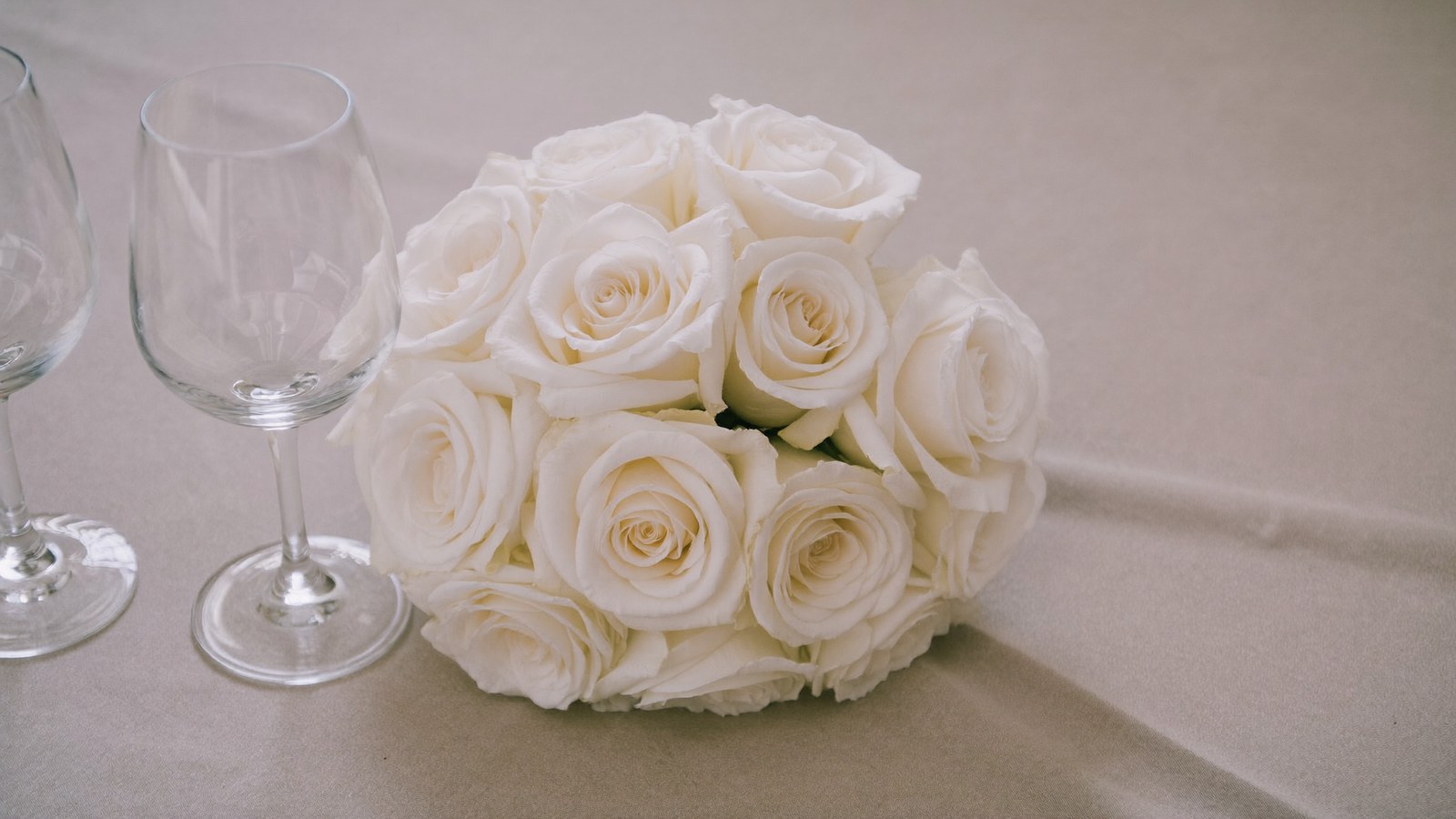
To arrange roses and hydrangeas together, place the hydrangeas in a clean vase first to establish the shape, then position roses between and slightly above their rounded heads. Remove leaves that would sit underwater, recut the stems and keep every cut end submerged. Leave room between the flower heads so the roses remain visible without being pressed into the hydrangeas.
Customers at Pyat Tsvetov (5 Flowers) often want a full arrangement in which individual roses still stand out. The useful distinction is between volume and detail: hydrangeas establish broad areas of colour, while roses give the eye smaller shapes to follow. Since 2011, our work in Saint Petersburg flower shops has included helping customers think through practical choices such as vase proportions, viewing angle and where a bouquet will stand.
Choose the vase and the finished shape first
Start with the place where the flowers will stand, then choose the vase. A dining-table arrangement needs a low profile that allows people to see across it; flowers on a sideboard can rise higher. For your first attempt, use a stable vase with a moderately narrow opening, which helps support the stems without squeezing them into a tight bundle.
Hydrangea heads take up considerable space, so judge the opening against the flowers rather than the number of stems. The heads should be able to rest alongside one another without being forced through the rim. If the vase looks crowded before you add roses, remove a hydrangea or choose a wider opening instead of compressing the flowers.
Decide whether the display will be seen from every side or mainly from the front. For a table centrepiece, distribute flowers around the whole vase and turn it as you work. Against a wall, a fuller front and a slightly taller back can work well, provided the stems remain balanced and the vase does not lean.
Prepare both flowers before you begin arranging
Wash the vase thoroughly and rinse away any detergent before filling it with fresh water. Set out clean, sharp flower snips or secateurs, and remove packaging carefully so it does not catch the flower heads. Keep the flowers out of direct sunlight while you work, and prepare a separate water-filled container for stems waiting to be placed.
Remove leaves from the portion of each stem that will sit below the waterline. Recut the stem ends cleanly, then put them into water promptly; avoid crushing woody stems with blunt scissors. Keep useful upper foliage only where it supports the design without hiding roses or creating a dense collar around the vase opening.
If you have cut-flower food, follow its packet instructions for the amount of water you are using. Do not improvise with sugary drinks or household cleaning products. Give flowers that have travelled time in water before making final height decisions, because arranging already limp stems makes it harder to judge the finished outline.
Bouquets we can deliver




Build the hydrangea base, then place the roses
Hold the first hydrangea beside the vase to estimate its height before cutting. Set its head near the rim, with enough stem inside the vase to reach well into the water, then add the next hydrangea at a different angle. Continue until you have a loose framework with visible gaps, rather than an uninterrupted mound of flowers.
Place your first rose in one of those gaps, keeping its head just above the neighbouring hydrangea surface. Add further roses at varied heights so some sit close to the hydrangeas and others project a little farther. Guide each stem through an opening gently; pushing a rose head through a hydrangea cluster can damage both flowers.
Step back after every few stems and turn the vase to check the outline. If a rose disappears, lift it slightly or move it towards the edge instead of adding more flowers to compensate. Finish by checking that every cut end reaches the water, especially short stems placed at an angle near the rim.
Balance colour, spacing and the occasion
Choose one flower as the main colour area and let the other provide contrast or a quieter variation. Pale hydrangeas can make darker roses easy to distinguish, while similar shades produce a softer overall effect. Compare the actual flowers together before cutting, since a colour name alone does not tell you how two shades will look side by side.
There is no fixed stem ratio that works for every arrangement. A large hydrangea head may occupy more space than several roses, so count visible shapes rather than treating all stems as equal. If you want the roses to lead, leave several clear rose faces across the display and use hydrangeas lower down to connect them.
For a gift, use the recipient's known colour preferences and the setting as your guide. A compact arrangement may be easier to place on a busy table, while a broader design needs a clear surface around it. State your sentiment in the card instead of relying on flower colours to communicate a precise message.
Keep the arrangement hydrated and easy to maintain
Check the water level daily, including on the day you arrange the flowers. Broad hydrangea heads can hide the vase opening, so look between the stems rather than judging from above. Top up carefully so all cut ends stay submerged, and keep the display away from direct sun, heaters and air blowing from vents.
Replace cloudy water and clean the vase when needed, handling the stems gently as you lift them out. An occasional photograph can help you rebuild the arrangement after cleaning without repeatedly adjusting every flower. Remove fallen leaves and deteriorating stems promptly, and use flower food according to its directions when preparing fresh water.
If a flower droops, first check whether its stem has slipped above the waterline or become trapped against the vase wall. Take it out, inspect the stem, recut the end and place it in a clean container of water while you assess it. Recovery is not certain; our guide to the lifespan of roses in a vase explains further care considerations.
Send flowers to Russia with the recipient's day in mind
If you are ordering from abroad, start with the bouquets catalogue and check the listed composition before choosing. Do not assume that every design contains both roses and hydrangeas or includes a vase. Think about whether the recipient will be at home and able to put the flowers into water soon after receiving them.
We deliver flowers across Russia, with city delivery costing 500 RUB; for remote districts and suburbs, the operator confirms the price when confirming the order. Express delivery in large cities takes 1–2 hours after order confirmation. Other options include an exact time within plus or minus 30 minutes, the windows 09–12, 12–15, 15–18 or 18–21, and pre-ordering 1–30 days ahead.
Delivery in Saint Petersburg is available around the clock, and delivery is anonymous by default: the courier does not name the sender. A card with your text is free, so include your name there if you want the recipient to know who sent the flowers. See delivery and payment for ordering information; online checkout uses CloudPayments, and customers should check the payment options displayed at checkout.
Frequently asked questions
Should roses or hydrangeas go into the vase first?
Place hydrangeas first to establish the width and shape, then position roses in the gaps. Keep the rose heads visible and avoid wedging them tightly into the hydrangeas.
How short should I cut the stems?
Measure each stem against your vase before cutting, leaving enough length for its cut end to remain submerged. Start longer than you think you need, then shorten gradually as the arrangement takes shape.
Can I arrange roses and hydrangeas without floral foam?
Yes, you can arrange them directly in a vase of water. Choose an opening that supports the stems, and build the shape gradually so the flowers do not tip or crowd one another.
What happens if the recipient is out when the courier arrives?
The courier calls about 15 minutes before arrival. If the recipient is absent, we agree a second delivery the same day or, with the sender's consent, hand the flowers to a neighbour or concierge.
Can I pay for an order from outside Russia?
Online checkout uses CloudPayments; check the options displayed there for your payment method, as acceptance of every foreign card is not guaranteed. For questions, call 8 (812) 507-67-05.
Ready to send a bouquet?
Pick a city, choose the flowers, and we will hand them over with a photo confirmation.
Choose a city →