
How to pack flowers for travel without crushing the bouquet
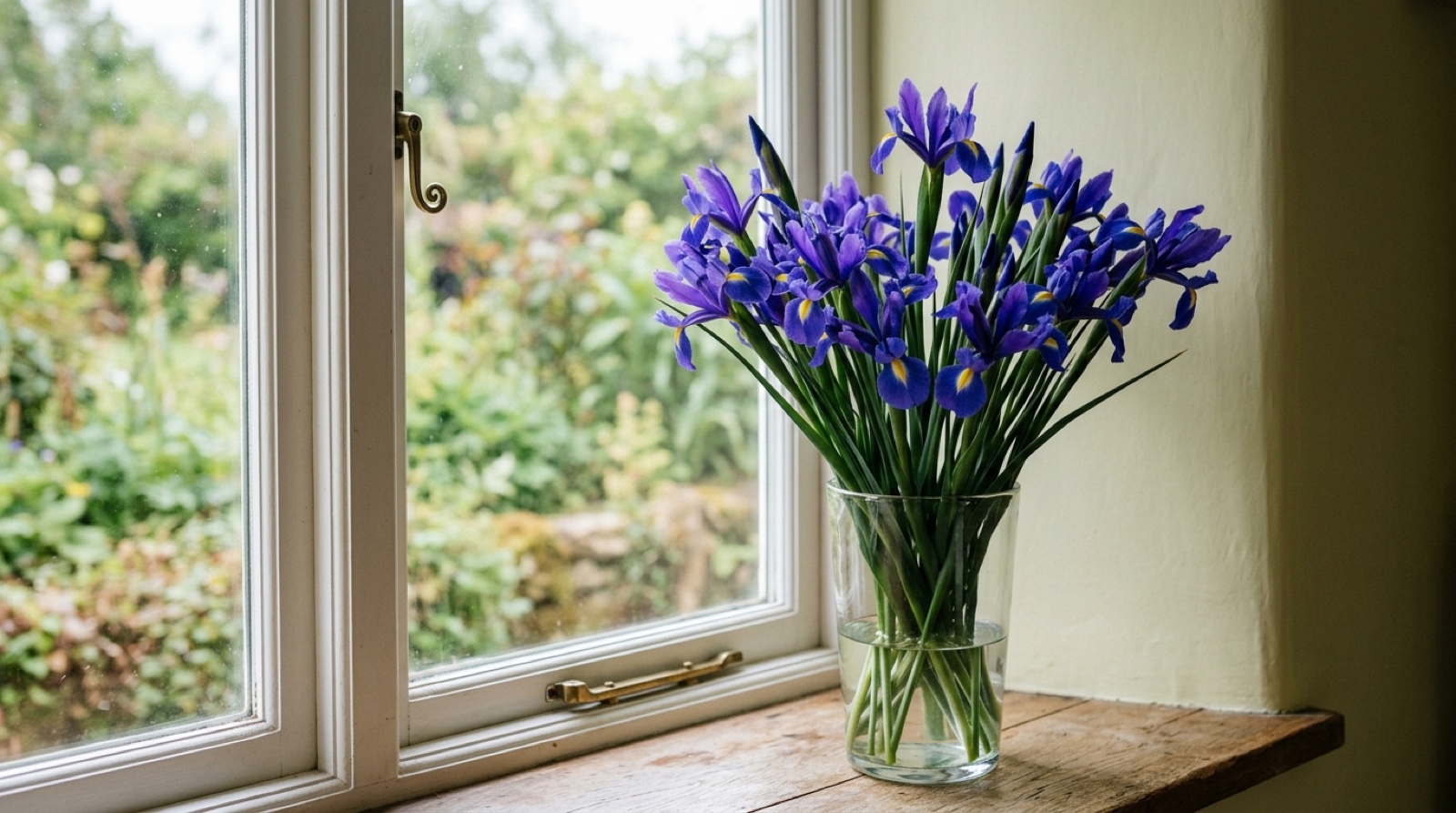
To pack flowers for travel, hydrate them first, wrap the cut stem ends in damp absorbent paper with a leakproof covering, and protect the blooms with a loose paper sleeve. Secure the bouquet in a supportive box so it cannot slide, keep it away from direct sun and heater vents, and put the stems into clean water promptly on arrival. For a longer journey, plan water access and check transport rules before choosing the packaging.
Customers at Pyat Tsvetov (5 Flowers) often need to take a bouquet across town, carry it on a train or bring it to a family celebration after a flight. The practical problem is balancing moisture at the stems with space around the petals: wet wrapping alone cannot prevent crushing, and a sturdy box cannot replace hydration. Our Saint Petersburg flower shops have been serving customers since 2011; this guide focuses on the preparations that make a bouquet easier to carry and care for.
Hydrate and inspect the flowers before wrapping
Start with a clean vase or bucket and fresh water. Remove any leaves that would sit below the waterline, then trim the stem ends with a clean, sharp tool before standing the flowers in water. Let the bouquet hydrate while you prepare its packaging; wrapping flowers immediately after they have already spent time out of water leaves less room for travel delays.
Check the bouquet for broken stems, loose decorative pieces and petals already trapped beneath the wrapping. Keep an existing florist tie if it holds the stems comfortably together, but loosen anything that visibly cuts into them. If the bouquet has become unbalanced, support the stems as a group instead of pulling individual flower heads into position.
Choose packaging for the actual route, including the walk to the station and any wait before the gift is presented. A short drive with immediate access to a vase differs from several changes of transport with luggage. Pack as close to departure as practical, and keep the prepared bouquet in a shaded indoor place until you leave.
Wrap the stem ends to contain moisture
For a journey without a vase, fold clean absorbent paper around the freshly cut ends and dampen it thoroughly without leaving it dripping. Enclose only this lower section in a small plastic bag or another leakproof covering. Fasten the covering around the outside of the bundle, gently enough to avoid squeezing or bending the stems.
Keep the wet layer below the decorative wrap and well away from the flower heads. Water running up the wrapping can mark paper, wet clothing and leave petals pressed against a damp surface. Before setting off, hold the bouquet over a sink and check that the stem packet stays attached and does not release water when tilted slightly.
Treat damp wrapping as temporary support, with its usefulness depending on journey length and conditions. For an extended trip, arrange a suitable opportunity to return the stems to water rather than relying on one wet packet throughout. If you use individual water tubes, check that each is securely fitted and compatible with the stem; do not force thick stems through a narrow cap.
Bouquets we can deliver




Protect flower heads and build a stable carrier
Make a loose sleeve from clean packing paper, with enough height to shield the outer blooms from incidental contact. Bring the paper around the bouquet without tightening it across the flower heads, and secure it lower down around the stems. Leave space above and around the petals so the sleeve does not become another source of pressure.
Place the wrapped bouquet in a clean, rigid box that supports it without folding the stems. Use crumpled paper around the lower bundle to stop it sliding, while keeping packing material away from delicate petals. The box should take the pressure from your hands and nearby objects; the flowers should not be bearing that load.
Test the carrier with a gentle lift before leaving. If the bouquet tips, add support around its base or choose a better-fitting container instead of wedging paper between the blooms. Keep the top clear of bags, coats and lids that touch the flowers, and carry the box level whenever possible.
Adjust the packing for cars, trains and flights
In a car, put the carrier on a level, stable surface where it cannot fall during braking. Keep flowers out of direct sunlight and away from heater outlets; avoid a position where strong airflow blows straight into the bouquet. Do not leave them in a parked vehicle while running errands, because conditions inside can change while you are away.
On a train, keep the bouquet where you can protect it from feet, moving luggage and people passing through the aisle. An overhead rack can expose it to bags being pushed against the blooms, so assess the space before using it. Carry a spare absorbent sheet and a small bag for wet packaging, especially if you intend to refresh the stem wrap during a longer stop.
Before a flight, check the airline's baggage rules and the destination's plant-import requirements, including any transit restrictions. A bouquet being permitted in the cabin does not establish that it may cross a border, and rules for liquids can affect water containers or tubes. Our bouquet flight guide covers the separate packing and travel checks to make before departure.
Unpack promptly and prepare for the handover
At your destination, set down the carrier before removing the bouquet, then take off the wet stem packet over a sink. Inspect the cut ends, trim them with a clean, sharp tool and place the stems in a clean vase of fresh water. Remove transport padding that presses on the flowers, and check that no loose paper or foliage has fallen into the vase.
Display the bouquet away from direct sun, radiators and ripening fruit. Keep checking the water level, since several stems sharing a vase can use more water than the container appears to hold. If the water becomes cloudy, clean the vase and replace it; a decorative sleeve around the stems can hide both low water and debris.
If you are visiting someone, let them know that the flowers will need a vase soon after arrival. For a dinner or celebration, handing over the bouquet before the host becomes busy gives them time to put it in water. Include flower-care instructions if you have them, and let a personal card explain the occasion instead of relying on an assumed universal meaning for a flower colour.
Order delivery in Russia when carrying a bouquet is impractical
If the trip involves border checks, several connections or a long wait before the visit, ordering flowers for the destination can simplify the journey. You can choose a bouquet from our bouquets catalogue and order delivery across Russia. City delivery costs 500 RUB; for remote districts and suburbs, the operator confirms the delivery price when confirming the order.
Plan delivery around when someone can receive the flowers. In large cities, express delivery is available in 1–2 hours after order confirmation; other options include an exact time within plus or minus 30 minutes, windows of 09–12, 12–15, 15–18 or 18–21, and pre-ordering 1–30 days ahead. In Saint Petersburg, delivery is available around the clock; see delivery and payment when planning the order.
The courier calls the recipient about 15 minutes before arrival, and delivery is anonymous by default: the courier does not name the sender. A card with your text is free, so sign it if you want the recipient to know who sent the flowers. If the recipient is absent, we agree a second delivery that day or a handover to a neighbour or concierge with the sender's consent.
Online checkout uses CloudPayments. If you are ordering from abroad, check the payment options displayed at checkout, because acceptance of every foreign card cannot be promised. For questions about the order, call 8 (812) 507-67-05; have the destination and intended delivery time ready so the discussion can focus on your plans.
Frequently asked questions
Can I wrap flowers in a wet towel for travel?
Use clean, damp absorbent material around the cut stem ends, then contain it in a leakproof covering. Keep the moisture away from the blooms and check for drips before carrying the bouquet.
How long can a packed bouquet travel without water?
There is no dependable single limit for every bouquet: flower type, prior hydration and travel conditions all matter. Minimise time out of water and plan access to a vase during a long journey.
Should I seal the whole bouquet in a plastic bag?
Use a loose paper sleeve to protect the flower heads and reserve leakproof plastic for the wet stem ends. Sealing the whole bouquet can trap moisture against petals and makes it harder to avoid compression.
Can I carry flowers lying flat?
A bouquet can lie in a supportive box if the stems are supported and the blooms bear no weight. Upright carrying is often easier when a stable container is available, especially if the stems are in water.
Can I order flowers to Russia while I am abroad?
You can place an online order for delivery across Russia, with payment through CloudPayments at checkout. Check the payment options shown there, as acceptance of every foreign card is not guaranteed.
Ready to send a bouquet?
Pick a city, choose the flowers, and we will hand them over with a photo confirmation.
Choose a city →