
What About Colours? A Practical Guide to Flower Giving in Russia
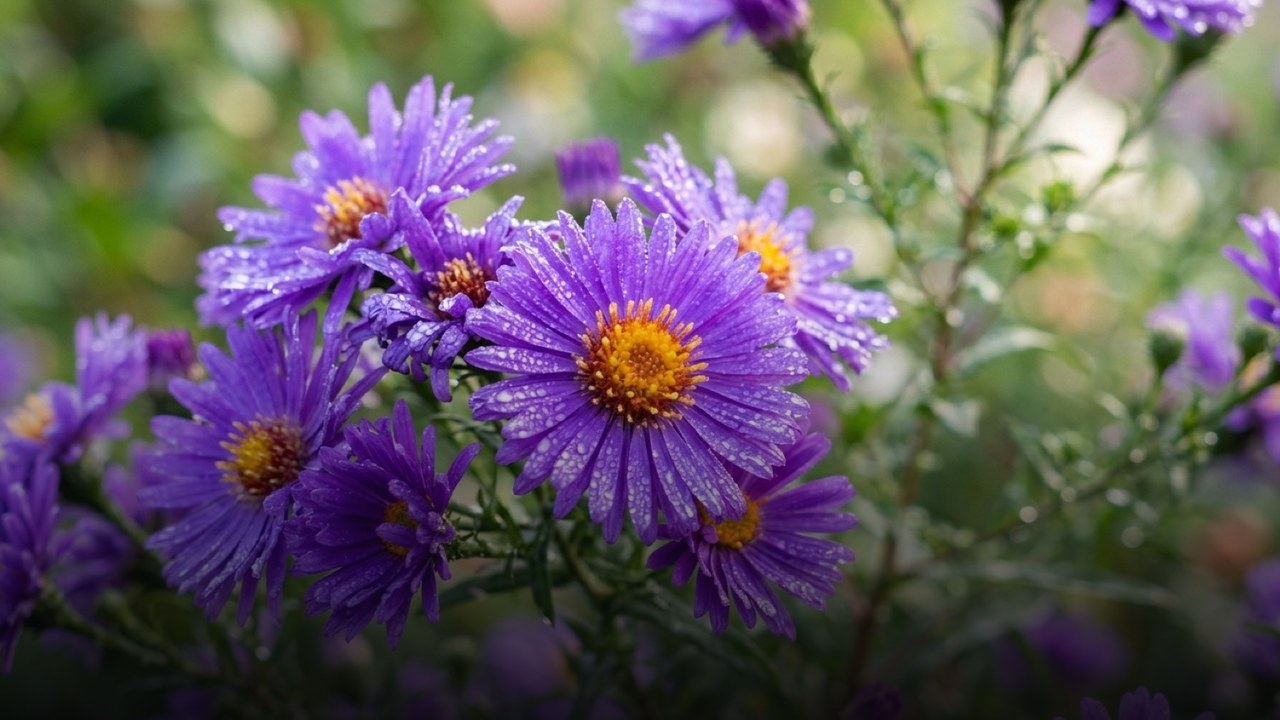
“Hvad med farver” is Danish for “what about colours?” When choosing flowers for someone in Russia, start with the recipient’s favourite colours, then consider the occasion and the message you want the bouquet to carry. Colour associations can help, but they are not a universal code: personal taste matters more than a rigid list of meanings.
At Pyat Tsvetov (5 Flowers), customers often ask whether red feels too romantic, whether yellow is appropriate, or whether white looks too formal. We have been working with flowers in Saint Petersburg since 2011, and a useful starting point is to picture the person receiving them: their clothes, home and usual preferences. A colour they enjoy makes a stronger choice than one selected solely for its supposed symbolism.
Choose the main colour before choosing the bouquet
Begin with one colour the recipient likes and decide whether the overall effect should be soft or vivid. Pale pink with cream feels visually quieter than bright pink with orange, even though both combinations include pink. This distinction is useful when browsing photographs: compare the strength of the colours as well as their names.
For a restrained bouquet, choose one main colour with a supporting neutral, such as pink with cream or purple with white. For someone who enjoys bold combinations, contrasting colours such as yellow and purple can give a more energetic effect. Neither approach is inherently more suitable for a birthday or anniversary; the recipient’s taste should guide the choice.
Look at the whole arrangement, including foliage and wrapping, when comparing options in the bouquets catalogue. A dark wrapper can make pale flowers appear more dramatic, while generous greenery changes the balance of a colourful bouquet. Screen settings and lighting also affect photographs, so avoid treating a pictured shade as an exact colour reference.
Use colour meanings as context, not fixed rules
Red roses have a strong romantic association, making them an understandable choice for a partner. That same association can feel more personal than intended when sending flowers to a colleague or someone you barely know. If you want warmth without a clear romantic signal, consider a mixed palette and use the card to state the occasion plainly.
Pink can suggest affection, appreciation or tenderness, while white often suggests simplicity or formality. Those associations do not determine the message on their own: the flower type, arrangement and occasion all contribute. A white birthday bouquet with a cheerful personal note will be read differently from white flowers chosen for a solemn event.
Yellow deserves particular care because some recipients associate it with separation, while others simply enjoy its brightness. Do not assume either reaction applies to everyone in Russia. If you know the person loves yellow, that preference is a good reason to choose it; if their feelings are unknown and symbolism concerns you, select another colour instead.
Bouquets we can deliver




Match the flowers to the relationship and occasion
For a birthday, favourite colours are usually a more useful guide than age-based conventions. Avoid assuming that an older relative wants pale flowers or that a younger recipient wants something bright. A small observation, such as the colours they repeatedly choose for clothing or interiors, can help you make a thoughtful decision without guessing at a symbolic meaning.
For professional thanks or congratulations, aim for a message that is easy to understand. A balanced mixed bouquet and a short note naming the achievement can express appreciation without relying on romantic associations. For an apology, write a direct acknowledgement on the card; flower colour cannot explain what happened or replace the words the situation needs.
In Russian flower-giving etiquette, an odd number of stems is customary for celebratory gifts when individual flowers are being counted; even numbers are traditionally associated with mourning. This is separate from colour and is especially relevant to a simple bouquet of one flower type. If you are unsure how a particular arrangement fits the occasion, ask before placing the order.
Arrange delivery from abroad around the recipient’s day
We deliver flowers across Russia, so start with the destination and the recipient’s availability before settling on timing. City delivery costs 500 RUB; for remote districts and suburbs, the operator confirms the price when confirming the order. Check the delivery and payment information alongside your bouquet choice so that the practical details are clear.
Express delivery in large cities takes 1–2 hours after the order is confirmed. Other timing options include delivery at an exact time with a tolerance of plus or minus 30 minutes, or windows of 09–12, 12–15, 15–18 and 18–21. You can also pre-order 1–30 days ahead; choose the option around a period when the recipient can realistically accept the flowers.
When ordering from another country, check the time difference and make the intended delivery date and time clear for the destination city. In Saint Petersburg, delivery is available around the clock; do not assume that this applies elsewhere. Online checkout uses CloudPayments: check the payment options displayed there, as acceptance of every foreign card is not guaranteed.
Make the card and handover part of the gift
Delivery is anonymous by default: the courier does not name the sender. If you want the recipient to know the flowers are from you, include your name in the card text. A card with your message is free, and a brief personal sentence often explains the intention more clearly than an elaborate choice of flower colours.
For a family gift, mention the occasion and use the name the recipient normally knows you by. For a romantic bouquet, decide whether anonymity will be welcome before leaving the card unsigned. An unexplained delivery can create uncertainty, particularly when the flowers carry a strong romantic association or arrive at a workplace.
The courier calls the recipient about 15 minutes before arrival, so allow for that contact when planning a surprise. If the recipient is absent, we agree a second delivery the same day or a handover to a neighbour or concierge with the sender’s consent. Our guide to what happens if the recipient is not home explains this situation; questions can also be discussed by phone on 8 (812) 507-67-05.
Help the bouquet keep its colour and appearance
Once the flowers arrive, use a clean vase and remove any leaves that would sit below the waterline. Recut the stems with a clean, sharp tool before placing them in water, and follow any care instructions supplied with the flowers. If flower food is provided, use it at the stated dilution rather than estimating a stronger mixture.
Keep the bouquet away from direct sunlight, radiators and ripening fruit. Check the water daily, replenish it as needed, and replace it when it becomes cloudy, cleaning the vase at the same time. Different flowers age at different rates, so remove fading stems and damaged leaves to keep the remaining arrangement tidy.
Allow space around the flower heads instead of squeezing a full bouquet into a narrow vase. A pale bouquet may show bruising or browning more visibly, but colour alone does not tell you how long flowers will last. Choose the palette for the recipient’s enjoyment, then support its appearance with clean water, suitable placement and regular attention.
Frequently asked questions
What does “hvad med farver” mean when choosing flowers?
It means “what about colours?” in Danish. For a flower gift, choose the recipient’s preferred palette first and use colour symbolism as a secondary guide.
Is it inappropriate to send yellow flowers to someone in Russia?
Some people associate yellow flowers with separation, while others love them. Follow a known preference; if you are unsure and want to avoid that association, choose a different colour.
Can I order flowers to Russia while living abroad?
We deliver flowers across Russia, and online checkout uses CloudPayments. Check the options displayed at checkout, because acceptance of every foreign card is not guaranteed.
Will the recipient know who sent the bouquet?
The courier does not name the sender, as delivery is anonymous by default. Include your name in the free card message if you want the recipient to recognise the gift.
How quickly can flowers be delivered?
Express delivery in large cities takes 1–2 hours after order confirmation. Scheduled options include an exact time with a tolerance of plus or minus 30 minutes or a listed delivery window; around-the-clock delivery is available in Saint Petersburg.
Ready to send a bouquet?
Pick a city, choose the flowers, and we will hand them over with a photo confirmation.
Choose a city →