
Is Cold Water Better for Flowers in a Vase?
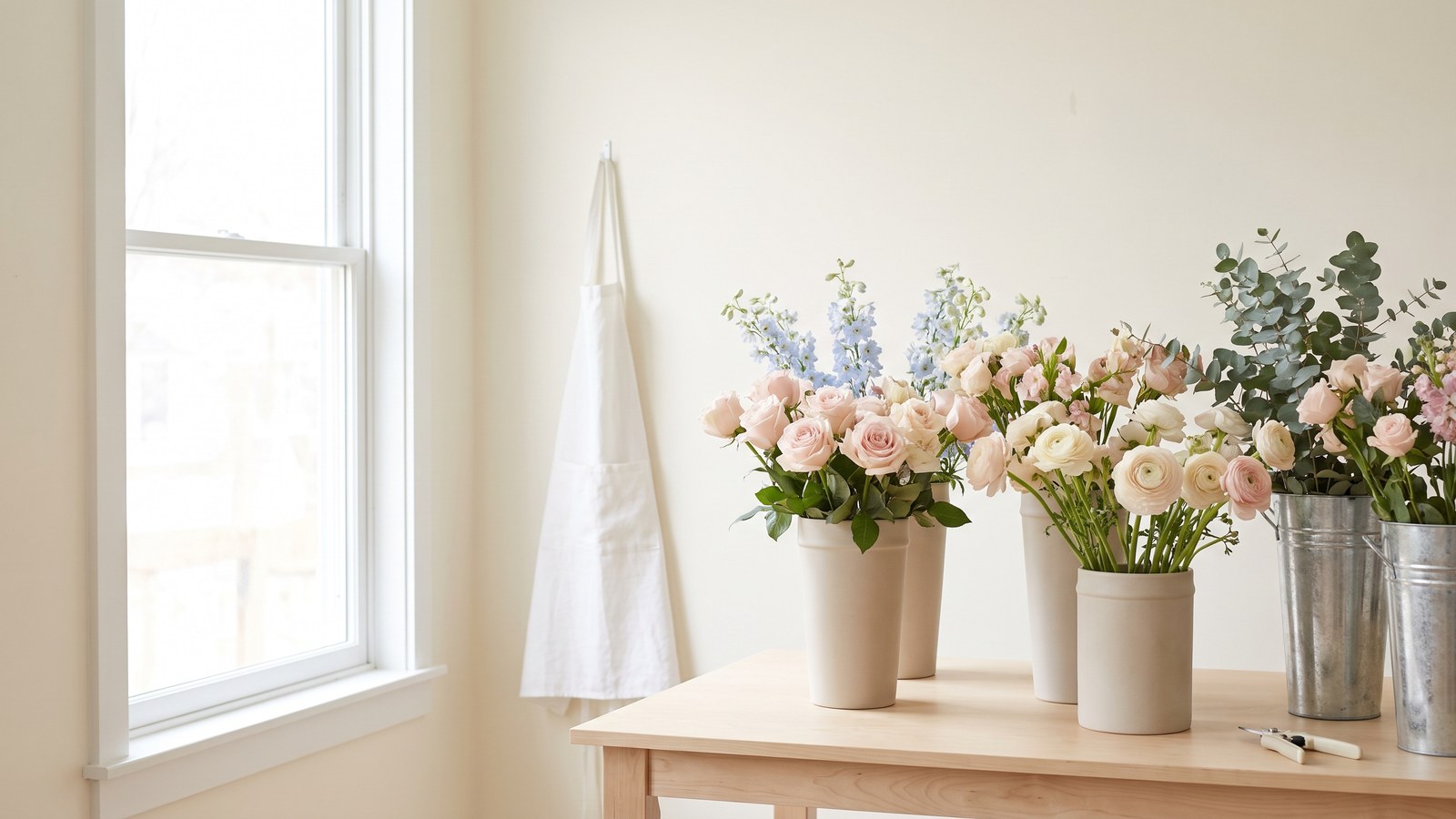
Cold water is not automatically better for cut flowers: clean, cool or room-temperature water is a sensible starting point for most bouquets. Tulips suit cool water, while roses and many mixed bouquets can go into room-temperature water without needing an icy bath. A clean vase, fresh stem cuts and a position away from heat usually deserve more attention than making the water colder.
At Pyat Tsvetov (5 Flowers), customers often ask which water to use when they bring a bouquet home, especially if the stems have travelled or the room is warm. We have been working with flowers in Saint Petersburg since 2011, and our practical advice starts with the bouquet's condition and flower types. Water temperature cannot make up for submerged leaves, a dirty container or a vase beside a radiator. The steps below help you choose the water and establish a care routine you can actually maintain.
Cool, room-temperature or ice-cold: choose a useful starting point
For everyday vase care, use fresh drinking-quality water that feels cool or neutral to your hand. There is no need to measure a precise temperature for an ordinary mixed bouquet unless its care instructions specify one. Room-temperature water is a practical choice when you do not know the individual flowers' preferences. Avoid hot water and do not add ice simply because the bouquet looks tired; neither is a universal treatment for wilting.
Cool water and a cool room are different parts of flower care. Chilling the vase water will not protect petals from direct sunshine or the heat rising from a radiator. Choose a stable position away from those heat sources, strong draughts and ripening fruit, which releases ethylene that can affect sensitive flowers. If you are comparing different recommendations, our guide to warm or cold water for flowers explains how to think about the choice by flower type.
Prepare the vase and stems before adjusting the temperature
Wash the vase with detergent, rinse it thoroughly and fill it with fresh water before unwrapping the stems. Remove any leaves that would sit below the waterline, because decaying foliage makes the water dirty. Using a clean, sharp tool, cut a small section from each stem end without crushing it, then place the stems promptly into water. Keep petals and flower heads out of the water; soaking the whole bouquet is not a routine substitute for stem hydration.
If you have cut-flower food, follow its packet directions for the amount of water rather than estimating a stronger dose. Do not add sugar, bleach, coins or a mixture of household remedies to compensate for missing flower food. Plain clean water is a workable starting point when no suitable product is available, provided you monitor it and refresh it regularly. Leave enough space between stems to check the water level and remove a damaged leaf without dismantling the whole arrangement.
Bouquets we can deliver




Roses, tulips and mixed bouquets need slightly different handling
For roses, start with clean room-temperature water and freshly cut stem ends; cold water is not a requirement for a successful vase routine. Remove submerged foliage while keeping healthy leaves above the waterline, and choose a vase that supports the stems without forcing the heads together. A rose that droops needs a check of its water supply, stem condition and surroundings before any temperature experiment. Our cold water for roses guide covers this common concern in more detail.
Tulips are well suited to fresh cool water and a vase that gives their flexible stems some support. They can continue to lengthen and curve after cutting, so a changing outline does not automatically mean the bouquet is dehydrated. Check the water level daily, since a vase that looked adequately filled yesterday may need topping up today. For a mixed bouquet, use cool or room-temperature water, keep every cut stem end submerged and follow any specific care guidance supplied with the flowers.
When flowers droop, check the cause before making the water colder
Start by looking inside the vase: the water may have fallen below some stem ends even when others remain submerged. If the water is cloudy or smells unpleasant, empty the vase, wash it and replace the water rather than only topping it up. Remove deteriorating foliage and refresh the stem cuts with a clean tool before returning the flowers. Then move the bouquet away from direct heat and allow time to observe its response without repeatedly handling the heads.
Drooping can reflect interrupted water uptake, ageing or physical damage, and a colder refill cannot resolve every cause. Petals that are bruised, translucent or drying at the edges may not recover even if the stems take up water again. Avoid improvised boiling-water treatments or ice baths, particularly when you do not know the flower variety or its condition. If one stem is clearly deteriorating while the rest remain sound, remove it and continue caring for the healthy flowers.
Build a daily routine that matters more than an icy refill
Check the bouquet each day for water level, submerged leaves and any stems beginning to deteriorate. Refresh the water regularly, and change it immediately if it becomes cloudy or develops an odour; wash the vase whenever residue builds up. When replacing water that contains flower food, prepare the new solution according to the packet rather than repeatedly adding extra concentrate. Move the flowers if their position becomes sunny during the afternoon, even if it was shaded when you first set them down.
A suitable vase also makes care easier: it should be stable, cleanable and deep enough to keep the cut ends in water. Do not force a large bouquet into a narrow opening that compresses the stems or hides the waterline completely. When giving flowers, a brief note suggesting fresh water and a position away from heat is more useful than a complicated list of remedies. Keep any care message separate from the personal greeting so the recipient can enjoy the gift without feeling they have been given a maintenance assignment.
Sending flowers to Russia: plan the handover as well as the bouquet
If you are ordering from abroad, browse our bouquets catalogue and choose delivery around the recipient's likely availability. Pyat Tsvetov delivers flowers across Russia; express delivery in large cities is available in 1–2 hours after the order is confirmed. Other options include an exact time within approximately 30 minutes, the windows 09–12, 12–15, 15–18 or 18–21, and pre-ordering 1–30 days ahead. Delivery in Saint Petersburg is available around the clock, which can help when you are arranging a gift from another time zone.
City delivery costs 500 RUB; for remote districts and suburbs, the operator confirms the price when confirming the order. The courier calls the recipient about 15 minutes before arrival, and if they are absent, we agree a second delivery that day or a handover to a neighbour or concierge with the sender's consent. Delivery is anonymous by default, so include your name in the free card text if you want the recipient to recognise the sender. Online checkout uses CloudPayments: check the payment options displayed there, since acceptance of every foreign card is not guaranteed; see delivery and payment or call 8 (812) 507-67-05 with questions.
Frequently asked questions
Is cold water better for flowers than room-temperature water?
Not for every bouquet. Fresh cool or room-temperature water is a sensible starting point for most cut flowers; cleanliness, submerged stem ends and protection from heat are more useful priorities than making the water icy.
Should I put ice cubes in a flower vase?
Ice cubes are unnecessary for routine care of most cut bouquets. Use fresh cool water instead, and check the vase position if the flowers are getting warm.
Can cold water revive drooping roses?
A colder refill alone is not a reliable remedy. Check the water level, clean the vase, refresh the stem ends and move the roses away from heat; damaged or ageing flowers may not recover.
Do tulips need cold water every day?
Tulips suit cool water, but checking the level matters more than repeatedly chilling it. Inspect the vase daily, refresh dirty water and remember that tulip stems can naturally lengthen and curve.
Can I order flowers to Russia while living abroad?
You can order flowers for delivery across Russia through our online catalogue. Checkout uses CloudPayments, so check the displayed payment options rather than assuming that every foreign card will be accepted.
Ready to send a bouquet?
Pick a city, choose the flowers, and we will hand them over with a photo confirmation.
Choose a city →