
Is ice water good for flowers in a vase?
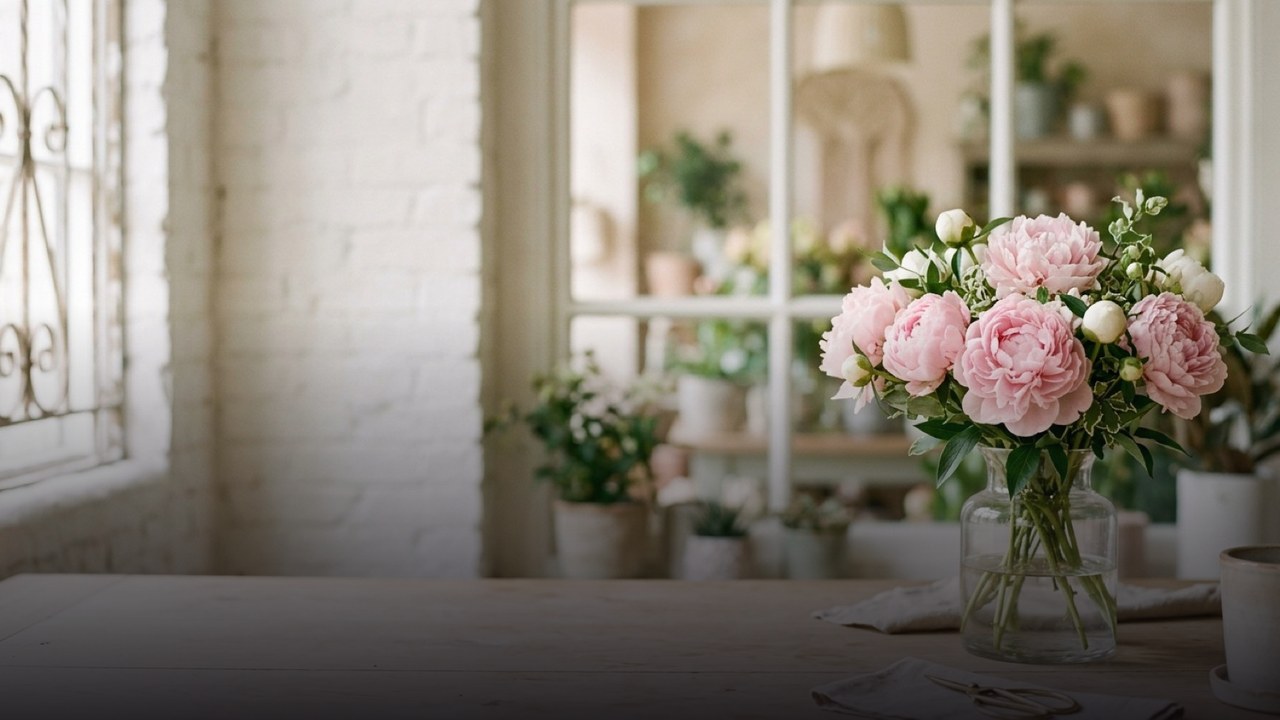
Ice water is usually unnecessary for flowers in a vase; clean, cool or room-temperature water is a better everyday choice for most mixed bouquets. Some flowers, including tulips, suit cool water, but that does not mean they need ice cubes or water chilled to near freezing. Start with a clean vase, freshly trimmed stems and the correct dose of cut-flower food, if supplied.
At Pyat Tsvetov (5 Flowers), customers often ask whether adding ice will rescue a bouquet that looks tired after its journey home. Our Saint Petersburg flower shops have been open since 2011, and the useful distinction is between cooling the flowers’ surroundings and icing their water. A bouquet beside a radiator or in direct sunlight needs a better position as well as fresh water. Adjusting the vase temperature alone leaves those other causes of wilting in place.
Cool water and ice water serve different purposes
For everyday vase care, use fresh drinking-quality water that feels cool or neutral to your hand, rather than deliberately making it icy. You do not need a thermometer to establish a sensible routine, and there is no single ideal temperature for every bouquet. Flower type, stem condition and any care instructions supplied with the arrangement all matter. For a broader comparison, see our guide to water temperature for fresh-cut flowers.
Ice cubes gradually melt, so they create a changing water temperature rather than a stable care condition. They also make it harder to judge the final water volume when measuring flower food, particularly in a small vase. There is little practical reason to introduce either complication into a healthy bouquet’s routine. If the vase water has become warm, replace it with fresh cool water and move the arrangement away from the heat source.
Choose water for the flowers actually in the vase
Tulips are a familiar example of cut flowers that suit cool water and a cool display position. Check their water level regularly because a vase can need topping up before the water looks dirty. Tulip stems can continue growing and bending after cutting, so a changing outline does not automatically mean the flowers are failing. Adding ice every time a stem curves is unlikely to address what is happening.
For roses, carnations and many mixed bouquets, clean cool or room-temperature water is a practical starting point unless specific instructions say otherwise. Be more cautious with tropical flowers, which can be sensitive to chilling, and follow care advice for the particular stems. In a mixed arrangement, avoid treating one flower’s preference as a rule for the whole bouquet. Our guide to which flowers suit cold water explains this distinction in more detail.
Bouquets we can deliver




Prepare the vase before changing the temperature
Wash the vase with detergent, remove any slippery residue and rinse it thoroughly before filling it. Strip off leaves that would sit below the waterline, while keeping healthy foliage above it. Submerged leaves break down and make it harder to keep the water clean. Use sharp, clean scissors or secateurs to make a fresh cut at the base of each stem, then place the flowers in water promptly.
Fill the vase so the cut ends remain well submerged, allowing space for the arrangement without packing the stems tightly together. If cut-flower food is supplied, follow its stated dilution and measure the water rather than guessing. A stronger solution is not automatically better, and adding household ingredients can interfere with the intended mixture. Ice is not a substitute for flower food, and it does not clean a dirty vase or remove decaying foliage.
Refresh a tired bouquet with a simple care reset
If the flowers look limp, first check whether the stems are actually reaching the water and whether the vase has run low. Remove any stems that are clearly rotting, then empty and wash the vase. Recut the remaining stems with a clean, sharp tool and return them to fresh water, adding flower food according to its instructions if available. Place the bouquet somewhere cool, out of direct sun and away from radiators or other heat sources.
Give the flowers time to take up water before judging the result; repeated handling and constant changes of treatment are unhelpful. Some dehydration can improve after this reset, but damaged or ageing flowers may not recover. A bent stem, bruised petals and a dry cut end are different problems, so no single ice-water remedy can solve them all. Avoid plunging the flower heads into icy water as a general treatment, especially when you do not know the varieties.
Keep the water fresh throughout the bouquet’s life
Check the vase every day for water level, fallen leaves and deteriorating stems. Replace the water promptly if it becomes cloudy, develops an odour or contains debris; do not wait for a fixed date when those signs are present. Wash the vase during the change, remove submerged foliage and refresh the stem ends when needed. Our guide to how often to change vase water covers a practical routine.
Fresh water and a suitable position work together: even carefully prepared water cannot protect a bouquet left in strong sun all afternoon. Keep flowers away from ripening fruit, which releases ethylene that can shorten the vase life of sensitive varieties. When topping up water containing flower food, follow the product’s directions so the concentration stays appropriate. Daily attention to these details is more useful than adding ice as an occasional rescue measure.
Send flowers to Russia with care advice the recipient can use
If you are ordering from abroad for someone in Russia, keep any care message short and relevant: use a clean vase, trim the stems, remove leaves below the waterline and keep the bouquet away from heat. Pyat Tsvetov delivers flowers across Russia, and a card with your text is free. Delivery is anonymous by default because the courier does not name the sender, so include your name in the card text if you want the recipient to know who sent them. You can use the card for the occasion itself and share the care reminder separately.
City delivery costs 500 RUB; the operator confirms the price for remote districts and suburbs when confirming the order. In large cities, express delivery is available in 1–2 hours after confirmation, or you can select an exact time with a margin of plus or minus 30 minutes, a 09–12, 12–15, 15–18 or 18–21 window, or preorder 1–30 days ahead. Delivery is available around the clock in Saint Petersburg. Check delivery and payment details when choosing a time that suits the recipient.
The courier calls the recipient about 15 minutes before arrival, so choose a delivery time when they are likely to be available to receive the flowers. If they are absent, we agree a second delivery the same day or a handover to a neighbour or concierge with the sender’s consent. Online checkout uses CloudPayments; customers paying from abroad should check the payment options displayed there, as acceptance of every foreign card cannot be assumed. For questions about an order, call 8 (812) 507-67-05.
Frequently asked questions
Can I put ice cubes directly into a flower vase?
For most bouquets, there is no need to add ice cubes. Use fresh cool or room-temperature water and follow any instructions supplied for the flowers.
Is ice water good for roses in a vase?
Ice water is not a necessary part of routine rose care. Start with a clean vase, freshly cut stem ends and cool or room-temperature water, then keep the roses away from heat.
Do tulips need ice in their water?
Tulips suit cool water, but they do not need ice cubes. Check the water level daily and remember that growing, curving stems can be normal for cut tulips.
Will ice water revive wilted flowers?
It is not a reliable rescue treatment. Clean the vase, recut the stems and provide fresh water in a cool position; flowers affected by age or physical damage may not recover.
Does ice stop bacteria growing in vase water?
Adding ice does not disinfect the water or clean the vase. Remove submerged leaves, wash away residue and replace cloudy or unpleasant-smelling water promptly.
Ready to send a bouquet?
Pick a city, choose the flowers, and we will hand them over with a photo confirmation.
Choose a city →