
What “ja bitte” means and how to use it politely
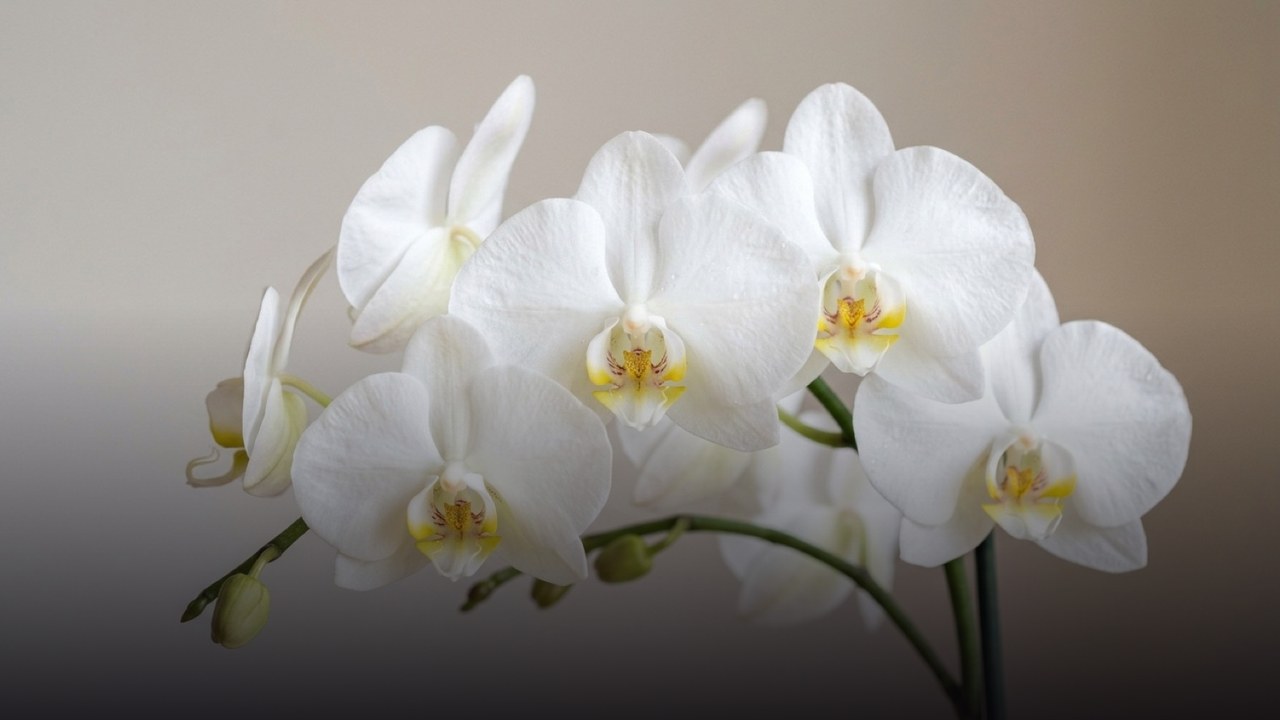
“Ja, bitte” means “yes, please” in German: it is a polite way to accept an offer, including an offer of flowers. The usual written form includes a comma, although people often search for “ja bitte” without one. Depending on the situation and tone, the same words can also invite someone to speak or continue.
For a flower gift, the useful distinction is between accepting an offer, thanking the giver and writing a message to the recipient. Each calls for different words, particularly when the sender and recipient use different languages. At Pyat Tsvetov (5 Flowers), our approach is to make the practical choices clear: what the message says, what the flowers communicate and when the recipient can receive them.
When “ja, bitte” is the right answer
Use “ja, bitte” when someone offers something you would like to accept. If a German speaker asks “Möchtest du Blumen?” meaning “Would you like flowers?”, “Ja, bitte” is a natural reply. It also works for offers of help or a drink. The phrase is polite without being especially formal, so it suits many everyday exchanges.
Context matters because “bitte” has several functions in German. A questioning “Ja, bitte?” may mean “Yes?” or invite someone to say what they need, while “Wie bitte?” asks someone to repeat what they said. After receiving flowers, “Danke” or “Vielen Dank” expresses thanks more directly. “Bitte” on its own can mean “you’re welcome” in response to thanks; adding “ja” does not make it the standard reply.
Choose a card message that matches the occasion
“Ja, bitte” usually belongs in a conversation rather than on a flower card. As a standalone inscription, it can leave the recipient wondering what offer you are accepting. For a German birthday message, “Alles Gute zum Geburtstag!” means “Happy birthday!”; for a simple thank-you, “Vielen Dank!” is enough. Choose words that explain the gesture instead of relying on a phrase whose meaning depends on an earlier exchange.
Write the card in the language the recipient understands most comfortably, even if you placed the order in English. A short personal detail, such as thanks for a particular kindness, gives the flowers a clearer purpose than a long formal greeting. Check names, spelling and any translated wording before submitting your text. A card with your text is free, and including your name matters if you want the recipient to know who sent the gift.
Bouquets we can deliver




Flower etiquette when the recipient is in Russia
For a celebratory gift in Russia, an odd number is the conventional choice when individual stems are clearly counted. Even numbers are traditionally associated with mourning, so this detail deserves attention if the recipient follows Russian customs. In a mixed bouquet, where the count is less obvious, consider the overall arrangement as well as any visible groups of stems. If you are unsure about a particular choice, ask for guidance by phone on 8 (812) 507-67-05.
Treat flower meanings as cultural associations rather than a fixed code. Red roses often suggest romance, but the recipient’s taste and your relationship provide more useful guidance than a list of symbolic meanings. For a colleague or host, choose with their preferences and the setting in mind, and use the card to make your intention clear. If the recipient dislikes a certain flower or fragrance, that preference should carry more weight than tradition.
Plan the arrival around the recipient’s day
Choose a delivery time when the recipient can take the flowers inside and put them in water. A bouquet arriving as someone leaves for a long journey creates an avoidable care problem, even if the date is meaningful. When ordering from abroad, check the recipient’s local time rather than relying on your own calendar and clock. For a workplace address, consider whether they will be present and able to receive a personal delivery.
In large cities, express delivery is available in 1–2 hours after the order is confirmed. Other options are delivery at an exact time with a tolerance of plus or minus 30 minutes, the windows 09–12, 12–15, 15–18 or 18–21, or pre-ordering 1–30 days ahead. Delivery is around the clock in Saint Petersburg; this does not describe the schedule across Russia. Read the delivery and payment information when deciding which option suits the occasion.
How to order flowers to Russia from abroad
Start with the bouquets catalogue and choose with the recipient’s taste, occasion and available vase space in mind. Prepare the delivery address, the recipient’s contact number and your card text so the details are ready when you order. We deliver flowers across Russia, and city delivery costs 500 RUB. For remote districts and suburbs, the operator confirms the delivery price when confirming the order.
Online checkout uses CloudPayments; check the payment options displayed there for your order. Acceptance of a particular foreign card should not be assumed. Delivery is anonymous by default, meaning the courier does not name the sender, so sign the card if you want to identify yourself. Pyat Tsvetov has operated since 2011 and has three own flower shops in Saint Petersburg, on Ilyushina Street, Obvodny Canal Embankment and Srednerogatskaya Street.
The courier calls the recipient about 15 minutes before arrival, so plan for a brief delivery call even when the gift is a surprise. If the recipient is absent, we agree a second delivery the same day or, with the sender’s consent, hand the flowers to a neighbour or concierge. Do not assume that leaving a bouquet with another person happens automatically. For questions about the order or delivery arrangements, call 8 (812) 507-67-05.
Help the recipient keep the flowers in good condition
After arrival, prepare a clean vase and fresh water before leaving the bouquet on display. Remove packaging that prevents the stems from sitting properly in the vase, while taking care around any ties that hold the arrangement together. Trim the stem ends with a clean, sharp tool and remove leaves that would sit below the waterline. If flower food is supplied, follow its instructions rather than guessing the amount.
Keep the vase away from direct sunlight, heaters and ripening fruit, and check the water level daily. Change water that becomes cloudy, clean the vase and remove fading material so it does not remain in the water. Different flowers have different care needs, so follow any specific instructions provided with the bouquet. If the flowers are arranged in a container rather than supplied as loose stems, check how that arrangement should be watered before taking it apart.
Frequently asked questions
Does “ja bitte” mean “yes, please” or “you’re welcome”?
“Ja, bitte” normally means “yes, please” when accepting an offer. “Bitte” alone can mean “you’re welcome” after someone says thank you.
Should I write “ja, bitte” on a flower card?
Use it if it refers to a shared conversation the recipient will understand. For an ordinary greeting, a birthday wish, thank-you or personal note communicates the reason for the flowers more clearly.
Can I send flowers to Russia without revealing my name?
Delivery is anonymous by default: the courier does not name the sender. Check that your card text does not identify you if you want your name to remain undisclosed.
Can I pay for flowers with a card issued outside Russia?
Online checkout uses CloudPayments. Check the options displayed at checkout, because acceptance of every foreign card is not guaranteed.
Is flower delivery available at night?
In Saint Petersburg, delivery is available around the clock. For arrangements elsewhere in Russia, call 8 (812) 507-67-05 to clarify the timing.
Ready to send a bouquet?
Pick a city, choose the flowers, and we will hand them over with a photo confirmation.
Choose a city →