
Lilies allergy: choosing flowers for a sensitive recipient
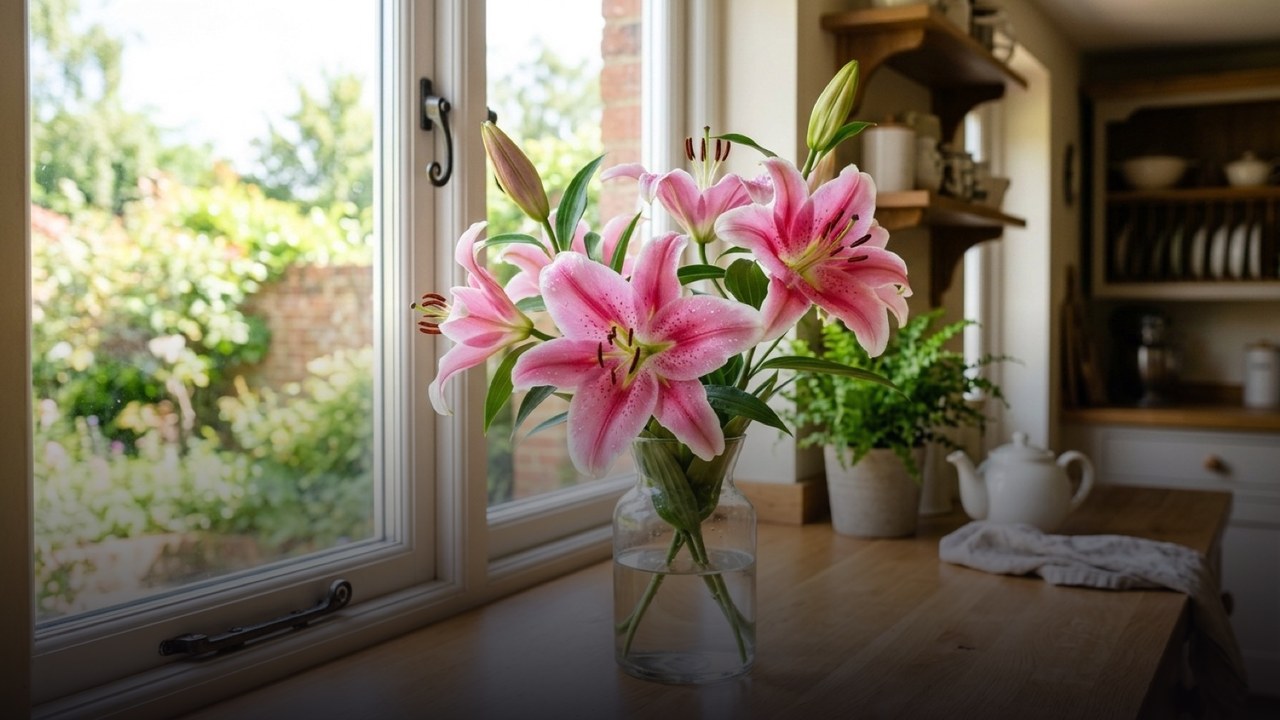
Lilies can cause allergic symptoms in some people, while their fragrance may trigger irritation, headaches or asthma symptoms without a pollen allergy. Removing the pollen-bearing anthers reduces loose pollen but does not remove the scent or make a lily bouquet allergy-safe. If the recipient has reacted to lilies before, choose flowers they already know they tolerate.
Customers asking about lilies often need to choose a gift for someone whose sensitivities they do not fully know. At Pyat Tsvetov (5 Flowers), with flower shops in Saint Petersburg since 2011, the useful starting point is the recipient’s experience: previous reactions, comfort with scented flowers and where the bouquet will stand. A favourite flower is only a good gift when the person can comfortably keep it nearby.
Lily pollen allergy and fragrance sensitivity are different
A pollen allergy involves an immune response and may cause sneezing, an itchy nose, watery eyes or other symptoms. Lily pollen can become an exposure source when someone touches an anther, handles fallen pollen or rubs their eyes afterwards. Symptoms alone cannot establish which substance caused a reaction, especially in a mixed bouquet.
Fragrance can cause discomfort without a pollen allergy, including nose or throat irritation and headaches in susceptible people. Strong smells can also trigger symptoms in some people with asthma. Someone who feels unwell near scented lilies should not assume that removing visible pollen will solve the problem.
Lily fragrance varies between varieties, so the word ‘lily’ does not describe one consistent scent level. A variety described as less fragrant still cannot be promised safe for a particular person. Our guide to lily varieties, scent and vase life explains these differences when scent is a preference rather than a known health trigger.
Choose a gift around the recipient’s known sensitivities
Before sending lilies, ask whether the recipient has comfortably kept them indoors before and whether scented flowers cause symptoms. Their answer is more useful than choosing by colour, stem count or a general ‘hypoallergenic’ label. If there is a history of reactions, avoid experimenting with another lily variety as a surprise.
For someone with hay fever, the diagnosis alone does not tell you whether lilies will be tolerated. Sensitivity depends on the individual and the allergen, and a flower with little noticeable scent can still cause a problem. Ask which flowers the person already enjoys at home, then use that experience to guide the gift.
Consider everyone who shares the space, particularly if the bouquet will sit in a shared office, a bedroom or beside someone’s usual chair. For a hospital or care setting, check the institution’s flower policy before ordering. If you cannot establish what the recipient tolerates, postponing the flower choice is more considerate than relying on an unsupported allergy-safe claim.
Bouquets we can deliver




What removing lily anthers can and cannot do
The anthers are the pollen-bearing parts at the tips of the slender filaments inside a lily flower. Removing them can reduce pollen falling onto petals, furniture and clothing, especially before the pollen becomes loose. This is a practical housekeeping measure, but it does not remove every possible source of exposure.
For someone who already tolerates lilies, anthers can be gently lifted away with a tissue as each bloom opens. Avoid shaking the stem or squeezing mature anthers, which can spread pollen during handling. Unopened buds will need attention later because removing anthers from today’s open flowers does not treat the whole stem.
Do not ask a person with a known lily reaction to handle the flowers as an allergy-control task. Removing anthers leaves the fragrance in place, and residual pollen may remain on petals or wrapping. If pollen lands on fabric, avoid rubbing it or immediately wetting it; gently lift loose dry pollen and follow the fabric’s cleaning instructions.
Practical steps if symptoms start near a bouquet
Stop handling the flowers and move away from the bouquet if symptoms begin. Wash your hands after contact and avoid touching your eyes; have another person remove the flowers from the room if possible. Ventilation may help clear lingering fragrance, but keeping the triggering bouquet nearby prolongs exposure.
Anyone with asthma or a diagnosed allergy should follow their existing treatment plan and prescribed instructions. Seek urgent medical help for breathing difficulty, swelling of the lips, tongue or throat, faintness, or rapidly worsening symptoms. Do not delay urgent care while trying to identify the flower or remove its pollen.
For a mild or recurring reaction, note when symptoms started, whether the flowers were handled and what else was in the bouquet. A photograph or list of the flowers can help a clinician understand the circumstances, although it cannot diagnose the cause. Avoid deliberately testing the reaction again by smelling or touching the lilies.
Vase placement, flower care and the separate risk to cats
For a household that comfortably tolerates lilies, place the vase on a stable surface where people will not brush against open flowers. Keep it away from food preparation areas and from a bedside if the scent disturbs sleep or causes discomfort. Moving a bouquet across the same room is not a reliable answer to an established reaction.
Use a clean vase, keep foliage out of the water and refresh the water regularly. Remove fallen petals and any visible pollen carefully, and wash your hands after handling the stems. These habits keep the display tidy and support vase care, but they do not turn a triggering flower into a suitable one.
Cats require a separate decision: true lilies and daylilies can cause life-threatening poisoning, including through pollen exposure or drinking vase water. Do not send them to a home with cats, and do not rely on a high shelf or anther removal for protection. Suspected exposure needs immediate veterinary advice; allergy precautions do not address this poisoning risk.
Ordering flowers to Russia with the right information
When choosing from our bouquets catalogue, check the flowers in a mixed arrangement as well as its overall appearance. State a known lily sensitivity clearly when discussing the order, and ask about the composition before proceeding if anything is unclear. Questions can be discussed by phone on 8 (812) 507-67-05; a catalogue title alone is not evidence that a bouquet suits an allergy sufferer.
We deliver flowers across Russia, with city delivery costing 500 RUB; the operator confirms the price for remote districts and suburbs when confirming the order. Express delivery in large cities takes 1–2 hours after confirmation, with other options including an exact time within ±30 minutes or the windows 09–12, 12–15, 15–18 and 18–21. Orders can be placed 1–30 days ahead, and delivery in Saint Petersburg is available around the clock.
Delivery is anonymous by default, so the courier does not name the sender; a card with your text is free. The courier calls the recipient about 15 minutes before arrival, which is useful to bear in mind when planning a surprise. See delivery and payment information before checkout: online payment uses CloudPayments, and customers paying from abroad should check the options displayed there rather than assume their card will be accepted.
Frequently asked questions
Can lilies cause an allergic reaction?
Yes, some people can react to lily pollen or contact with the flowers. Fragrance can also cause symptoms without a pollen allergy, so a clinician may be needed to establish the cause.
Does removing the pollen make lilies safe for allergies?
Removing anthers reduces loose pollen but does not remove fragrance or guarantee that no pollen remains. Avoid lilies if the recipient has previously reacted to them.
Are low-scent lilies suitable for someone with asthma?
A lower scent level does not guarantee tolerance. Choose according to the recipient’s known triggers and experience, and avoid lilies if they have caused asthma symptoms before.
Which flowers should I send instead of lilies?
Start with flowers the recipient has previously tolerated indoors. Check the full bouquet composition, since changing the main flower does not necessarily remove lilies or other triggers.
Can I send lilies to someone who has a cat?
Do not send true lilies or daylilies to a home with cats because they can cause life-threatening poisoning. Removing anthers or placing the vase out of reach does not provide reliable protection.
Ready to send a bouquet?
Pick a city, choose the flowers, and we will hand them over with a photo confirmation.
Choose a city →