
What Flower Numbers Mean When You Send a Bouquet to Russia
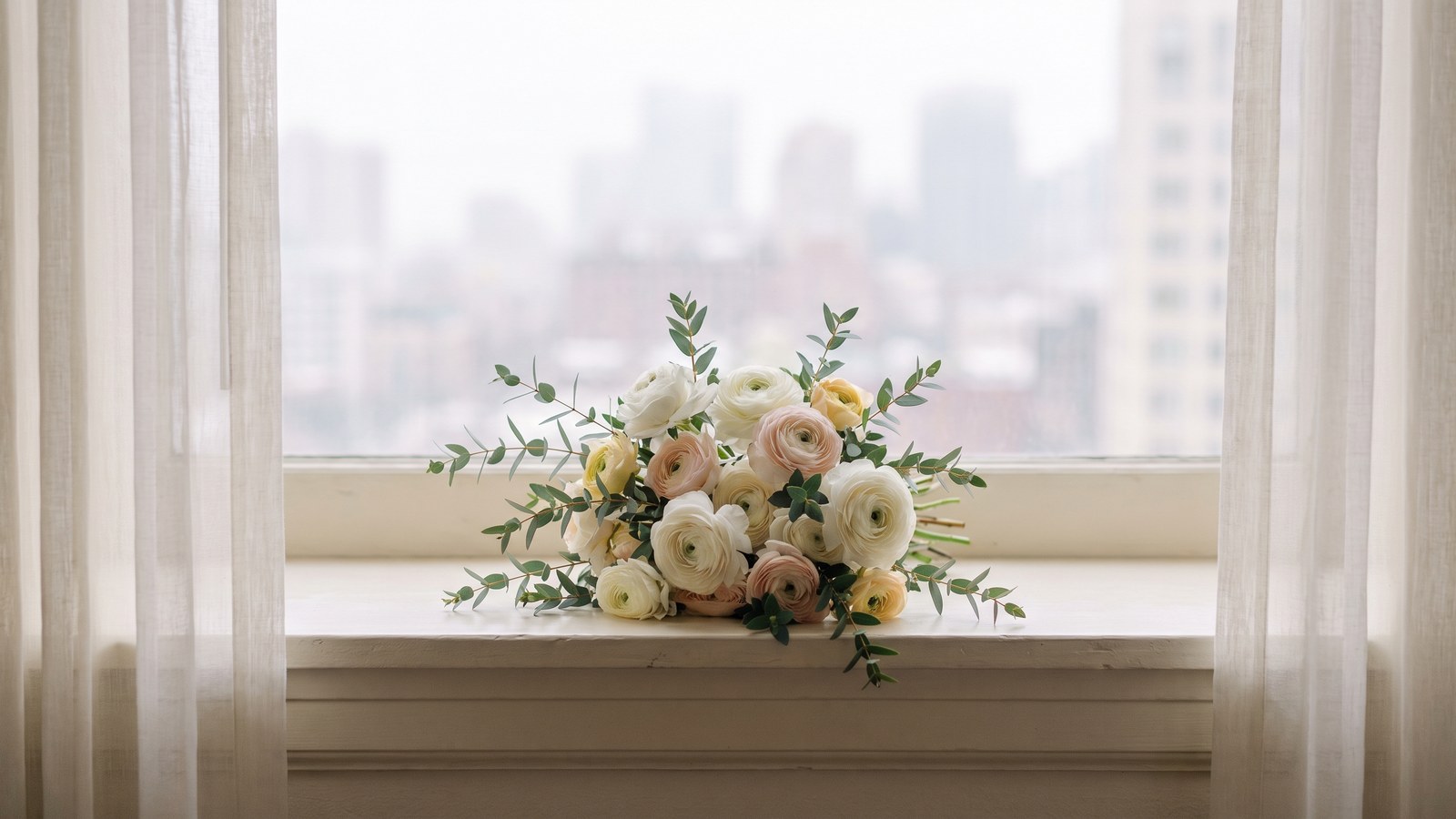
The number of flowers in a bouquet can suggest intimacy, generosity or remembrance, but meanings depend on the recipient’s culture. In Russia, the practical rule is to choose an odd number of flowers for a celebratory gift, because even counts are traditionally associated with funerals and mourning. Beyond that distinction, claims that every number carries a precise message are informal interpretations rather than a universal code.
At Pyat Tsvetov (5 Flowers), a useful starting point is the customer’s actual concern: whether a bouquet will feel appropriate for a birthday, a romantic gesture or a thank-you. Our Saint Petersburg flower shops have been serving customers since 2011, and the occasion matters more than a complicated numerical explanation. Choose the count with Russian etiquette in mind, then let the flowers, scale and card express your intention.
Odd and even flower counts in Russian etiquette
For birthdays, anniversaries, congratulations and everyday gifts in Russia, an odd count is the conventional choice. Three, five, seven or nine single-headed flowers all follow this custom. An even count can suggest a memorial offering, even when the sender intended something cheerful. This is especially noticeable in a small bouquet whose stems are easy to count.
A dozen roses is a familiar romantic gift in some countries, but that convention does not transfer comfortably to every Russian recipient. If you are ordering from abroad, eleven or thirteen roses avoids the even-count association. Thirteen does not need to be ruled out simply because it has an unlucky reputation elsewhere. The recipient’s own beliefs still deserve consideration.
Do not assume that a large bouquet automatically makes the tradition irrelevant. Some recipients will not count a generous arrangement, while others will notice or ask about the number. If you do not know their preferences, an odd count remains the straightforward choice. For a sympathy gift, follow the family’s customs rather than treating the celebratory rule as applicable to every occasion.
What one, three, five and seven flowers can communicate
One flower creates a focused, personal gesture without the formality of a large bouquet. It can suit an affectionate everyday gift or a modest romantic moment, provided the flower looks intentional and well presented. A single rose is often read romantically, but it does not automatically mean a declaration of exclusive love. Your relationship and accompanying words supply that meaning.
Three flowers make a compact gift, while five or seven can give a small bouquet more presence. These counts are useful for a thank-you, a visit or a birthday when you want something easy to carry and display. They do not reliably translate into fixed phrases such as “I miss you” or “I am yours”. Choose among them according to the flowers’ size and the impression you want.
Count alone is a poor guide to visual impact. Five broad flower heads can look fuller than seven slender ones, and branching stems can create considerable volume. Look at the bouquet’s proportions, foliage and arrangement as well as the number in its description. A smaller, balanced bouquet can feel more considered than a higher count selected only for its supposed symbolism.
Bouquets we can deliver




Nine, eleven and larger bouquets: scale before secret messages
Nine or eleven flowers can give a bouquet more presence while keeping the familiar odd-count convention. They may suit a birthday, an anniversary or a more expressive romantic gift, depending on the flower variety. There is no widely binding rule that nine means eternal love or eleven means devotion. Such explanations are optional sentiments, not meanings every recipient will recognise.
Larger odd counts, such as fifteen, twenty-one or twenty-five, can make the gesture feel more substantial. Before choosing one, consider where the recipient will receive it and how they will take it home. Someone meeting you after work may appreciate a manageable bouquet more than an armful of stems. A gift intended for a home celebration has different practical demands.
Very large bouquets also need suitable space and a stable container. The recipient may need to divide the stems between vases so that they are not tightly compressed. When browsing the bouquets catalogue, assess the overall shape and flower types alongside the listed count. Quantity should support the occasion and the recipient’s comfort, rather than become the only measure of the gift.
Count stems carefully in mixed and spray-flower bouquets
With single-headed roses or tulips, counting flowers is usually straightforward because each stem carries one main bloom. Spray roses, chrysanthemums and other branching flowers can carry several heads on one stem. A bouquet described by its stem count may therefore show many more individual blooms in the photograph. Check what the product description actually counts before comparing arrangements.
Mixed bouquets need a little more attention because several flower types share the arrangement. Decorative foliage should not be treated as an extra flower simply to change an even total into an odd one. Nor should you rely on counting every bud on a branching stem. If numerical etiquette is important to the recipient, a clearly specified odd count of single-headed flowers is easier to interpret.
Avoid changing a bouquet’s count solely because you have counted visible flower heads in a photograph. Some blooms may sit behind others, and branching stems make that approach unreliable. Use the stated composition as your starting point and clarify uncertainty before ordering. Questions about a bouquet can be discussed by phone on 8 (812) 507-67-05.
Match the number to the relationship and write the meaning down
For a colleague, teacher or host, a modest odd-count bouquet can express appreciation without making the gesture feel overly intimate. Flower choice and wording matter alongside quantity, especially if the relationship is formal. Avoid assuming that a particular number will explain why you are sending the gift. A brief card stating what you appreciate is much clearer.
For a partner, choose the size around their taste and the occasion rather than an online list of numerical love messages. A favourite flower in a manageable bouquet may be more welcome than an unfamiliar variety in a grand arrangement. If you deliberately choose a number for a personal reason, explain it in the card. That makes the symbolism yours without expecting the recipient to decode it.
Milestone birthdays sometimes inspire the idea of one flower for every year, but an even age can conflict with Russian gifting etiquette. You can celebrate the age in the card and choose an odd-count bouquet separately. A card with your text is free, so there is no need to make the flower count carry the entire message. For a formal note of appreciation, our guide to “blagodaryu vas” explains a useful Russian thank-you.
Sending the bouquet to Russia and helping it last
We deliver flowers across Russia, with city delivery costing 500 RUB; an operator confirms the price for remote districts and suburbs when confirming the order. In large cities, express delivery is available within 1–2 hours after confirmation, or you can select an exact time within a margin of 30 minutes. Time windows are 09–12, 12–15, 15–18 and 18–21, and orders can be placed 1–30 days ahead. Around-the-clock delivery is available in Saint Petersburg.
Delivery is anonymous by default: the courier does not name the sender, so sign the free card if you want the recipient to know who sent it. The courier calls about 15 minutes before arrival. If the recipient is absent, we agree a second delivery that day or, with the sender’s consent, hand the flowers to a neighbour or concierge. See delivery and payment for ordering information; checkout uses CloudPayments, and customers using a foreign card should check the options displayed there.
Once the bouquet arrives, place cut stems in a clean vase with fresh water and remove leaves that would sit below the waterline. Recut the stem ends with a clean, sharp tool before arranging them, and use flower food according to its instructions if supplied. Keep the bouquet away from radiators, direct sunlight and ripening fruit. Refresh the water regularly and remove fading flowers; a larger count needs enough vase space for the stems.
Frequently asked questions
Why do people give odd numbers of flowers in Russia?
Odd counts are the traditional choice for celebratory gifts, while even counts are associated with funerals and mourning. For a birthday, romantic occasion or thank-you, an odd count is the safest conventional choice.
Is it appropriate to send twelve roses to someone in Russia?
A dozen roses can carry an unintended mourning association for a Russian recipient because the count is even. Unless you know the recipient welcomes that convention, choose eleven or thirteen instead.
Do five, seven and nine flowers have fixed meanings?
There is no universal code assigning each count a precise message. Treat numerical interpretations as personal symbolism and use a card to explain what the gift means to you.
Should I count stems or individual blooms?
For single-headed flowers, the two counts usually match; branching stems may carry several blooms. Check the bouquet’s stated composition, and choose an odd count of single-headed flowers if you want the numerical etiquette to be unambiguous.
Can I order flowers to Russia using a foreign card?
Online checkout uses CloudPayments. Check the payment options displayed at checkout, because acceptance of every foreign card cannot be guaranteed.
Ready to send a bouquet?
Pick a city, choose the flowers, and we will hand them over with a photo confirmation.
Choose a city →