
“Qué flor es?”: How to Identify a Flower and Choose a Bouquet
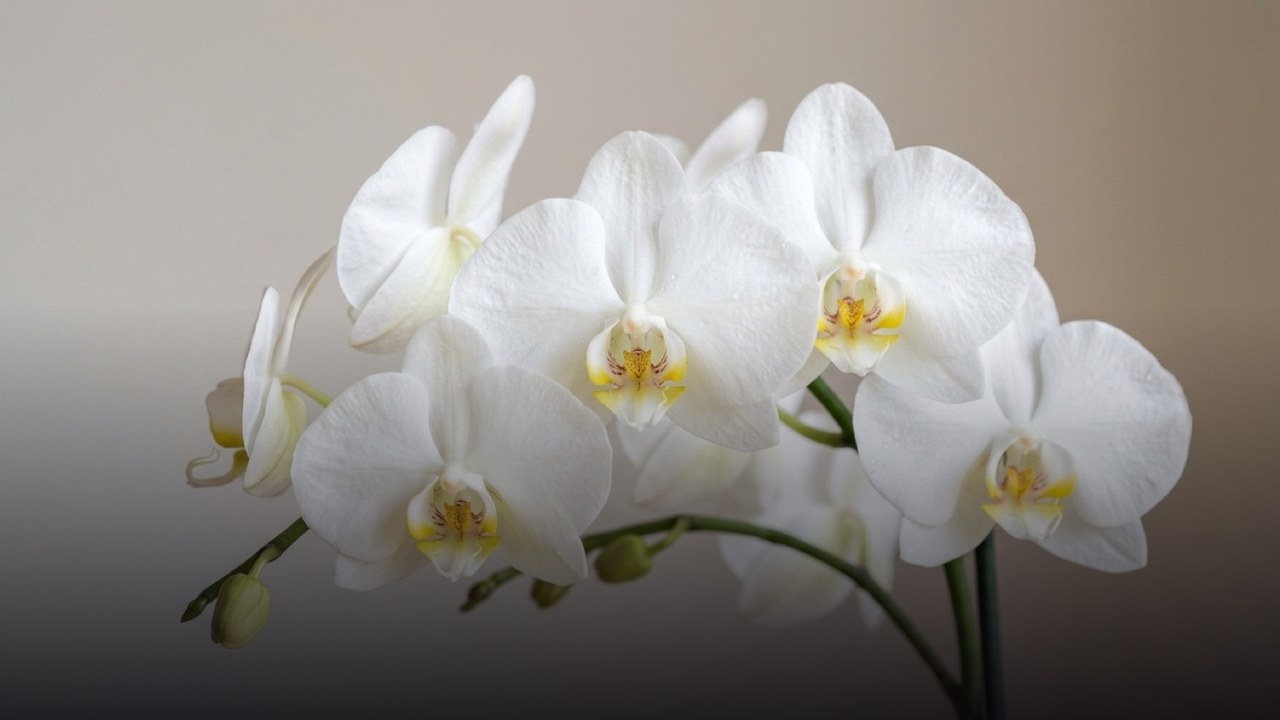
“Qué flor es” means “What flower is this?” in Spanish; it is usually written “¿Qué flor es?” If you are trying to identify a bloom, start with its flower shape, leaves and stem, because colour alone rarely gives a reliable answer. Without a photograph or description, a particular flower cannot be identified confidently.
At Pyat Tsvetov (5 Flowers), customers often want to name a flower they have received or find something similar for another person. Our experience comes from serving customers since 2011, with three of our own flower shops in Saint Petersburg. The useful starting point is to separate identification from preference: a flower’s name helps you understand it, while its shape, scent and care needs help you decide whether it belongs in your next bouquet.
Look at the whole stem before naming the flower
Examine one stem from the base to the flower head, leaving the bouquet tied if taking it apart would damage it. Note whether the stem carries one bloom, several branching blooms or a spike of smaller flowers. Look for broad, narrow, divided or needle-like leaves, and check whether they grow opposite one another or alternate along the stem. These structural clues are usually more useful than a description such as “a pink flower with lots of petals”.
For a useful identification photograph, take a front view of the open flower, a side view showing its base, and a picture of the leaves and stem. Use daylight and a plain background, and avoid filters that change the colour. Include an approximate flower size in your notes, together with whether the centre is visible. A tightly closed bud may conceal the features needed for identification, so keep an uncertain name provisional until it opens.
Distinguish common bouquet flowers by their structure
A typical rose has overlapping petals arranged around a central bud, often with several leaflets on each leaf; some stems also carry prickles. A peony commonly has a fuller, looser head and deeply divided leaves, although double varieties can resemble other many-petalled flowers. Ranunculus often shows numerous thin petals packed into close layers. These are starting clues rather than absolute rules, since varieties and the stage of opening can change the appearance considerably.
Carnations often have distinctly frilled or toothed petal edges and narrow leaves, while lisianthus has softer, cup-shaped flowers and may carry several buds on a branching stem. Gerberas have a prominent central disc surrounded by rays on a largely leafless flower stalk. Alstroemeria commonly has several flowers per stem, with markings on some of its inner petals. If two possibilities still fit, compare the leaf and the underside of the bloom instead of relying on an image of the flower face alone.
Bouquets we can deliver




Care for an unidentified bouquet without guessing
Begin with a clean vase, fresh water and clean cutting tools. Remove any leaves that would sit below the waterline, then trim the stem ends before putting them back into water. If cut-flower food came with the bouquet, follow its instructions rather than estimating a stronger dose. Check the water daily, refresh it regularly and wash the vase if deposits develop; crowded stems can hide fallen leaves and debris.
Keep the bouquet away from radiators, direct sun, strong draughts and ripening fruit. Remove fading flowers carefully so their petals do not collect in the water, and leave healthy foliage above the waterline. Avoid adding sugar, bleach or other household mixtures without dependable instructions for the flowers concerned. Identification becomes especially important around pets: true lilies and daylilies are highly toxic to cats, so keep them out of a home with cats, including their pollen and vase water.
Choose flowers for the person and the occasion
Flower meanings vary between cultures, families and individuals, so use them as context rather than a fixed code. Red roses are widely associated with romantic affection, but that does not make every red bouquet appropriate for every relationship. For a colleague or a relative, the recipient’s favourite colour or preferred flower can give you a clearer direction. A short card can state your intention more accurately than an elaborate interpretation of petal colours.
For a gift in Russia, an odd number of stems is the customary choice when giving a small, clearly countable bunch; even numbers are traditionally associated with mourning. The convention is less straightforward in a large mixed arrangement, where individual stems may not be obvious. Also consider the setting: a compact bouquet is easier to place on a crowded desk, and strongly scented flowers may be unwelcome in a shared room. If you know the recipient dislikes a particular scent, treat that preference as more useful than general symbolism.
Plan a delivery in Russia around the recipient’s day
When sending flowers from abroad, work from the recipient’s local date and time, especially if your countries change clocks on different dates. We deliver flowers across Russia, with city delivery costing 500 RUB; for remote districts and suburbs, the operator confirms the delivery price when confirming the order. Express delivery in large cities is 1–2 hours after confirmation. Other timing options are an exact time with a tolerance of ±30 minutes, the windows 09–12, 12–15, 15–18 or 18–21, or pre-ordering 1–30 days ahead.
In Saint Petersburg, delivery is available around the clock. The courier calls the recipient about 15 minutes before arrival, so a surprise bouquet still involves practical contact close to delivery. If the recipient is absent, we agree a second delivery the same day or, with the sender’s consent, handing the flowers to a neighbour or concierge. Read our delivery and payment information when planning the handover, and choose a time when the recipient can realistically receive the flowers.
Turn a flower name into a clear order
Once you have a likely name, browse the bouquets catalogue and compare the complete arrangements rather than matching one isolated petal. Look at the dominant flower shapes, the balance of colours and the overall proportions. If the identification remains uncertain, keep your description concrete: “small white flowers on branching stems” communicates more than an unsupported botanical name. Do not assume that recognising a species means a particular variety or arrangement is available; use the catalogue as your starting point.
Prepare the recipient’s address, contact details, intended local delivery date and any card wording before checking out. Delivery is anonymous by default: the courier does not name the sender, and a card with your text is free, so sign it if you want the recipient to know who sent the flowers. Online checkout uses CloudPayments; check the payment options displayed there, as acceptance of every foreign card cannot be guaranteed. For questions about an order or delivery details, call 8 (812) 507-67-05.
Frequently asked questions
What does “que flor es” mean in English?
It means “What flower is this?” in Spanish. The standard written form is “¿Qué flor es?”, with an accent on “qué” and opening and closing question marks.
Can I identify a flower from its colour alone?
Colour alone is usually insufficient because many unrelated flowers share the same shades. Compare the flower’s shape, leaves, stem structure and number of blooms per stem.
What should I photograph to identify a bouquet flower?
Photograph the flower from the front and side, then include its leaves and stem. Natural light, an unfiltered image and an approximate size make the visible details easier to compare.
Can I send flowers to Russia while I am abroad?
You can place an online order for delivery across Russia. Checkout uses CloudPayments; check the options displayed at checkout, because acceptance of every foreign card is not guaranteed.
Will the recipient be told who sent the bouquet?
Delivery is anonymous by default, and the courier does not name the sender. A card with your text is free, so include your name in the message if you want to identify yourself.
Ready to send a bouquet?
Pick a city, choose the flowers, and we will hand them over with a photo confirmation.
Choose a city →