
How to Remove Lower Foliage up to the Vase Rim
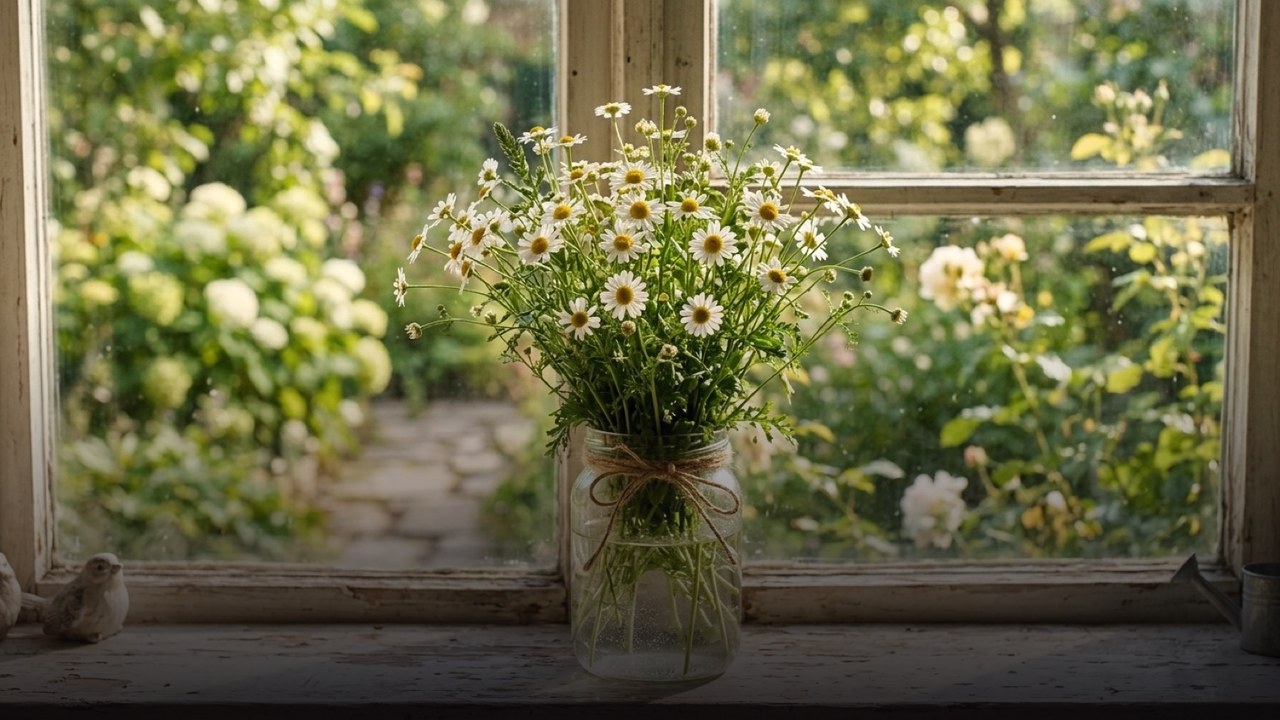
To remove lower foliage up to the vase rim, hold each stem beside the vase and take off the leaves that would sit inside it, especially any that would touch the water. Keep healthy leaves above the rim where they have space, and use clean scissors to snip awkward leaf stalks without tearing the main stem. The essential rule is that no leaves should remain submerged.
Customers at Pyat Tsvetov (5 Flowers) often ask how much greenery to take off before putting a bouquet in water. The instruction refers to leaves attached to the lower stems; it does not mean removing all the greenery that gives the bouquet its shape. In our Saint Petersburg shops, open since 2011, this is a practical preparation step: check the actual vase, clear the submerged stem sections, then preserve the upper foliage that sits comfortably outside it.
Use the vase rim as a guide and the waterline as the rule
The vase rim and the waterline are two different reference points. The rim shows where stems enter the container, while the waterline shows which parts will be submerged. Clearing foliage up to the rim is a useful shortcut, particularly with a narrow opening, but it is not a reason to fill the vase to the top. Choose the water depth to suit the flowers and keep leaves out of it.
Place the empty vase beside the bouquet before cutting anything. Hold one stem at the height you intend to arrange it, then note where the rim crosses it and where the water will reach. Remove leaves from the submerged section first, followed by any low leaves that would be crushed against the neck. Repeat this check for stems of different lengths rather than assuming one stripping height suits them all.
A wide bowl and a tall, narrow vase can require different preparation for the same flowers. In a wide opening, an upper leaf may spread freely above the water; in a narrow neck, that leaf may fold down into it. Our guide to choosing a vase shape for your bouquet explains how the container affects support and spacing.
Remove leaves cleanly without damaging the stem
Start with a clean vase, clean scissors or secateurs, and a clear work surface. Take off any packaging that prevents you from seeing the lower stems. If a hand-tied bouquet has a binding that holds its shape, inspect what you can reach before undoing it. Work on individual stems when access is difficult rather than pulling leaves through a tightly packed bunch.
Support the main stem with one hand and remove each unwanted leaf with the other. A leaf that detaches with a light sideways movement can be eased away; if it resists, snip its stalk close to the main stem without cutting into it. Avoid dragging a closed hand down a whole stem. That can tear the surface or snap a delicate stem at a joint.
Check the cleared sections for loose scraps, then trim the stem ends with a sharp, clean tool before arranging them in water. A clean cut matters more than forcing every stem into an identical angle. Keep fingers away from the cutting edge, and use secateurs if scissors crush a firm stem. Once the bouquet is arranged, look through the vase opening for any missed leaves.
Bouquets we can deliver




Why submerged foliage makes vase care harder
Leaves left in vase water begin to break down and add organic material to it. This encourages microbial growth and makes it harder to maintain clean conditions around the cut stems. Removing submerged foliage reduces that avoidable source of debris. It does not make the water permanently clean or remove the need to wash the vase.
Cloudy water, a stale smell or a slippery deposit on the stems are reasons to act promptly. Lift the flowers out, empty and wash the vase, and refill it with fresh water. Remove softened leaves and loose plant material before returning the bouquet. Where the stem ends have deteriorated, make a fresh cut with a clean tool.
Clear-looking water still needs attention because appearance alone does not tell you how clean it is. Check the level daily, change the water regularly, and follow any flower-food instructions supplied with the bouquet. Do not rely on adding more food to old water as a substitute for cleaning. For more detail, read why removing lower leaves matters for vase life.
Keep useful upper foliage and assess each flower separately
Healthy leaves above the rim can stay when they are neither crowded nor trailing into the water. They contribute to the arrangement's outline, and there is no need to strip a stem bare simply to make it look prepared. Remove damaged, yellowing or softened leaves wherever they occur. If foliage is packed tightly around the vase mouth, thin only enough to give the stems room.
For roses, check the lower compound leaves carefully: a small leaflet can remain submerged even after the larger leaves have been removed. Work around thorns slowly and avoid scraping the stem surface just to make it smooth. For tulips and other flowers with broad leaves, check whether a leaf is being forced down into the opening. Keep sound leaves that sit freely above the water.
Separate decorative greenery needs the same waterline check as flower stems. Clear leaves from the part of each greenery stem that enters the water, while keeping the leafy top above it. Naturally leafless stems need no foliage removal at all. In a mixed bouquet, inspect the individual stem types instead of applying the same amount of stripping to every flower.
Recheck the bouquet after arranging and during daily care
The first arrangement can change the position of leaves you thought were safely above the rim. A stem may slide deeper, lean sideways or pull a leaf into the neck as you turn the bouquet. After placing all the stems, inspect the waterline from several sides. Lift a problem stem out to adjust it rather than reaching down between crowded flowers with scissors.
Top up carefully so the rising water does not cover foliage that was previously dry. This matters in a broad vase where adding water can submerge leaves without an obvious change at the opening. If the flowers need a higher water level, remove the newly affected leaves first. With an opaque vase, lift the bouquet occasionally to check the sections you cannot see.
As stems are shortened during later care, leaves that once sat above the rim may move inside the vase. Check the fit again after each trim, and consider a shorter vase if the remaining stems no longer suit the original one. Remove fallen petals and leaves from the water as you notice them. Keep the arrangement away from direct sun and heating appliances to limit unnecessary drying.
Help a recipient in Russia put the bouquet straight into water
When sending flowers to someone else, a brief care note is more useful than a long list of instructions. A simple message can say: use a clean vase, trim the stems, and remove leaves below the waterline. A card with your text is free with our bouquets. Choose an arrangement from the bouquets catalogue, and keep the care advice separate from the personal sentiment if that reads more naturally.
We deliver flowers across Russia, with city delivery costing 500 RUB; the operator confirms the price for remote districts and suburbs when confirming the order. In large cities, express delivery is available in 1–2 hours after order confirmation. You can also choose an exact time with a tolerance of 30 minutes either way, a delivery window of 09–12, 12–15, 15–18 or 18–21, or pre-order 1–30 days ahead. Delivery in Saint Petersburg is available around the clock.
Choose a time when the recipient can receive the flowers and put them in water. The courier calls about 15 minutes before arrival, and delivery is anonymous by default: the courier does not name the sender. See delivery and payment for ordering information; online checkout uses CloudPayments, and you should check the payment options displayed there. For questions, call 8 (812) 507-67-05.
Frequently asked questions
Does removing foliage up to the vase rim mean removing every leaf?
No. Remove submerged leaves and any lower foliage crushed inside the vase neck; healthy leaves above the rim can remain when they have room.
Can a leaf stay inside the vase if it is above the water?
It can, provided it is not crushed and will stay dry when you top up the water. Remove it if the narrow opening pushes it down or makes its position difficult to check.
Should I pull leaves off or cut them?
Ease off leaves that detach with a light movement, supporting the stem as you work. Snip resistant leaf stalks with clean scissors rather than pulling hard enough to tear the main stem.
What should I do if leaves have already been sitting in the water?
Remove the submerged leaves, discard the old water and wash the vase. Check for softened plant material on the stems before putting the flowers back into fresh water.
Will removing lower leaves guarantee a longer-lasting bouquet?
It reduces decaying material in the water, but it cannot guarantee a particular vase life. Flower condition, clean water, suitable placement and ongoing care also affect how the bouquet lasts.
Ready to send a bouquet?
Pick a city, choose the flowers, and we will hand them over with a photo confirmation.
Choose a city →