
Flowers for Your Boss in Russia: Size, Type and Timing That Read as Professional
Every week someone calls us in a mild panic — they need flowers for a director, a department head, or a senior colleague, and they have about two hours to get it right. The anxiety is justified. In Russian workplace culture, a bouquet that is too casual reads as disrespect, and one that is too extravagant reads as flattery or, worse, as an attempt to buy favour. The gap between those two errors is narrower than most people expect, and it is almost entirely navigated through variety, stem count, and delivery timing rather than through ribbon colour or card wording.
Why Hierarchy Shapes Every Flower Decision Here
Russia has a strongly vertical workplace culture, and that verticality is not invisible — it is performed and acknowledged through small gestures including gifts. When you send flowers to a boss, colleagues will notice the bouquet, and the boss will notice whether you understood the register. A bunch of mixed wildflowers in a kraft wrapper is a perfectly good gift between equals; sent upward, it signals that you do not take the relationship seriously. Conversely, a hundred red roses delivered to someone's office looks like a scene from a soap opera and creates social awkwardness rather than goodwill. The practical consequence is that flower choices for superiors in Russia follow a fairly consistent logic: restrained palette, premium single variety or a very clean two-variety combination, odd stem count, and a size that is generous without being theatrical. None of this is written down anywhere, but florists who work with corporate clients see the pattern every day. Getting it wrong is not catastrophic — Russian bosses are not going to fire someone over a bouquet — but getting it right adds a layer of polish to the gesture that is genuinely noticed. If you are sending on behalf of a team, the stakes are slightly lower because the gift is collective, but the variety and quality rules still apply. If you are sending as an individual, especially as a junior employee, the restraint principle matters most.
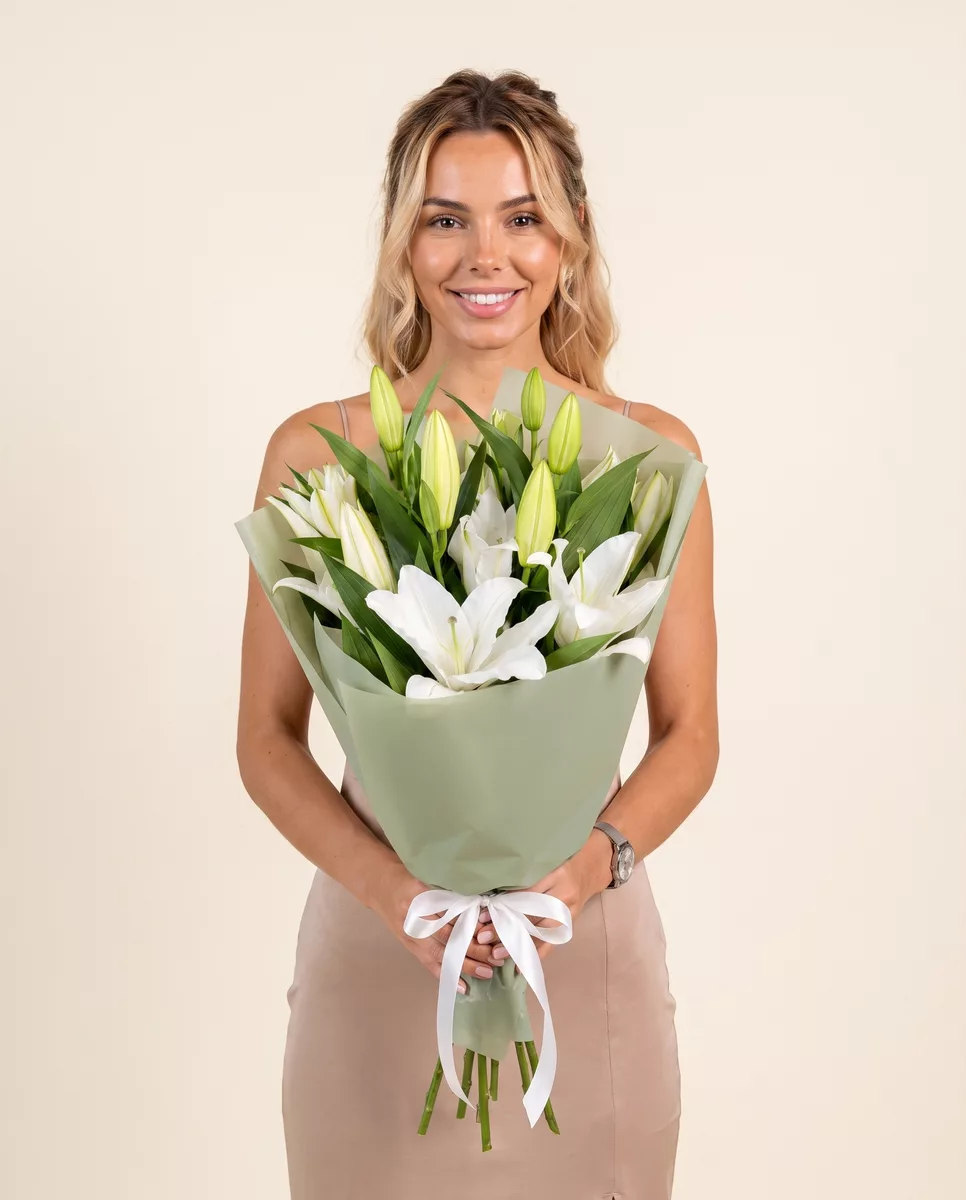
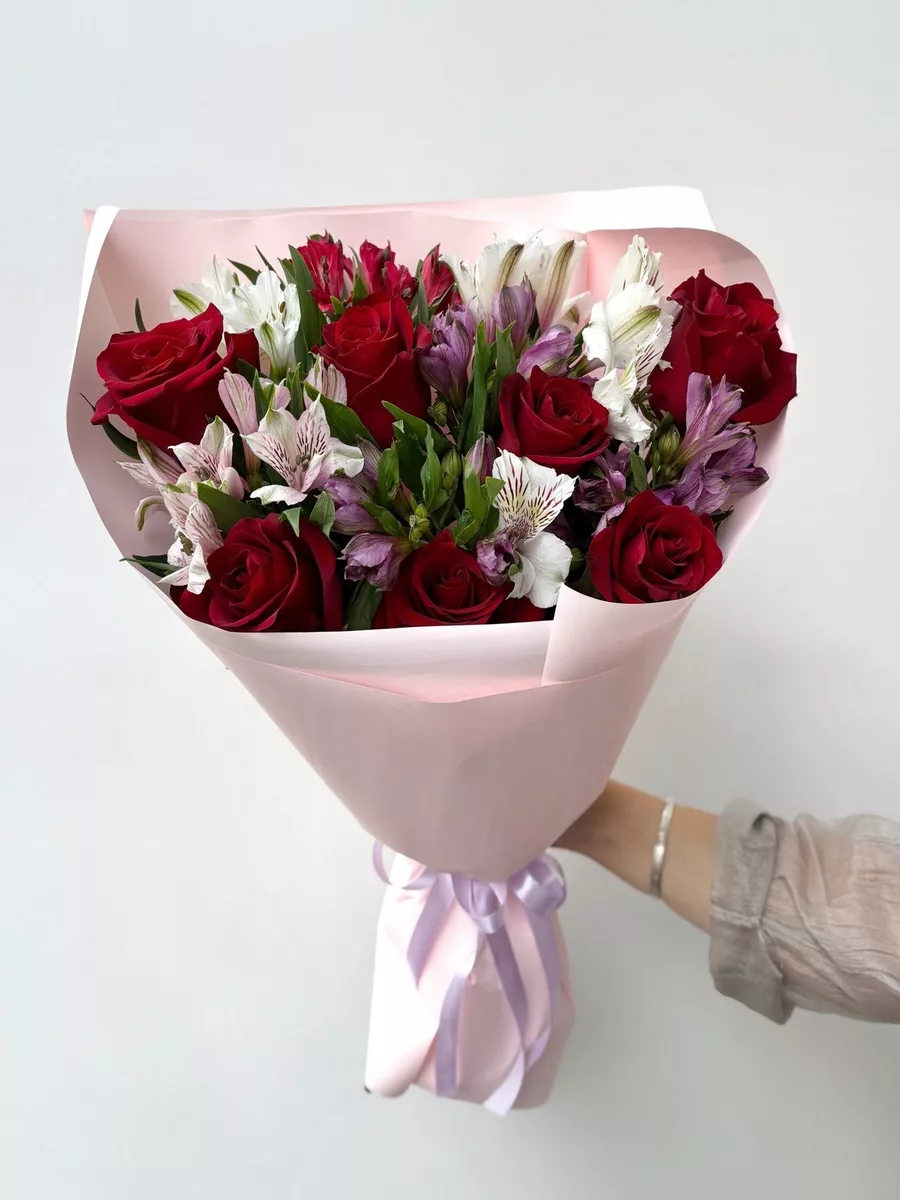
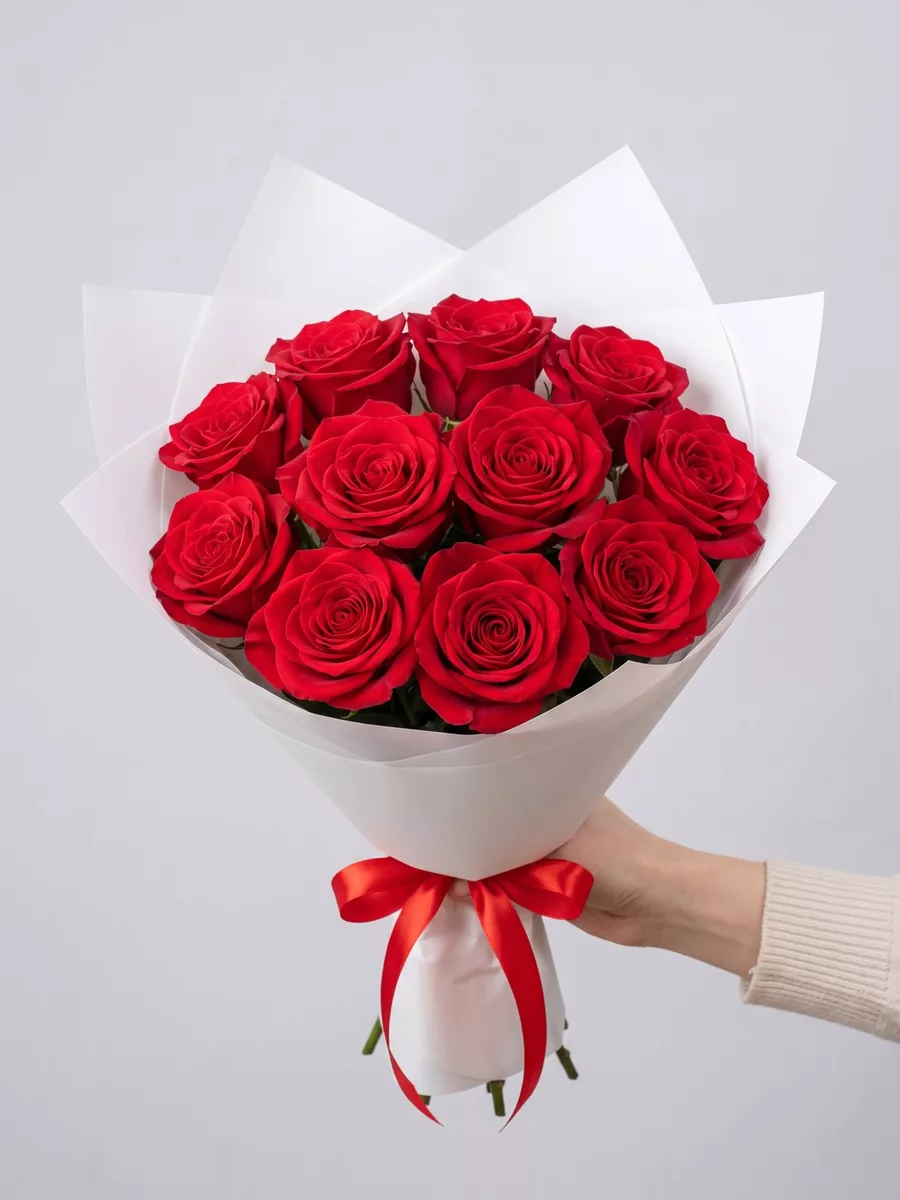
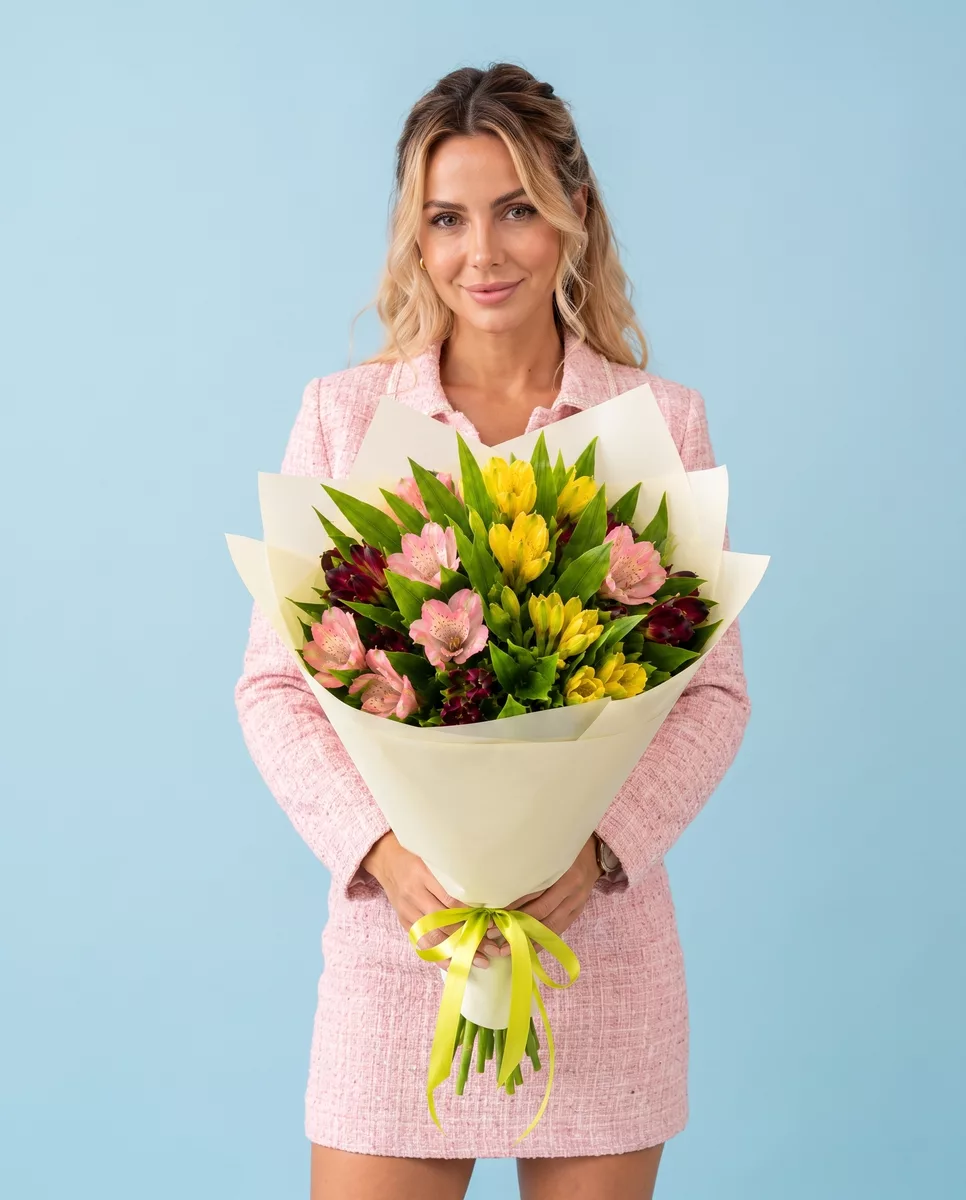
Bouquets we can deliver
Stem Count, Bouquet Size and What Numbers Mean
Odd numbers of stems are the standard for living recipients in Russia — this is one of the most consistent rules and the one most often violated by people ordering from outside the country. Even numbers are associated with funeral arrangements, so a bouquet of ten or twenty stems, however beautiful, carries an uncomfortable undertone that most Russian recipients will register even if they say nothing. For a boss, the practical range is eleven to twenty-five stems for a mid-sized bouquet, or a single large statement stem such as a king protea or a grand cactus dahlia presented alone or with minimal greenery. Nineteen or twenty-one stems of a single premium variety — white or cream peonies in season, large-headed garden roses, or ecuadorian roses in a deep but not garish colour — is a reliable choice that reads as considered rather than impulsive. Bouquet diameter matters too. A tight, round bouquet of fifteen large roses is a very different visual statement from a loose, sprawling garden arrangement of the same stem count. For office delivery, tight and structured travels better and photographs better if the recipient shares it, which they often do. Avoid very large cascading arrangements for office settings — they are difficult to transport home and can feel like a staging problem rather than a gift. If the boss works from home or you are delivering to a home address, a slightly looser structure is fine, but keep the palette contained to two or at most three colours.
Which Varieties Work and Which to Avoid
White and cream flowers are the safest palette for a superior in Russia — they read as respectful without being cold. Ecuadorian roses in white, ivory or a pale blush are available year-round, hold for seven to ten days with proper care, and are understood across all age groups as a premium choice. Large-headed garden roses such as David Austin varieties — Juliet, Keira, Patience — are excellent when in season and add texture without looking informal. White or cream peonies from May through July are arguably the single most appreciated flower for this context; they are seasonal, fragrant, and carry no ambiguous associations. Calla lilies in white or cream are another strong option, especially for a female boss in a formal industry — they are architectural, long-lasting, and visually serious. For a male boss, which is a question clients ask us often, the same white rose or calla lily logic applies; the idea that men cannot receive flowers is fading, but the palette should stay neutral and the arrangement compact rather than romantic. Flowers to avoid: red roses in large quantities carry a romantic association that is difficult to separate from the gift context, even when you intend it professionally. Yellow flowers are sometimes associated with separation or deceit in Russian folk tradition — the belief is not universal and younger recipients may not hold it, but it is safer to sidestep it entirely. Chrysanthemums in Russia are strongly associated with cemetery visits, so skip them regardless of what the variety looks like.
Timing the Delivery to the Russian Work Calendar
The three moments when flowers for a boss are most expected in Russia are: the boss's personal birthday, Women's Day on March 8th, and professional holidays relevant to their field — Teacher's Day on October 5th, Doctor's Day in June, and so on. Of these, March 8th is by far the most logistically demanding because demand across the entire country spikes simultaneously. If you are ordering for March 8th, place the order at least three to four days in advance; same-day ordering in that window is possible with us but the variety selection narrows significantly as stock moves fast. For a birthday delivery, same-day is usually fine if you order before noon for afternoon delivery. Aim for delivery between 10:00 and 12:00 for an office address — this catches the recipient before lunch, gives them time to deal with the flowers before the day gets busy, and means the bouquet is visible to colleagues during the working hours. Avoid delivery after 17:00 to an office because the recipient may have already left or be preparing to leave, and the flowers may sit at reception. For home delivery, the 18:00 to 20:00 window works well. One timing mistake we see regularly is ordering flowers for the day after a holiday — March 9th deliveries for Women's Day, for example. The gesture lands flat because the occasion has passed, and in a hierarchical context that reads as an afterthought rather than a plan.
What the Card Should and Should Not Say
Russian workplace culture is formal in written communication to superiors, and the card is no exception. Use the full name and patronymic of your boss if you know it — in Russia, addressing someone by first name and patronymic is the standard respectful form, and using only a first name in a written greeting to a senior person can read as overly familiar. A typical card for a boss reads something like: Uvazhaemaya Elena Mikhaylovna, pozdravlyaem Vas s prazdnikom — which translates as Dear Elena Mikhailovna, we congratulate you on the occasion. Notice the capital V in Vas, which is the formal second-person pronoun and is capitalised in writing as a mark of respect; this is a small but noticed detail. If you are writing in English because the boss is comfortable with it or works in an international environment, keep the same register: use their full name, keep the message brief and genuine, and avoid exclamation marks in excess. One sentence of congratulation and one sentence of professional good wishes is exactly the right length. Do not write anything that sounds like a performance review or a list of their qualities — that reads as sycophantic. Do not add jokes. If you are sending on behalf of a team, list the names clearly or write from the team collectively; anonymous flowers to a boss create confusion and mild unease rather than warmth. If you genuinely do not know the patronymic, a polite first-name address is better than leaving the card blank.
Ordering for Delivery to an Office: Practical Checks
Office delivery in Russia has a few friction points that are worth anticipating before you place the order. First, confirm whether the office building has a reception desk or a security checkpoint — many business centres in Russian cities require couriers to register at the entrance, which adds five to fifteen minutes to the delivery window. When you order, give us the floor and office number if you have them, and a contact phone number for the recipient or a colleague who can receive the flowers if the boss is in a meeting. Second, check whether the boss is actually going to be in the office on the delivery day. This sounds obvious but it is the most common reason a delivery has to be rerouted — someone orders flowers for a birthday without knowing the boss is travelling or working from home that day. A quick check with a colleague saves the situation. Third, consider the temperature route. Flowers delivered in Russian winter travel from a temperature-controlled van into a heated office, which is fine. In summer, if the office is not air-conditioned, a bouquet of peonies or garden roses will open faster than expected — factor that in if the recipient is going to carry the flowers home at the end of the day. We pack summer orders with appropriate conditioning, but the recipient should be told to put the stems in water as soon as they arrive at the office rather than leaving them on a desk for six hours.
Budget Range and What It Signals
We do not publish a fixed price list in this article because seasonal fluctuations are real — peonies in July cost differently from peonies in February, and Ecuadorian roses in the week before March 8th are priced differently from the same roses in October. What we can say is that the budget signal matters in Russian workplace gifting, and that going too low is a more serious error than going slightly over budget. A bouquet that is clearly inexpensive — thin stems, small heads, minimal volume — communicates that the sender did not invest thought or money, and in a hierarchical context that is read as a statement about how much you value the relationship. The sweet spot for an individual sending to a boss is a mid-to-premium range: enough to buy fifteen to nineteen stems of a genuinely good variety, properly conditioned and presented in a clean wrap or box. If you are collecting from a team, the per-person contribution can be modest while the result looks substantial, which is one reason team gifts are common for boss birthdays. A box presentation — flowers laid flat in a hatbox or a rigid gift box — tends to photograph better than a hand-tied bouquet and adds a layer of packaging quality that registers as premium even when the stem count is the same. If you are unsure what your budget buys in the current season, call us before ordering rather than after — we will tell you exactly what is available at your price point and what we would recommend for the context.
Sending flowers to a boss in Russia is not complicated once you understand that the gesture is being read on several levels simultaneously — by the boss, by colleagues, and by the occasion itself. The rules are consistent: odd stem count, restrained palette anchored in white or cream, a premium variety that holds well, delivery timed to the working day rather than the end of it, and a card that uses the full name with patronymic. These are not arbitrary customs; they reflect a workplace culture where form and respect are expressed through precision rather than exuberance. Get those details right and the bouquet does exactly what you need it to do — it marks the occasion, it reads as professional, and it is remembered as a considered gesture rather than a checkbox. We deliver bouquets across Russia in 1–2 hours.
Frequently asked questions
Is it appropriate to send flowers to a male boss in Russia?
Yes, and it is becoming more common, particularly for birthdays and professional holidays. Keep the bouquet compact, choose a neutral palette of white or cream, and avoid any variety or arrangement style that reads as romantic. A clean presentation of white calla lilies or a single premium rose variety works well for a male recipient in a formal workplace.
Can I send yellow flowers to a Russian boss?
It is safer to avoid yellow. The association between yellow flowers and separation or deceit is not universal among younger Russians, but it persists enough that the risk is not worth taking in a professional context where you want the gesture to land cleanly. White, cream, pale pink, or deep burgundy are all safer choices with no ambiguous undertones.
How far in advance should I order for March 8th delivery to an office?
Three to four days minimum. Demand across Russia peaks sharply in the days before March 8th, and premium varieties — peonies, large-headed roses, ranunculus — sell out well before the date. Same-day ordering is possible but the selection narrows significantly. Earlier orders also allow you to specify an exact delivery window rather than accepting whatever slot remains available.
What if I do not know my boss's patronymic for the card?
Use their first name with a respectful salutation — Uvazhaemyy or Uvazhaemaya followed by the first name is acceptable and does not cause offence. Leaving the card blank or addressed only to a job title is a worse option. If you have a colleague who knows the patronymic, a quick message to ask takes thirty seconds and is worth it.
Does the flower type change if the boss is significantly older or more senior?
Slightly. For a very senior or older recipient, lean toward classic and formal varieties — white roses, calla lilies, or peonies in season — rather than trend-driven choices like dried flowers or tropical varieties. The arrangement should be structured rather than loose. A larger stem count is appropriate when the seniority gap is significant, as it visually signals that the occasion was taken seriously.
Ready to send a bouquet?
Pick a city, choose the flowers, and we will hand them over with a photo confirmation.
Choose a city →