
Flower Delivery to Nevelsk from Abroad: Zones, Timing and Practical Details
Nevelsk sits on the southwestern coast of Sakhalin Island, and for anyone calling from Europe, North America or Asia trying to send flowers there, the first question is always the same: can you actually do it, and will the bouquet still look like a bouquet when it arrives? The answer is yes on both counts, but the logistics are specific enough that a few minutes of preparation before you place the order will save you a frustrated phone call later. This article covers what international senders consistently get wrong, what varieties survive the journey, and exactly what information you need to have ready.
Where Nevelsk Is and Why It Matters for Delivery
Nevelsk is a port city on Sakhalin Island in Russia's Far East, administratively part of Sakhalin Oblast. It is not a large city, and its island geography means that logistics work differently than they do for, say, a mainland Russian city of similar size. Sakhalin is connected to the rest of Russia by air and sea rather than road, which affects how flowers are sourced and how quickly a same-day order can be fulfilled. When you are ordering from abroad, you need to understand that the time zone is UTC+11, which is among the furthest ahead of any Russian region. If you are calling from London at 9 in the morning, it is already 7 in the evening in Nevelsk, and a same-day delivery window may have already closed. From New York the difference is even more dramatic. The practical consequence is that most international senders ordering for a specific date should place the order at least a day in advance, and ideally two days ahead for weekend or holiday dates. The island's climate is also relevant: Nevelsk has cold, snowy winters and cool, damp summers, which affects which flowers hold up during the last-mile delivery segment. A bouquet that would last an hour in a Moscow summer can struggle in Nevelsk's wind and coastal humidity if it is not properly wrapped. Knowing the season when you order helps the florist make better choices for the outer packaging and the water source in the arrangement.
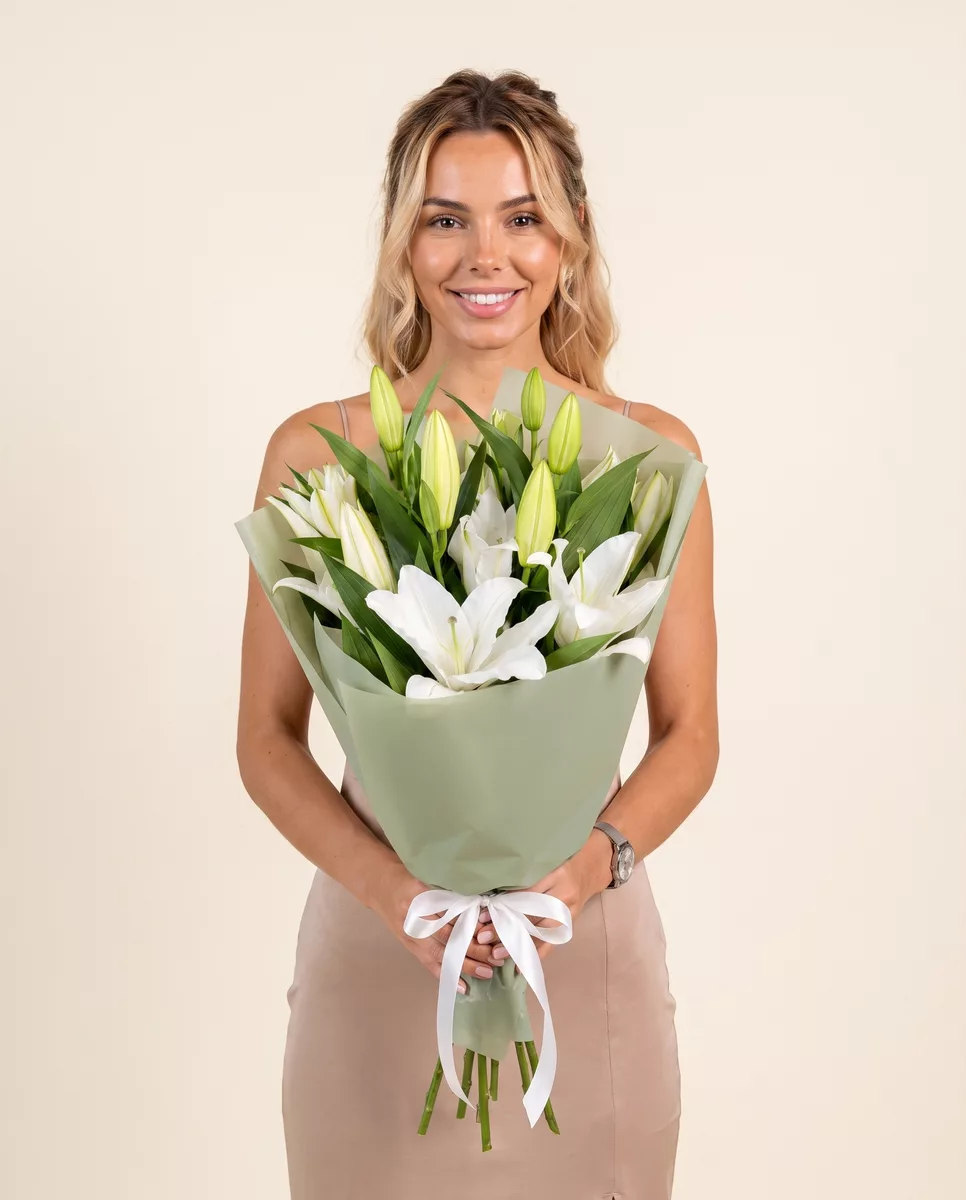
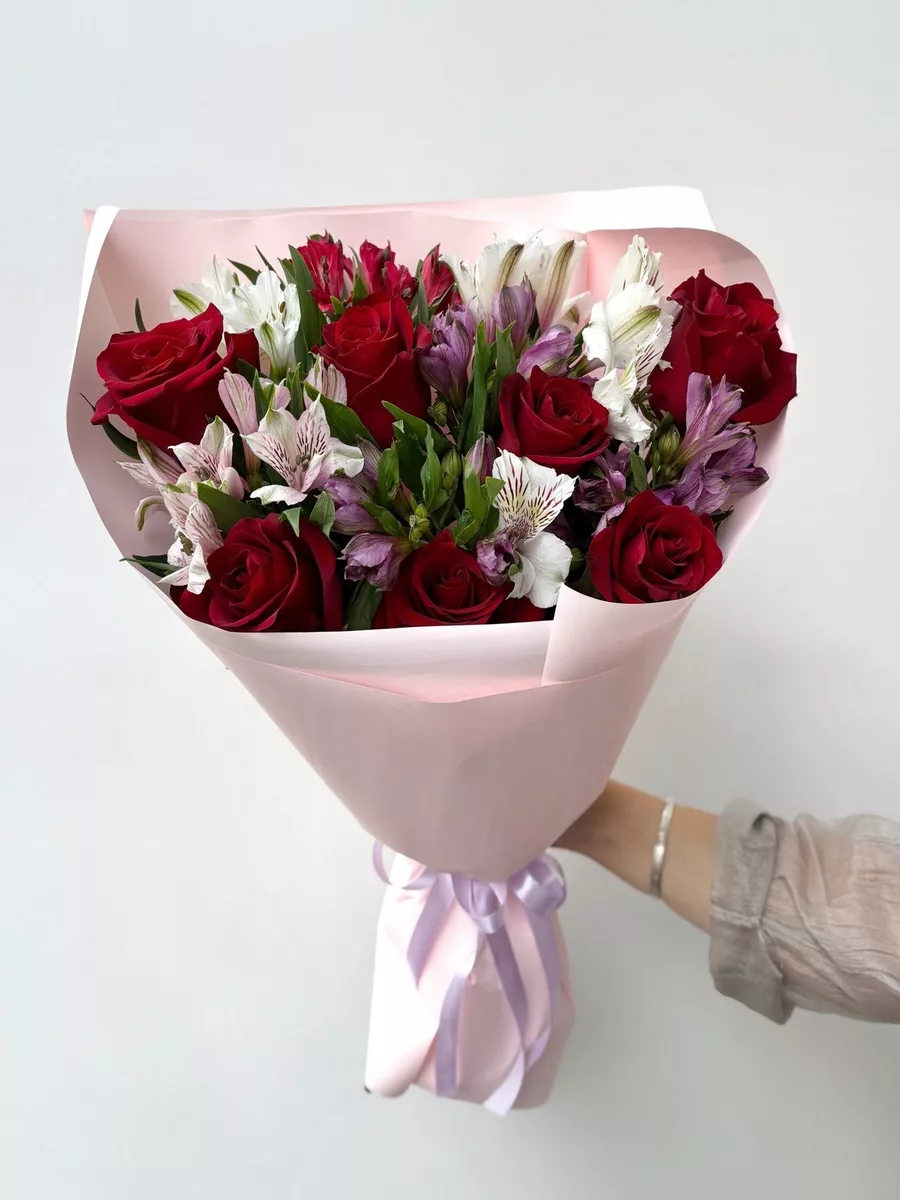
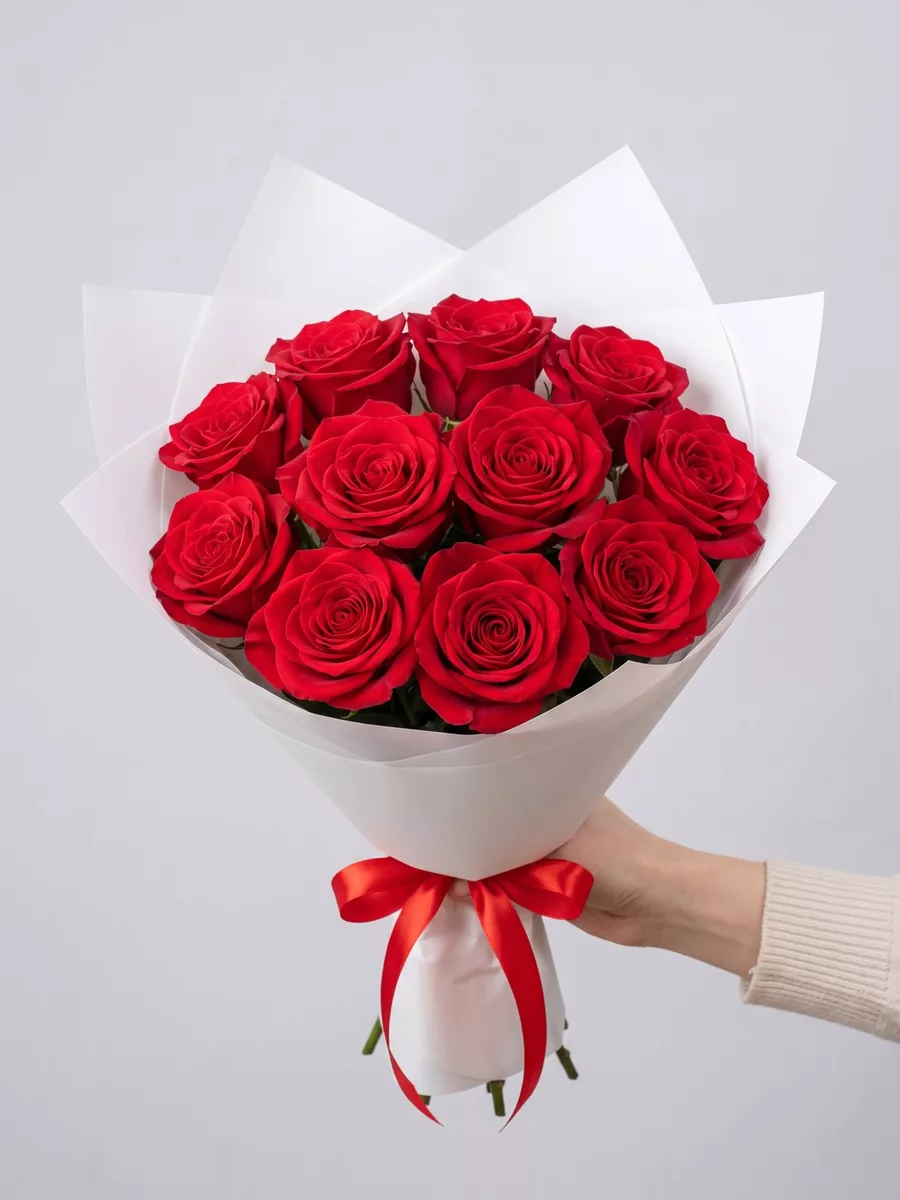
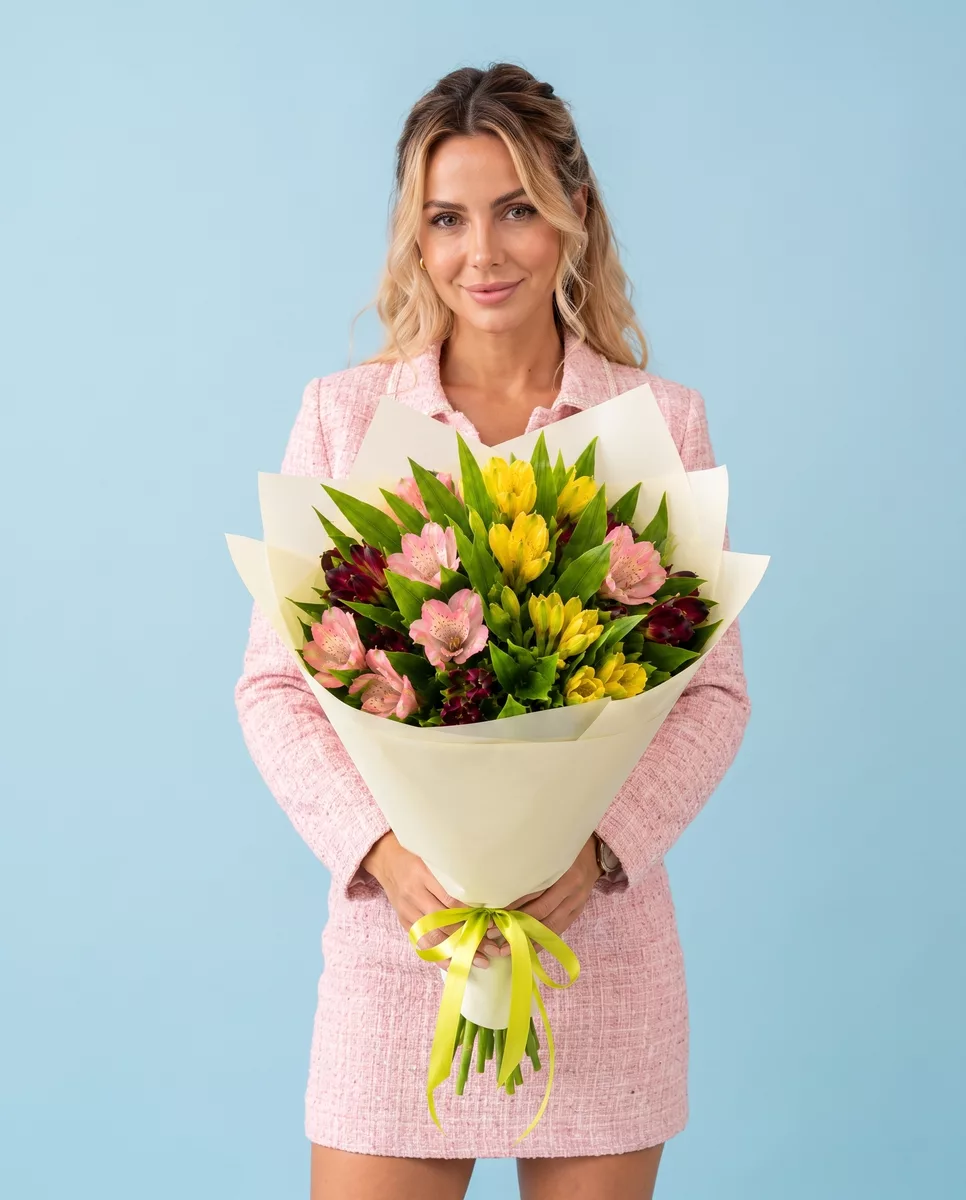
Bouquets we can deliver
Time Zones and the Ordering Window for International Senders
The single most common mistake international senders make is calculating delivery time from their own clock rather than Nevelsk's clock. Sakhalin Standard Time is UTC+11 with no daylight saving adjustment, so the gap between Nevelsk and most of Europe runs between 8 and 11 hours depending on the season and the specific country. Against the US East Coast the difference is 14 hours, and against the US West Coast it is 17 hours. This means that a sender in Berlin deciding to order flowers at 11 in the morning is looking at a 7 or 8 in the evening situation in Nevelsk, which is late but still workable for same-day delivery if the order is placed immediately and the recipient is reachable by phone. A sender in Los Angeles making the same decision at 11 in the morning is actually looking at the following morning in Nevelsk, which is better for logistics but means the flowers arrive a calendar day later than the sender imagines. The cleanest approach is to decide on the Nevelsk delivery date first, then count backward to figure out when you personally need to place the order. For birthdays and anniversaries, ordering two days before the Nevelsk date removes almost all time-zone risk. For spontaneous orders, call or message the shop directly to confirm whether the delivery window is still open before entering payment details. The shop's team can tell you immediately whether same-day fulfillment is possible given the current hour in Nevelsk, which saves everyone time.
Which Flowers Actually Arrive in Good Condition
Sakhalin's climate is maritime and often windy, and the final delivery leg in Nevelsk involves outdoor exposure that a florist in a warmer, calmer city does not have to think about as carefully. Roses are the most requested flower by international senders, and they work well provided the stems are fresh-cut and the bouquet is properly wrapped against wind chill in winter months. Varieties with dense, high-petal-count heads such as garden roses and spray roses hold their shape better during transport than open single-layer blooms. Chrysanthemums are an excellent choice for Nevelsk year-round: they are robust, they tolerate temperature fluctuation well, and they last significantly longer in the recipient's home than more delicate options. Alstroemeria is another reliable pick, especially for summer and autumn orders, because the stems are sturdy and the flowers do not bruise easily during handling. Eustoma, sometimes called lisianthus, is popular in Russia and holds up reasonably well, though it needs careful wrapping in cold weather because the petals are thin. Tulips are fine in spring but require attention to temperature: they continue to grow after cutting and can become floppy if the delivery environment is warm. Orchid stems in a water vial travel well and make a strong impression, but they are better suited to warmer months. In January and February, when Nevelsk temperatures regularly drop below freezing, the florist will use insulated wrapping and advise against any variety with particularly delicate or open petals. Letting the shop know the outdoor temperature forecast at the time of order helps them pack accordingly.
What Address Information You Actually Need
Incomplete address information is the second most common reason a delivery is delayed in Nevelsk, and it is almost always the sender's fault rather than the shop's. Russia uses a specific address format, and for a city like Nevelsk where building numbers can include corpus and apartment designations, missing one field can mean the courier arrives at the right street but cannot find the right entrance. The fields you need to have confirmed with your recipient before ordering are: the full street name in Russian or a reliable transliteration, the building number, the corpus number if there is one, the apartment or office number, and the floor. Nevelsk has residential buildings where the intercom code is also required, and if you do not have it, the courier will call the recipient directly, which removes the element of surprise from a surprise delivery. If you want the delivery to be a surprise, the better approach is to ask someone the recipient trusts to be present or to ensure the recipient's phone is on and they are home. For deliveries to a workplace, you need the organization's name and the recipient's full name as it appears in the office system, because security desks in Russian buildings often require this before allowing a courier through. If you are ordering from abroad and are unsure of any of these details, it is much better to call and discuss them with the shop than to leave a field blank or approximate it. A courier who cannot complete a delivery will attempt to reach the recipient by phone, but if that also fails, the bouquet comes back and re-delivery takes additional time.
Payment from Outside Russia: What Is Accepted
International payment is a practical question that comes up in almost every order from abroad, and the answer depends on which country the sender is ordering from and which cards they hold. The shop accepts international bank cards through its online checkout, and most Visa and Mastercard cards issued outside Russia process without difficulty. American Express acceptance can vary, so if that is your only card it is worth confirming before you spend time building the order. PayPal is not a standard option for Russian flower shops due to the way cross-border payment processing works in the current environment, so do not assume it will be available. If your card is declined, the most reliable fallback is to contact the shop directly by phone or messenger and ask about alternative payment arrangements, which sometimes include bank transfer. When you enter your billing address during checkout, use the address exactly as it appears on your card statement, including the country and postal code, because mismatches are the most common cause of card declines for international transactions. The currency on the website is Russian rubles, and your bank will apply its own exchange rate at the time of the transaction. Some banks add a foreign transaction fee on top of this, which is your bank's charge rather than the shop's. If you are ordering as a corporate gift from a company account, note that business cards sometimes have geographic restrictions that block transactions with Russian merchants, and your finance team may need to authorize an exception before the payment goes through. Confirming payment method availability before you are ready to submit the order avoids last-minute delays.
Card Messages and Russian Customs Around Flower Giving
Most international senders want to include a card message, and the shop can print one in Russian, English or both. If your recipient reads Russian and you want the message in Russian but you do not speak the language yourself, the shop's team can help with a straightforward translation of a short message. For a longer personal message, it is better to write it yourself in your language and have it printed as-is, because a florist is not a professional translator and nuance can be lost. One thing worth knowing for senders unfamiliar with Russian customs: flowers in Russia are traditionally given in odd numbers for celebratory occasions. Even numbers of flowers are associated with mourning, so a bouquet of twelve roses, while visually balanced, carries an unintended message. The shop's florists are aware of this and will automatically compose bouquets to an odd stem count unless you specifically request otherwise, but it is useful for you to know the reason so you do not accidentally override it when customizing your order. Another custom: it is common in Russia to remove the outer packaging before handing flowers to someone directly, but for a delivery situation where the courier brings the bouquet to the door, the wrapping stays on and the recipient removes it themselves. If you want the card to be attached inside the wrapping rather than visible on the outside, mention this when ordering, because some senders prefer the message to be discovered when the recipient opens the bouquet rather than read by anyone who happens to be nearby. Yellow flowers are sometimes avoided as a gift in Russia due to a folk association with separation, though this varies by generation and region, and in Sakhalin as elsewhere younger recipients are often indifferent to the tradition.
Checking Your Order Status from a Different Country
Once the order is placed and paid, international senders frequently want to know when the delivery actually happens, especially if the bouquet is a surprise and they cannot simply ask the recipient. The shop sends order confirmation to the email address provided at checkout, and this confirmation includes the order number you should keep accessible. Delivery status updates are sent by message to the phone number on the order, which for an international sender is typically your own number with the country code. Make sure the number is entered correctly with the plus sign and full country code, because this is the channel the courier uses if there is any question about the delivery address. If you want to check status proactively rather than waiting for a message, the easiest method is to contact the shop directly with your order number. Messaging apps are often more practical than a voice call for international senders because of time-zone differences: you can send a message at a convenient time for you and receive a reply when the shop's team is active. After a successful delivery, the shop can confirm completion, though photographic confirmation of the recipient holding the bouquet is not a standard service and should not be expected. If you are sending to someone who you know will be away from home during part of the delivery window, it is worth noting a preferred delivery time range in the order comments, because the shop will try to accommodate a window even if it cannot guarantee the exact minute. For Nevelsk specifically, noting morning delivery preference is often practical because the recipient is more likely to be home before work hours than during them.
Sending flowers to Nevelsk from outside Russia is entirely achievable when you approach it with the right information in hand. The time zone difference is the factor that catches most international senders off guard, and solving it is simply a matter of thinking in Nevelsk's clock from the start. Get the full delivery address confirmed with the recipient or someone they trust, choose varieties that are appropriate to the season and temperature, and place the order at least a day before the intended delivery date when you are working across a large time difference. The shop handles the rest, from composing the bouquet to navigating the last-mile delivery in a coastal city with specific weather conditions. When the details are right, the flowers arrive fresh and on time regardless of where in the world the sender is standing.
Frequently asked questions
Can I order same-day delivery to Nevelsk if I am calling from Europe?
It depends on the hour in Nevelsk at the moment you order, not the hour where you are. Nevelsk is UTC+11, so by the time most European senders start their day, the afternoon delivery window in Nevelsk may already be closing. Contact the shop directly with your order details and they will tell you immediately whether same-day fulfillment is still possible or whether next-day is the realistic option.
What flowers should I avoid sending to Nevelsk in winter?
In January and February, Nevelsk temperatures regularly fall below freezing and coastal wind accelerates heat loss from a bouquet. Avoid open, thin-petalled flowers such as anemones or fully open peonies for winter orders. Roses with tight buds, chrysanthemums and alstroemeria hold up much better. The shop will use insulated wrapping for cold-weather deliveries, but variety choice still matters significantly for the final result.
Do I need to write the delivery address in Russian?
Providing the address in Russian is ideal because it removes any ambiguity during delivery, but if you only have the address in transliteration or Latin characters, enter it as accurately as you can and note in the order comments that you are providing a transliteration. The shop's team will verify the address format before dispatch and contact you if any field is unclear or incomplete.
Why do Russian florists always use odd numbers of flowers?
In Russian tradition, even numbers of flowers are given at funerals and associated with mourning, while odd numbers are for celebrations, birthdays and expressions of affection. The shop composes all celebratory bouquets to an odd stem count automatically. If you are customizing a bouquet and specifying a quantity, stick to odd numbers: five, seven, nine, eleven, fifteen, and so on.
What happens if the recipient is not home when the courier arrives?
The courier will call the recipient's phone number from the delivery address. If there is no answer, they will attempt contact a second time before returning the bouquet. To avoid this, either ensure the recipient knows a delivery is coming without revealing the sender, or provide a trusted person at the address who can receive it. Noting a preferred delivery time window in the order comments also reduces the chance of a missed delivery.
Ready to send a bouquet?
Pick a city, choose the flowers, and we will hand them over with a photo confirmation.
Choose a city →