
Flower Delivery to Sysert from Abroad: Zones, Timing and What to Prepare
Every week someone calls or messages from Germany, Israel, Canada or the UAE wanting to send flowers to a relative in Sysert, and the first question is always the same: can you actually deliver there, and how fast? Sysert is a small town in Sverdlovsk Oblast, roughly 40 kilometres south of Yekaterinburg, and yes, we deliver there — but the logistics are different from sending to central Saint Petersburg, so the details below will save you a failed order and a disappointed recipient.
Where Sysert Is and Why It Matters for Your Order
Sysert sits in the Ural region, in the same time zone as Yekaterinburg — UTC+5, which is two hours ahead of Moscow and anywhere between three and eight hours ahead of Western Europe depending on the season. If you are ordering from New York, the gap is eight hours in winter and seven in summer. That gap is the single most common reason orders go wrong: a sender places an order at 9 pm their local time thinking the recipient will get flowers in the morning, but by that point it is already mid-afternoon in Sysert. Knowing the local time before you confirm delivery is not optional — it is the first thing to check. Sysert itself is a compact urban settlement with a population of around 25,000 people. It has residential streets, a central square, a hospital, and several schools, all of which are normal delivery addresses. The town is reachable by road from Yekaterinburg in under an hour under standard traffic conditions. Deliveries to addresses within Sysert proper are straightforward; addresses in surrounding villages or seasonal dacha plots outside the town boundary require you to confirm the exact postal code and whether someone will be present to receive the bouquet. Russian postal codes for this area start with 624022, though individual streets may vary, so always provide the full address including apartment number or office name when ordering.
Bouquets we can deliver
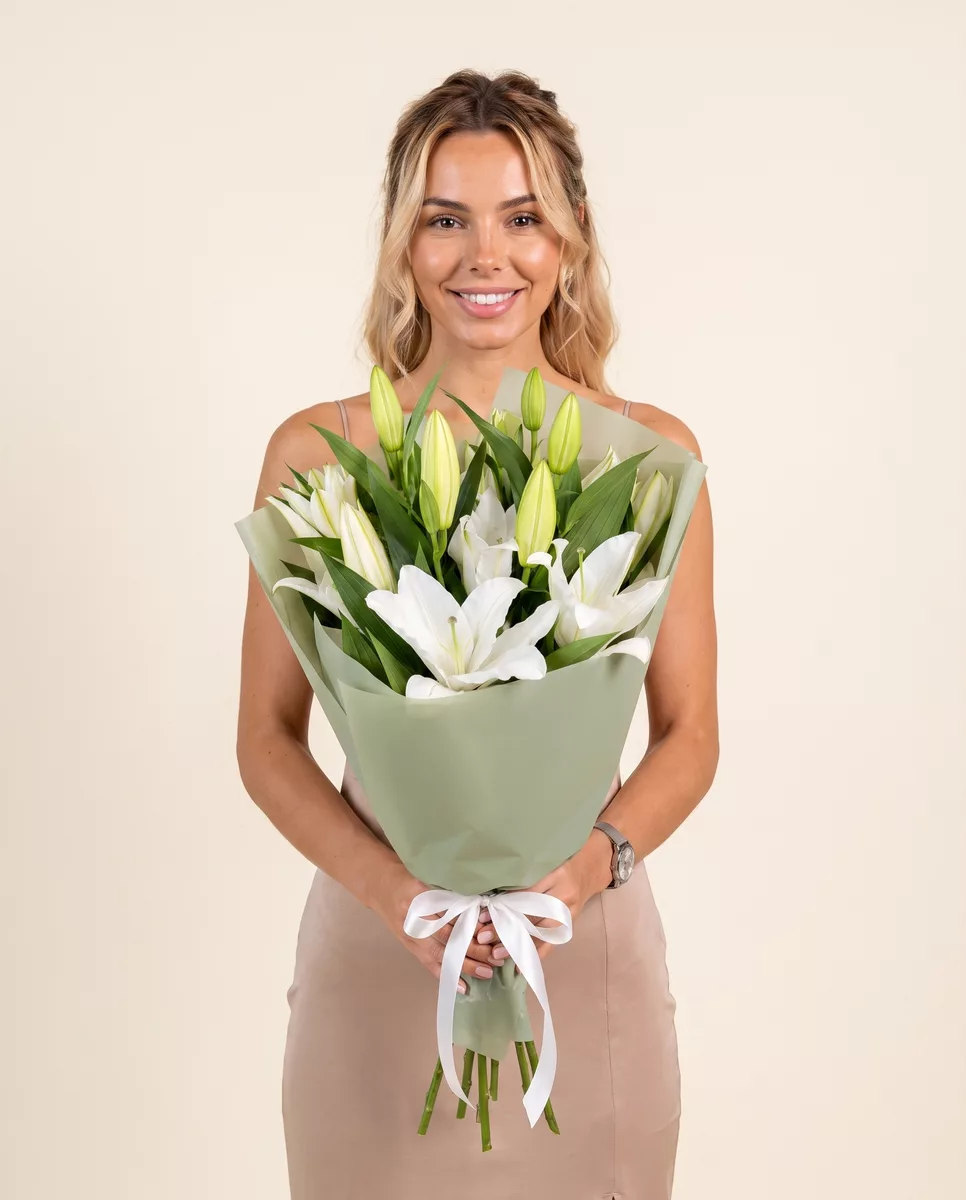
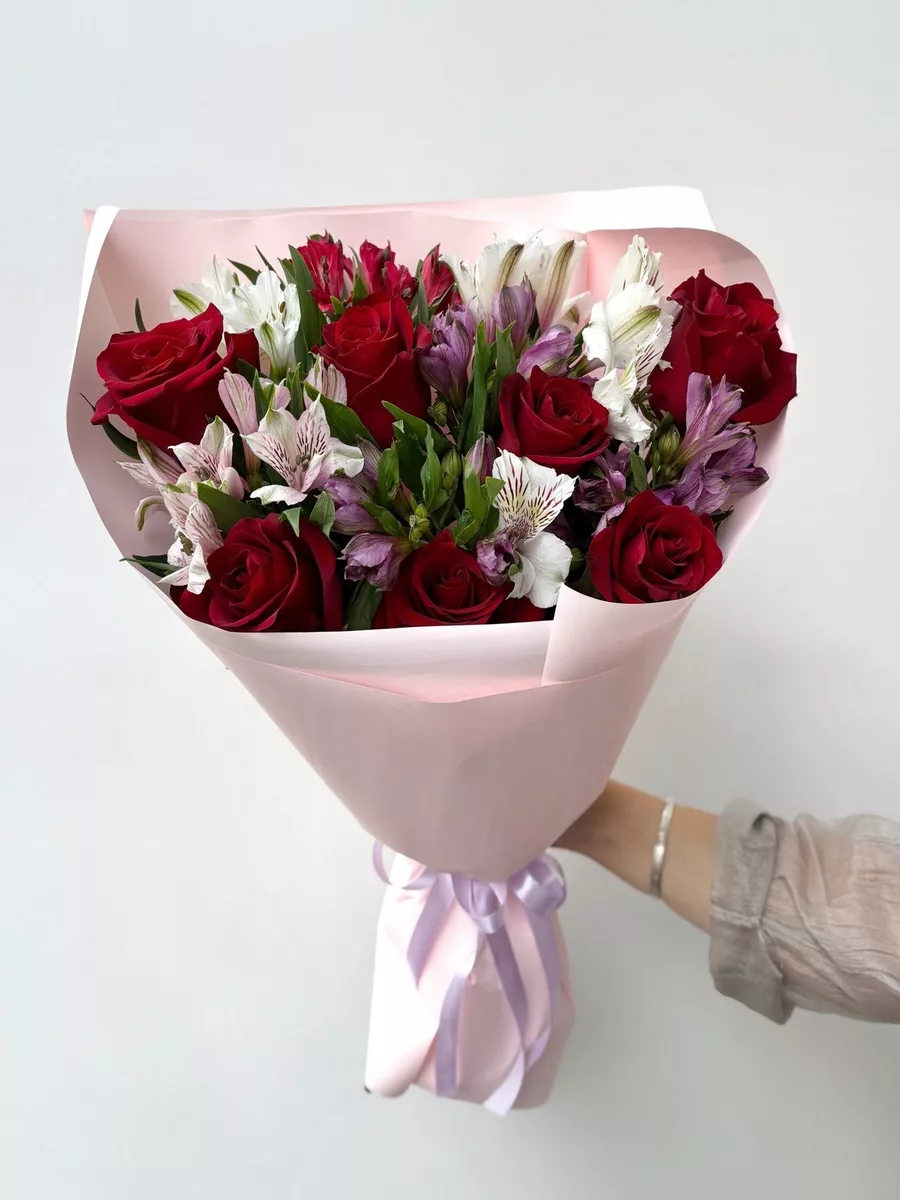
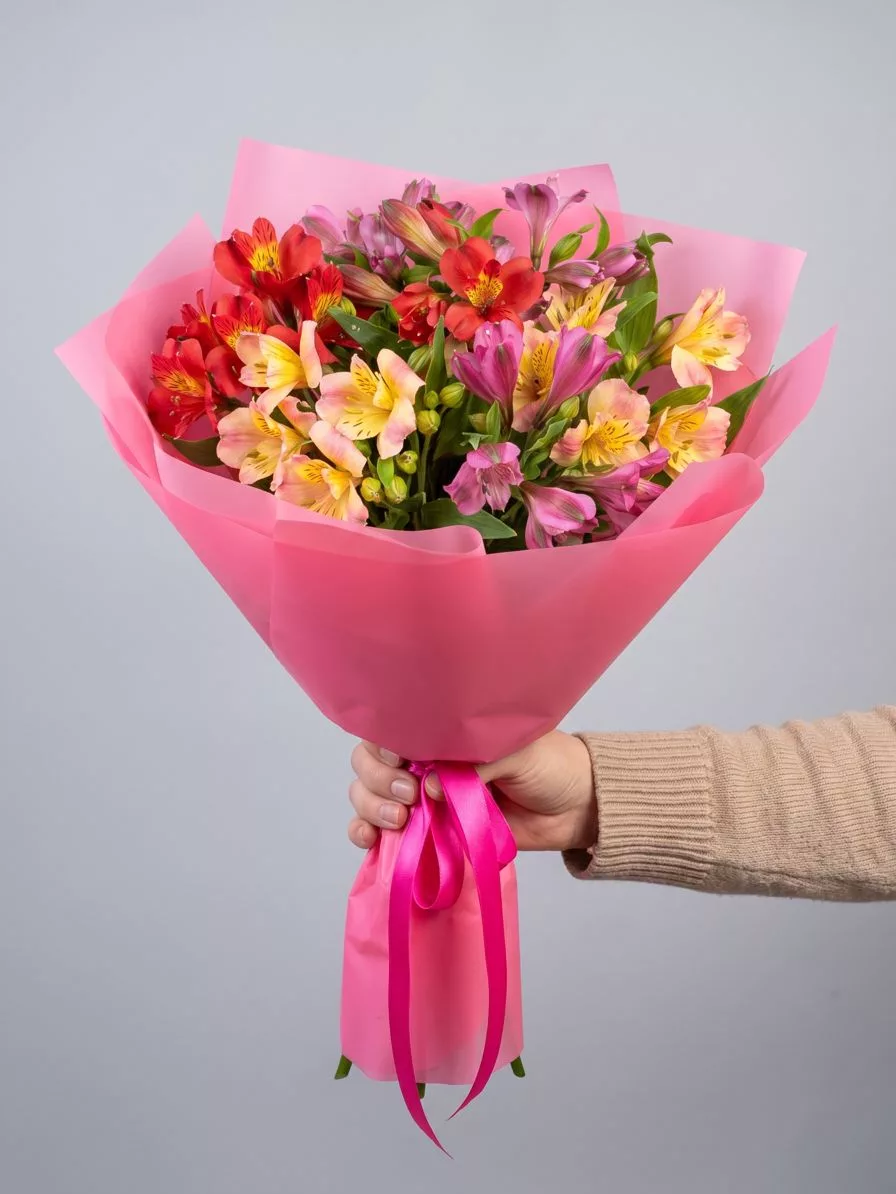
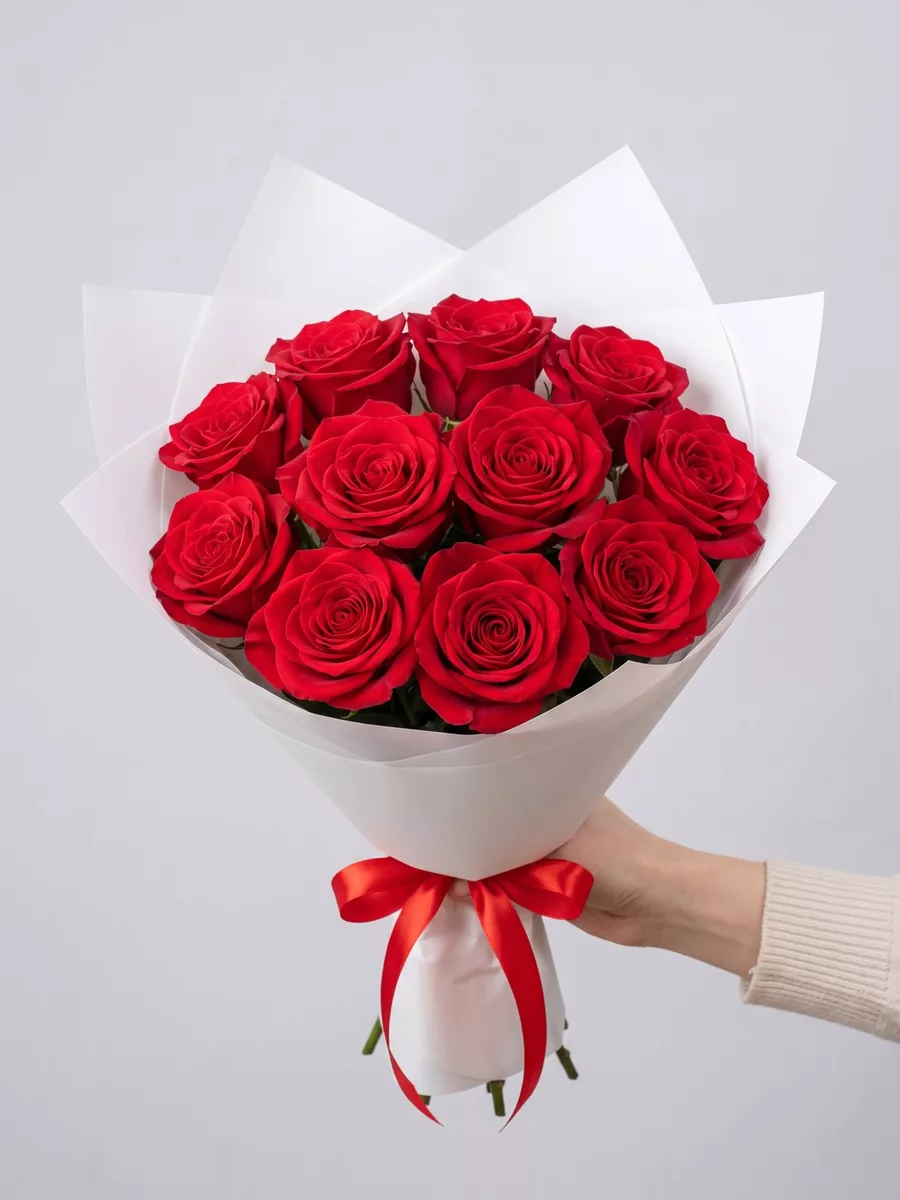
Time Windows and How to Book the Right Slot
Five Flowers operates on a same-day delivery model with a one-to-two-hour window from the moment the order is confirmed and paid. For Sysert specifically, given the road distance from our fulfilment point, the realistic window sits at the outer edge of that range, so plan for two hours rather than one. The shop accepts orders around the clock through the website, but assembly and dispatch happen during working hours in the Ural time zone. If you place an order at 11 pm Yekaterinburg time, the bouquet will be assembled and sent out first thing the following morning. That is not a flaw — it is how fresh flowers stay fresh. Trying to force a midnight delivery for a surprise is the most common mistake we see from international senders, and it usually ends with wilted stems or a missed recipient. The cleanest approach is to book a morning delivery for the next calendar day in Sysert, which gives you a comfortable margin regardless of where you are sitting in the world. When you fill in the order form, the time field refers to Yekaterinburg local time, not your local time. Write that down somewhere before you start. If the occasion is a birthday and the recipient leaves for work at 8 am, a 7:30 delivery slot makes sense — confirm that the recipient or another household member will be home, because we do not leave bouquets unattended outside a door in cold or hot weather.
Seasonal Varieties That Arrive in Good Condition
Sysert sits at a latitude where winters are genuinely cold — temperatures drop to minus 20 Celsius and below between December and February — and summers are warm but short. That temperature range affects which flowers survive the final leg of delivery without damage. In winter, roses are a reliable choice because they are transported in insulated packaging and tolerate brief cold exposure better than open-faced blooms. Dutch spray roses, garden roses, and standard long-stem roses all travel well. Chrysanthemums in winter are equally robust. Avoid ordering open hydrangeas for a January or February delivery to Sysert; the petals bruise in frost and the bloom arrives looking battered even when the stem is healthy. In spring, from late March through May, tulips become the dominant choice and are genuinely popular in Russia for the period around March 8th, International Women's Day, which is the single busiest flower date in the Russian calendar. Alstroemeria holds up well across all seasons because of its thick petals and long vase life. In summer, sunflowers, lisianthus, and peonies are all available and travel comfortably in the Ural summer heat when packed correctly. Autumn suits dahlias and solidago alongside standard roses and chrysanthemums. If you are ordering for a specific occasion and want something beyond a standard rose bouquet, mention the season explicitly when leaving a comment on the order — it helps us substitute intelligently if a variety is out of stock that day.
Russian Flower Customs an International Sender Should Know
Russia has a few flower conventions that differ from Western European or North American practice, and knowing them prevents awkward surprises. The most important one: always send an odd number of stems. Even numbers of flowers are associated with mourning in Russian culture and are placed at graves. If you order twelve roses, the florist will adjust to eleven or thirteen — do not be surprised if the count differs slightly from what you typed. This is not an error; it is standard practice. The second point is about colour. Red roses remain the most universally understood romantic gesture and are appropriate for partners and spouses. For a mother, grandmother, or female colleague, mixed pastel bouquets or white and pink combinations are more conventional. Yellow flowers sometimes raise eyebrows among older Russians, who associate yellow blooms with separation or bad luck, though this belief is less pronounced among younger generations in urban areas. If you are unsure, a mixed bouquet of white roses, alstroemeria, and greenery reads as warm and appropriate across all age groups and occasions. The third point is about the card. Russian recipients appreciate a handwritten-style message rather than a generic printed label. When you fill in the card text field on the order form, write something personal even if it is short. We print it exactly as you type it, so you can write in English — the recipient in Sysert will almost certainly be able to read it or have someone nearby who can.
Payment from Outside Russia: What Actually Works
This is the section most international senders skip until they hit a wall at checkout, so read it before you get there. Russian payment infrastructure changed significantly after 2022. Visa and Mastercard issued by foreign banks do not process through Russian merchant terminals. That means your UK, US, German, or Israeli card will be declined at the standard checkout. The methods that do work for international customers are PayPal where the shop has a connected account, bank transfer in euros or dollars to a designated account, and in some cases payment through intermediary services that your account manager can specify when you contact the shop directly. The cleanest path for a first-time international order is to message the shop via the website contact form or WhatsApp before placing the order, confirm the bouquet and delivery details, and then receive a payment link or invoice that matches your situation. This takes an extra fifteen minutes but eliminates the failed-payment problem entirely. When you contact us, have the recipient's full address, the preferred delivery time in Yekaterinburg time, and the card text ready. That way the order can be confirmed and moved to assembly without a second round of back-and-forth. Currency conversion is handled at the current exchange rate on the day of payment; you will see the rouble equivalent before you confirm.
What to Include in the Order to Avoid Delays
An incomplete address is the leading cause of delayed deliveries to smaller towns like Sysert. The Russian address format puts the country first, then the region, then the city or town, then the street, then the building number, then the apartment or office number. A correct example looks like this: Russia, Sverdlovsk Oblast, Sysert, Ulitsa Lenina 12, Apartment 4. If you leave out the apartment number for a multi-storey building, the courier cannot complete the delivery. If the recipient lives in a private house without an apartment number, note that explicitly — write dom without apartment. The recipient's phone number is mandatory and should be a current Russian mobile number beginning with +7. If you do not have the recipient's number, ask them for it before ordering — we call ahead to confirm someone is home, especially for addresses where access requires a door code or a gate intercom. If there is a door code or intercom number, include it in the comment field. The comment field is also where you note any access restrictions: for example, if the building has a security desk that needs to be informed, or if the recipient works a shift and is only home after a certain hour. Finally, double-check the spelling of the street name. Russian street names transliterated into Latin letters sometimes have multiple valid spellings, and an ambiguous address adds time to the delivery. When in doubt, paste the address from a Google Maps result in Russian Cyrillic — we read both.
What Happens After You Place the Order
Once the order is confirmed and payment is received, you get a confirmation message with the order number and the estimated delivery window. From that point, the bouquet is assembled to order — not taken from a display case — using stems that arrived at the shop that same morning or the previous evening from our suppliers. Assembly for a standard bouquet of fifteen to twenty stems takes about twenty minutes. Packaging for cold-weather delivery includes a thermal sleeve and water-retaining foam at the stem base; for summer orders the packaging is lighter but the stems are still conditioned with fresh water before wrapping. The courier departs with a delivery window and calls the recipient approximately fifteen to twenty minutes before arrival. If the recipient does not answer the phone, the courier makes a second attempt and then contacts you as the sender if we have your number on file — which is another reason to include your own contact details in the order, not just the recipient's. After delivery, you receive a completion notification. If for any reason the delivery cannot be completed — the address is inaccessible, the recipient is unreachable, the building is locked — we contact you immediately to agree on a solution, whether that is a rescheduled delivery or a different address. We do not leave perishable flowers in an outdoor location and consider the order failed. A replacement delivery in that case is arranged at cost, so it is worth spending two minutes confirming the recipient will be available before you finalise the order.
Sending flowers from abroad to Sysert is entirely doable, and people do it every week for birthdays, anniversaries, March 8th, and just because they miss someone. The practical checklist is short: know the Yekaterinburg time zone before you pick a delivery slot, have the full address with apartment number and a Russian mobile number ready, choose varieties suited to the season, send an odd number of stems, and sort out payment before you reach checkout. Everything else — assembly, packaging, the call ahead, the card — happens on our end. The distance between you and Sysert is irrelevant to the quality of the bouquet; the flowers are fresh regardless of where the person ordering them is sitting. We deliver bouquets across Russia in 1–2 hours.
Frequently asked questions
Does the UTC+5 time zone in Sysert affect when I need to place my order from Western Europe?
Yes, and it catches most international senders off guard. If you are in Germany or France, Sysert is already four to five hours ahead, so a morning delivery there requires your order confirmed and paid the evening before your local time. Factor in the two-hour assembly and road window from our fulfilment point to Sysert on top of that.
Which specific varieties hold up best on the road leg from Yekaterinburg to Sysert in January or February?
Roses and chrysanthemums are the safest choices in deep winter. Both travel in insulated packaging and tolerate brief cold exposure without petal damage. Gerberas and tropical stems like strelitzia are more vulnerable to frost shock on that 40-kilometre stretch and are better ordered between May and September when road temperatures stay above zero.
What bouquet sizes and price points actually work for delivery to a small town like Sysert?
The most ordered formats for Sysert recipients run from 11-stem rose bouquets starting around 3,500 roubles up to mixed arrangements of 25 stems in the 7,000 to 9,000 rouble range. Very large ceremonial bouquets of 51 or 101 stems are available but require 24-hour advance notice given the assembly time and the road distance involved.
Why does the odd-number rule matter specifically when ordering from abroad for a Russian recipient in Sysert?
Even number bouquets are associated with funerals in Russian tradition, and a recipient in a small close-knit town like Sysert will notice immediately. Senders from Germany, Israel or North America often default to round numbers like 10 or 20 stems. Always confirm the stem count before checkout — our site defaults to odd numbers, but custom requests sometimes introduce errors.
Can I specify a delivery window in Sysert to match a birthday dinner or a specific event time?
You can request a target delivery window when placing the order, and we work to meet it, but Sysert deliveries should be booked with at least a two-hour buffer before the event. Road conditions between Yekaterinburg and Sysert in winter can add time unpredictably. For a 7 pm dinner, confirm your order no later than 3 pm Yekaterinburg time to be safe.
Ready to send a bouquet?
Pick a city, choose the flowers, and we will hand them over with a photo confirmation.
Choose a city →