
Flower Delivery to Zapolyarny from Abroad: What Senders Need to Know
Zapolyarny sits above the Arctic Circle in Murmansk Oblast, and most people ordering flowers from Germany, Finland, Israel or the United States have no idea what that actually means for a bouquet. The town is small, the climate is extreme, and the logistics chain from a Saint Petersburg flower warehouse to a recipient's door in the far north is longer than most international senders imagine. We handle these orders regularly, and the questions are almost always the same: will the flowers survive, how long does it take, and what do I write on the card. This article answers all of that with the specifics you need before you place an order.
Where Zapolyarny Is and Why It Changes Everything About Flower Delivery
Zapolyarny is a mining town of roughly 15,000 people located approximately 200 kilometres north of Murmansk city, which is itself already the world's largest city above the Arctic Circle. The town sits at around 69 degrees north latitude, which means polar night from late November through mid-January and midnight sun from late May through mid-July. Neither extreme is friendly to cut flowers. In polar night the temperatures regularly drop to minus 25 or minus 30 degrees Celsius, and even a short exposure during transfer from a vehicle to a building entrance can damage petals and stems. In summer the continuous daylight accelerates wilting, so a bouquet left in a warm hallway for two hours opens and fades faster than it would in a temperate climate. Senders outside Russia often picture a regular city delivery when they order, but Zapolyarny requires the same planning discipline as sending flowers to a remote mountain address. The road infrastructure connecting Zapolyarny to the rest of the country runs through Nikel and then south toward Murmansk, and this geography sets the minimum transit time regardless of how quickly we prepare the bouquet in Saint Petersburg. Understanding the geography is not optional background information — it is the first thing that determines whether your order arrives in good condition or not.
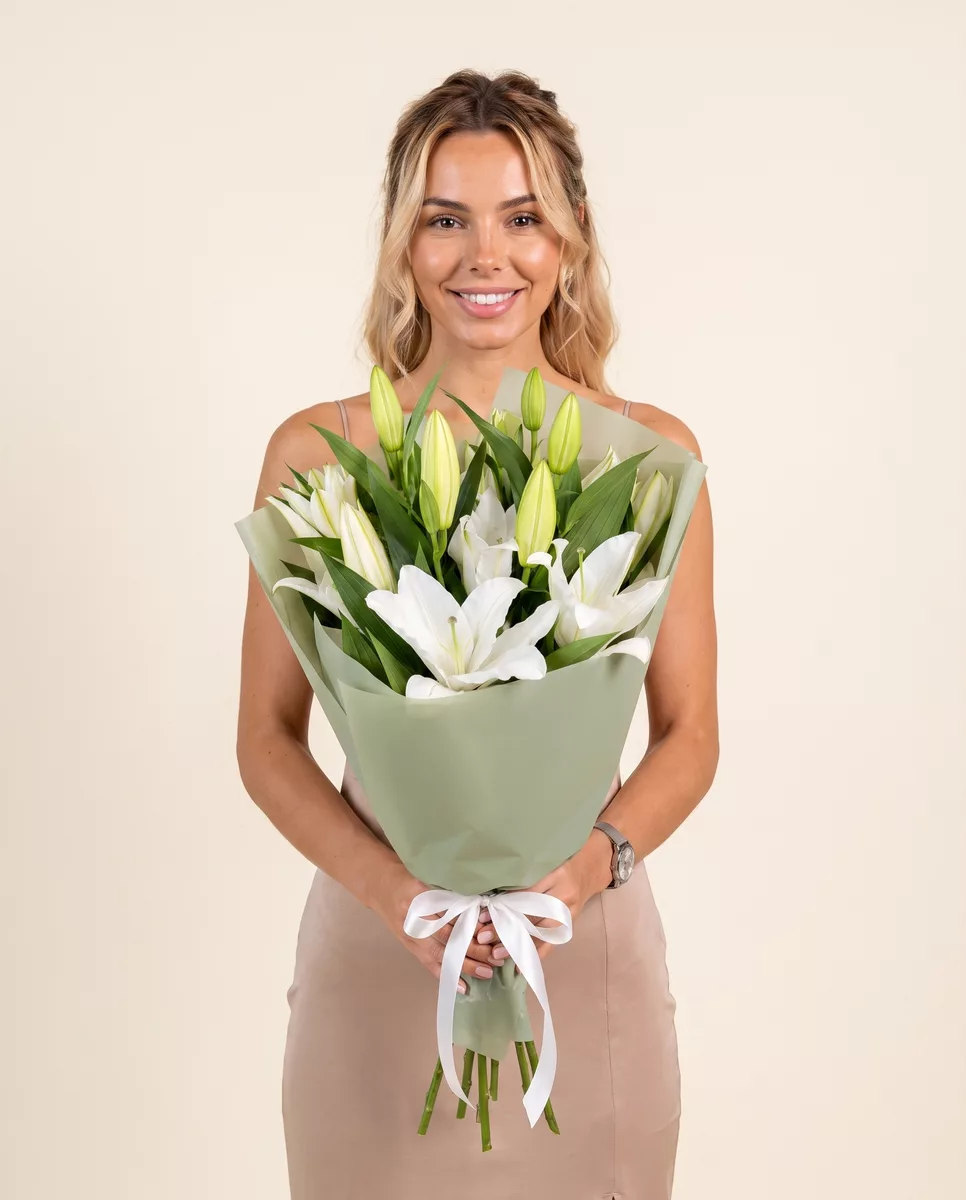
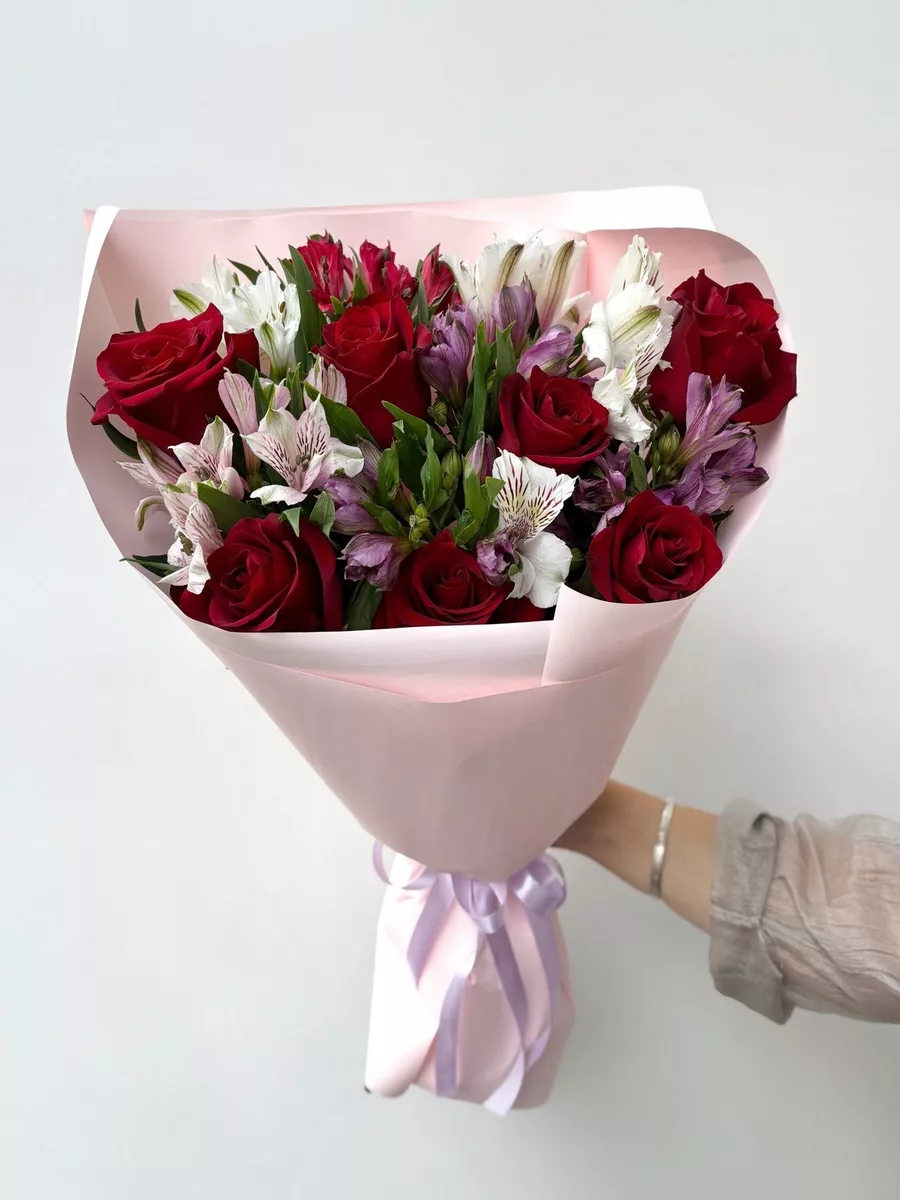
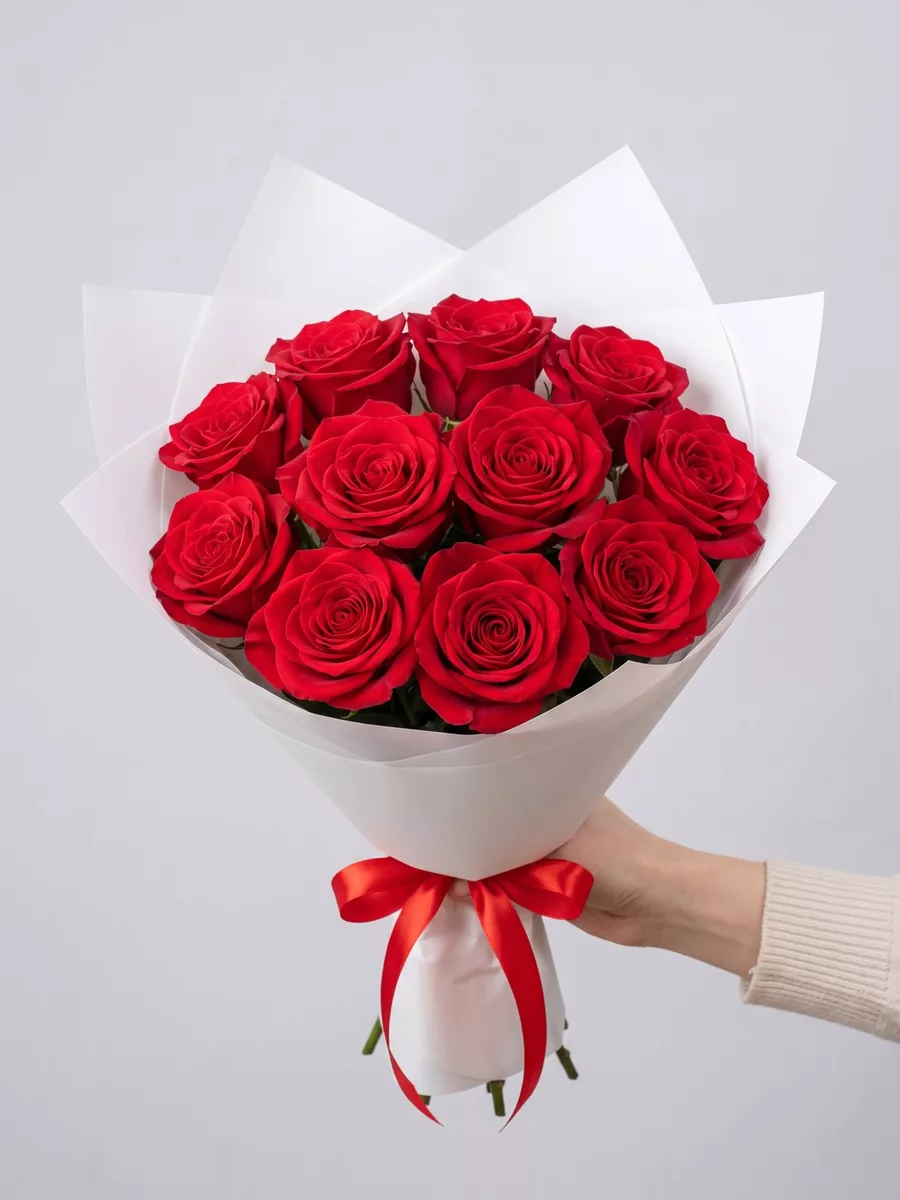
Bouquets we can deliver

Transit Time from Saint Petersburg to Zapolyarny: Realistic Numbers
We are transparent about this because mismatched expectations cause more complaints than any other single factor. Saint Petersburg to Zapolyarny is not a same-day delivery in the way that Saint Petersburg to Moscow can be. The distance by road is over 1,400 kilometres, and the northern section of that route through Murmansk Oblast has seasonal road conditions that affect scheduling. For most orders placed by international senders, the realistic delivery window is 24 to 48 hours from the moment the order is confirmed and payment is processed. Orders placed before noon Saint Petersburg time on a weekday have the strongest chance of reaching the recipient the following day. Orders placed late in the evening or on weekends shift into the next available dispatch window. Senders in time zones far from Russia, such as the United States West Coast or Australia, frequently place orders at what feels like a reasonable local hour but which lands in Saint Petersburg at 3 or 4 in the morning, meaning the order does not enter the preparation queue until the following working morning. The practical advice is to calculate Saint Petersburg time before placing the order, add the transit time, and confirm that the recipient will actually be at the delivery address during that window. Zapolyarny residents often work shift schedules in the mining and metallurgical industries, so checking recipient availability is more important here than in a typical urban delivery. We always recommend specifying a preferred delivery time range rather than just a date.
Which Flower Varieties Survive the Arctic Route in Good Condition
Not every flower in our warehouse is suitable for a long northern transit, and choosing the right varieties is the single most effective thing a sender can do to ensure a beautiful arrival. Chrysanthemums are the most reliable choice for Zapolyarny deliveries: spray chrysanthemums and single-headed varieties both have dense petals that tolerate cold, resist mechanical pressure during transport, and hold their shape for 10 to 14 days after cutting under normal indoor conditions. Alstroemeria is our second recommendation — the buds travel closed and open gradually after delivery, which means the recipient gets a bouquet that improves over several days rather than one that peaks in transit. Standard roses travel well if the stems are properly conditioned and the bouquet is wrapped in thermal insulation for the cold section of the route, but garden roses with many petals are more fragile and we do not recommend them for this destination in winter. Carnations are underrated for northern deliveries: they are structurally tough, last exceptionally long in cold indoor air, and come in a full range of colours. Gerberas and tulips are the varieties we most often discourage for Zapolyarny in winter — gerbera stems bruise easily in transit and tulips are highly sensitive to temperature fluctuation. Orchid sprays, particularly Dendrobium, are a good premium option because the flowers are individually small and the spray structure distributes any impact across many points rather than concentrating it on a single large bloom. When in doubt, ask us to build around chrysanthemums and alstroemeria with accent greenery.
How to Place an Order from Outside Russia Without a Russian Phone Number
This is the question we get from almost every international sender, and the short answer is that you do not need a Russian phone number or a Russian bank card to place an order with us. Our website accepts international payment cards and we communicate with senders in English. What you do need to provide accurately is the recipient's Russian mobile number, because our courier will call ahead before arriving, and in Zapolyarny — where apartment buildings often have locked entrance doors requiring an intercom code — that call is not optional. If you do not have the recipient's mobile number, ask for it before placing the order: telling us to just ring the doorbell is not a workable instruction for this address type. The delivery address should include the street name in Russian if possible, the building number, the apartment number, and the entrance number if the building has more than one stairwell entrance. Russian apartment buildings frequently have four to eight separate entrances and a courier arriving at the wrong one loses significant time. If you are not sure how to write the address in Russian, write it in Latin characters and we will transliterate it, but Russian is always more reliable. The card message can be written in any language — English, Hebrew, German, Finnish — and we will print it exactly as you write it. We do not translate messages unless you ask us to, so if your recipient reads only Russian, write the message in Russian or ask us to translate before confirming the order.
Winter Delivery Conditions: Cold Chain and Packaging for Minus 25
Winter in Zapolyarny is not a season to underestimate when sending flowers. From October through April the outdoor temperature is reliably below zero, and from December through February it regularly reaches minus 20 to minus 30 Celsius. Flowers exposed to those temperatures for more than a few minutes suffer cell damage that shows up as blackened petal edges, collapsed stems, and accelerated wilting after the bouquet warms indoors. Our packaging for northern winter deliveries uses insulated kraft sleeves with a foam inner layer, and the bouquet is sealed against air exchange during the cold transfer moments — getting from the vehicle into the building, for example. This is not decorative packaging; it is functional cold protection. Senders sometimes ask whether they should warn the recipient to bring the flowers inside quickly. Yes, always. The recipient should be told in advance that a flower delivery is coming so they do not leave the bouquet in a cold hallway or on a doorstep while they are at work. A bouquet left at minus 25 for 30 minutes is not recoverable. We also adjust the water content in the stem wrapping for winter transit: stems that are too wet freeze, so we use a controlled moisture method that keeps stems hydrated without creating ice risk. Summer deliveries to Zapolyarny during the midnight sun period face the opposite problem — heat and continuous light — and we adjust toward tighter bud selection and faster dispatch scheduling for June and July orders.
Russian Flower Customs That International Senders Often Get Wrong
Russia has a few flower customs that differ enough from Western European or North American norms to cause accidental awkwardness, and it is worth knowing them before you compose your order. The most important one is the odd-number rule: bouquets given as gifts should contain an odd number of stems — 3, 5, 7, 11, 15, and so on. Even numbers of flowers are traditionally associated with funerals and mourning, and while younger Russians in large cities are increasingly relaxed about this, in a smaller town like Zapolyarny the convention is still widely observed and an even-numbered bouquet can genuinely confuse or upset the recipient. We automatically compose gift bouquets in odd numbers, but if you specify a quantity when ordering, make sure it is odd. The second custom worth knowing is that yellow flowers carry a mixed reputation in Russian popular culture — they are associated in some regions with separation or bad luck in relationships. This is not universal and many Russians do not hold this belief, but if you are sending to someone you do not know well, avoiding an all-yellow bouquet is a safe choice. Red roses are understood everywhere in Russia as a romantic gesture, so if you are sending to a colleague or a relative rather than a romantic partner, mixing red with white or pink avoids any unintended message. Finally, it is perfectly normal and appreciated in Russia to send flowers to men, particularly for professional achievements, anniversaries or birthdays — a common choice is a structured bouquet of chrysanthemums or a single-variety arrangement rather than a mixed romantic style.
What to Check Before Confirming Your Order to Zapolyarny
A checklist approach saves most of the problems we see with international orders to remote northern addresses. First, confirm the recipient's current address — people in Zapolyarny sometimes work rotation schedules and may be at a shift accommodation rather than their permanent home address. Second, verify the recipient's mobile number by sending them a message yourself before giving it to us: a single transposed digit means the courier cannot reach them and the delivery fails. Third, calculate the delivery date accounting for Saint Petersburg time, not your local time, and make sure the recipient will be physically present or has a neighbour who can accept the bouquet. Fourth, check the occasion date carefully — international senders regularly place orders a day late because they forget the time difference and assume the order will arrive the same calendar day they place it. Fifth, choose varieties appropriate to the season: if it is January, confirm with us that your chosen flowers are suitable for winter northern transit rather than assuming all flowers travel equally. Sixth, write the card message before you start the checkout process so you are not composing it under time pressure at the payment step. Seventh, save your order confirmation number and the contact email you used, because if you need to make a change — address correction, time window adjustment — having that reference makes communication faster. These seven checks take five minutes and they eliminate the vast majority of delivery problems we see with orders from abroad to Zapolyarny and similar Arctic destinations.
Zapolyarny is one of the more demanding delivery addresses in Russia, but it is entirely manageable when the order is placed with the right information and the right variety selection. The residents of that town receive flowers less often than people in major cities, which means a well-executed bouquet of chrysanthemums or alstroemeria arriving at a door in the Arctic makes a stronger impression than the same bouquet would in Moscow or Saint Petersburg. The distance is real, the cold is real, and the logistics require more lead time than a domestic urban order — but none of that is an obstacle if you plan 24 to 48 hours ahead, provide accurate recipient details, and let us choose varieties suited to the route. We have delivered to addresses across the Russian north and we know what arrives well and what does not. We deliver bouquets across Russia in 1–2 hours.
Frequently asked questions
Can I order flowers to Zapolyarny if I live outside Russia and do not speak Russian?
Yes. Our website and customer support work in English. You need to provide the recipient's Russian mobile number and a delivery address written in either Russian or Latin characters. Card messages can be in any language. Payment is accepted from international cards without a Russian account.
How far in advance should I place a flower order to Zapolyarny from abroad?
Place the order at least 48 hours before the desired delivery date to be safe. Calculate in Saint Petersburg time, not your local time. Orders placed before noon Saint Petersburg time on a weekday have the best chance of next-day dispatch. Last-minute same-day delivery to Zapolyarny is not possible given the distance from our warehouse.
Which flowers should I avoid sending to Zapolyarny in winter?
Avoid gerberas and open-headed garden roses in winter — both suffer in transit at sub-zero temperatures. Tulips are sensitive to temperature swings and are not reliable for this route from November through March. Stick to chrysanthemums, alstroemeria, carnations or Dendrobium orchid sprays for winter orders to Arctic addresses.
Does the odd-number rule for Russian bouquets really matter in a small town like Zapolyarny?
Yes, it matters more in smaller towns than in major cities. Zapolyarny residents tend to observe traditional customs closely. An even-numbered bouquet is associated with mourning and can genuinely unsettle the recipient. We compose all gift bouquets in odd numbers automatically, but check your quantity if you specify one manually.
What happens if the recipient is not home when the courier arrives in Zapolyarny?
The courier calls the recipient's mobile number before arriving. If there is no answer and no one is at the address, the bouquet cannot be left outside in Arctic temperatures — it would be destroyed within minutes in winter. We will contact you to reschedule. This is why confirming the recipient's availability before placing the order is essential.
Ready to send a bouquet?
Pick a city, choose the flowers, and we will hand them over with a photo confirmation.
Choose a city →