
Should You Rinse Cut Flower Stems Before Putting Them Back in a Clean Vase?
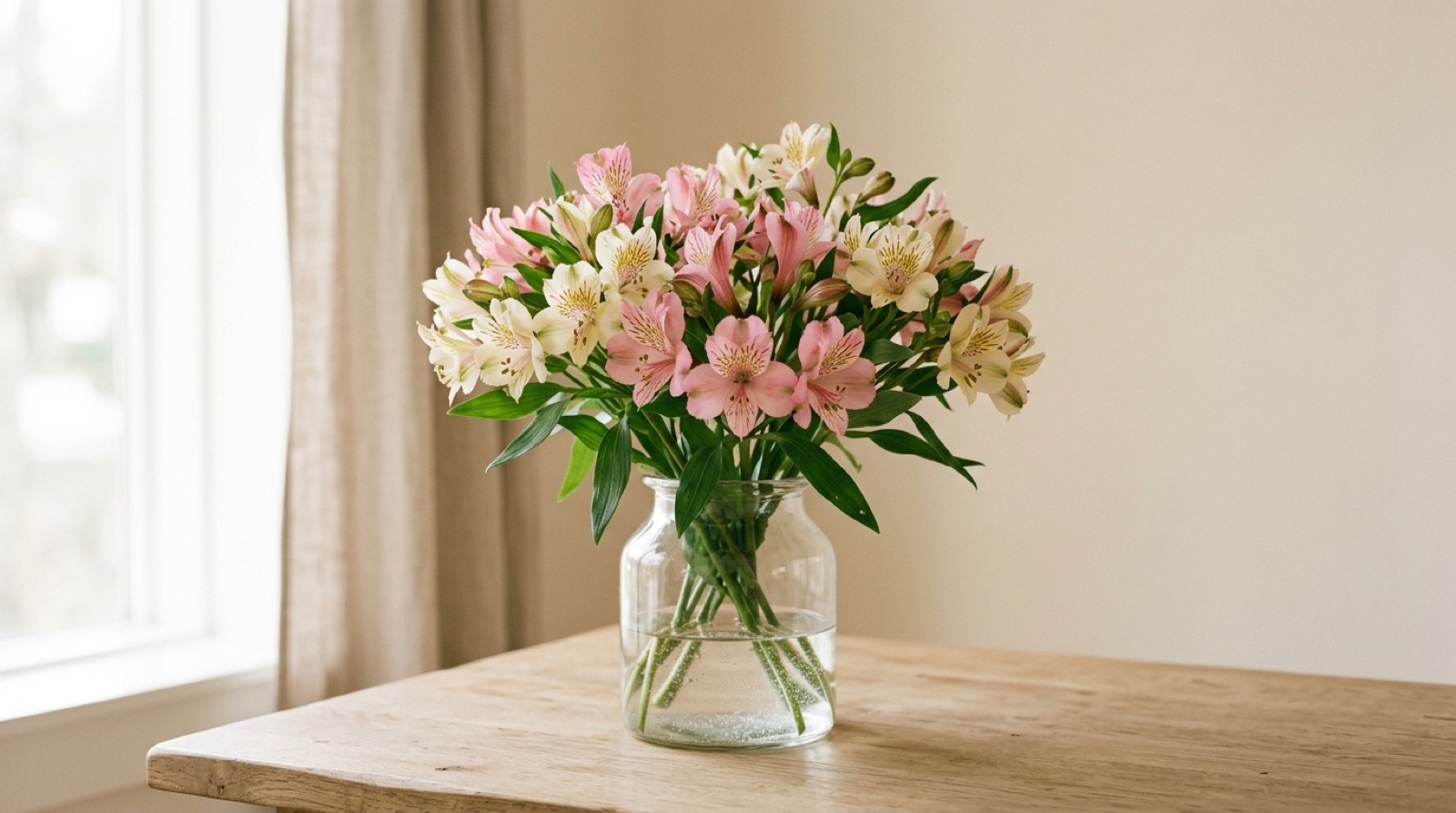
Yes—gently rinse the submerged parts of cut flower stems with clean running water before returning them to a clean vase, particularly if they feel slippery or carry debris. If the stems are already clean and firm, rinsing is optional; the essential steps are washing the vase, replacing the water and removing anything that would sit below the waterline. Rinsing does not replace trimming a damaged stem end.
Customers at Pyat Tsvetov (5 Flowers) often ask how much of their bouquet needs attention when they change the water. A useful routine concentrates on the vase and the lower stems, while keeping petals and flower heads dry. Since opening in Saint Petersburg in 2011, we have answered these practical care questions alongside helping people send flowers to family and friends. The aim at home is straightforward: remove accumulated debris, handle the stems gently and return the flowers to fresh water promptly.
Decide whether the stems actually need rinsing
When you lift the bouquet out, look at the parts that were underwater and gently feel a few stems with clean fingers. A slippery coating, loose leaf fragments or sediment around the cut ends makes a gentle rinse worthwhile. Clear water alone does not tell you whether the stem surfaces are clean, so check both. If the stems feel firm and clean, you can put them into the freshly prepared vase without adding a separate washing step.
Rinsing helps remove loose material from the surface; it does not disinfect the stem or repair deteriorating tissue. A stem that remains soft, darkened or unpleasant-smelling needs closer attention, rather than repeated washing. Remove an affected flower from the arrangement if its lower stem is collapsing or decay extends too far to trim away. Work with what you can see and feel, because flowers in the same bouquet may deteriorate at different rates.
Wash the vase before preparing the flowers
Place the bouquet on a clean surface for the short time needed to empty and wash the vase, keeping the flower heads supported. Use washing-up liquid and a suitable brush to reach the base, sides and any narrow shoulder where residue collects. Rinse thoroughly so that no detergent remains. A quick swirl with fresh water may remove floating debris, but it will not reliably remove the film left on the inside of a previously used vase.
Prepare fresh water before you start rinsing or trimming the stems, so they can go straight back into the arrangement. If you use commercial cut-flower food, follow its packet instructions and measure the water instead of guessing the concentration. Do not top up old vase water as a substitute for cleaning when it contains debris or smells stale. Our guide to vase cleaning, water changes and additives explains how these parts of the routine fit together.
Bouquets we can deliver




Rinse gently and keep the flower heads dry
Hold a small group of stems under a gentle stream of clean water, directing it over the section that was submerged. Keep the blooms away from the tap and avoid bending the stems against the sink. If loose residue remains, lightly pass clean fingers along a firm stem without squeezing it. There is no need to scrub with a brush, scrape away its outer surface or keep rinsing once visible debris has gone.
Use the rinse as a chance to remove leaves that would fall below the new waterline. Take them off carefully without tearing long strips from the stem, and collect the scraps rather than letting them drop into the vase. Leave healthy foliage above the water where it contributes to the arrangement. Our guide to removing leaves before putting flowers in a vase covers this step in more detail.
Recut damaged ends instead of trying to wash them clean
After rinsing, inspect the cut ends for soft tissue, crushed sections or an end that has dried while out of water. Where necessary, use a clean, sharp blade or suitable flower snips to cut back to firm tissue, then return the stem to water promptly. Remove enough to leave a clean cut without unnecessarily shortening the arrangement. Rinsing the outside and refreshing the cut serve different purposes, so one cannot always substitute for the other.
You do not need to shorten every flower by a fixed amount at every water change. Consider the condition of each stem and whether its remaining length still suits the vase, especially in a mixed bouquet that has already been trimmed several times. Avoid blunt household scissors that flatten the stem before cutting through it. For guidance on making a clean cut, see how to properly cut flower stems for a vase.
Use a simple routine and watch for deterioration
Check the water level each day and replenish it when needed, because the level can drop while the flowers still look fresh. Change the water regularly, and clean the vase sooner if you notice cloudiness, an unpleasant smell or accumulating plant material. At each change, inspect the submerged stems and rinse those carrying residue. This gives you a practical reason for each step, without treating every clean stem as something that needs vigorous washing.
Remove fallen petals and fading flowers as you notice them, and keep the arrangement away from direct sun, radiators and strong draughts. If slippery residue returns quickly after cleaning, check for trapped leaves, a deteriorating stem or a patch of film inside the vase. Do not add soap, household disinfectant or an improvised mixture to the flower water. Clean handling can support vase care, but it cannot reverse ageing or guarantee a particular number of extra days.
Help a recipient in Russia care for their bouquet
If you are ordering from abroad, a short care note can make the gift easier to look after without overwhelming the recipient. Our free card can carry your own wording, such as: “Enjoy your flowers. Check the water daily, and gently rinse any slippery lower stems when you clean the vase.” Delivery is anonymous by default, so include your name in the card text if you want the recipient to know who sent the bouquet. You can choose flowers through our bouquets catalogue.
We deliver across Russia; city delivery costs 500 RUB, and the operator confirms the price for remote districts and suburbs when confirming the order. In large cities, express delivery is available 1–2 hours after order confirmation, and orders can also be placed 1–30 days ahead. Delivery in Saint Petersburg is available around the clock, and the courier calls the recipient about 15 minutes before arrival. Online checkout uses CloudPayments; check the payment options displayed there, and call 8 (812) 507-67-05 if you have questions. Check our delivery information; confirm the timing for your order.
Frequently asked questions
Do I need to rinse flower stems every time I change the water?
Rinse them when they carry slippery residue or loose debris. If they are clean and firm, concentrate on washing the vase and providing fresh water.
Should I use soap to wash cut flower stems?
Use clean water on the stems and handle them gently. Keep washing-up liquid for cleaning the empty vase, then rinse the vase thoroughly.
Can I rinse the whole bouquet under the tap?
Direct the water at the lower stems and keep the flower heads out of the stream. Handling small groups of stems makes it easier to avoid bending them or wetting the petals.
Does rinsing mean I can skip recutting the stems?
Rinsing removes loose surface material, while recutting removes a damaged or dried end. Inspect the stems and make a fresh cut where their condition calls for it.
What should I do if a stem still feels slimy after rinsing?
Check whether the stem is firm or has become soft and discoloured. Trim away an affected lower section if sound tissue remains, or remove the flower if the stem is extensively deteriorated.
Ready to send a bouquet?
Pick a city, choose the flowers, and we will hand them over with a photo confirmation.
Choose a city →