
VAT for Florists in the UK: A Practical Guide
In the UK, a VAT-registered florist normally charges standard-rate VAT, currently 20%, on cut flowers, bouquets and ornamental plants. A florist who is not VAT registered must not add VAT to a sale. Registration depends on the business’s circumstances and taxable turnover, so check the current HMRC rules before deciding whether you need to register.
Customers often want to know whether the bouquet price includes tax, while flower business owners need to understand what to charge and record. These are separate concerns from choosing flowers or arranging delivery abroad. At Pyat Tsvetov (5 Flowers), we have served customers through our Saint Petersburg flower shops since 2011; this guide separates general UK VAT principles from the practical details of ordering flowers for someone in Russia.
How VAT applies to bouquets and flower sales
For an ordinary UK retail sale by a VAT-registered florist, cut stems and finished bouquets normally attract the standard rate. Making flowers into a hand-tied arrangement does not create a special reduced rate. The florist should identify the correct treatment for the goods or services supplied, rather than assume that all products sold in a flower business share one VAT category.
Ornamental plants generally receive the same standard-rate treatment as bouquets, but some seeds and plants grown for food can have different rules. A business selling both decorative and edible plants should classify the products carefully. Keep descriptions clear enough to distinguish a decorative plant from a product that qualifies for different treatment under HMRC guidance.
For customers, the useful figure is the total amount payable for the chosen flowers and any additional services. A VAT invoice can explain the tax within that amount when the seller is registered. An unregistered florist can issue an ordinary receipt, but cannot turn it into a VAT invoice simply because a business customer asks for one.
When a UK florist needs to consider VAT registration
Compulsory registration is generally based on taxable turnover, which means qualifying sales rather than profit after flower purchases, wages or rent. Standard-rated and zero-rated sales both count towards taxable turnover. A florist with expensive stock and a modest profit can therefore still have a registration obligation; a low bank balance does not settle the question.
Monitor taxable turnover over a rolling 12-month period, rather than waiting for the end of the accounting year. There is also a separate test where the business expects to exceed the registration threshold in the next 30 days alone. Check HMRC’s current threshold, deadlines and effective registration date, particularly before accepting an unusually large contract.
Voluntary registration may be possible below the compulsory threshold, but it deserves a calculation before an application. Consider recoverable VAT on eligible business costs alongside the effect of VAT on consumer prices and margins. Registration also brings record-keeping and filing duties, so compare the whole position with an accountant rather than judging it from flower purchases alone.
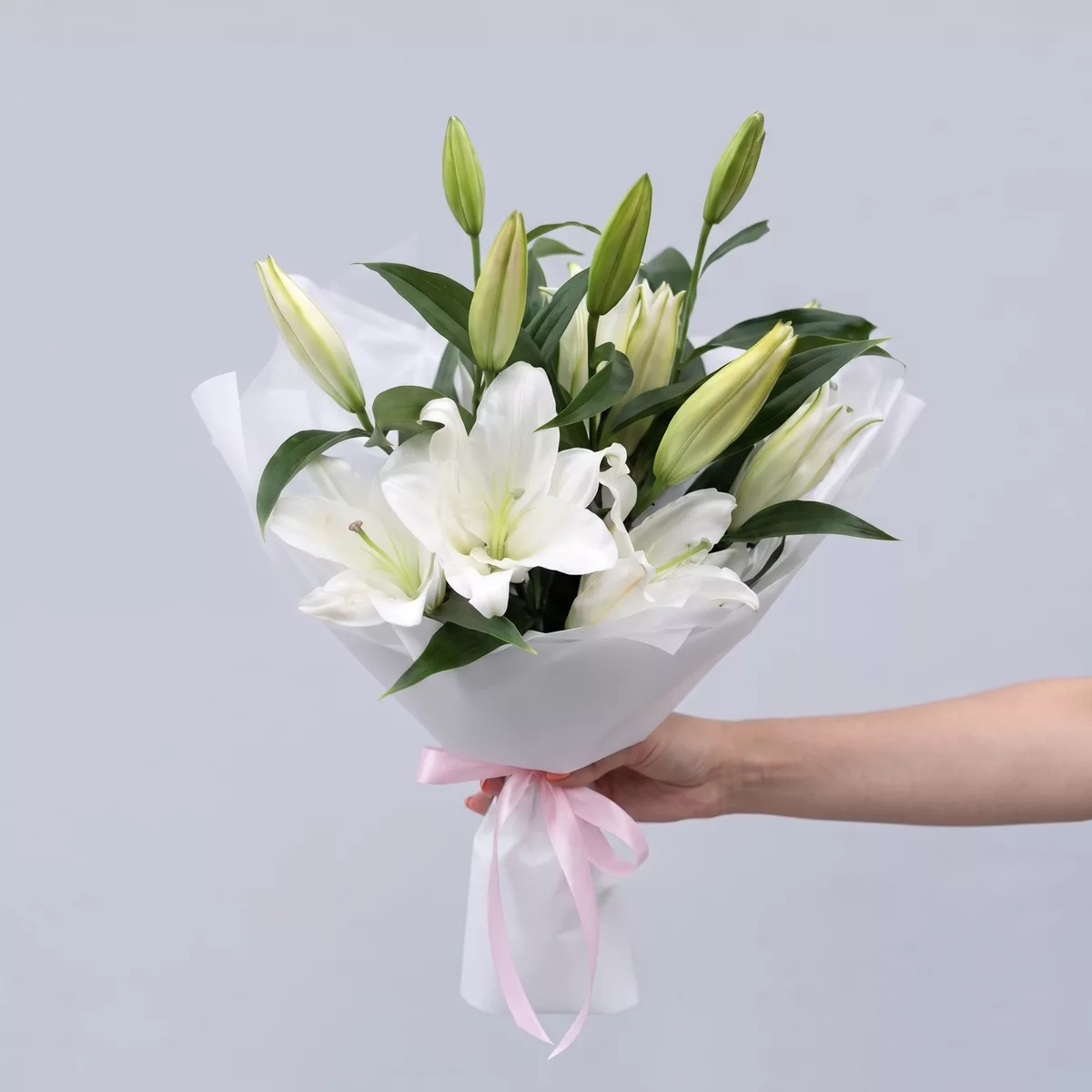
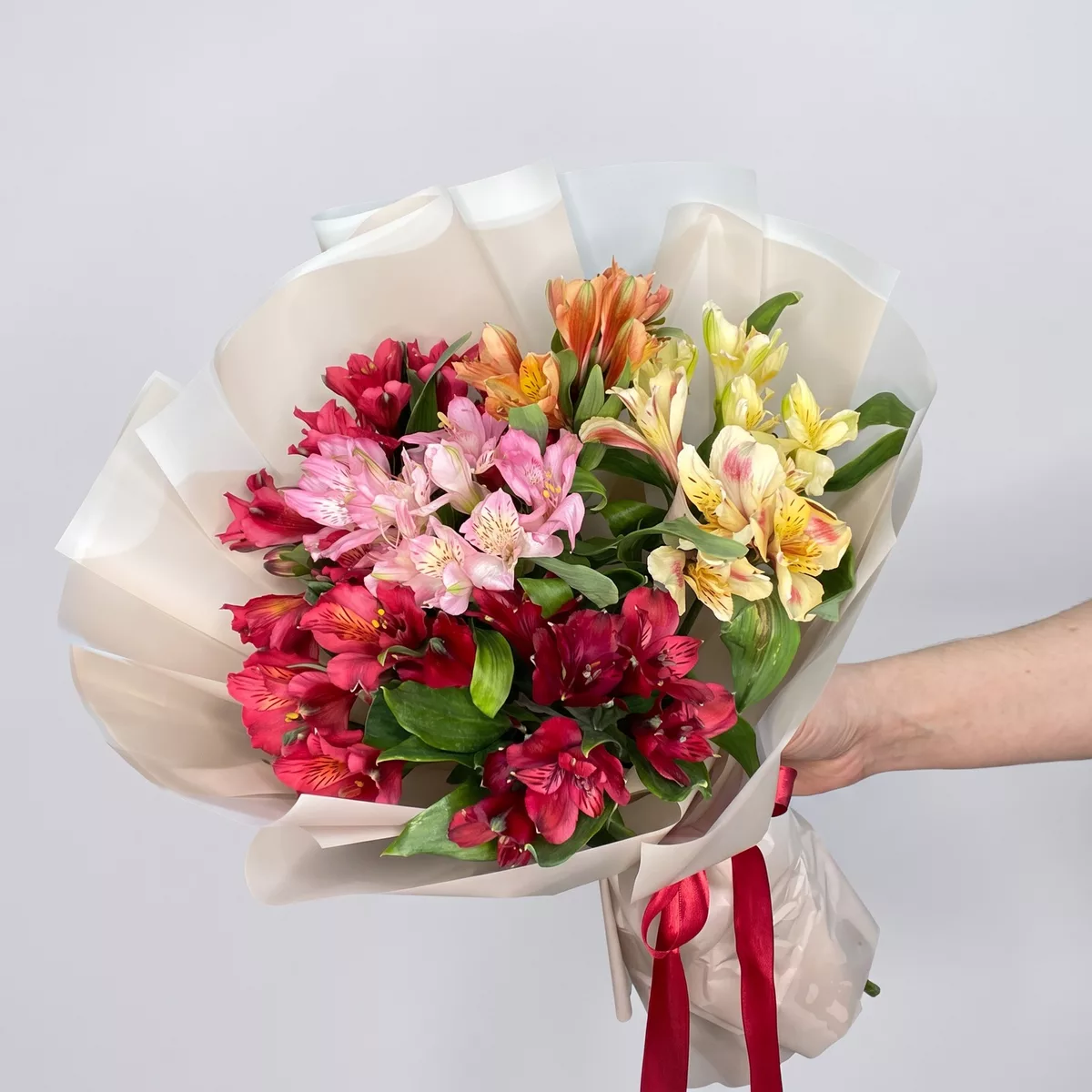
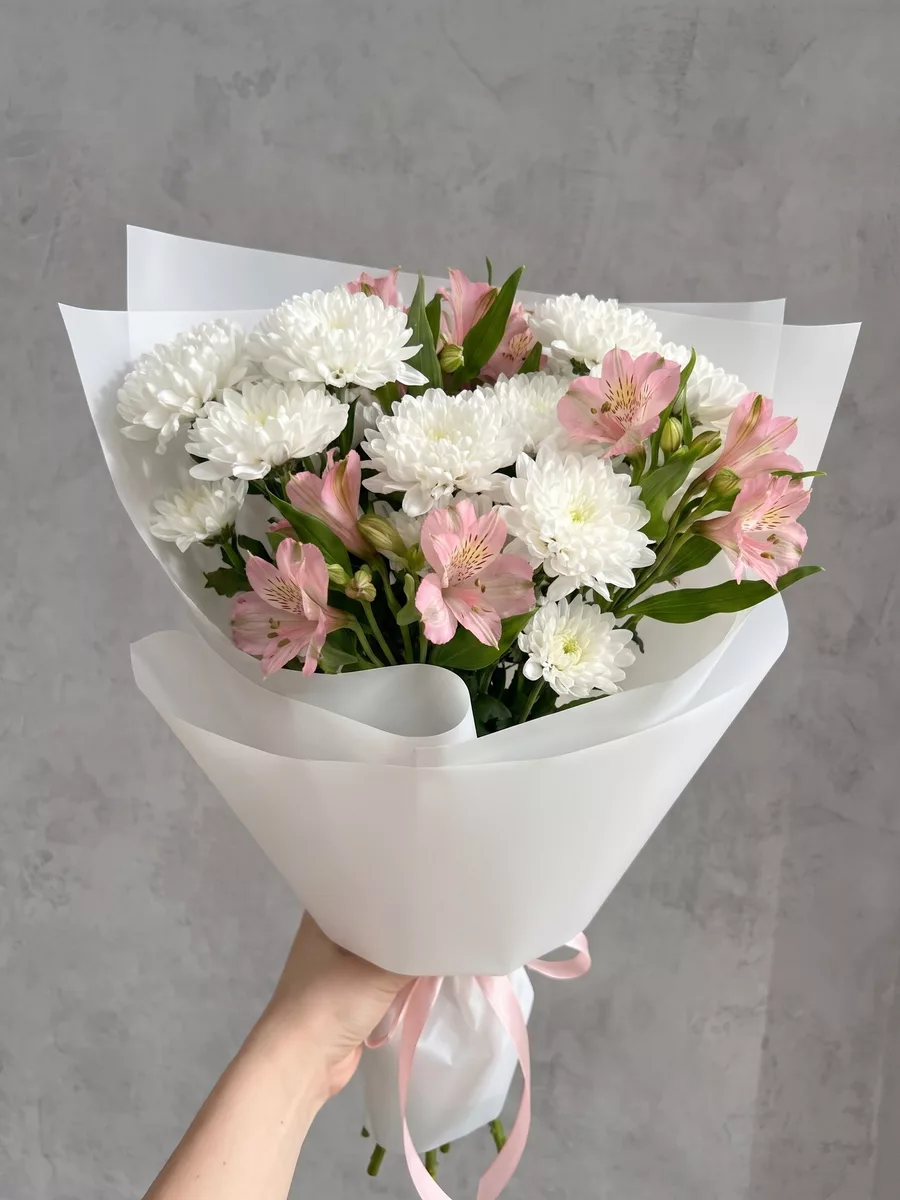
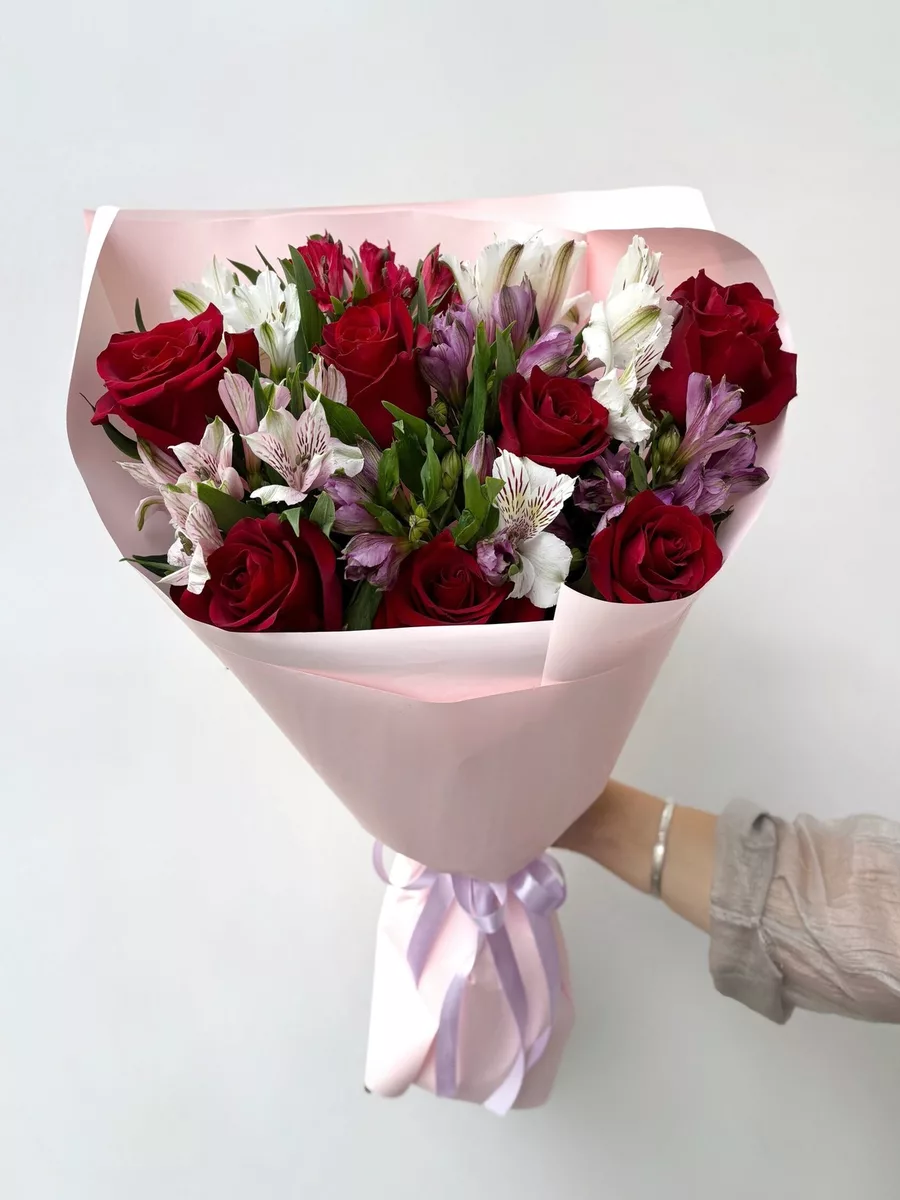
Bouquets we can deliver
Calculating VAT and keeping useful florist records
At a 20% VAT rate, VAT included in a standard-rated selling price is one-sixth of the gross amount. It is not 20% of that already tax-inclusive total. To build a gross selling price from a net amount, multiply the net amount by 1.2; keeping these two calculations separate prevents a common pricing error.
A registered florist can generally recover VAT on eligible business purchases, subject to the normal rules and appropriate evidence. That does not mean every payment contains recoverable VAT. Purchases from an unregistered supplier, private expenditure and costs with restricted recovery need separate treatment, so retain valid invoices rather than relying only on bank transactions.
Record the sale description, date, tax treatment and supporting documents in a consistent way. Advance payments, cancellations and later adjustments can affect VAT accounting, so retain the connection between the original order and any correction. Where Making Tax Digital rules apply, use compliant digital records and filing software; a folder of receipts alone does not complete the process.
Delivery, wedding flowers and mixed orders
For a typical UK bouquet order, delivery charged by the florist as part of supplying the flowers normally follows the VAT treatment of those flowers. Showing a separate delivery line does not automatically make that charge exempt or zero-rated. A separately supplied transport service can require its own assessment, so identify what the customer has actually contracted to buy.
Wedding work can combine flowers, installation, hired items and other services. Describe those elements accurately in the quotation and establish whether the arrangement is one supply or several for VAT purposes. Dividing an invoice into extra lines does not by itself change the tax treatment; obtain advice where the package or contractual responsibilities make the answer unclear.
A sympathy bouquet supplied directly by a florist is not automatically VAT exempt because it is intended for a funeral. For the order itself, record the name, destination, occasion and required arrival time precisely. Clear briefs also prevent practical mistakes: our guide to florist team communication explains how those details carry through from the order to delivery.
What customers and business buyers should check
A UK customer buying flowers for personal use usually needs a clear total and an accurate order confirmation. A business buyer may also need a valid VAT invoice containing the required seller and transaction details. Request that document from the business that actually supplied the order, and check its VAT registration information before using the invoice in your accounts.
Paying for flowers through a business does not automatically make the VAT recoverable. Business purpose, recipient, gift rules and the buyer’s own VAT position can all matter. Keep a short record of why the flowers were purchased and seek accounting advice where necessary, especially for gifts, staff occasions or expenditure with a personal element.
Tax paperwork should sit alongside a complete flower brief. Specify the recipient, card wording, delivery date and any meaningful preferences before placing the order. If the bouquet will be kept before presentation, keep it away from direct heat, use a clean vase and refresh its water; our cut-flower care guide covers the daily routine.
Ordering flowers for Russia from the UK
Ordering flowers for delivery in Russia is a different transaction from buying a bouquet for delivery within the UK. Your location or the language used at checkout does not, by itself, establish the VAT treatment. Use the seller’s actual checkout information and documents, and do not assume that a Russian order provides UK input VAT that your business can recover.
Pyat Tsvetov delivers flowers across Russia, with city delivery costing 500 RUB. For remote districts and suburbs, the operator confirms the delivery price when confirming the order. Start with the bouquets catalogue, then check the destination and timing: express delivery in large cities takes 1–2 hours after confirmation, while other options include an exact time within ±30 minutes, the windows 09–12, 12–15, 15–18 or 18–21, and pre-ordering 1–30 days ahead.
Delivery in Saint Petersburg is available around the clock. Delivery is anonymous by default, meaning the courier does not name the sender, and a card with your text is free. The courier calls the recipient about 15 minutes before arrival; if the recipient is absent, we agree a second delivery that day or, with the sender’s consent, handover to a neighbour or concierge.
Online payment uses CloudPayments at checkout; check the payment options displayed there, as acceptance of every foreign card is not guaranteed. Review delivery and payment details before completing the order, and give instructions that match the recipient’s availability. Questions can be discussed by phone on 8 (812) 507-67-05.
Frequently asked questions
Do UK florists charge VAT on bouquets?
VAT-registered UK florists normally charge standard-rate VAT of 20% on bouquets and cut flowers. Florists who are not VAT registered must not add VAT to their sales.
Does a small florist have to register for VAT?
A small florist must register if it meets the applicable compulsory registration conditions. Check taxable turnover against the current HMRC threshold and consider both the rolling 12-month test and the separate forward-looking test.
Is flower delivery exempt from UK VAT?
Delivery charged as part of a typical standard-rated bouquet sale normally follows the flowers’ VAT treatment. A separate line on the invoice does not, on its own, make delivery exempt.
Can a business reclaim VAT on flowers bought as a gift?
Recovery depends on the circumstances, including business purpose, gift rules and valid supporting documents. A business payment or a VAT invoice alone does not establish entitlement to reclaim the tax.
Can I order flowers for Russia while I am in the UK?
You can place an order with Pyat Tsvetov for delivery in Russia and check the available payment options in the CloudPayments checkout. Your UK location does not guarantee foreign-card acceptance or determine the order’s VAT treatment.
Ready to send a bouquet?
Pick a city, choose the flowers, and we will hand them over with a photo confirmation.
Choose a city →