
What is the origin of flowers and their meanings?
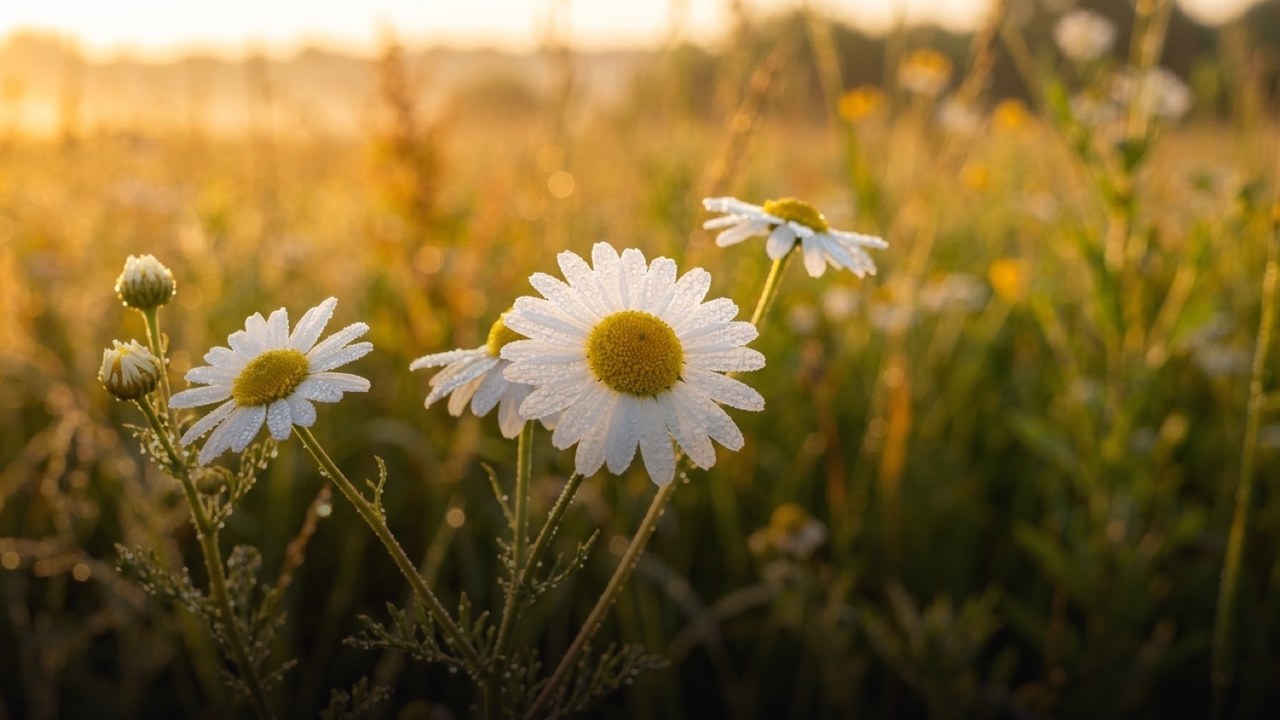
The origin of flowers can mean their evolutionary beginnings, the native range of a particular plant, or the history of giving bouquets. Flowers developed as the reproductive structures of flowering plants; familiar garden and cut flowers have different geographical origins, while their gift meanings come from changing cultural traditions. A flower’s native home, the country where it was grown and the message it carries are separate things.
For someone choosing a bouquet for family or friends in Russia, those distinctions have practical value. At Pyat Tsvetov (5 Flowers), our advice starts with the occasion, the recipient’s preferences and where the flowers will stand. We have been serving customers since 2011 and have three flower shops in Saint Petersburg. Here is how flower history connects with choosing, presenting and caring for a bouquet today.
A flower’s origin has several different meanings
Botanically, a flower is part of a plant’s reproductive system, and flowering plants have a long evolutionary history. The precise timing and earliest stages of that history remain subjects of research. That broad question differs from asking where a rose or tulip first grew naturally. For a particular flower, the species name gives a more useful starting point than its colour or a bouquet title.
A plant’s native range describes where it occurs naturally, rather than every place people now cultivate it. A modern garden variety may have a complicated breeding history involving plants from several regions. Its name can refer to a person, place or visual feature without proving geographical origin. Treat catalogue titles as names for the arrangements, rather than botanical records.
The origin of a delivered stem is another question: it concerns where that particular flower was grown. You cannot establish that from the species, the appearance of the bloom or its association with a country. If provenance matters to your choice, ask for information about the specific flowers under consideration. Avoid turning a general cultural connection into a claim about an individual bouquet.
Where roses, tulips and chrysanthemums come from
Wild roses are native to different parts of the Northern Hemisphere, including Asia, Europe and North America. Modern cultivated roses reflect a long history of selection and crossing, so a single country rarely explains their ancestry. Their familiar romantic association is a cultural meaning rather than a botanical property. When choosing roses, consider the recipient’s preferred colour and the setting as well as the occasion.
Tulips have a strong association with the Netherlands, but their natural history reaches across parts of Central Asia and neighbouring regions. Their cultivation also has an important place in Ottoman history. The Dutch connection therefore describes a major chapter in their cultivation, rather than the whole story of their origin. Our article on flowers from Holland explores that distinction further.
Cultivated chrysanthemums have a long history in East Asia, particularly China, and later became deeply embedded in Japanese culture. Their associations vary considerably between countries and occasions. In some European traditions they are closely linked with remembrance, while elsewhere they appear in everyday and celebratory arrangements. A recipient’s own customs are a better guide than a universal list of flower meanings.
Bouquets we can deliver




How flowers acquired meanings
Flower symbolism developed through religious customs, literature, courtship and everyday gift giving. Nineteenth-century European flower-language books helped popularise coded messages, but their definitions were not consistent. A colour or species could carry different meanings in different books and communities. Use those traditions as background, rather than expecting a recipient to decode a bouquet precisely.
Red roses commonly suggest romantic affection, especially when presented on an anniversary or as a romantic gesture. White flowers can suit weddings, expressions of sympathy or a preference for a restrained palette. Yellow flowers may suggest warmth and cheerfulness, although some recipients associate them with separation. Personal taste and the occasion give these colours their practical meaning.
For a colleague, a thank-you gift or a relative whose preferences you do not know, start with the relationship and your message. A brief card can make the intention clear without relying on symbolism. Write something specific, such as thanks for hosting you or congratulations on a new role. With our orders, a card containing your text is free.
Flower etiquette when sending a bouquet to Russia
In Russia, an odd number of stems is customary for a celebratory gift when the flowers form an easily counted group. Even numbers are traditionally associated with funerals and remembrance. This convention is particularly relevant to a small bouquet of one flower type. In a large mixed arrangement, an exact count may be less visually apparent, but the occasion should still guide the choice.
Consider what the recipient will need to do immediately after receiving the flowers. A bouquet arriving at work may need to be carried home, while flowers delivered before a journey leave little time to enjoy them. Strongly scented flowers may be unwelcome in a shared room or for someone sensitive to fragrance. These practical details often matter more than an elaborate symbolic explanation.
Make the sender’s identity clear in the card if you want the recipient to know who sent the gift. Our delivery is anonymous by default: the courier does not name the sender. An unsigned message can therefore leave the recipient uncertain, even when the occasion seems obvious to you. Include your name and a short personal line if you want the gesture to be immediately understood.
Choose a delivery time that fits the recipient’s day
When ordering from abroad, plan around the recipient’s schedule and the local time at the delivery address. Check whether they will be at home, at work or travelling during the intended period. We deliver flowers across Russia, with express delivery in large cities available within 1–2 hours after the order is confirmed. Allow for the confirmation step when deciding whether a last-minute order fits the occasion.
Other options are delivery at an exact time with a tolerance of plus or minus 30 minutes, or within the windows 09–12, 12–15, 15–18 and 18–21. You can also pre-order 1–30 days ahead. In Saint Petersburg, delivery is available around the clock. Choose a time that allows the recipient to receive the flowers comfortably and put them in water.
The courier calls the recipient about 15 minutes before arrival, so a surprise should allow for that contact. If the recipient is absent, we agree a second delivery that day or a handover to a neighbour or concierge with the sender’s consent. Check the address and recipient’s phone number carefully before submitting the order. The delivery and payment information is a useful reference when planning from another country.
Order thoughtfully and help the flowers settle in
Start with the bouquets catalogue, then choose with the occasion, colour preferences and available space in mind. Prepare the delivery address, recipient’s contact details and card text before checkout. City delivery costs 500 RUB; for remote districts and suburbs, the operator confirms the price when confirming the order. Questions can be discussed by phone on 8 (812) 507-67-05.
Online checkout uses CloudPayments. If you are paying from abroad, check the options displayed at checkout rather than assuming that every foreign-issued card will be accepted. Keep the recipient’s local date and your own time zone in mind as you review the order. A clear card message and accurate contact details help make the intended gesture understandable.
Once the bouquet arrives, use a clean vase and remove any leaves that would sit below the waterline. Recut the stems with a clean, sharp tool and place them in fresh water promptly. Follow any flower-food instructions provided, refresh the water regularly and keep the arrangement away from radiators, direct sun and ripening fruit. Different flowers age at different rates, so remove fading stems as needed rather than expecting one fixed vase life.
Frequently asked questions
What does the origin of a flower mean?
It may mean the plant’s native geographical range, its breeding history or where a particular stem was grown. Those are different questions, and a bouquet’s name does not establish any of them.
Did tulips originate in the Netherlands?
Tulips are naturally associated with parts of Central Asia and neighbouring regions. The Netherlands became strongly associated with their cultivation, but that is different from their botanical origin.
Should a gift bouquet in Russia contain an odd number of flowers?
An odd number is customary for celebratory gifts when the stems are easily counted. Even numbers are traditionally associated with funerals and remembrance.
Can I arrange flower delivery to Russia from abroad?
You can place an order online for delivery across Russia, with payment through CloudPayments at checkout. Check the payment options shown there, as acceptance of every foreign-issued card is not guaranteed.
Will the recipient be told who sent the flowers?
Delivery is anonymous by default, and the courier does not name the sender. To identify yourself, include your name in the free card with your message.
Ready to send a bouquet?
Pick a city, choose the flowers, and we will hand them over with a photo confirmation.
Choose a city →