
What to Write on a Greeting Card for a Russian Birthday
Every week customers ordering bouquets to addresses across Russia ask the same question at checkout: what do I actually write on the card? They have chosen the flowers — maybe a dense arm bouquet of garden roses and lisianthus, or a wrapped bundle of tulips — but the card field sits blank. The anxiety is real, because a card that reads as cold or oddly formal can undercut even the most generous bouquet. Russian birthday customs around written messages are specific enough that a phrase perfectly natural in English can land strangely in translation, and vice versa. This article gives you concrete phrases, explains the tonal logic behind them, and tells you what to avoid.
Why Russian Birthday Cards Follow Different Rules Than Western Ones
In Russia, a birthday — den rozhdeniya — carries more ceremonial weight than in many Western countries. The birthday person is called именинник (именинница for a woman), and the day is treated as a genuine occasion for formal acknowledgment even among close friends. Written messages therefore tend to be warmer and more declarative than their English equivalents. Where an English card might say 'Hope you have a great day,' a Russian card typically names the relationship, states a concrete wish, and closes with a personal sign-off. Skipping any of those three elements can make the message feel unfinished to a Russian reader. This is not about formality in the stiff sense — it is about completeness. Russians read a card quickly, but they notice what is missing. Another practical difference: Russian birthday greetings are almost always written in the present tense of wishing, not the past. 'I wish you' rather than 'Wishing you' is the natural structure, and it carries more sincerity in the Russian ear. If you are writing in English and the card will be read by someone fluent in both languages, you can follow English grammar, but the sentiment should still be full and direct. If the card will be translated or read alongside a Russian-language bouquet tag, keep your phrasing simple enough that it survives translation without losing its warmth. Dense idioms and cultural references — 'many happy returns,' for instance — do not translate and can confuse rather than delight.
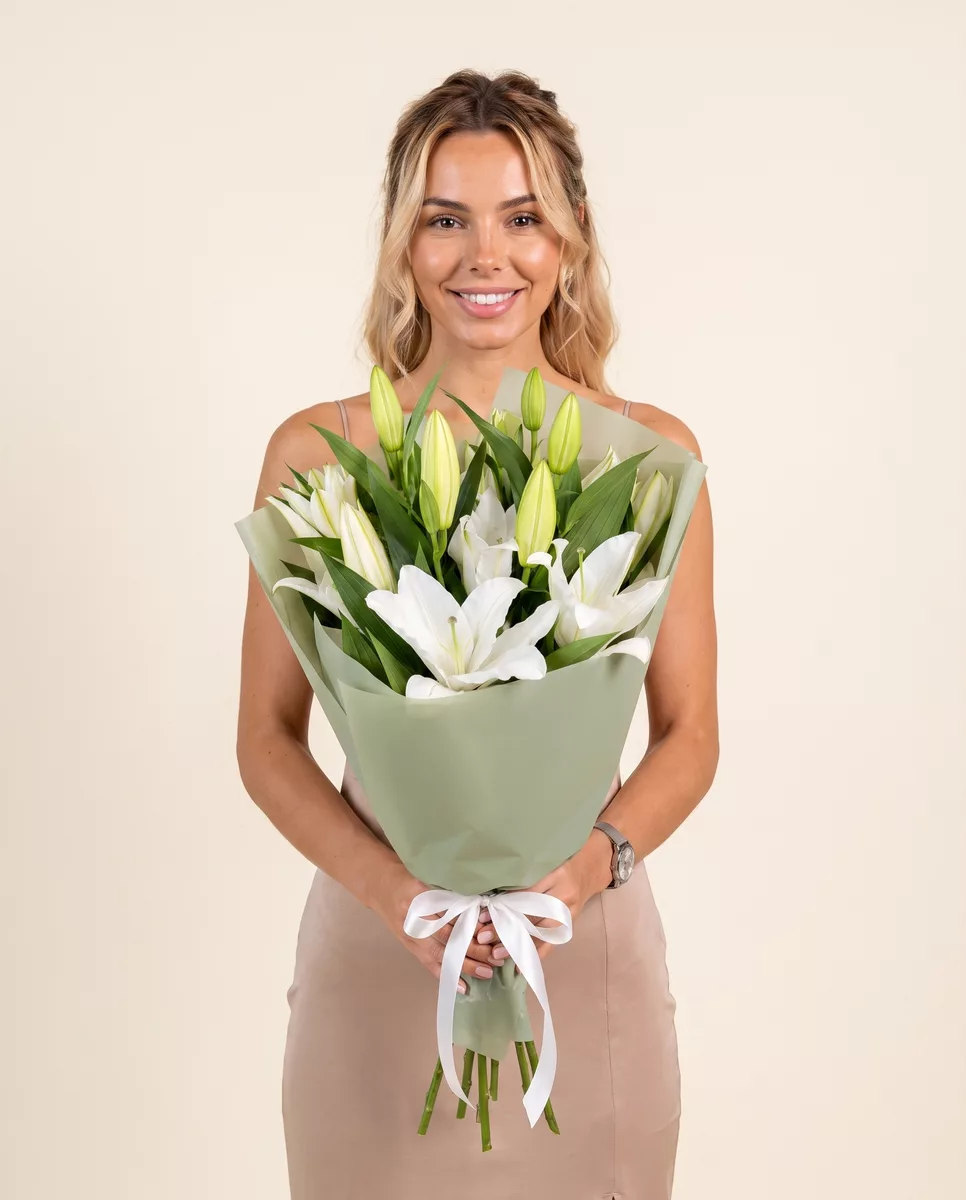
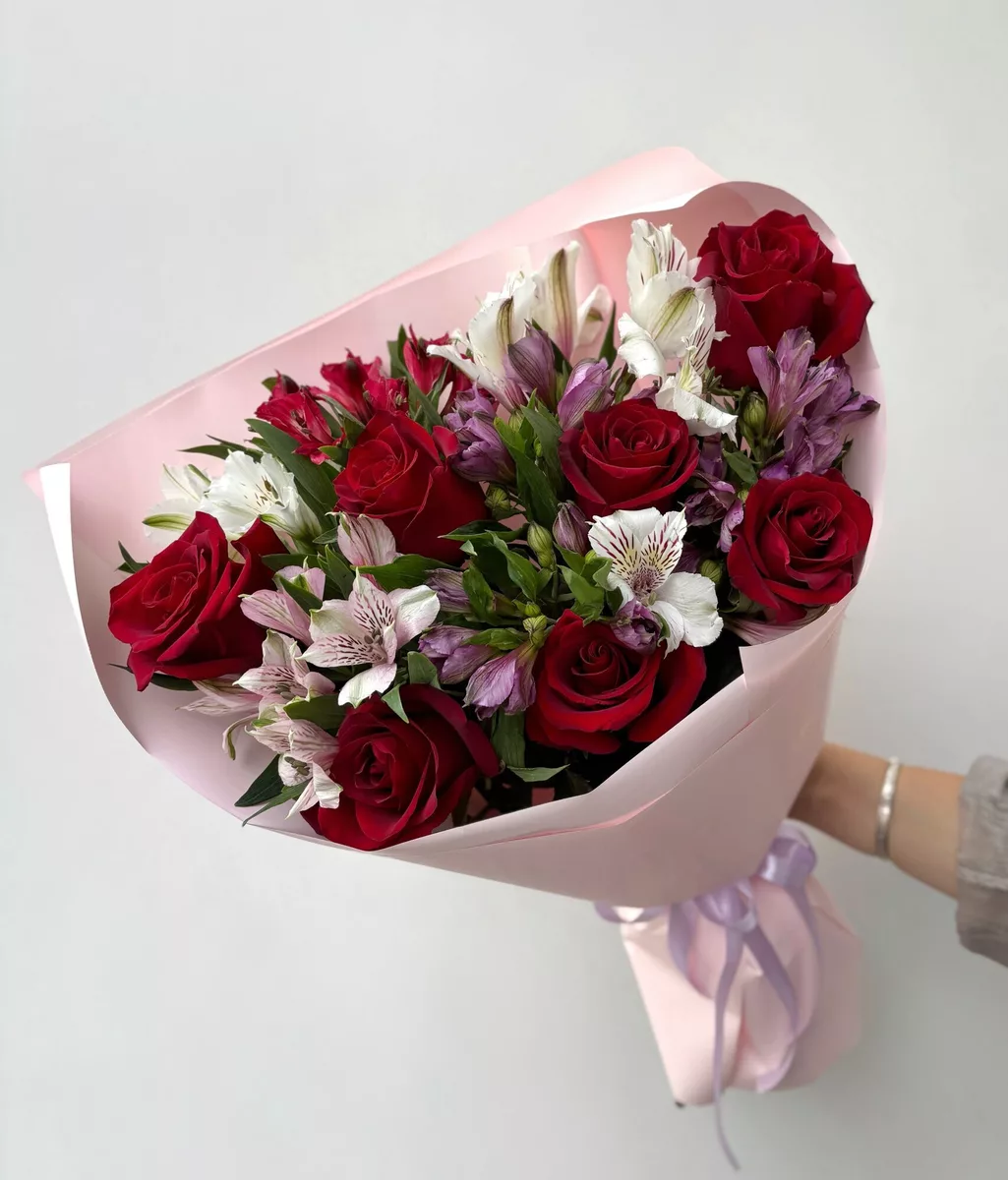
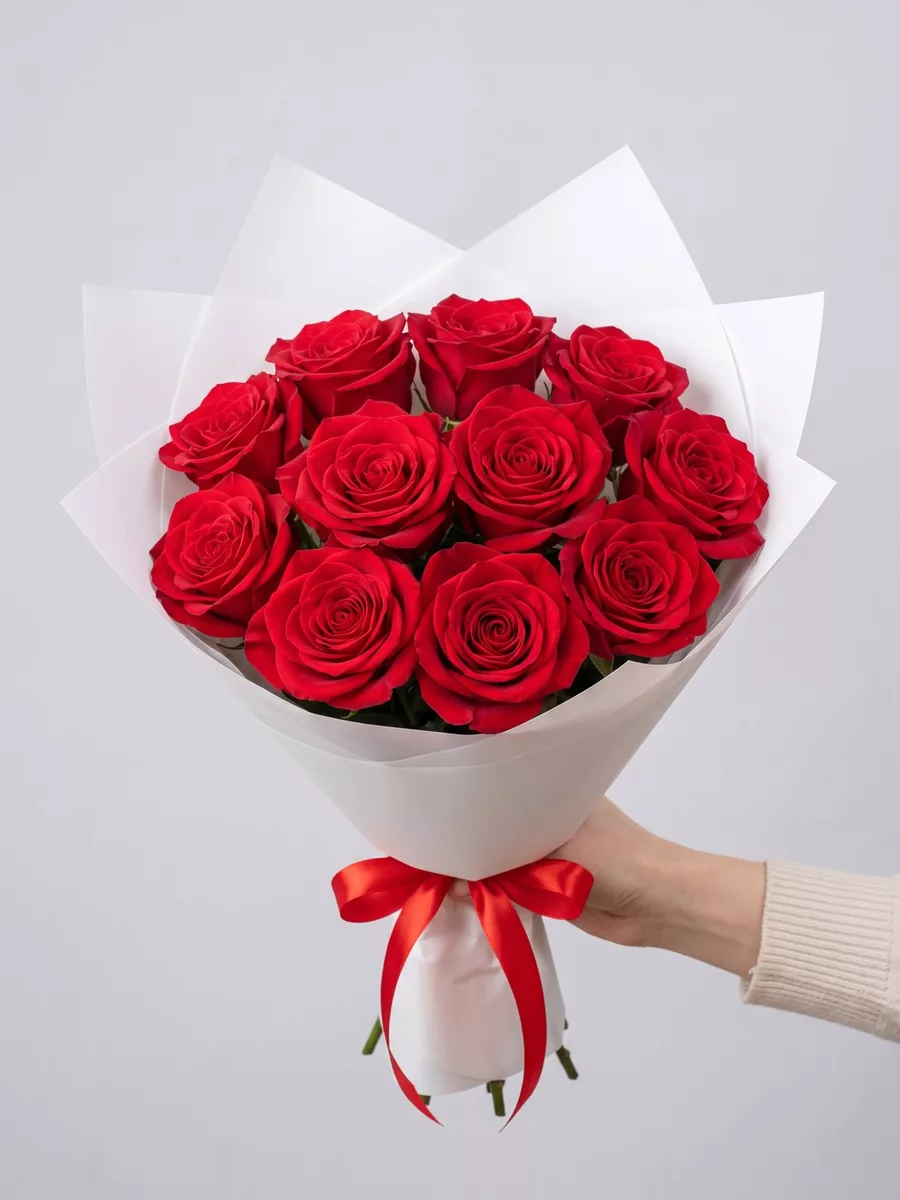
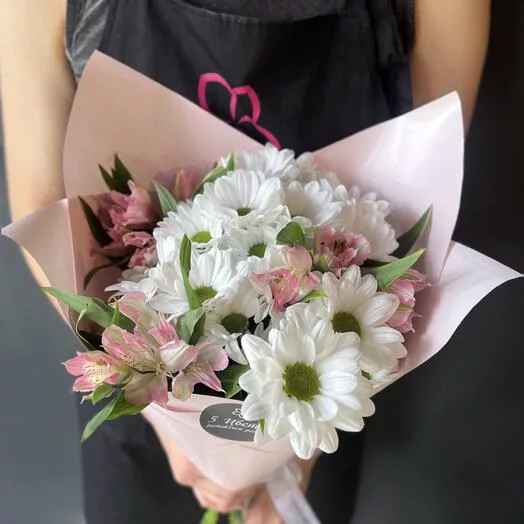
Bouquets we can deliver
The Core Structure: Name, Wish, and Sign-Off
The most reliable card follows three beats: address the person by name, state one or two concrete wishes, then close with your name and relationship. That structure works in English, in Russian, and in any translation between them. For the opening, use the person's first name directly — 'Dear Natasha,' or simply 'Natasha,' — rather than 'Dear friend' or 'To the birthday girl,' which sound impersonal in Russian culture even when well-intentioned. Russians use first names freely among people they know, and seeing their own name at the top of a card signals that the message was written specifically for them, not copied from a template. For the wish section, be concrete about what you are wishing. Health, happiness, and love are the classic trio in Russian cards — zdorovya, schastya, lyubvi — and their English equivalents land just as well: 'I wish you good health, happiness, and everything you have been hoping for.' Vague phrases like 'all the best' exist in Russian too (vsego nailuchshego), but they read as filler unless you add something personal after them. For the sign-off, always include your name. In Russian card culture, an unsigned message is considered incomplete, almost rude. If you are ordering flowers on behalf of a company or group, write the group name clearly: 'With love, the whole team at [company]' or 'From all of us at [office name].' The recipient will read that card standing next to the bouquet, often in front of other people, and knowing who sent it matters immediately.
Phrases That Work Well and Travel Cleanly into Russian
Some English phrases are structurally close to their Russian equivalents and survive translation without distortion. These are the ones to use when you know the card may be read aloud or passed around. 'I wish you health, happiness, and many bright days ahead' maps almost directly onto a standard Russian wish and carries no awkward idioms. 'May this year bring you everything you deserve' works well because it is generous without being specific in a way that could feel presumptuous. 'With all my heart, happy birthday' — s vsem serdtsem, s dnem rozhdeniya — is completely natural in Russian and the English original reads as equally sincere. 'You mean a great deal to me, and I am so glad to celebrate this day with you' is effective for close relationships; the directness that might feel slightly intense in an English-speaking context is exactly right in Russian. For professional or semi-formal relationships — a colleague, a client, a business partner — use: 'Wishing you a wonderful birthday and continued success in everything you do.' That phrase is almost identical in tone to the standard Russian professional card formula and will not overstep. Avoid birthday phrases built around age jokes or the idea of getting older. Russian birthday culture does not lean into age humor the way British or American card culture does, and a joke about 'another year older' can genuinely sting rather than amuse. Also avoid phrases that hinge on shared cultural references — sports teams, TV shows, local events — unless you are certain the recipient will catch them.
Adjusting Tone for Close Family, Friends, and Romantic Partners
The closer the relationship, the more personal and emotionally direct the card should be. For a mother, grandmother, or close female relative, Russian card culture expects tenderness and specificity — not just 'happy birthday, Mom' but something that names what she means to the sender. Try: 'You are the person I think of when I think of home. Happy birthday, and thank you for everything you have given me.' For a father or grandfather, warmth combined with respect works well: 'I am proud to be your child. Wishing you health and happiness on your birthday and every day.' For a best friend, you have the most latitude. Russian friendships, especially long-term ones, are close and demonstrative, and a card that says 'You are one of the most important people in my life and I celebrate you today' will not be considered excessive — it will be appreciated as honest. For a romantic partner, Russian birthday cards between couples are often the most personal and poetic. Phrases like 'Every day with you is a reason to celebrate, but today I celebrate you' or 'You are my favorite person. Happy birthday' are direct enough to be sincere without becoming florid. What to avoid in all these close-relationship cards: irony, understatement, and anything that reads as a joke with an asterisk. Russian emotional communication in written form tends to be genuine and unguarded. A card that hedges its warmth with humor can read as insincere rather than charming.
What to Write When You Do Not Know the Person Well
Ordering flowers for a colleague, a friend's parent, a business contact, or someone you have met only a few times requires a different register. The goal is warmth without presumption. A card that is too intimate from someone not close to the recipient will feel odd; a card that is too bare will seem like an afterthought attached to an otherwise generous bouquet. The right middle ground in Russian card culture is respectful warmth — acknowledging the person's importance and wishing them well without claiming a closeness that does not exist. Use: 'Wishing you a wonderful birthday and a year full of good things.' Or: 'Happy birthday. I hope this day brings you joy and the coming year brings you everything you have been working toward.' Both phrases are complete, warm, and appropriate for someone you respect but do not know intimately. If you are sending on behalf of a company to a client or partner, add the company name clearly and keep the message professional but not cold: 'The team at [company name] wishes you a very happy birthday and continued success.' One mistake people make in this situation is writing nothing personal and relying entirely on the flowers to carry the message. A bouquet of white and cream spray roses or a structured arrangement of alstroemeria and eucalyptus is a generous gesture on its own, but a card with even two sentences signals that a person chose those words, not a system. That effort is noticed and remembered, even by someone you know only professionally.
Timing, Card Length, and the Practical Details That Change Everything
A birthday card attached to a delivered bouquet is read quickly — usually within thirty seconds of the flowers arriving, often while the recipient is still at the door. That means the card should be short enough to absorb in one reading but complete enough to feel intentional. Three to six sentences is the practical target. More than that and the recipient will skim; fewer and the card risks feeling minimal. Write clearly and avoid handwriting that is difficult to read under excitement. If you are dictating the card text to a florist at the time of ordering — which is what happens when you place an order with us and fill in the card field — read it back once before submitting. Check that the name is spelled correctly, that the sign-off includes your name, and that no autocorrect has changed a word into something unintended. These mistakes happen constantly and they are completely avoidable with one extra look. Timing the delivery also affects what the card should say. A bouquet arriving at 8 in the morning on the birthday itself can carry a more celebratory opening — 'Good morning and happy birthday!' — while one arriving in the evening might acknowledge the day: 'I hope your birthday has been everything it should be.' If you are sending flowers a day early because of delivery logistics, note that briefly: 'Sending these a day early so they are fresh and waiting for your birthday tomorrow.' That small transparency is appreciated and prevents confusion about whether the sender forgot the date. Fresh tulips and ranunculus hold well for two to three days at room temperature, so an early delivery is not a problem for the flowers — but the card should acknowledge it.
A birthday card does not need to be long or literary to work. It needs to be complete — a name at the top, a genuine wish in the middle, and your name at the bottom. The phrases in this article are tested against what Russian recipients actually respond to, which is directness and warmth over cleverness or brevity. If you are ordering flowers from Saint Petersburg to anywhere across Russia, the card travels with the bouquet in a sealed envelope and arrives exactly as you wrote it. Take two minutes with the card field, read it once before you confirm the order, and the message will do its job as well as the flowers do theirs. Доставим букет по России за 1–2 часа.
Frequently asked questions
Should I write the card in English or Russian if the recipient speaks both?
Write in whichever language you are most comfortable with. If the recipient is bilingual, an English card from an English-speaking sender is natural and expected. What matters more than language is structure: include their name, a real wish, and your sign-off. A complete card in English is warmer than a stilted attempt in Russian that loses meaning in the effort.
Is it appropriate to mention the recipient's age on a Russian birthday card?
For milestone birthdays — 30, 40, 50 — acknowledging the age is common and celebratory in Russian culture. For other birthdays, skip the number unless you are very close to the person and certain they are comfortable with it. Age jokes or references to getting older are generally not part of Russian birthday card culture and can land poorly.
How long should a birthday card message be when it goes with a delivered bouquet?
Three to six sentences is the practical target. The card is read quickly, usually at the door when the flowers arrive. Enough to feel intentional and personal, short enough to absorb in one reading. If you have more to say, a longer message is better sent separately by phone or letter after the bouquet has been received and appreciated.
Can I send a birthday bouquet a day early and note it on the card?
Yes, and noting it on the card is exactly the right thing to do. Write something like 'Sending these a day early so they arrive fresh for your birthday tomorrow.' That small explanation prevents confusion and shows planning rather than a mistake. Flowers like tulips and ranunculus hold well for two to three days, so an early delivery does not affect the bouquet quality.
What is the single most common card mistake customers make when ordering flower delivery to Russia?
Leaving the card unsigned. It happens more often than any other error. The recipient receives a beautiful bouquet and a card that says 'Happy birthday, wishing you all the best' with no name at the bottom. In Russian card culture an unsigned message feels incomplete. Always end with your name, even if it is just a first name or a group name like 'the whole team.'
Ready to send a bouquet?
Pick a city, choose the flowers, and we will hand them over with a photo confirmation.
Choose a city →