
Bouquets That Can Stay Fresh for More Than a Week
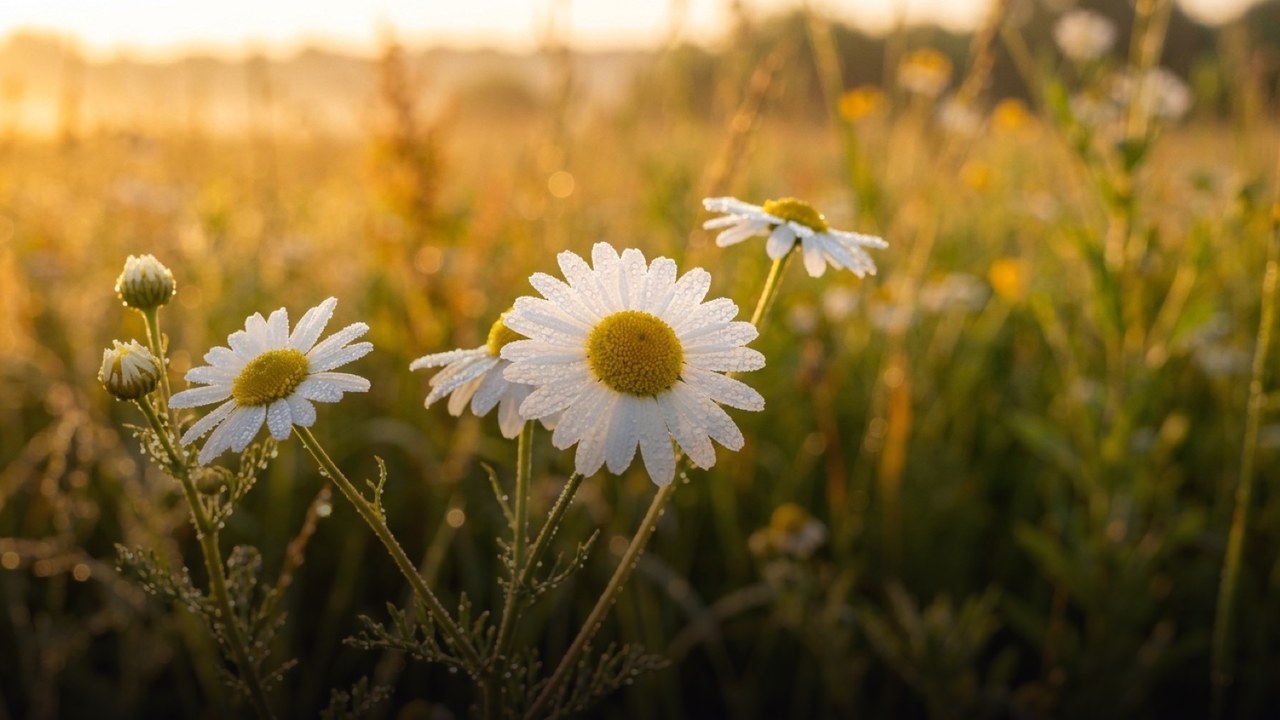
For a bouquet with a good chance of lasting more than a week, start with chrysanthemums, carnations or alstroemeria; cut orchids can also be a good choice, depending on the variety. In our shops, customers often ask for flowers that will still look attractive after the birthday or anniversary has passed. These flowers are sensible starting points, although freshness at arrival, room conditions and daily care matter as much as the name on the bouquet.
A vase life of more than seven days is a realistic aim for suitable flowers, rather than a promise for every arrangement. At Pyat Tsvetov (5 Flowers), with three flower shops in Saint Petersburg and a history dating to 2011, we understand the practical concern behind that request: the gift should remain enjoyable after the occasion. Choose the main flowers carefully, give them enough space in the vase and include care advice the recipient can actually follow.
Start with chrysanthemums, carnations or alstroemeria
Chrysanthemums are a useful first choice when longevity matters more than a particular flower shape. Both large blooms and branching spray types can remain attractive beyond a week with suitable care. Check for firm stems, healthy leaves and flower heads without browning or crushed petals. A bouquet built mainly around chrysanthemums also keeps its overall appearance relatively consistent as individual blooms age.
Carnations offer ruffled texture and a broad colour range, making them suitable for both gentle pastel gifts and brighter celebrations. Alstroemeria has several flowers and buds on each stem, so its display develops as the buds open. Choose stems with some flowers showing colour rather than judging the bouquet only by how full it looks immediately. Our guide to which bouquet flowers last the longest helps compare these options with other familiar flowers.
Choose a bouquet that will age evenly
A mixed bouquet can last beyond a week, but its ingredients rarely finish flowering together. If long-lasting chrysanthemums surround delicate flowers that fade earlier, the recipient will need to remove those stems to keep the arrangement tidy. For someone who wants minimal rearranging, a bouquet of one flower type is often easier to manage. A restrained mix of carnations and chrysanthemums is another practical direction, provided each variety arrives in good condition.
Roses, lilies and tulips can still be lovely gifts, but they need different expectations. Rose vase life varies considerably, while lilies change appearance as successive buds open and individual flowers fade. Tulips continue to grow and bend in the vase, which suits someone who enjoys a looser, changing display. If the recipient has cats, avoid lilies because of their severe toxicity to cats, including exposure to pollen and vase water.
Bouquets we can deliver




Match the flowers to the person and occasion
Longevity is useful, but a lasting gift should also feel appropriate to the recipient. Carnations can look soft and celebratory in a loose arrangement, while chrysanthemums range from compact rounded heads to airy sprays. Colour, wrapping and the overall shape influence the impression as much as flower symbolism. If someone has a favourite flower, that preference usually deserves more weight than a general list of meanings.
For a gift in Russia, an odd number of stems is the usual convention when the flowers are individually counted; even numbers are traditionally associated with mourning. With branching stems and mixed arrangements, counting flower heads is less useful than considering the bouquet as a whole. Avoid assigning a universal meaning to yellow or white flowers, since personal and family associations differ. A short card explaining the occasion can make the intention clear, especially when sending from abroad.
Give the bouquet a clean start in the vase
Unwrap the bouquet enough to free the stems and place it in water promptly after arrival. Wash the vase thoroughly, rinse away detergent and use clean water. Remove leaves that would sit below the waterline, since submerged foliage encourages decay. With a clean, sharp tool, trim the stem ends before arranging the flowers, taking care not to crush them.
Choose a vase that supports the stems without squeezing them tightly together. Crowded stems make it harder to remove fading material and clean the vessel properly. If the bouquet includes a packet of cut-flower food, follow its dilution instructions rather than estimating the amount. Our guide to the best vase shape for flowers explains how the opening and height affect support and access for care.
Check the water level every day, especially during the first few days, when a full bouquet may use more water than expected. Change the water regularly and sooner if it becomes cloudy; clean the vase and rinse the submerged parts of the stems at the same time. Remove spent blooms and any soft or decaying leaves as they appear. Recut the stems if the ends deteriorate, keeping enough length for the vase to support the flowers.
Protect the flowers from heat and plan for the recipient
A bright table beside a sunny window may look ideal for a photograph but can shorten the useful life of cut flowers. Choose a cooler position away from direct sunlight, radiators and strong air currents. Keep the bouquet away from ripening fruit, which releases ethylene that can hasten ageing in sensitive flowers, including carnations. The practical reasons are covered in our guide to why flowers should not be near fruit.
For a birthday or family visit, arrange delivery when the recipient is likely to be available and able to put the flowers in water. Sending a bouquet just before someone leaves for several days works against the aim of enjoying it for a week or longer. For a workplace gift, consider whether there is a suitable vase and someone able to refresh the water over the weekend. A brief care message is often more helpful than choosing a larger arrangement that will be difficult to maintain.
Order flowers to Russia with clear delivery details
We deliver flowers across Russia, so you can begin with the bouquets catalogue when arranging a gift from abroad. City delivery costs 500 RUB; for remote districts and suburbs, the operator confirms the delivery price when confirming the order. In large cities, express delivery is available in 1–2 hours after order confirmation. Other options include an exact time with a tolerance of 30 minutes either way, windows of 09–12, 12–15, 15–18 or 18–21, and pre-ordering 1–30 days ahead.
In Saint Petersburg, delivery is available around the clock. The courier calls the recipient about 15 minutes before arrival, so provide a reachable recipient number. If the recipient is absent, we agree a second delivery the same day or, with the sender's consent, hand the flowers to a neighbour or concierge. Delivery is anonymous by default: the courier does not name the sender, and a card with your text is free.
Online checkout uses CloudPayments; check the payment options displayed there rather than assuming that every foreign card will be accepted. For questions, call 8 (812) 507-67-05. When choosing the bouquet, make longevity a priority alongside the recipient's preferred colours and flowers. Once it arrives, a clean vase, fresh water and a suitable position give those carefully chosen stems the best chance of remaining attractive beyond the first week. We deliver bouquets across Russia in 1–2 hours.
Frequently asked questions
Which bouquet is the simplest choice for lasting more than a week?
A bouquet made mainly of chrysanthemums or carnations is a practical starting point, and alstroemeria is another good option. Actual vase life still depends on the condition of the flowers, the room and regular care.
Will a mixed bouquet still look good after seven days?
It can, especially when its main flowers are long-lasting varieties. Remove individual fading stems as needed, because the different flowers in a mixed arrangement will not all age at the same pace.
Should I choose flowers with every bud tightly closed?
Not necessarily: very tight buds do not always open successfully after cutting. Look for a suitable balance of developing buds and flowers showing colour, with healthy leaves and undamaged stems.
Can I send flowers anonymously to someone in Russia?
Yes, our delivery is anonymous by default, and the courier does not name the sender. A card with your text is free, so sign the message if you want the recipient to know who sent it.
Can I pay for a bouquet from outside Russia?
Online checkout uses CloudPayments, and you should check the options displayed at checkout for your payment method. Acceptance of every foreign card cannot be guaranteed.
Ready to send a bouquet?
Pick a city, choose the flowers, and we will hand them over with a photo confirmation.
Choose a city →