
Blue flowers: choosing a bouquet with the right shade and meaning
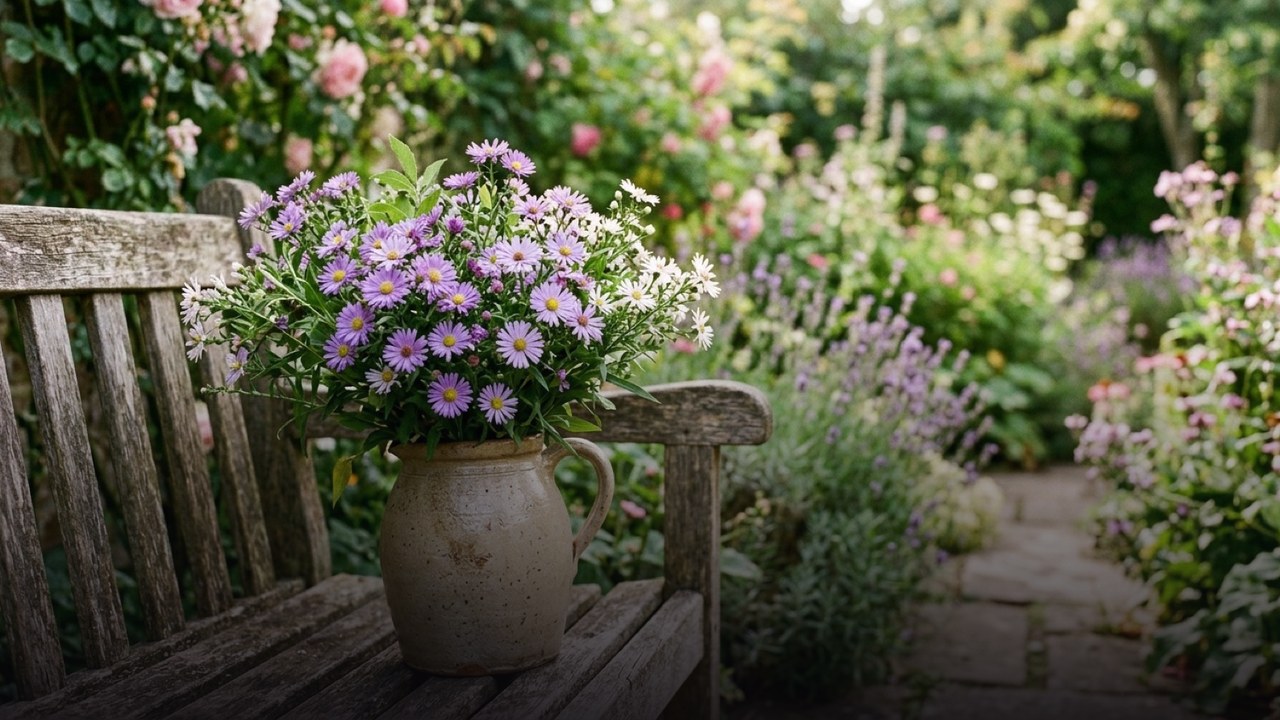
Blue flowers include naturally blue varieties of delphinium, muscari, cornflower, iris and hydrangea, although their shades range from pale sky blue to violet-blue. For a bouquet, choose by the actual flower colour and shape rather than the name alone: some flowers sold as blue are closer to lilac, while others have been dyed.
At Pyat Tsvetov (5 Flowers), a useful starting point for choosing blue flowers is the effect you want: a soft accent, a loose garden-style bouquet or a strong block of colour. Our three Saint Petersburg flower shops have been operating since 2011. If you are choosing a gift from abroad, identifying the recipient’s favourite shade is more helpful than asking for any flower labelled blue.
Which flowers are naturally blue?
Delphiniums carry flowers along tall stems, making them useful when a bouquet needs height and an open outline. Their colours include pale blue, deeper blue and violet tones, depending on the variety. Cornflowers have a smaller, fringed flower head and suit a lighter, meadow-style arrangement. Neither name alone tells you the exact shade to expect.
Muscari have clusters of tiny, bell-shaped flowers and work as a delicate detail rather than a large focal flower. They are associated with spring, so avoid building a date-sensitive gift around them without checking availability. Our guide to muscari in Russia explores these small blue flowers in more detail.
Hydrangeas offer rounded clusters that create a broad area of colour, while irises have a more sculptural outline with distinct upright and falling petals. Both include blue-toned varieties, but some look purple under indoor lighting. For hydrangeas, colour is influenced by variety and growing conditions; adding something to the vase will not reliably turn a cut flower blue.
How to recognise natural colour and dyed blue flowers
A vivid blue rose should prompt a colour-treatment check: roses do not naturally produce the clear blue seen in dyed examples. Blue orchids and other unusually saturated flowers may also have been treated. This can be a deliberate decorative choice, but it matters if the recipient prefers natural-looking flowers. Ask whether the colour is natural or applied before deciding.
Colour names are less precise than they seem, especially across languages. A flower described as blue may be lavender, periwinkle or blue-purple, and a screen can shift the appearance further. Describe the shade in plain terms, such as pale blue with little purple or a deep cornflower blue. Treat a catalogue title as a label and read the accompanying details.
For an occasion with a specific colour theme, decide how much variation you can accept before choosing the bouquet. A soft blue accent among white flowers is more forgiving than a composition whose entire effect depends on one exact shade. Begin with the bouquets catalogue, then use the flower names and colour descriptions to narrow your choice.
Bouquets we can deliver




What blue flowers mean and when to give them
Blue flowers are often associated with calm, trust and loyalty, although these meanings are cultural conventions rather than fixed rules. They can suit a thoughtful birthday gift, a thank-you or a gesture of support. The recipient’s taste matters more than a symbolic dictionary. Someone who loves blue may appreciate the colour without attaching any further meaning to it.
For a romantic gift, blue can feel personal when it connects with a favourite colour, a shared garden or a remembered place. A short card makes that connection clear and avoids relying on flower symbolism alone. For a colleague or a more formal recipient, a restrained blue-and-white composition can feel appropriate. Keep the message suited to the relationship.
When sending flowers to someone in Russia, avoid assuming that a colour carries the same message in every family. For celebratory gifts, Russian custom generally favours an odd number of flowers where individual stems are counted; even numbers are associated with mourning. This distinction is less straightforward in mixed arrangements with branching stems. Explain the occasion when discussing your choice.
How to combine blue flowers in a bouquet
Blue and white make a clear, cool combination in which the blue flowers remain easy to see. Cream softens that effect, while pale pink adds warmth without overwhelming a delicate blue. Yellow or orange creates a stronger contrast and suits someone who enjoys vivid colours. Choose one main effect so the bouquet does not become a collection of competing accents.
Flower size matters as much as colour. A hydrangea head occupies considerable visual space, whereas muscari can disappear beside large, tightly packed blooms. Tall delphiniums need room for their shape to read clearly. When comparing arrangements, look at the balance of large heads, small details and open spaces, rather than counting how many different flowers appear.
Consider where the recipient will put the bouquet. A tall, loose arrangement needs a stable vase and enough room above it, while a lower composition is easier to place on a dining table. If you know the recipient has only a narrow vase, let that guide the size you choose. A bouquet that fits its setting is easier to enjoy and care for.
How to care for cut blue flowers
Start with a thoroughly clean vase and fresh water, then remove any leaves that would sit below the waterline. Recut the stem ends with a clean, sharp tool before arranging the flowers. If flower food is supplied, follow its dilution instructions rather than guessing the amount. Crowding too many stems into a narrow opening makes routine cleaning harder.
Keep the bouquet away from direct sun, radiators and ripening fruit, and check the water level every day. Hydrangeas in particular can use water quickly, so a vase that looked full earlier may need topping up. Refresh the water regularly and clean the vase when it becomes cloudy or develops residue. Remove fading flowers and submerged plant material promptly.
Care should reflect the actual flowers in the bouquet, not their shared blue colour. Avoid improvised treatments such as boiling stem ends or soaking an entire mixed bouquet unless you have specific guidance for those flowers. Dyed flowers may release colour, so protect pale surfaces and handle wet stems carefully. Vase life varies with the variety, condition and room environment.
Ordering blue flowers for someone in Russia
We deliver flowers across Russia, with city delivery costing 500 RUB. For remote districts and suburbs, the operator confirms the delivery price when confirming the order. Express delivery in large cities takes 1–2 hours after order confirmation; other choices include an exact time within ±30 minutes or the windows 09–12, 12–15, 15–18 and 18–21. You can also pre-order 1–30 days ahead.
Saint Petersburg delivery operates around the clock. When ordering from abroad, check the recipient’s local date and time before selecting a delivery slot, and provide an accurate address and contact number. The courier calls the recipient about 15 minutes before arrival. If the recipient is absent, we agree a second delivery that day or, with the sender’s consent, hand the flowers to a neighbour or concierge.
Delivery is anonymous by default: the courier does not name the sender, and a card with your text is free. Sign the card if you want the recipient to know who sent it, and check the spelling before checkout. Online payment uses CloudPayments; check the options displayed at checkout for your card. See delivery and payment information, or call 8 (812) 507-67-05 with questions.
Frequently asked questions
Which flowers are naturally blue?
Naturally blue varieties include delphiniums, cornflowers, muscari, irises and hydrangeas. The precise shade depends on the variety, and some flowers described as blue lean towards violet.
Are blue roses natural?
Clear blue roses sold as cut flowers are coloured rather than naturally blue. Check the product description or ask about colour treatment if this affects your choice.
Are blue flowers suitable for a birthday?
Yes, especially if blue is the recipient’s favourite colour. A personal card can explain your choice more clearly than relying on a conventional flower meaning.
Can I order flower delivery to Russia from abroad?
We deliver across Russia, and online checkout uses CloudPayments. Check the payment options displayed at checkout, as acceptance of every foreign card is not guaranteed.
Will the recipient know who sent the flowers?
The courier does not name the sender because delivery is anonymous by default. Include your name in the free card text if you want the recipient to recognise the gift.
Ready to send a bouquet?
Pick a city, choose the flowers, and we will hand them over with a photo confirmation.
Choose a city →