
Flower Delivery to Seversk from Abroad: What Senders Need to Know
Seversk is a closed administrative-territorial formation near Tomsk, and that single fact changes almost everything about sending flowers there from outside Russia. Callers from Germany, Israel, the United States and Kazakhstan all ask the same opening question: can you actually deliver inside? The answer is yes, but the process has specific checkpoints that differ from a standard Russian city order, and skipping any one of them is the reason bouquets get delayed or refused at the gate.
Why Seversk Is Different from Other Russian Cities
Seversk holds the status of a ZATO — a closed city administered federally and physically separated from open Tomsk by a checkpoint perimeter. Residents have registered addresses inside, and deliveries to those addresses are entirely legal and routine, but the courier must present documentation at the entry point. This is not a bureaucratic formality that occasionally applies: it applies every single time, without exception, regardless of the order value or bouquet size. Senders abroad often assume that because their relative lives there and receives parcels, flowers work the same way. Parcels and flowers are handled differently because flowers require a live courier visit rather than a drop-off at a postal terminal outside the perimeter. The resident recipient must be reachable by phone at the moment of delivery so they can either meet the courier at the checkpoint or confirm the address through the standard entry procedure the courier follows. If the recipient is at work, traveling inside the city, or simply not answering, the delivery window closes fast because flower freshness does not pause. Providing two contact numbers for the recipient — a mobile and a work number if they have one — is the single most practical thing a foreign sender can do before placing the order. Street address in Seversk follows the same format as any Russian city: street name, building number, apartment number, and postal index 636070. Double-check the postal index because Tomsk city addresses use different codes and a mix-up sends the order to the wrong dispatch queue entirely.
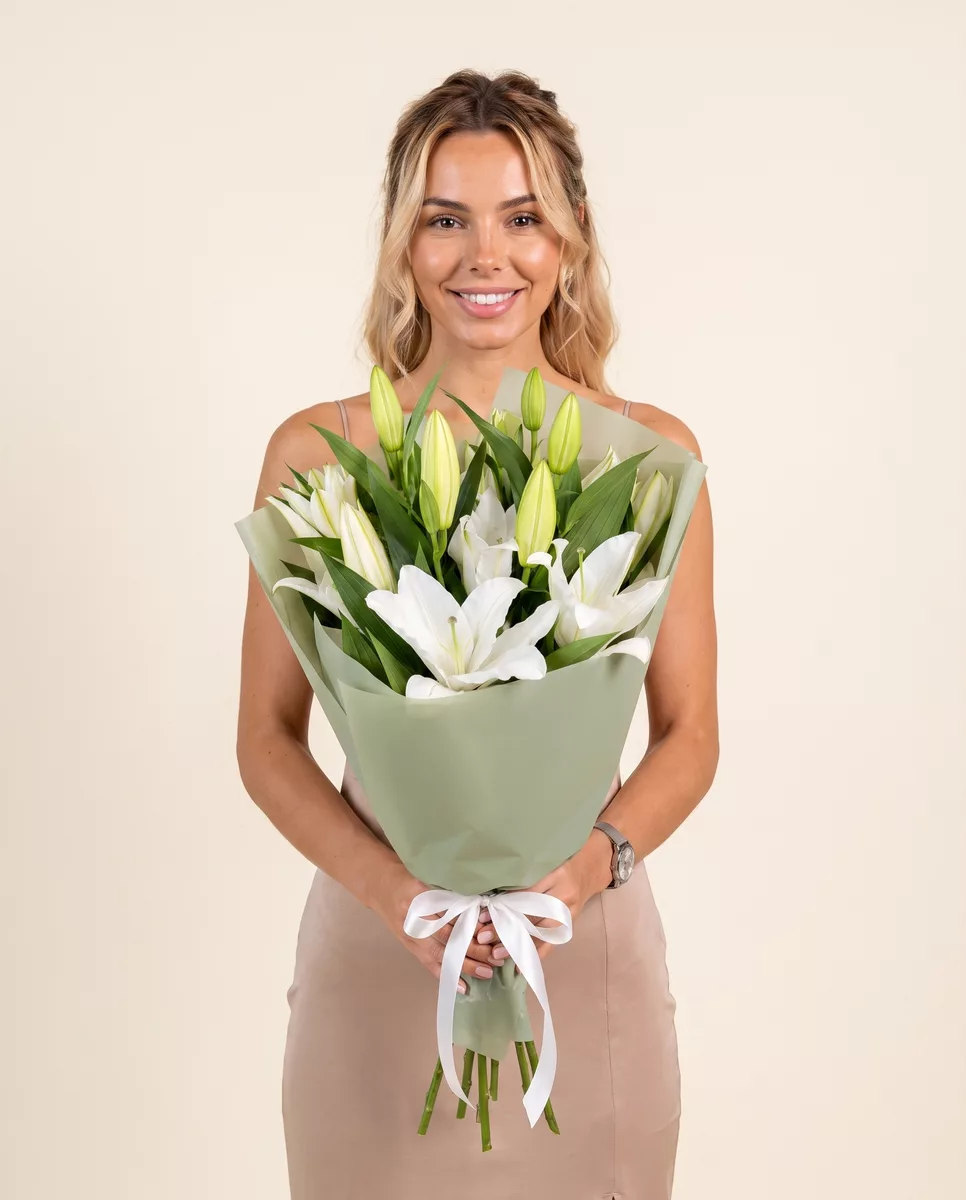
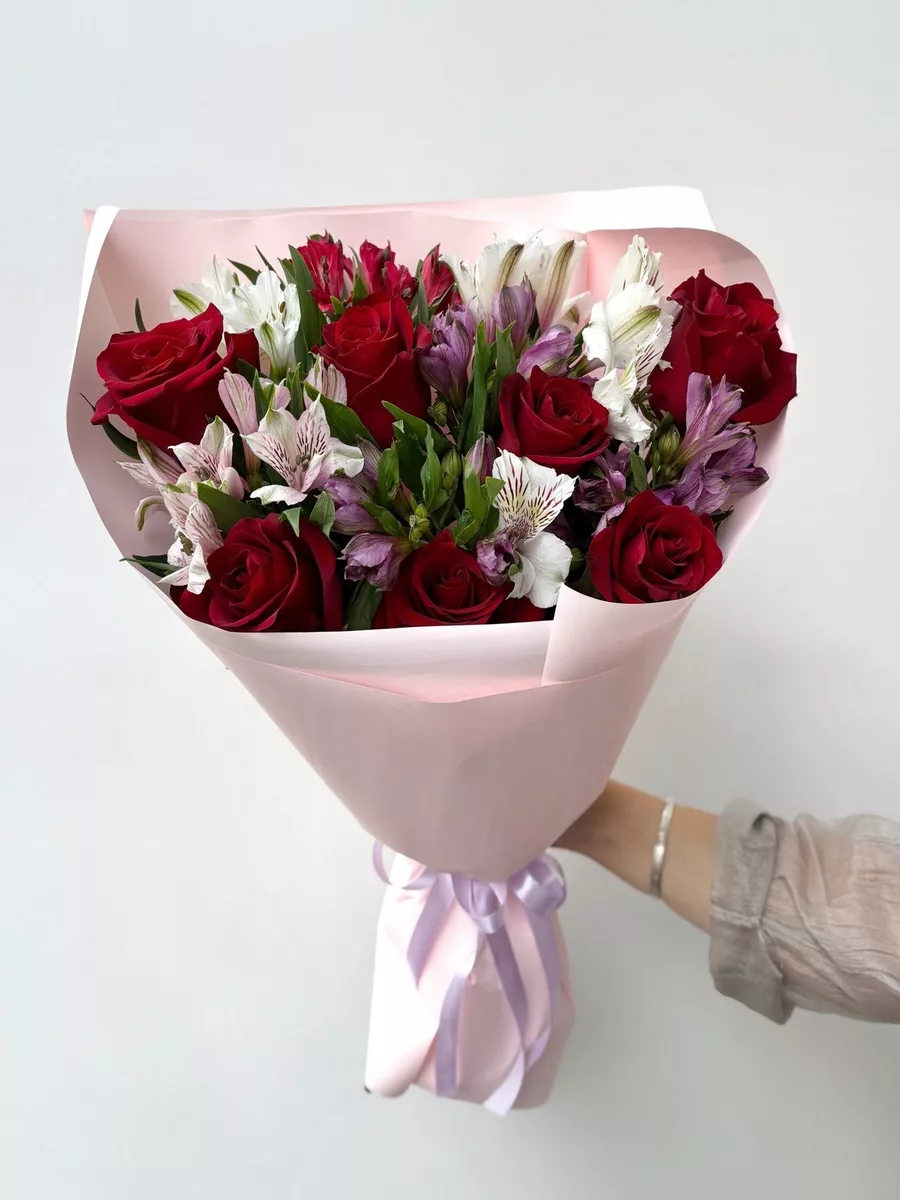
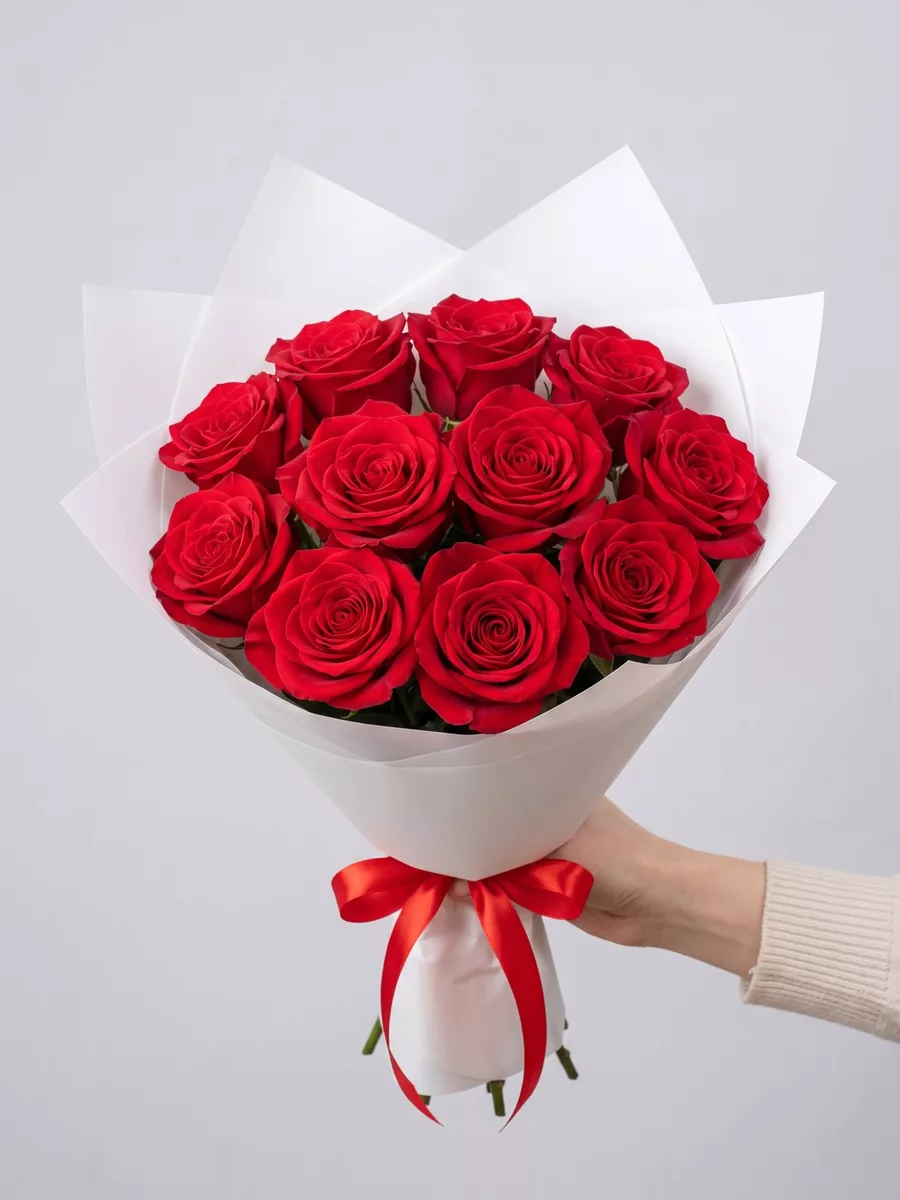
Bouquets we can deliver

Best Time Windows for International Orders
Russia operates across eleven time zones, and Seversk sits in Tomsk Time, which is UTC plus seven. A sender in London placing an order at nine in the morning is ordering at four in the afternoon Seversk time, which is still a workable delivery window on most days. A sender in Los Angeles at nine in the morning local time is already looking at midnight in Seversk, meaning the earliest realistic delivery is the following morning. Mapping your local time to UTC plus seven before you open the order form takes thirty seconds and prevents the most common mistake: paying for same-day delivery that cannot physically happen because the recipient's day has already ended. The optimal placement window for a foreign sender who wants flowers delivered the same calendar day in Seversk is roughly between midnight and noon UTC, which covers morning hours in Western Europe and very early morning on the US East Coast. Orders placed in the afternoon UTC still process, but delivery shifts to the next morning slot. For celebrations with a fixed time — a birthday dinner, an anniversary evening — build in a morning delivery rather than an afternoon one, because morning deliveries have the widest buffer if anything at the checkpoint takes longer than usual. Public holidays in Russia do not always match international calendars: Victory Day on May 9th, for example, is a major national holiday when demand spikes sharply and advance ordering by two to three days is strongly recommended. The shop's website shows the current Tomsk time on the order page so you can confirm the window before entering payment details.
Which Flowers Survive the Journey Inside a Closed City
The courier traveling to Seversk from Tomsk covers roughly fifteen kilometers, but the checkpoint stop adds time that varies by queue length and documentation processing. In summer that stop can mean twenty to forty minutes in direct sun if the courier is in a vehicle queue. In winter, Tomsk winters regularly reach minus twenty-five Celsius and occasionally colder, which is the greater threat to flower condition. Roses and chrysanthemums handle cold reasonably well when properly wrapped, but single-stem roses in thin cellophane will show petal burn at those temperatures. Bouquets destined for Seversk in winter are packed with insulating kraft paper and, for orders over a certain stem count, with an additional thermal sleeve. Eustoma, also called lisianthus, is one of the most cold-tolerant cut flowers and holds its shape well even after a checkpoint wait in low temperatures. Alstroemeria is similarly robust and comes in a wide color range, making it practical for birthdays and professional occasions alike. Gerbera daisies are the opposite: they are sensitive to both cold and heat and are not recommended for Seversk delivery between November and March. Tulips in spring are fine for the journey but require the recipient to have a vase ready immediately, because tulips continue growing after cutting and a bouquet left in a warm apartment without water for two hours will bend noticeably. Orchid sprays — specifically Cymbidium and Dendrobium — travel well in both seasons and last two to three weeks in a home environment, which makes them a strong choice when the sender wants the gift to be visible for a significant period rather than just the day of arrival.
How to Write the Delivery Address and Recipient Details Correctly
Addresses in Seversk follow standard Russian postal formatting, but foreign senders frequently enter them in the wrong field order or use English transliterations that the dispatch system cannot match to a real street. The correct sequence is: postal index, then city name Seversk, then street name in Russian or its standard transliteration, then building number, then apartment number. If you do not know the Cyrillic spelling of the street, write the name in Latin letters clearly and add a note in the comment field asking the operator to confirm the transliteration — operators handle this regularly and will call the recipient if needed to verify. The recipient's full name matters more than many senders expect. In Russia it is standard practice for a courier to ask the recipient's name at the door before handing over a bouquet, both as a confirmation and as a courtesy. Providing only a first name creates a small but real ambiguity if there are multiple residents at the address. Full name in the format Last Name, First Name, Patronymic is ideal; Last Name and First Name is the practical minimum. Phone numbers must include the Russian country code plus seven, followed by the ten-digit mobile number. Numbers written without the country code or with a plus sign but no seven are the second most common data entry error after wrong postal index. If the recipient uses a messenger app such as WhatsApp or Telegram on their Russian number, note that in the comment field: couriers can send a text message to coordinate checkpoint timing when a voice call is inconvenient for the recipient.
Payment from Outside Russia: What Actually Works
Since 2022 the Russian banking system operates largely outside the international SWIFT network for retail transactions, which means standard Visa and Mastercard issued by European, American or British banks will be declined at the payment step on most Russian e-commerce sites. This is not a shop-specific policy — it is a systemic condition that applies across the Russian retail sector. The shop accepts several payment routes that work reliably for foreign senders. PayPal transfers to a designated account work for senders in countries where PayPal still operates. Cryptocurrency payment in USDT on the TRC-20 network is accepted and has become the most frictionless option for senders in countries with strict currency controls. Bank transfer in euros or US dollars to a foreign correspondent account is available for larger orders and requires a one-business-day processing window, so it is not suitable for same-day delivery. Chinese UnionPay cards issued by Russian banks held by Russian relatives can be used if the sender has access to one through a family member. When in doubt, open a chat on the site before placing the order and describe your country and available payment method: the operator will confirm the fastest working route within a few minutes rather than letting you discover a decline at checkout. All prices on the site are shown in Russian rubles; the chat operator can provide a real-time conversion to euros or dollars on request, though the ruble amount is what gets charged and currency conversion is handled by whichever payment channel you use.
What to Write on the Card and How Russian Card Etiquette Works
A card attached to a bouquet in Russia is called a otkrytka or simply a card, and the conventions around what goes on it differ slightly from Western norms. Russians typically write the recipient's name in the greeting — not just a generic salutation — and sign with a full name or at minimum a first name and initial. Anonymous flowers do exist but are less common than in some Western European countries, and recipients generally expect to know who sent the arrangement. If you are sending from abroad and want the surprise element, you can write the city you are sending from as part of the signature: for example, a card that reads From your sister in Tel Aviv is warmly received and adds context that a bare first name does not. The card text can be in any language; the courier reads it only to confirm it is present and will not translate or interpret it. If you want a Russian-language card but do not write Russian yourself, write the text in your language in the comment field and note that you want it translated for the card — this is a standard service and operators do it daily. Keep card text under five lines of normal handwriting length: longer texts get cut off on the card format used. For significant round birthdays — fortieth, fiftieth, sixtieth — it is customary in Russia to acknowledge the milestone explicitly in the card text rather than writing a generic happy birthday. If the occasion is a professional achievement such as a defense of a dissertation or a promotion, a card that names the achievement specifically is considered more thoughtful than a generic congratulation.
Confirming Delivery and Handling Problems from a Distance
Once a delivery is completed, the courier marks the order as delivered in the system and a notification goes to the email address provided at checkout. If you placed the order using a phone number rather than an email, the notification comes as an SMS to that number. For senders in a different time zone, this notification may arrive in the middle of the night local time, which is normal — the delivery happened at the right time in Seversk and the system logged it immediately. If the order shows delivered but the recipient says they have not received anything, the first step is to check whether the recipient was reachable at the time of the delivery attempt: a missed call from an unfamiliar Tomsk number is almost always the courier. Couriers make two call attempts before marking an order as undeliverable and returning the bouquet to the dispatch point. An undelivered order because the recipient did not answer is handled differently from a shop error: the shop will redeliver once the recipient confirms availability, but the flowers lose hours of vase life during the wait, so the replacement policy depends on the condition of the bouquet at second delivery. To avoid this entirely, brief the recipient in advance: tell them a bouquet is coming on a specific date, give them an approximate time window, and ask them to watch for calls from Tomsk numbers. This thirty-second conversation between sender and recipient eliminates the majority of failed delivery attempts to Seversk and to closed cities generally. Photo confirmation of delivery — a shot of the bouquet at the door — can be requested in the comment field and couriers fulfill this regularly for international senders who want visual proof.
Seversk is reachable, and sending flowers there from abroad is a process with clear steps rather than an obstacle course. The checkpoint, the time zone gap, the payment routing and the address format are all manageable once you know what each one requires. Senders who prepare the recipient's full name, two phone numbers, a precise address with the correct postal index, and a payment method that works from their country will find that the order moves from placement to doorstep without interruption. The florist does the rest: right varieties for the season, proper cold-weather packing in winter, and a card written the way Russian recipients expect to read one. We deliver bouquets across Russia in 1–2 hours.
Frequently asked questions
Can flowers actually be delivered inside the Seversk checkpoint perimeter?
Yes. Couriers enter Seversk regularly with deliveries to residential addresses. The process requires documentation at the checkpoint and a reachable recipient who can confirm the delivery. Providing two working phone numbers for the recipient and briefing them that a bouquet is coming on a specific date removes the main source of failed attempts.
What is the postal index for Seversk and why does it matter?
The postal index for Seversk is 636070. Entering a Tomsk city index by mistake routes the order to a different dispatch queue, which delays processing. Always verify the index with the recipient before placing the order, because building addresses near the city boundary sometimes cause confusion between Tomsk and Seversk codes.
Which flowers are safest to order for Seversk delivery in January?
Eustoma, alstroemeria, spray chrysanthemums and Dendrobium orchid sprays all handle Siberian winter temperatures well when properly wrapped. Avoid gerbera daisies between November and March. Roses are fine if the bouquet is packed with insulating kraft paper and a thermal sleeve, which the shop applies to Seversk orders automatically in cold months.
How do I pay from a country where Russian bank cards are not accepted?
The most reliable options are USDT cryptocurrency on TRC-20, PayPal transfer where available, or a euro or dollar bank transfer for orders placed at least one business day in advance. Open the site chat before checkout and name your country: the operator confirms the fastest working payment route in a few minutes and prevents a surprise decline at the payment step.
Can I request a card written in Russian if I do not speak the language?
Yes. Write your message in any language in the comment field at checkout and note that you want it translated onto the card. Operators handle translation requests daily. Keep the text to five lines or fewer to fit the standard card format. For milestone birthdays or professional achievements, mentioning the specific occasion in the text is considered more thoughtful than a generic greeting.
Ready to send a bouquet?
Pick a city, choose the flowers, and we will hand them over with a photo confirmation.
Choose a city →