
Flowers Native to Russia: A Guide for Flower Lovers
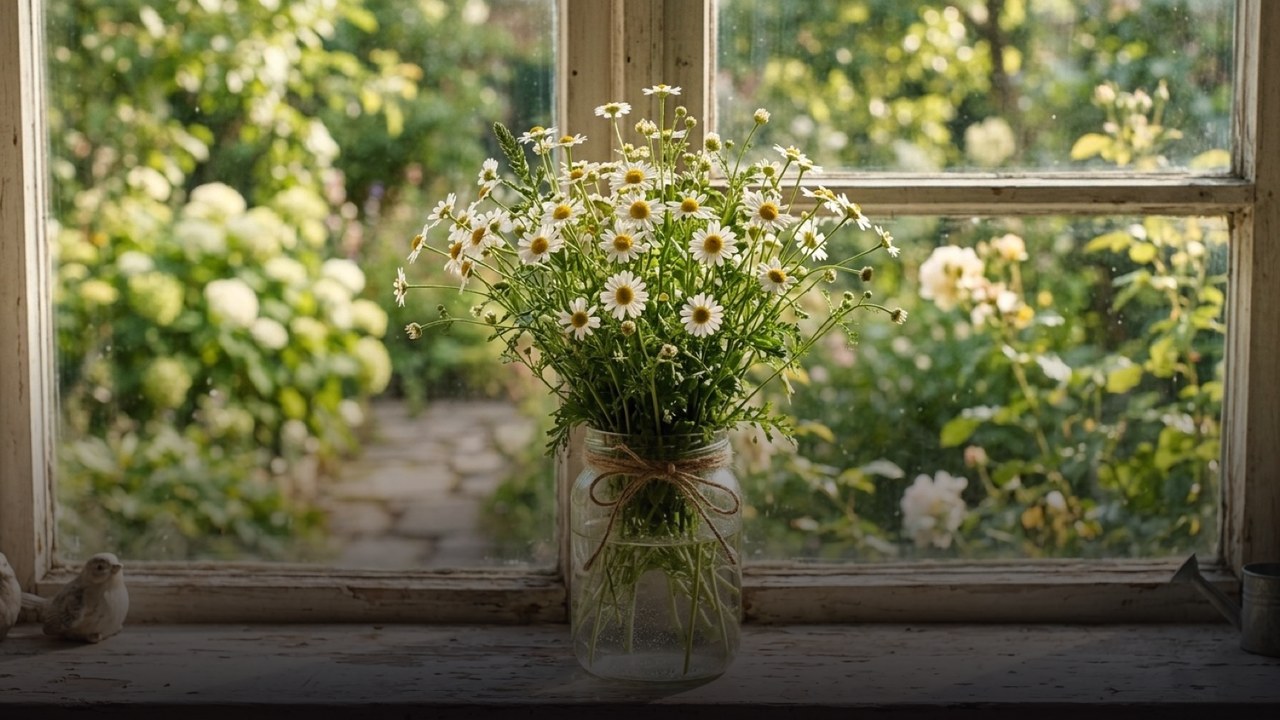
Flowers native to Russia include Siberian iris, martagon lily, European globeflower, fireweed and several wild peonies, including Paeonia anomala and Paeonia tenuifolia. Their natural ranges occupy different parts of the country, and many also grow naturally elsewhere in Europe or Asia. Native to Russia therefore means occurring naturally within its borders, rather than growing exclusively there.
Customers asking about Russian flowers often want either a botanical name or a bouquet that reminds someone of home. Those are different requests: a familiar garden flower is not necessarily native, and a wild species may be unsuitable for a vase. At Pyat Tsvetov (5 Flowers), established in Saint Petersburg in 2011, we find it useful to separate a flower’s natural origin from its appearance, associations and suitability as a gift.
Wild peonies: native species and familiar garden flowers
Paeonia anomala, sometimes called the anomalous peony or Mary’s root, occurs naturally in parts of Russia and elsewhere in Eurasia. It has pink flowers and divided foliage, but it should not be confused with every pink peony grown in a Russian garden. Paeonia tenuifolia, the fernleaf peony, is another native species found in southern Russia; its finely cut leaves and red flowers give it a very different appearance.
The large, densely petalled peonies familiar from gift bouquets are usually cultivated varieties, so their appearance alone does not establish native status. If you are identifying a plant, look for a botanical name and photographs of its leaves as well as its flower. If you are choosing a present, flower shape and the recipient’s preferences may matter more than wild ancestry. Our guide to Russian peonies explains the distinction between native species and garden varieties.
Siberian irises and martagon lilies
Siberian iris, Iris sibirica, is native to parts of Russia as well as other areas of Europe and western Asia. Its wild flowers are generally blue to violet, with narrow foliage that gives the plant a lighter outline than many large garden irises. The name does not mean it grows only in Siberia. Cultivated Siberian irises include selected varieties, while a cut stem sold simply as an iris may belong to a different horticultural group.
Martagon lily, Lilium martagon, also grows naturally in parts of Russia and has distinctive flowers with petals curving backwards. It is a woodland and meadow plant whose nodding flowers look quite different from the large, outward-facing lilies common in bouquets. Do not use a photograph of a commercial lily arrangement as proof that it contains this native species. For any lily gift, first establish whether the household has cats: true lilies can cause fatal poisoning in cats, including through pollen exposure.
Bouquets we can deliver




Meadow and woodland flowers with a Russian connection
European globeflower, Trollius europaeus, grows naturally in parts of Russia and bears rounded yellow flowers, often associated with damp meadows. Fireweed, Chamaenerion angustifolium, is another native plant, recognisable by its tall stems carrying pink-purple flowers. Its range extends far beyond Russia across the Northern Hemisphere. These examples show why a Russian wildflower list should describe habitats and regions, rather than imply that every species grows throughout the country.
Lily of the valley, Convallaria majalis, is native to parts of European Russia and is familiar for its small white bells and scent. Familiarity does not make it suitable for every home: all parts are poisonous if swallowed, so keep plants and cut stems away from children and pets. Do not gather woodland flowers for a gift without checking identification, land access and protection rules. A photograph or a drawing is a practical way to share a wildflower discovery without disturbing the plant.
Choosing a bouquet with a Russian feeling
For a gift, translate the idea of a Russian meadow or garden into visible details: a loose outline, lighter flowers, restrained wrapping or a favourite colour. These are useful preferences to describe when choosing among bouquets, but they do not establish that the stems are native species. Check the actual product description instead of relying on a bouquet’s evocative title. If exact botanical identity matters, ask about it before placing the order and avoid assuming an unlisted species can be supplied.
Flower meanings vary between families and occasions, so a personal connection is more dependable than a fixed dictionary of symbolism. Peonies might recall a relative’s garden, while blue irises might simply be the recipient’s favourite flowers. In Russian gift etiquette, an odd number is customary when giving a small, countable number of stems; even numbers are traditionally associated with mourning. Add a clear card message to explain a birthday, thank-you or family memory, especially when the gift arrives without you.
Seasonal expectations and care after arrival
Native origin does not establish when a flower will be available as a cut stem. Wild flowering dates vary with region, weather and habitat, while garden varieties can behave differently from their wild relatives. A spring woodland flower and a summer meadow flower should not be assumed to be available together. For a date-sensitive gift, choose from the bouquets catalogue, read the listed composition and resolve any essential flower preference before ordering.
For ordinary cut bouquets, begin with a clean vase, fresh water and a clean cut at the base of each stem. Remove leaves that would sit below the waterline, follow any supplied flower-food instructions and keep the arrangement away from radiators and direct sun. Check water daily and remove fading flowers promptly; mixed bouquets need attention because their components age at different rates. Native status does not predict vase life, and delicate iris flowers deserve particularly gentle handling, as discussed in our iris care guide.
Sending flowers to someone in Russia
Pyat Tsvetov delivers flowers across Russia, with city delivery costing 500 RUB; for remote districts and suburbs, the operator confirms the price when confirming the order. In large cities, express delivery takes 1–2 hours after order confirmation, and you can also select an exact time with a ±30-minute allowance or a window of 09–12, 12–15, 15–18 or 18–21. Orders can be placed 1–30 days ahead, and Saint Petersburg delivery operates around the clock. Check delivery and payment details when planning the gift, particularly if the recipient has a limited time at home.
Provide the recipient’s address and phone number, and write the card text you want included; the card is free, and delivery is anonymous by default because the courier does not name the sender. The courier calls about 15 minutes before arrival, so allow for that contact when planning a surprise. If the recipient is absent, we agree a second delivery that day or a handover to a neighbour or concierge with the sender’s consent. Online checkout uses CloudPayments: check the payment options displayed there, and call 8 (812) 507-67-05 for questions.
Frequently asked questions
Which flowers are native to Russia?
Examples include Iris sibirica, Lilium martagon, Trollius europaeus, Chamaenerion angustifolium and the wild peonies Paeonia anomala and Paeonia tenuifolia. Each has its own regional range, and native does not mean exclusive to Russia.
Are all peonies grown in Russia native species?
No. Russia has native wild peonies, but many garden and bouquet peonies are cultivated varieties. A botanical name is more useful than flower colour or a catalogue title when establishing native identity.
Can I order a bouquet made entirely of native Russian wildflowers?
Do not assume that a native species is available as a cut flower or included in a bouquet. Check the listed composition and ask about any essential species before ordering.
Is it appropriate to send an even number of flowers to Russia?
For a small bouquet with an easily counted number of stems, choose an odd number for a celebratory gift. Even numbers are traditionally associated with funerals and remembrance.
How can I pay when ordering flowers from abroad?
Online checkout uses CloudPayments; check the options displayed at checkout for your payment method. Acceptance of every foreign-issued card is not guaranteed.
Ready to send a bouquet?
Pick a city, choose the flowers, and we will hand them over with a photo confirmation.
Choose a city →