
Flowers That Should Never Share the Same Vase
Every week customers call us puzzled about why a bouquet collapsed in three days when it should have lasted ten. Nine times out of ten, the answer is sitting right there in the vase: two varieties that look beautiful together but are chemically incompatible. One produces ethylene gas, the other is exquisitely sensitive to it. Or one bleeds a sap that poisons the water for everything else. Knowing these combinations before you arrange — or before you order — saves flowers, money and disappointment.
Why Flowers Fight: Ethylene and Sap Explained
Flowers communicate through chemistry whether we like it or not. Ethylene is a colourless, odourless gas that plants produce naturally as they ripen and age. In fruit it softens flesh; in cut flowers it accelerates petal drop, causes premature wilting and triggers early senescence. Some varieties are heavy ethylene producers, meaning they release significant amounts even when they look fresh. Others are highly sensitive to ethylene, meaning even low concentrations in the surrounding air cause rapid deterioration. When you put a producer and a sensitive variety in the same vase, the producer essentially tells the sensitive flower to hurry up and die. The effect is not visible on day one, which is why people rarely connect the arrangement to the collapse. Sap is a separate problem. Several popular varieties — daffodils being the most notorious — release latex-like compounds from their cut stems into the water. These compounds are toxic to other stems drawing from the same reservoir. The affected flowers cannot take up water properly, their stems block, and they wilt from dehydration even in a full vase. Temperature matters here too: at room temperature above 20 degrees Celsius, both ethylene production and sap release accelerate noticeably. Keeping arrangements cool, below 18 degrees if possible, slows the chemistry down and buys extra days. Understanding both mechanisms — gas and sap — lets you make decisions that are practical rather than decorative.
Bouquets we can deliver



Daffodils and Virtually Everything Else
Daffodils are the single most problematic flower in mixed arrangements, and they are also one of the most popular spring choices. The stems of Narcissus varieties — including standard yellow daffodils, white paperwhites, and the double-flowered cultivars like Tahiti and Bridal Crown — exude a thick, mucilaginous sap the moment they are cut. This sap contains alkaloids that are genuinely toxic to other flowers placed in the same water. Tulips are the most visibly affected: they absorb the contaminated water and collapse within 24 to 48 hours, their stems going soft from the base up. Hyacinths, ranunculus and anemones are similarly vulnerable. The only reliable workaround is to condition daffodils separately for a full 24 hours in their own water before combining them. After that conditioning period, the sap release slows considerably, and they can be placed with other flowers without changing the water again — because changing the water re-activates cut stem bleeding. Most customers do not know this step exists. They buy a mixed spring bouquet, put everything straight into one vase, and by the next morning the tulips are lying flat. If you are ordering a bouquet that includes daffodils and tulips together, ask specifically whether the stems have been pre-conditioned. At our shop this is standard practice for any mixed arrangement involving Narcissus, but it is not universal across the industry.
Roses and Lilies: The Ethylene Problem
Roses are moderate ethylene producers, and as they age — particularly once petals begin to loosen around day four or five — their output increases. Lilies, especially Oriental varieties like Stargazer, Casablanca and Marco Polo, are among the most ethylene-sensitive flowers in common use. Placing aging roses next to fresh lilies in the same vase means the lilies receive a continuous low-level dose of ethylene that causes bud blast: the buds yellow at the tips and fail to open rather than developing properly. You lose the best part of the lily — the full open bloom — before it ever arrives. Asiatic lilies such as Tiny Sensation or Matrix are somewhat less sensitive than Orientals, but still not ideal vase companions for roses past their peak. The timing matters as much as the pairing. Fresh roses on day one with fresh lilies is a lower-risk combination; roses on day five with lilies that still have closed buds is genuinely damaging. A practical rule: if your rose petals are beginning to feel loose or the outer guard petals are browning, remove those roses from any vase containing lilies with unopened buds. Carnations are also moderate ethylene producers and share this incompatibility with lily buds. The combination of carnations and Oriental lilies is particularly common in affordable mixed bouquets, and it is one of the reasons those bouquets often disappoint. Keeping the arrangement cool, around 16 to 18 degrees, slows ethylene emission and gives the lilies a better chance.
Tulips and Roses: A Pairing That Costs Tulips Their Posture
Tulips and roses are paired constantly — they look proportionate together, the price points are compatible, and the combination is classic in Russian gifting tradition. The problem is that roses produce ethylene steadily, and tulips are sensitive to it. The result is not always dramatic wilting: more often the tulips simply stop growing. Tulips are unusual in that they continue to elongate after cutting, sometimes by several centimetres over a few days. Ethylene suppresses this growth response and can cause the stems to go limp rather than staying upright. The tulips look as though they are drooping from poor care when the actual cause is chemical interference from their vase companions. There is also a water-chemistry issue. Roses benefit from a slightly acidic water environment, which is why flower food sachets are formulated the way they are. Tulips are less demanding about pH but are very sensitive to the bacterial load in water. Roses, with their woody stems, harbour more bacteria at the cut end than soft-stemmed tulips do. In a shared vase the bacterial count rises faster than it would for tulips alone, shortening vase life for both. Re-cutting stems and changing water every two days helps significantly. Keeping the vase away from direct sunlight and heat sources — radiators are a common culprit in Russian apartments during the heating season, which runs from October through April — reduces the speed at which water quality deteriorates. If you want roses and tulips together, choose the freshest roses available and plan to refresh the water more frequently than you would for a single-variety arrangement.
Lilies of the Valley and Their Toxic Water
Lily of the valley, known in Russian tradition as landysh and enormously popular around May 1st and for spring weddings, presents a different kind of incompatibility. The entire plant — stems, leaves, flowers — contains cardiac glycosides, compounds that are genuinely toxic to humans and animals. When stems sit in water, these compounds leach into the vase water. Other flowers drawing from that water are affected: their cellular function is disrupted and vase life shortens noticeably. Roses placed in the same vase as lily of the valley typically last two to three days less than they would in clean water. Tulips and ranunculus show similar sensitivity. Beyond the effect on other flowers, the water itself becomes hazardous: children and pets who drink from the vase can be seriously harmed. This is not a theoretical risk — it is a documented one. Lily of the valley should always be arranged in its own vase, displayed out of reach of children and animals, and the water should be disposed of carefully. As a standalone arrangement in a small, narrow vase — which suits its delicate, arching stem structure anyway — it is extraordinarily beautiful and lasts four to six days in a cool room. The mistake we see most often is customers adding lily of the valley to an existing mixed bouquet because they received it separately and want everything together. Keep it separate. Its chemistry is incompatible with most common cut flowers, and the safety concern is real regardless of the floral considerations.
Stocks, Euphorbia and Other Producers to Watch
Matthiola, commonly called stocks or gillyflower, is a fragrant spike flower used frequently in mixed bouquets for its scent and vertical structure. It is a significant ethylene producer, and as the lower florets on the spike age and drop, ethylene output increases. Stocks placed with sweet peas — another ethylene-sensitive variety popular in summer arrangements — cause the sweet peas to collapse within a day or two. The combination looks wonderful at the flower market and falls apart at home. Similarly, stocks paired with open-faced ranunculus or anemones will shorten those flowers noticeably. Euphorbia — the filler plant with small white flowers and milky stems, not the succulent — releases a latex sap similar in character to daffodil sap. The sap is also a skin irritant, which is why florists handle it with gloves. In a shared vase it contaminates the water and stresses soft-stemmed flowers like sweet peas, lisianthus and anemones. Euphorbia should be seared at the cut end with a flame for two to three seconds before placing in water, which cauterises the sap channel and dramatically reduces leaching. Most customers do not do this step. If you are arranging euphorbia at home, use a lighter on the fresh cut immediately after trimming the stem. Freesias are mild ethylene producers but are very sensitive to ethylene from other sources — a counterintuitive combination that means they should not share a vase with stocks, aging roses or carnations. Freesias paired with clean-water flowers like chrysanthemums or solidago last significantly longer.
What to Do Instead: Compatible Combinations That Actually Work
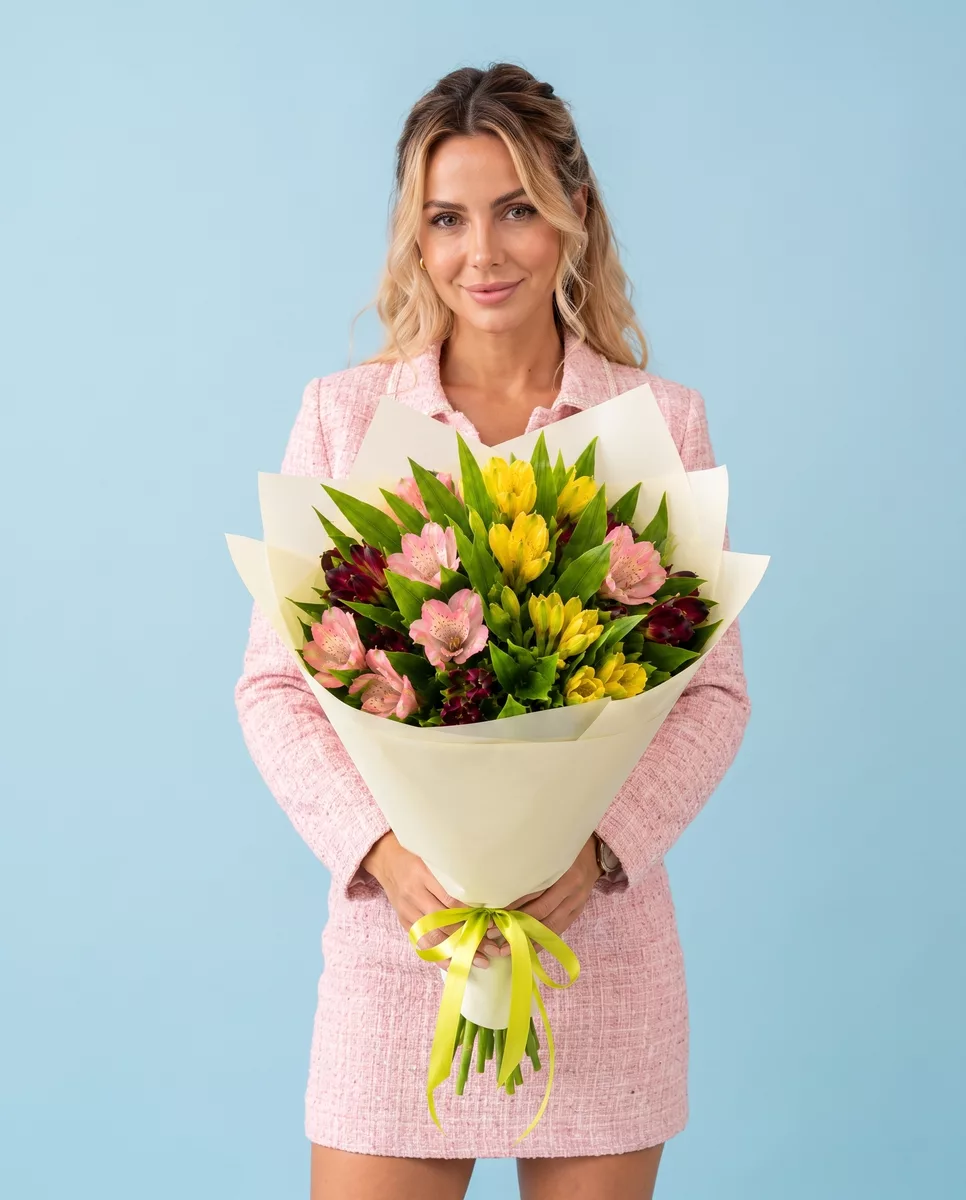
Knowing what not to pair is only useful if it leads somewhere practical. Chrysanthemums are among the most ethylene-tolerant and chemically neutral flowers in common use — they do not produce significant ethylene and their water remains relatively clean. They pair well with roses, lisianthus, statice and most foliage. Spray chrysanthemums in particular are a reliable base for mixed arrangements where longevity matters more than novelty. Lisianthus, sometimes called eustoma, is another low-producer with good tolerance. It combines well with roses, alstroemeria and peonies without chemical conflict. Alstroemeria is worth mentioning specifically: it is a low ethylene producer, lasts eight to fourteen days in clean water, and is compatible with most other flowers except aging lilies at very close range. It is underused partly because it is considered a budget flower, but its chemistry is excellent. For spring arrangements, if you want daffodils and tulips together — and many customers do, because the combination is classically beautiful — condition the daffodils separately for 24 hours first, then combine without changing the water again. For summer, stocks paired with sunflowers rather than sweet peas avoids the ethylene sensitivity problem: sunflowers tolerate ethylene reasonably well. In winter, roses paired with waxflower or eucalyptus rather than lilies gives you a long-lasting, fragrant arrangement without the bud-blast risk. The general principle is to combine flowers of similar age and similar ethylene status — either both tolerant, or both low-producing — and to keep the water cold and clean regardless of what is in it.
The vase is a small, closed environment, and what happens in the water affects everything sharing it. Ethylene moves through air, sap moves through water, and neither waits for you to notice. The combinations covered here — daffodils with tulips, roses with sensitive lilies, stocks with sweet peas, lily of the valley with anything — account for the majority of premature bouquet failures that customers blame on poor flower quality when the real cause is arrangement chemistry. Fresh flowers from a reliable source still need compatible company and clean, cold water changed regularly. When you order from us, our florists condition stems appropriately and will advise on vase life for any combination you are considering — that conversation takes thirty seconds and can add four or five days to what you receive. We deliver bouquets across Russia in 1–2 hours.
Frequently asked questions
Can I put daffodils and tulips in the same vase at all?
Yes, but only after conditioning the daffodils separately for 24 hours in their own water. This slows the sap release from the cut stems. Once conditioned, combine them without changing the water again — re-cutting the stems restarts the sap flow. Skip the conditioning step and the tulips will typically collapse within 48 hours.
How do I know if a flower is an ethylene producer or sensitive to it?
As a working rule: carnations, roses, stocks and aging lilies produce notable ethylene. Tulips, sweet peas, freesias, lisianthus and Oriental lily buds are sensitive to it. When pairing flowers, avoid putting producers next to sensitive varieties, especially once the producers are past their freshest stage, around day three or four.
Does keeping flowers cold actually help with these chemical problems?
Significantly. Ethylene production roughly doubles with every ten-degree rise in temperature. At 16 to 18 degrees Celsius, incompatible combinations cause much slower damage than at 22 to 24 degrees. Russian apartments during the heating season are often 23 to 25 degrees, which accelerates every chemical process in the vase. A cool hallway or unheated room extends vase life noticeably.
Is lily of the valley water actually dangerous, or is that overstated?
It is genuinely dangerous. Convallaria majalis contains cardiac glycosides that leach into vase water. The concentration in a small vase is sufficient to cause serious harm if ingested by a child or a pet. This is not a florist exaggeration — poison control centres document cases. Always display lily of the valley out of reach and discard the water carefully.
If I receive a mixed bouquet I did not choose, how do I reduce incompatibility damage?
Separate any daffodils into their own container immediately. Remove aging flowers — those with loosening petals or browning edges — from buds and sensitive varieties. Change the water every two days, re-cutting stems at an angle each time. Keep the arrangement below 20 degrees. These steps will not eliminate incompatibility but they slow the damage considerably.
Ready to send a bouquet?
Pick a city, choose the flowers, and we will hand them over with a photo confirmation.
Choose a city →