
Gerberas in Russia: Cheerful, Affordable and Always Available
Customers ordering for the first time often ask whether gerberas are 'serious enough' for a birthday or a thank-you bouquet. The answer from the shop floor is yes, without hesitation. Gerberas are one of the few cut flowers that arrive in Saint Petersburg warehouses every single week of the year, survive courier transit better than roses in warm weather, and cost a fraction of peonies or hydrangeas without looking cheap in the vase. The trick is knowing which colours to pick, how to combine them, and what to do the moment the bouquet lands on a doorstep.
Why Gerberas Stay in Stock All Year in Russia
Russia imports the overwhelming majority of its cut gerberas from the Netherlands and Colombia, with smaller volumes coming from domestic greenhouse operations in Krasnodar Krai and the Moscow region. Dutch auction shipments reach Saint Petersburg three to four times a week, which means the gap between field cutting and shop availability is typically 48 to 72 hours — shorter than for many tropical flowers. Colombian stems take longer in transit but are cut at a tighter bud stage, so they often outlast Dutch stems once they open in a warm room. Because gerberas are grown under controlled greenhouse conditions rather than seasonally outdoors, there is no true off-season. The only period when supply tightens slightly is the two weeks around 8 March, International Women's Day, which is the single biggest flower-buying date in Russia. Demand for everything spikes then, and gerberas are no exception. If you are ordering for that date, placing the order two or three days in advance is genuinely useful rather than just a marketing suggestion — it lets the shop pull stems from incoming shipments before they are allocated elsewhere. For every other date on the calendar, same-day delivery within one to two hours is realistic because the warehouse holds working stock. That consistent availability is exactly why florists reach for gerberas when a customer needs volume, colour and reliability without a large budget.
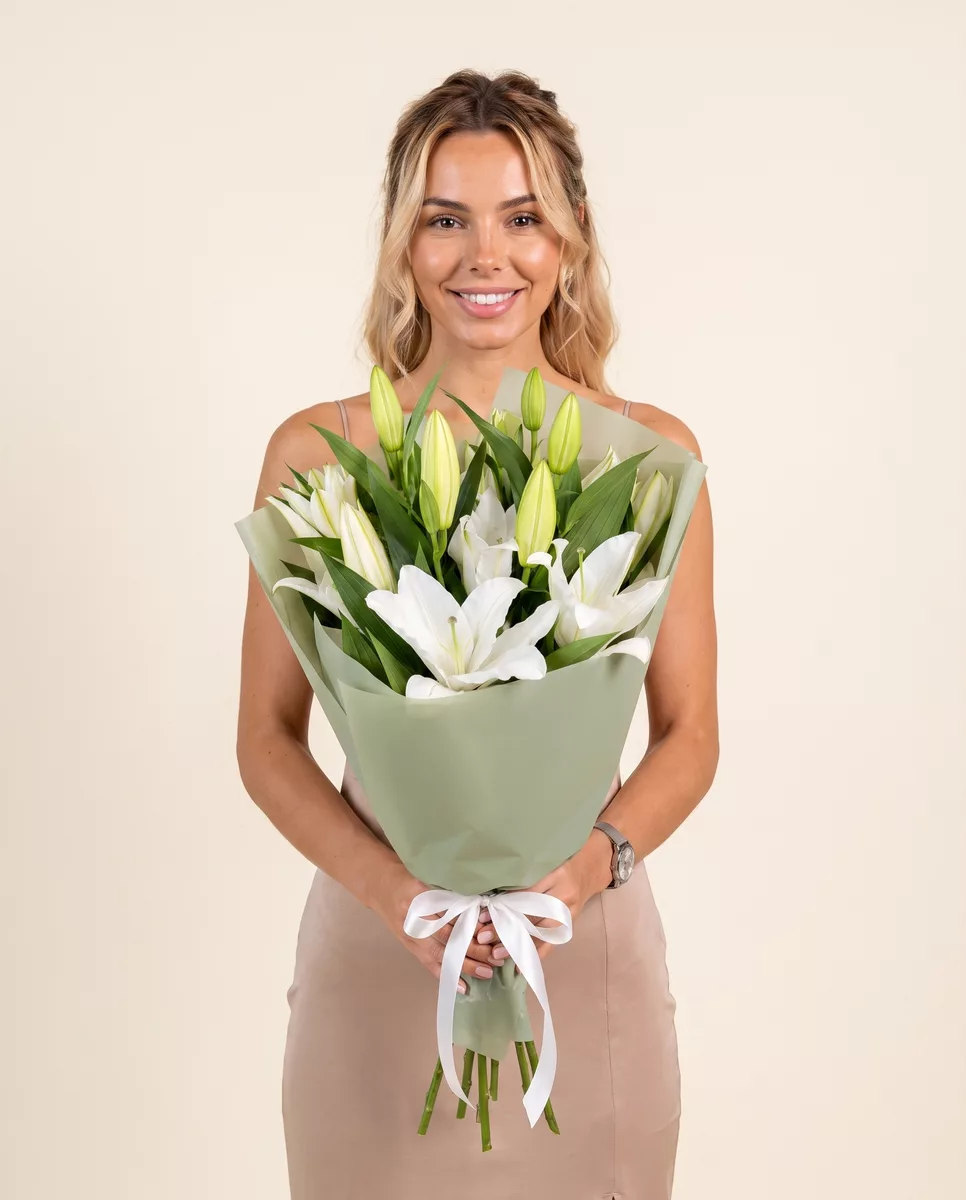
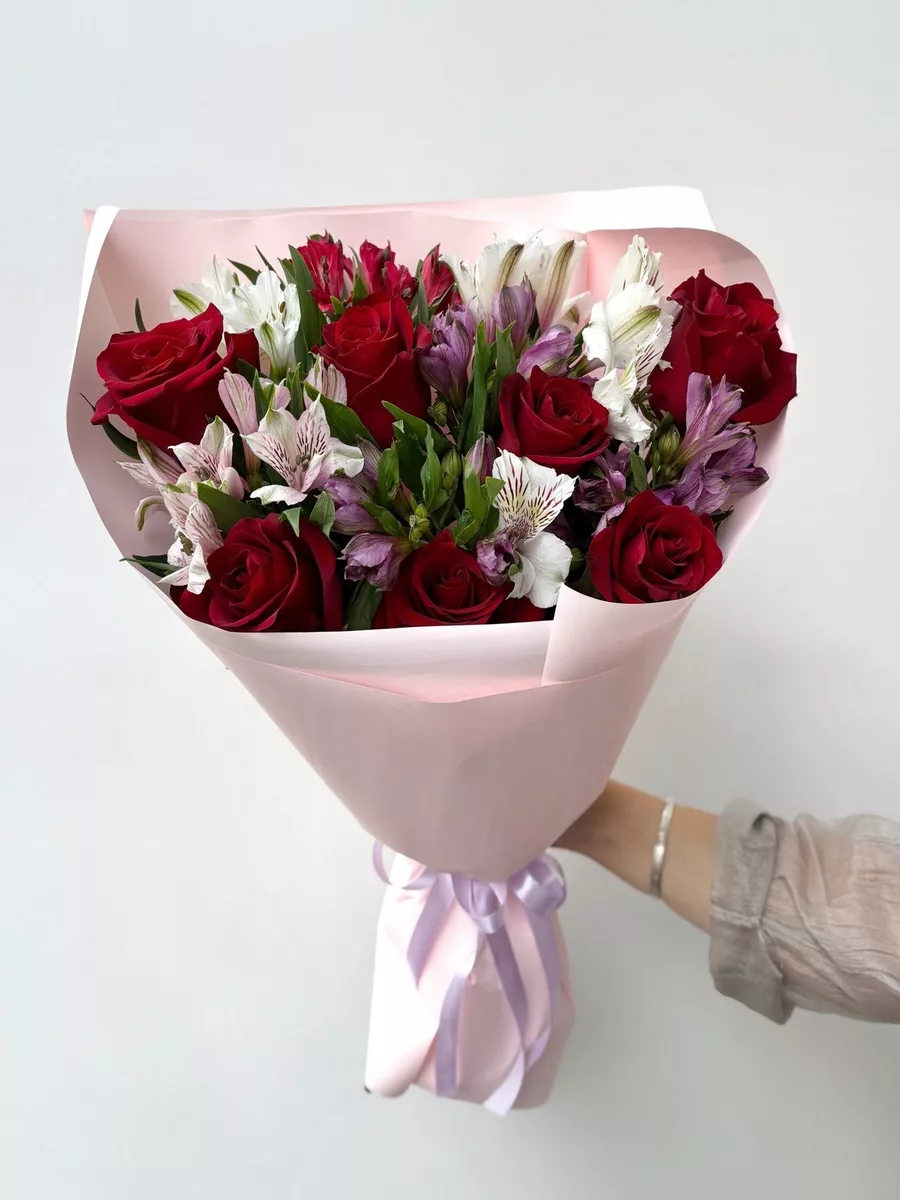
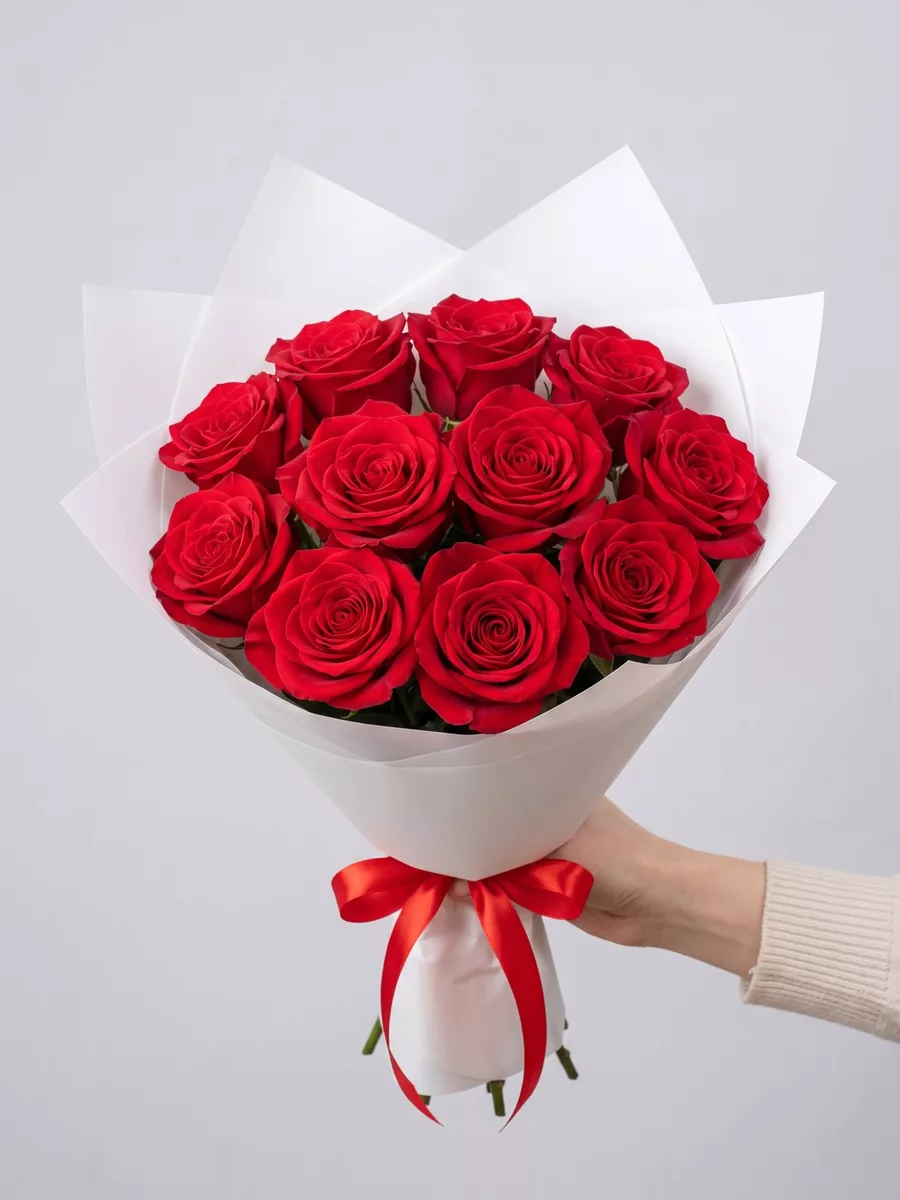
Bouquets we can deliver

Which Colours Sell Best and Why That Matters to You
Red and orange gerberas move fastest in Russia, followed closely by bright yellow and hot pink. White and cream gerberas are popular for corporate arrangements and new-baby deliveries but sell more slowly than the saturated tones. Bi-colour varieties — stems where the outer petals are one shade and the dark centre disc creates a strong contrast — have grown steadily in demand over the past few years, particularly among younger buyers who want something that photographs well. Pale lavender and mint-green gerberas exist and are genuinely beautiful, but they are specialty orders rather than standard stock, so availability is less predictable. The practical consequence for a customer is simple: if you choose red, orange, yellow or pink, the shop can fulfil the order from on-hand stock and deliver within the standard window. If you want a very specific pale or unusual colour, it is worth calling ahead to confirm availability rather than assuming the website photo represents what is physically in the cooler today. In Russia, gerberas are also strongly associated with cheerful occasions — birthdays, graduations, congratulations for a new job or apartment. They are not traditionally used for formal condolence arrangements, which means giving a bright gerbera bouquet reads as unambiguously celebratory. For someone sending flowers to a Russian recipient for the first time, that cultural clarity is genuinely helpful: you are unlikely to send the wrong signal with gerberas the way you might with certain white flowers in other contexts.
Stem Length, Head Size and What the Numbers Actually Mean
Gerberas are graded primarily by stem length and flower head diameter. Standard stems run 50 to 60 centimetres; mini gerberas — sometimes called germini — have heads of roughly 5 to 7 centimetres and stems of 40 to 45 centimetres. Full-size gerberas have heads of 10 to 12 centimetres and look substantial even in a small bouquet. When a florist says a bouquet contains fifteen gerberas, those numbers represent real visual weight: fifteen full-size heads in a hand-tied arrangement fill a 30-centimetre diameter circle and stand about 55 centimetres tall out of the vase. That scale matters for table centrepieces, where a too-small bouquet disappears, and for photography, where you want the flowers to read clearly. Mini gerberas are often used to add texture and movement between larger blooms — they work well mixed with standard roses or spray chrysanthemums. One mistake customers make when ordering online is choosing a bouquet by stem count without checking head size. Twenty germini look noticeably more delicate than twenty standard gerberas, and neither is wrong, but they suit different purposes. If you are sending to a large office common area, full-size stems make more sense. For a desk arrangement or a child's birthday, germini are charming and proportionate. The shop can advise on this when you call or message, and specifying the setting — office, home kitchen table, hospital room — takes about ten seconds and prevents the most common sizing disappointment.
Temperature, Water and the First 30 Minutes After Delivery
Gerberas are hollow-stemmed, which makes them more sensitive to handling than solid-stemmed flowers like roses. The hollow channel can trap air bubbles that block water uptake, and this is the main reason gerberas droop prematurely — not because they are a fragile flower, but because the stem was not cut and conditioned correctly. The moment a delivered bouquet arrives, the recipient should cut one to two centimetres off each stem at a 45-degree angle using a sharp knife rather than scissors, which crush the hollow channel. The bouquet should go immediately into clean, cool water — around 15 to 18 degrees Celsius is ideal. Gerberas do not like warm water, and they do not like deep water either: keeping the water level at roughly one third of the stem height prevents stem rot at the base. The vase should be clean, because bacterial growth in dirty water blocks the stem faster than almost anything else. Flower food sachets, which are included with most shop bouquets, contain a mild biocide and a sugar source; using them correctly extends vase life noticeably. Change the water every two days, re-cut the stems each time, and keep the bouquet away from direct sun, radiators and fruit bowls — ethylene gas from ripening fruit accelerates petal drop in gerberas faster than in most other flowers. Followed consistently, these steps are the difference between a bouquet that lasts five days and one that looks good for twelve to fourteen days.
Keeping Stems Upright: the Drooping Problem Explained
The single most common complaint about gerberas is that the heads droop forward within a day or two even when the petals still look fresh. This happens because the hollow stem loses rigidity when water uptake is incomplete, and the large heavy head tips forward under its own weight. The fix is not to add a support wire — that is a florist's workshop technique and not practical at home — but to address the water uptake problem directly. First, make sure the stem cut is fresh and clean. Second, keep the stems short relative to the vase: a stem that extends more than 15 centimetres above the vase rim has more leverage working against it. Third, pack the bouquet tightly enough in the vase that the stems support each other laterally; a single gerbera in a wide-necked vase with nothing to lean against will droop faster than the same stem in a crowded arrangement. Some people wrap the upper stems loosely in paper for the first few hours after delivery to hold the heads upright while the stems hydrate — this actually works and is worth trying if drooping starts early. If a stem does droop, re-cutting it shorter and placing the vase in a cool room, around 12 to 15 degrees Celsius, for two to three hours often revives it. The refrigerator works if the temperature stays above 5 degrees and the bouquet is away from the freezer compartment. Below 4 degrees, gerberas suffer cold damage on the petals, which shows as translucent patches that do not recover.
Combining Gerberas with Other Flowers Without Overpowering the Bouquet
Gerberas are visually dominant flowers — the large flat head draws the eye immediately — so the flowers around them need to either complement the colour or provide enough textural contrast to hold their own. Eucalyptus and ruscus are the most common greenery choices because their grey-green tones calm the intensity of bright gerbera colours without competing. Spray roses work well with germini because the scale relationship is balanced. Standard roses combined with full-size gerberas can look busy unless the palette is tightly controlled — two colours maximum works better than five. Waxflower and limonium add a fine-textured filler that frames gerbera heads without blocking them. Customers sometimes request gerberas with lilies, which can be beautiful but requires attention to timing: lilies take longer to open than gerberas, so a bouquet assembled when the lilies are still in tight bud may have fully open gerberas and closed lilies for the first two days, then switch. If the occasion is an immediate presentation — a birthday party, a corporate event — it is worth asking the florist to choose lily stems that are already showing colour and beginning to open. One combination that consistently disappoints is gerberas with sunflowers: both flowers have large, flat, dominant heads, and they compete rather than complement. The result looks crowded and neither flower shows at its best. Gerberas with greenery alone, or with a single accent flower, almost always look more considered than a mixed bouquet where every element is trying to be the centrepiece.
Gerberas earn their place as Russia's most reliable everyday flower not through novelty but through consistency. They arrive fresh multiple times a week, hold their colour longer than almost any other cut flower at the same price point, and suit every occasion that calls for something genuinely cheerful rather than formally grand. The customers who get the most out of them are the ones who take five minutes on delivery day — fresh cut, cool clean water, correct vase depth — and then leave the bouquet alone in a sensible spot away from heat and fruit. Do that, and two weeks of colour is a realistic expectation rather than an optimistic one. We deliver bouquets across Russia in 1–2 hours.
Frequently asked questions
Are gerberas appropriate for a birthday bouquet in Russia, or are they considered too casual?
Gerberas are a completely standard birthday flower in Russia and carry no casual or low-effort connotation. Bright colours — red, orange, hot pink — are especially well received. A well-assembled bouquet of fifteen to twenty full-size gerberas reads as a generous, celebratory gift and is a common choice across all age groups.
How many gerberas do I need for a bouquet that looks full rather than sparse?
For a hand-tied bouquet that looks substantial, eleven full-size gerberas is a practical minimum. Fifteen is a comfortable standard. If you are using germini rather than full-size heads, count on twenty to twenty-five stems for equivalent visual density. The vase size matters too — ask the florist to match stem count to the intended container if you know it.
Can gerberas be delivered in very cold Russian winter weather without damage?
Yes, with proper packaging. Gerberas are wrapped in insulating paper sleeves for cold-weather delivery and should not be left on a doorstep in temperatures below minus five degrees Celsius for more than a few minutes. Unwrap them promptly indoors and let them adjust to room temperature for 20 minutes before cutting stems and placing in water.
Why do my gerberas droop even though the petals still look fresh and colourful?
Drooping in gerberas almost always means incomplete water uptake through the hollow stem, not petal deterioration. Re-cut the stems at a sharp angle, place them in fresh cool water at one-third stem depth, and move the vase to a cooler room for two to three hours. Most drooping stems recover fully within that window if the petals are still intact.
Is it true that the number of flowers in a bouquet matters in Russian culture?
Yes. In Russia, odd numbers of flowers are given to living recipients for celebratory occasions, while even numbers are associated with mourning. A bouquet of eleven, fifteen or twenty-one gerberas is culturally correct for a birthday or congratulations. When ordering, the shop follows this convention automatically unless you specify otherwise.
Ready to send a bouquet?
Pick a city, choose the flowers, and we will hand them over with a photo confirmation.
Choose a city →