
Lily Vase Life: How Long Cut Lilies Last and What Keeps Them Fresh
Cut lilies usually last 7 to 14 days in a vase, and a stem picked with mostly closed buds often gives you close to two weeks of flowering, because the buds open one after another rather than all at once. The real vase life depends on three things: how open the buds were when the bouquet arrived, how clean the water is kept, and how warm the room is.
In our shops in Saint Petersburg lilies are one of the flowers people ask about most, and the questions are always practical: whether the closed buds will really open, what to do about the orange pollen, why the lower flowers fade while the top ones are still green. Here is what we tell customers at the counter, grouped by the stages of a lily's life in the vase.
Why lilies last longer than most cut flowers
A lily stem carries several buds, typically three to six on Oriental and Asiatic varieties. The lowest bud opens first, and each flower lives about four to six days, while the buds above it are still developing. That staggered flowering is the reason a lily bouquet keeps looking fresh for so long: by the time the first flower fades, the second and third are at their peak.
Different groups behave a little differently. Oriental lilies, the large, strongly scented white and pink ones, are slow and steady and usually give the longest display. Asiatic lilies have no scent or very little, open faster and come in warm colours from yellow to deep red. LA hybrids combine the sturdiness of Asiatics with larger flowers and a light scent. Longiflorum, the classic white trumpet lily, is elegant and lasts well but is less common in mixed bouquets.
Calla lilies are a different plant altogether, despite the name, and age in their own way: the single sculptural flower stays smooth for a week or more, then the edges start to curl. If you are choosing between the two for a gift, our article on calla lilies in Russia covers their vase life in detail.
The first hour: preparing lilies for the vase
When a bouquet arrives, unwrap it, but keep the arrangement tied if it was assembled in a spiral; it was built to stand that way. Cut 1-2 cm off each stem at an angle with a sharp knife, ideally under running water, so the stem takes up water straight away instead of drawing in air. Remove every leaf that would sit below the waterline, because submerged foliage decays quickly and turns the water cloudy.
Use a tall, heavy vase. A lily stem with several open flowers is top-heavy, and a light vase tips over at the first touch. Fill it with cool, clean water to about two thirds of the height. If the bouquet came with flower food, dissolve it fully in the water; it contains sugar for the opening buds and an agent that slows bacterial growth.
Place the vase where it will stay. Lilies turn their faces towards light, and moving the vase daily makes the stems bend in different directions. A bright spot without direct sun, away from radiators, heaters and the kitchen fruit bowl, is ideal. Ripening fruit releases ethylene, which speeds up ageing in many cut flowers and causes buds to drop before opening.
Bouquets we can deliver



Pollen: the step that changes everything
When a lily flower opens, six anthers covered in rust-orange pollen appear around the centre. Take them off as soon as the flower opens and before the pollen loosens: pinch each anther with a tissue and pull gently. The flower looks just as beautiful without them, and removing them has two benefits. The pollen no longer stains petals, tablecloths and clothes, and the flower itself lasts a little longer because it is not putting energy into pollination.
If pollen does get onto fabric, do not rub it and do not use water first, as both drive it into the fibres. Lift it off with sticky tape or shake it out, then leave the item in sunlight, which fades the remaining stain. On petals, a soft brush or a dry tissue usually removes it. We cover more detail on this in extending lily vase life.
Daily care that adds days
Change the water every two days, or every day in a warm flat, and rinse the vase each time. Bacteria that build up in the water block the stems from inside, which is the main reason lilies fade early even when there is plenty of water in the vase. Each time you change the water, trim another centimetre off the stems with a clean knife.
Remove each flower as it fades. Snap or cut off the wilted bloom where it joins the stem; this keeps the bouquet tidy and directs water and sugar to the buds that are still opening. A lily with spent flowers left on looks tired even when the top half is perfect.
Temperature matters more than anything else after clean water. At around 18-20 degrees, lilies open steadily and hold each flower for its full life. In a hot room close to a radiator, the whole stem opens within a few days and the display ends sooner. In winter, a cooler bedroom or hallway at night can noticeably extend the life of the bouquet.
Buds that stay green and tight for a long time usually need a little more light and warmth. Move the vase to a brighter spot for a day. Buds that turn yellow and dry without opening are often the smallest ones at the very top of the stem; they rarely open in a vase and can be removed so they do not draw water from the rest.
Lilies, scent and pets: what to consider before you send them
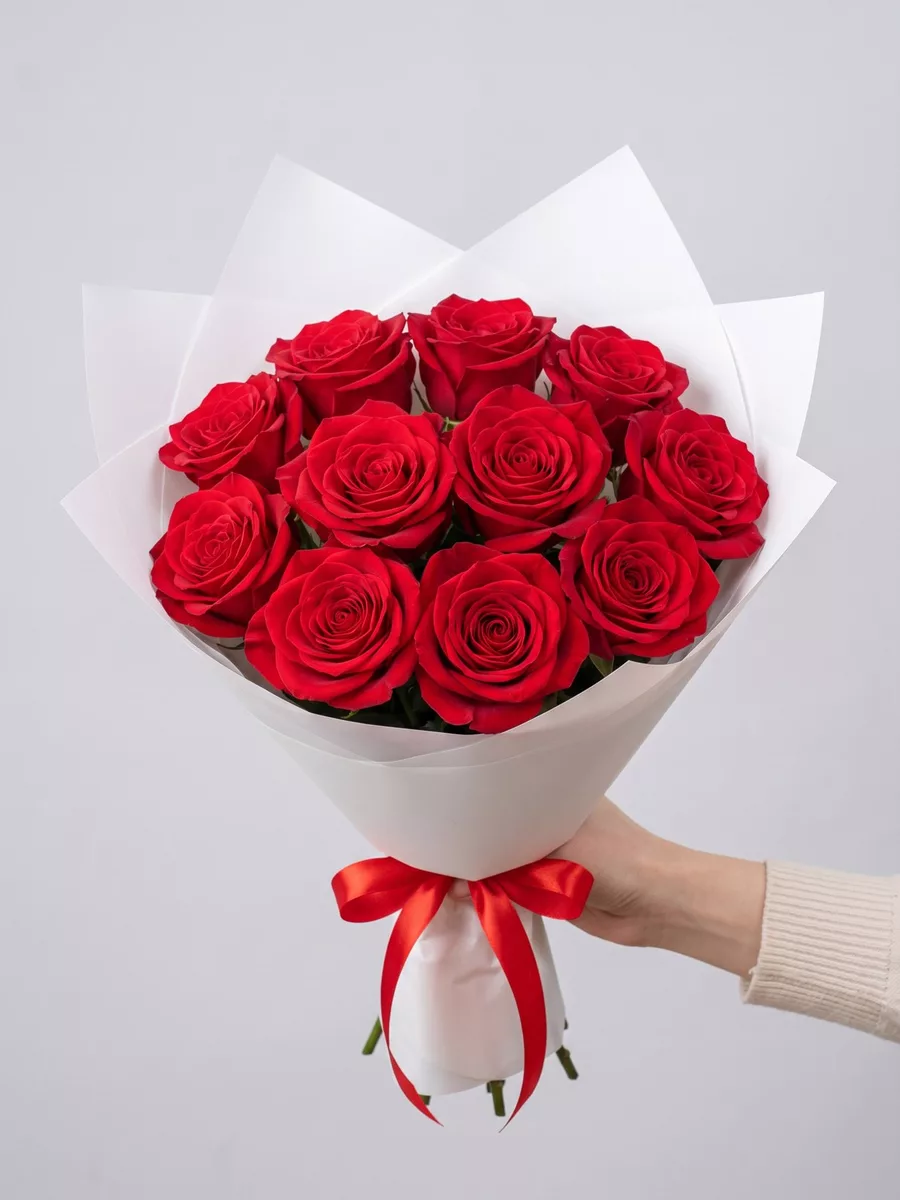
Lilies are highly toxic to cats. All parts of the plant are dangerous, including the pollen and the water from the vase, and even a small amount can cause serious kidney damage. If your recipient has a cat, choose a different flower; this is one of the first things we ask customers in the shop when they pick lilies as a gift. Roses are a safe and long-lasting alternative, and our guide to roses in Russia explains which varieties hold up best.
The scent of Oriental lilies is strong and fills a room. Many people love it, but it can be too much in a small bedroom, a hospital room or an office meeting room. For those settings choose Asiatic lilies, which have little or no scent, or a different flower altogether. Removing the pollen also softens the scent slightly.
In Russia, white lilies are associated with purity and are a frequent choice for weddings and for congratulating a new mother, while pink and orange varieties suit birthdays and anniversaries. They are not considered a funeral-only flower, as they sometimes are elsewhere, but a bouquet of only white lilies is also given to express sympathy, so a touch of colour signals celebration.
Sending lilies to Russia so they arrive at the right stage
For the longest vase life, a lily bouquet should arrive with one or two flowers open and the rest in bud. That way the recipient sees the beauty immediately and still has a week or two of opening flowers ahead. Choose a bouquet in our catalogue and plan the delivery for the day of the occasion rather than days ahead, so nothing is spent before the celebration.
Pyat Tsvetov has run its own flower shops in Saint Petersburg since 2011, and we deliver across Russia. Delivery within the city costs 500 RUB; for remote districts and suburbs the operator confirms the price when confirming the order. In Saint Petersburg we deliver around the clock. In large cities, express delivery takes 1-2 hours after the order is confirmed, or you can choose an exact time give or take 30 minutes, a time window (09-12, 12-15, 15-18 or 18-21), or a date 1 to 30 days ahead.
Payment is online by bank card, SBP or Yandex Pay, and foreign bank cards are accepted via Robokassa. Delivery is anonymous by default, and the card with your text is free; a short line such as "remove the orange pollen as the flowers open" is a thoughtful addition for someone who has not had lilies before. The courier calls the recipient about 15 minutes before arrival, and if nobody is home we agree a second delivery the same day or hand the flowers to a neighbour or concierge with your consent. See delivery and payment for details, or call 8 (812) 507-67-05.
Frequently asked questions
How long do lilies last in a vase?
Usually 7 to 14 days. Each flower lives about four to six days, but the buds open in turn, so a stem bought mostly in bud keeps flowering for close to two weeks.
Should I remove the pollen from lilies?
Yes, as soon as each flower opens. It prevents stains on petals and fabric and helps the flower last a little longer.
Why are my lily buds not opening?
Tight green buds usually need more light and warmth, so move the vase to a brighter spot. The smallest buds at the very top often do not open in a vase and can be removed.
Are lilies safe if there is a cat at home?
No. All parts of the lily, including pollen and vase water, are highly toxic to cats, so choose another flower for a home with cats.
Can I pay for a lily bouquet from abroad?
Yes. Foreign bank cards are accepted via Robokassa, and you can also pay by bank card, SBP or Yandex Pay.
Ready to send a bouquet?
Pick a city, choose the flowers, and we will hand them over with a photo confirmation.
Choose a city →