
Odd or Even Numbers in a Russian Bouquet: What You Need to Know
Every week someone calls us and asks why we quoted them eleven roses instead of twelve. It is not a pricing trick or a stock issue. In Russia, the number of stems in a bouquet carries social meaning that most people outside the country have never encountered, and getting it wrong can turn a warm gesture into an awkward one. This article breaks down the rule precisely, explains where it comes from, names the exceptions, and tells you exactly what to check before you confirm your order.
The Core Rule: Why Odd Numbers Are the Default in Russia
In Russia, bouquets given for celebrations, birthdays, anniversaries, graduations, and professional achievements are assembled with an odd number of stems. One, three, five, seven, nine, eleven — these counts are considered correct for a living gift. The rule applies across the country, from Saint Petersburg to Vladivostok, and it holds regardless of the flower variety. Whether you are ordering a single-variety bundle of spray roses or a mixed arrangement with lisianthus, tulips, and eucalyptus, the stem count should land on an odd number. Florists who work the counter here hear the same question repeatedly from customers placing orders for colleagues or relatives they have not seen in years: does the number actually matter? It does, and the people receiving the bouquet will notice. The preference for odd numbers in celebratory contexts is deeply embedded in everyday Russian social practice. It is not a superstition in the way that some customers frame it — it is closer to a widely shared convention, the kind that operates quietly until it is broken. When a bouquet arrives with an even count, the recipient often counts the stems automatically, the way a native speaker notices a grammatical error without consciously trying. Most Russian recipients will not say anything, but the impression registers. Building your order around an odd count from the start costs nothing and removes any ambiguity.
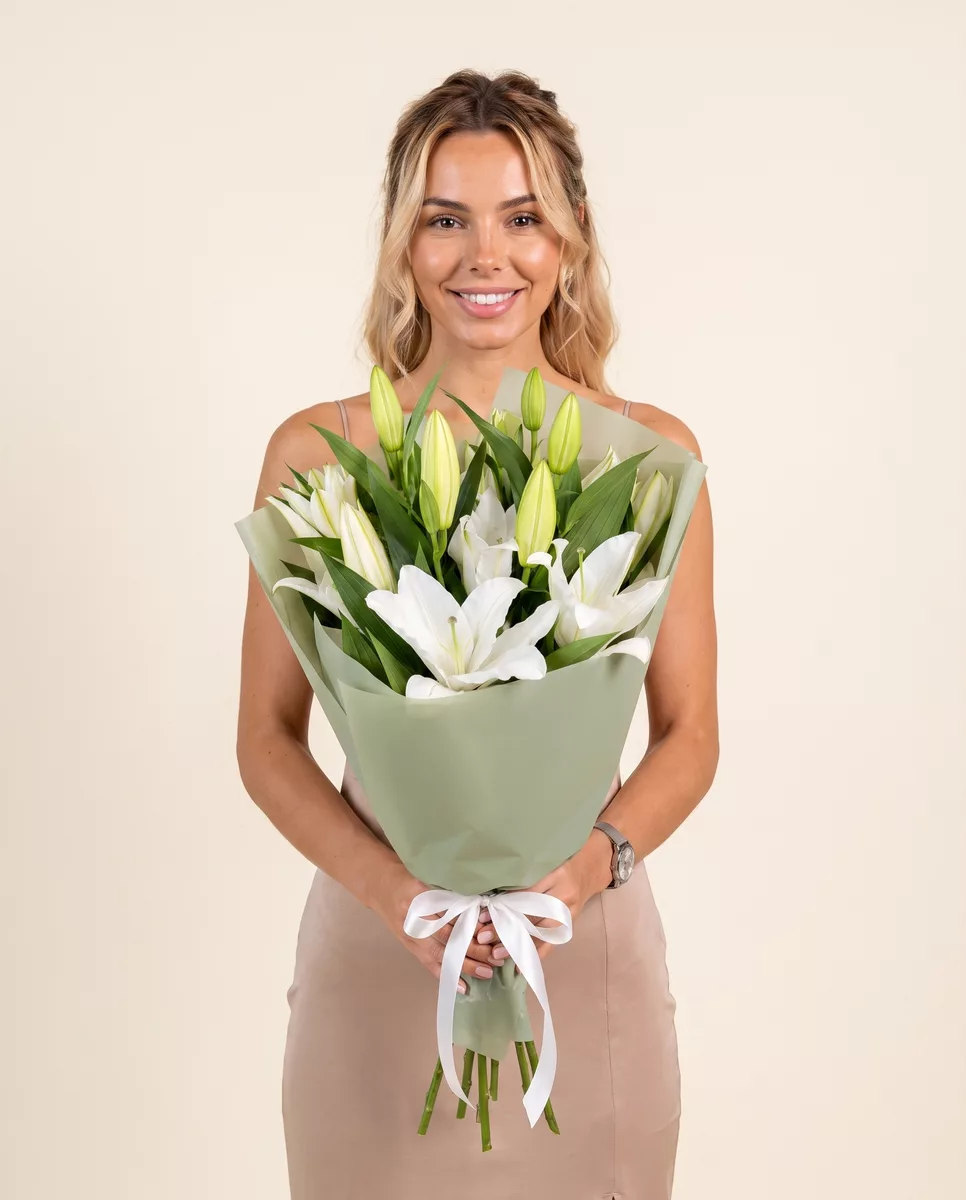
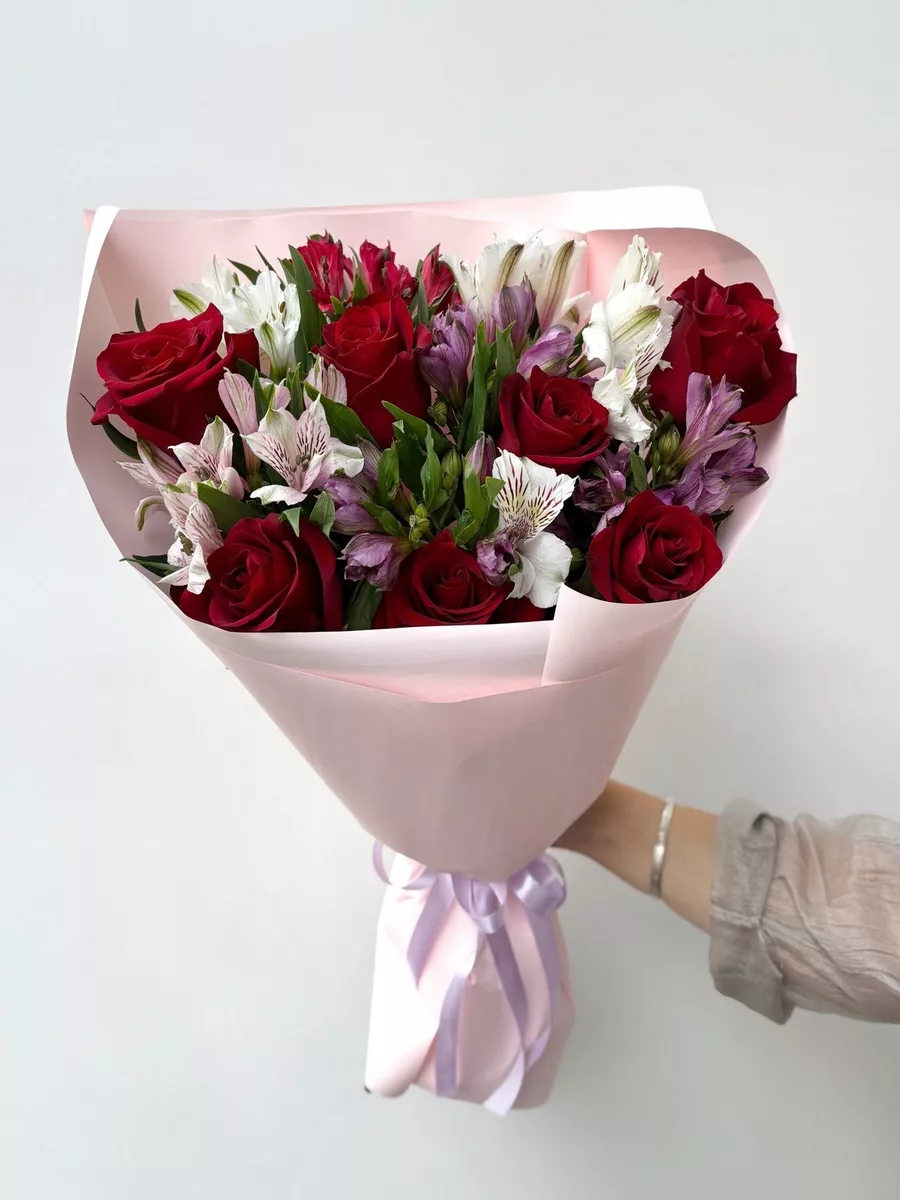
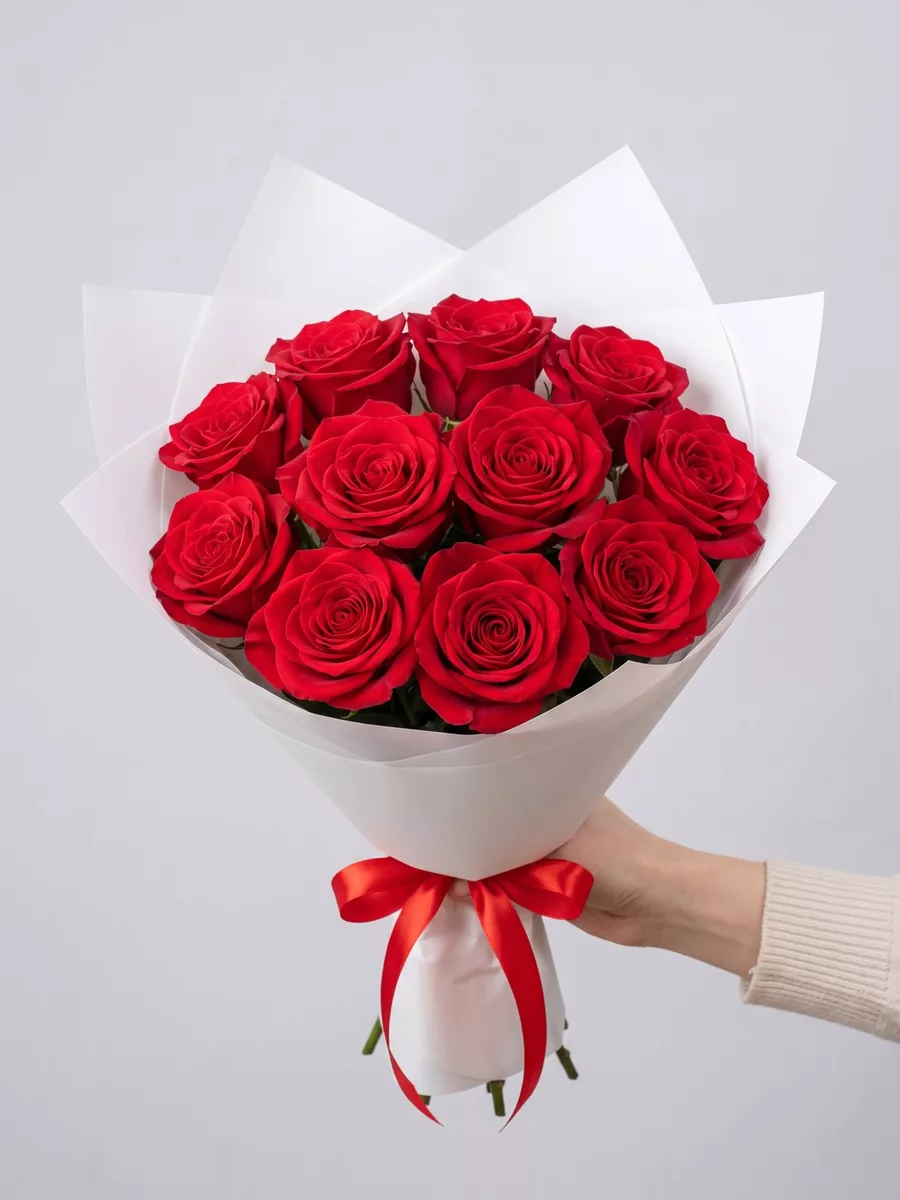
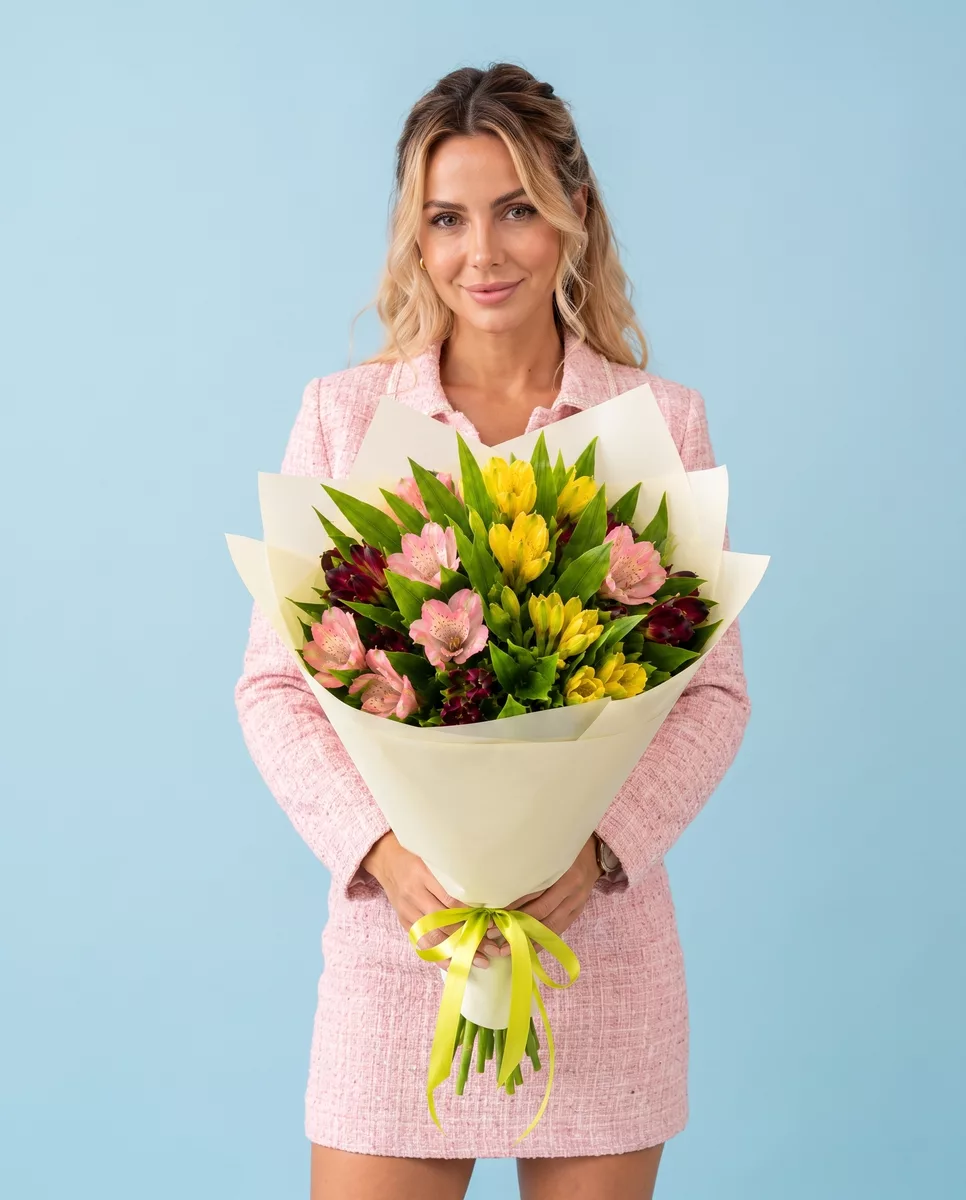
Bouquets we can deliver
Where the Even-Number Taboo Actually Comes From
The association between even numbers and mourning in Russian culture has historical roots that are genuinely old, though the exact origin is debated among ethnographers. What is not debated is the practical outcome: even numbers of flowers are strongly linked to funeral and memorial contexts in contemporary Russian social understanding. This means that arriving at a birthday dinner with a bouquet of twelve peonies, however lush and expensive those peonies are, risks sending a signal the giver almost certainly did not intend. The association is not universal across all Slavic cultures, but within Russia it is consistent enough that professional florists treat it as a firm working rule rather than a regional quirk. It is worth being specific about what even means here. Two, four, six, eight, ten, twelve — all of these counts carry the association in a celebratory context. The number does not need to be small to trigger it. A large bouquet of twenty-four stems is just as problematic by this convention as a small one of four. Customers sometimes assume that once a bouquet gets large enough the count stops mattering. That is not how it works in practice. The other thing customers get wrong is assuming the rule applies only to roses. It applies equally to tulips, chrysanthemums, alstroemeria, gerberas, and mixed bouquets. Variety does not override the count convention. If you are ordering for someone who observes Russian customs, the stem number matters regardless of which flowers you choose.
The One Genuine Exception: Single-Stem Gifts
One stem is an odd number, so a single rose or a single peony is perfectly correct by Russian convention. Single-stem gifts are common for a range of situations: a quick gesture of appreciation, a first date, a spontaneous thank-you. A single garden rose with a few leaves of ruscus or a sprig of wax flower is a complete and socially legible gift. There is nothing insufficient about it if the occasion is informal. Where customers sometimes get confused is with even small multiples. Two stems is even, three is odd. If you want to give a small bouquet, three stems of ranunculus or five stems of freesia is the correct move. The jump from one to three feels abrupt to people who are used to thinking in pairs, but it is the right jump within this convention. The single-stem exception also has a practical dimension that is worth knowing. Some varieties are simply at their best presented alone. A large-headed peony in full bloom, a dramatic heliconia, or a single long-stemmed Ecuadorian rose in a variety like Explorer or Tess does not need company to make an impression. These are flowers with enough visual weight to carry a gift on their own. When you order a single stem from us, we select for size and condition specifically because the stem has no supporting cast. The calyx should be tight, the neck straight, and the head should be just beginning to open — not a bud so closed it looks unfinished, not a bloom so open it will not last the delivery.
How Florists Count Stems in Mixed Bouquets
Mixed bouquets introduce a counting question that surprises a lot of customers: do you count every single stem, or do you count by variety? The answer used to vary by florist, but the working standard in professional shops today is to count every individual stem. A branch of hypericum with multiple berries counts as one stem. A spray rose branch with several blooms on it counts as one stem. A bunch of wax flower counts as one stem. Filler material — eucalyptus, ruscus, pittosporum, salal — is typically not counted in the stem total when the bouquet is assembled around featured flowers. This is where it gets genuinely complicated for customers ordering remotely. If you request a bouquet with seven roses, four stems of lisianthus, and some greenery, the featured flower count is eleven, which is odd and correct. But if you request seven roses and four stems of lisianthus without specifying, and the florist adds a stem of alstroemeria to fill a gap, the count shifts to twelve. At Five Flowers, we confirm the stem count at the assembly stage specifically to avoid this. When you place a custom order, tell us the occasion and we will build to an appropriate odd number. If you are ordering a catalogue bouquet, the stem count is listed in the product description and it is always set to an odd number for celebratory arrangements. The practical takeaway: when in doubt, ask the florist to confirm the count before the bouquet goes out.
Varieties Where the Count Is Easy to Lose Track Of
Certain flower varieties make accurate counting harder than others, and these are the ones where mistakes tend to happen. Spray roses are the most common example. A single spray rose branch carries multiple blooms on lateral stems, and customers sometimes count the blooms rather than the branches. If a bouquet specification calls for nine stems of spray roses, that means nine branches, not nine individual flower heads. The head count on nine spray rose branches could be anywhere from twenty-seven to fifty-four depending on the variety and how the plant was grown. Varieties like Lovely Lydia, Majolika, and Lydia are popular in Saint Petersburg at the moment, and they produce dense clusters that look like far more flowers than the stem count suggests. Alstroemeria has the same issue. Each alstroemeria stem branches near the top into several blooms, so a bouquet of seven alstroemeria stems will display considerably more than seven flower faces. Customers ordering by photo sometimes count the visible blooms in the image and then question why the stem count listed is lower. Chrysanthemums, particularly the multi-headed varieties like Zembla and Bacardi, present the same counting ambiguity. When you are placing an order and the variety is one of these multi-headed types, ask for clarification on whether the count refers to stems or heads. A florist who knows their stock will answer immediately. If there is hesitation or vagueness, that is a signal to push for a written confirmation of the count before delivery.
Occasions Where the Rule Bends — and How Far
The odd-number rule is strong but not absolute, and knowing where it relaxes is useful. The clearest case is large installations and event floristry. When a hotel lobby is being dressed with hundreds of stems of white hydrangea and garden roses for a corporate event, nobody is counting individual stems against a cultural convention. The rule operates at the level of a personal gift — the bouquet that one person hands to another or has delivered to a home or office. Once the flower arrangement is clearly decorative rather than a personal gift, the count convention does not apply in the same way. The second case where customers sometimes push back on the rule is international recipients. If you are sending flowers to a colleague in Saint Petersburg who grew up in Germany or South Korea, does the Russian convention apply? Practically speaking, yes, if the delivery is happening in Russia and the recipient is embedded in a Russian social context. Their Russian colleagues, family members, or office staff will see the bouquet, and the count will be read through a Russian cultural lens even if the primary recipient would not personally notice. The third case is large round numbers used in grand gestures — 101 roses, for example, is a well-known romantic trope in Russia and it is odd. 100 roses would be even and, despite the roundness of the number, would read strangely to most Russian recipients. The convention is robust enough that even grand gestures stay within it. If you want to make a large statement, 101 or 151 stems reads correctly; 100 or 150 does not.
What to Check Before You Confirm Your Flower Order
Before you confirm any flower order for delivery in Russia, run through three checks. First, confirm the stem count is odd. Look at the product listing or ask the florist directly. Do not assume a catalogue item is correctly counted — verify it. Second, if you are ordering a mixed bouquet or a custom arrangement, ask whether the count includes filler stems or only featured flowers. Different shops handle this differently, and you want to know which convention applies to your order. Third, if the bouquet includes spray varieties, multi-headed chrysanthemums, or alstroemeria, confirm whether the count refers to stems or individual blooms. These three checks take less than two minutes and eliminate the most common counting errors we see. Timing is also worth raising here because it connects to condition. A bouquet assembled and held at room temperature for several hours before delivery will look different from one assembled close to the delivery window. At Five Flowers, we work within a one-to-two-hour delivery window in Saint Petersburg precisely because freshness degrades quickly once stems are cut and arranged. For roses, the holding temperature in the cooler before assembly should be between two and five degrees Celsius. For tropical varieties like anthurium or bird of paradise, the threshold is higher — below ten degrees causes chilling damage. When you place your order, note the delivery time carefully. A bouquet ordered for a morning delivery slot should be assembled that morning, not the night before. If a shop cannot tell you when the bouquet will be assembled relative to delivery, that gap in information is worth questioning.
The odd-number rule is one of those conventions that feels arbitrary until you understand the social logic behind it, and then it becomes very easy to follow. Odd stems for celebrations, even stems avoided, single stems perfectly acceptable, and mixed bouquets counted by stem rather than by bloom head. If you keep those four points in mind and spend sixty seconds confirming the count before you finalize your order, you will never send a bouquet that lands wrong. The flowers themselves — the variety, the color, the freshness — carry the emotional weight of the gift. The stem count is just the frame, and getting the frame right takes almost no effort once you know what you are looking at. We deliver bouquets across Russia in 1–2 hours.
Frequently asked questions
Does the odd-number rule apply to all flower types or just roses?
It applies to every variety used in a personal gift bouquet in Russia — roses, tulips, peonies, alstroemeria, lisianthus, and mixed arrangements alike. The convention is about the total stem count of the bouquet, not about any specific flower. Variety does not override the rule. If the bouquet is a personal celebratory gift, the count should be odd regardless of what flowers are in it.
I want to send exactly a dozen roses. Is there any way to make that work?
Not within Russian convention for a celebratory gift. Twelve is even and carries the wrong association. The closest correct options are eleven or thirteen stems. Eleven is the more common choice because it reads as generous without feeling excessive. If the visual fullness of twelve is what you want, eleven long-stemmed roses with appropriate foliage achieves the same effect.
Does the rule apply if the recipient is not Russian?
If the delivery is in Russia and the recipient lives or works in a Russian social environment, the bouquet will be seen and interpreted through Russian cultural norms by the people around them. It is safer to follow the convention regardless of the recipient's background. The only clear exception is a private delivery to someone who has no connection to Russian social life.
How do florists count stems in a bouquet that includes eucalyptus and other greenery?
Standard professional practice is to count only the featured flowers, not the foliage or filler material. Eucalyptus branches, ruscus, pittosporum, and similar greenery are structural and decorative elements rather than counted stems. The odd-number rule applies to the flowers. Always confirm this with your florist if you are placing a custom order, because practice can vary.
Is 101 roses actually a real thing people order, or is it just a cliché?
It is genuinely ordered, particularly for significant romantic occasions and milestone birthdays in Russia. It works culturally because 101 is odd. The number also has a theatrical quality that suits grand gestures. Orders of this size require advance notice for stem selection and conditioning, so if you want 101 stems of a specific variety, contact the shop at least a day ahead of the delivery date.
Ready to send a bouquet?
Pick a city, choose the flowers, and we will hand them over with a photo confirmation.
Choose a city →