
Peonies in Russia: When to Buy, What to Pay and How to Keep Them Fresh
Peonies are the most requested flower we cannot always say yes to. Customers call in January expecting the same availability they had in June, and that conversation never gets easier. The Russian peony season is genuinely short, the price swings are steep, and the vase life depends almost entirely on what stage the bud is at when it arrives at your door. This article covers the real window for ordering, what you will pay at different points in the season, which varieties hold up best as cut flowers, and the exact steps that add days to a bouquet rather than hours.
When Peonies Actually Arrive in Russia
The domestic Russian peony season runs from roughly late May through the end of June, with the peak week usually falling somewhere between 5 and 20 June depending on the year and the region. Growers in the south, particularly in the Krasnodar area, cut first, and their flowers reach Saint Petersburg within a day or two of harvest. Moscow-region and Leningrad-region growers follow about ten days later, which means you sometimes see locally grown stems appearing just as the southern supply starts thinning. Before late May, any peony in a Russian shop has been imported, most commonly from the Netherlands, Ecuador or Kenya, and the price reflects the freight cost. After late June, domestic supply drops sharply and imports take over again until the following spring. The practical consequence is a window of about five to six weeks when you can buy a genuinely fresh, locally grown peony at a reasonable price. Outside that window, peonies are available but noticeably more expensive, and the bud quality is less consistent because the flowers have spent more time in transit. If your event or occasion falls in late May or June, you are in the best position. If it falls in April or September, expect to pay significantly more for a flower that may have been in cold storage for a week before it even reached the wholesaler. Knowing this calendar is the single most useful thing a customer can understand before placing an order.
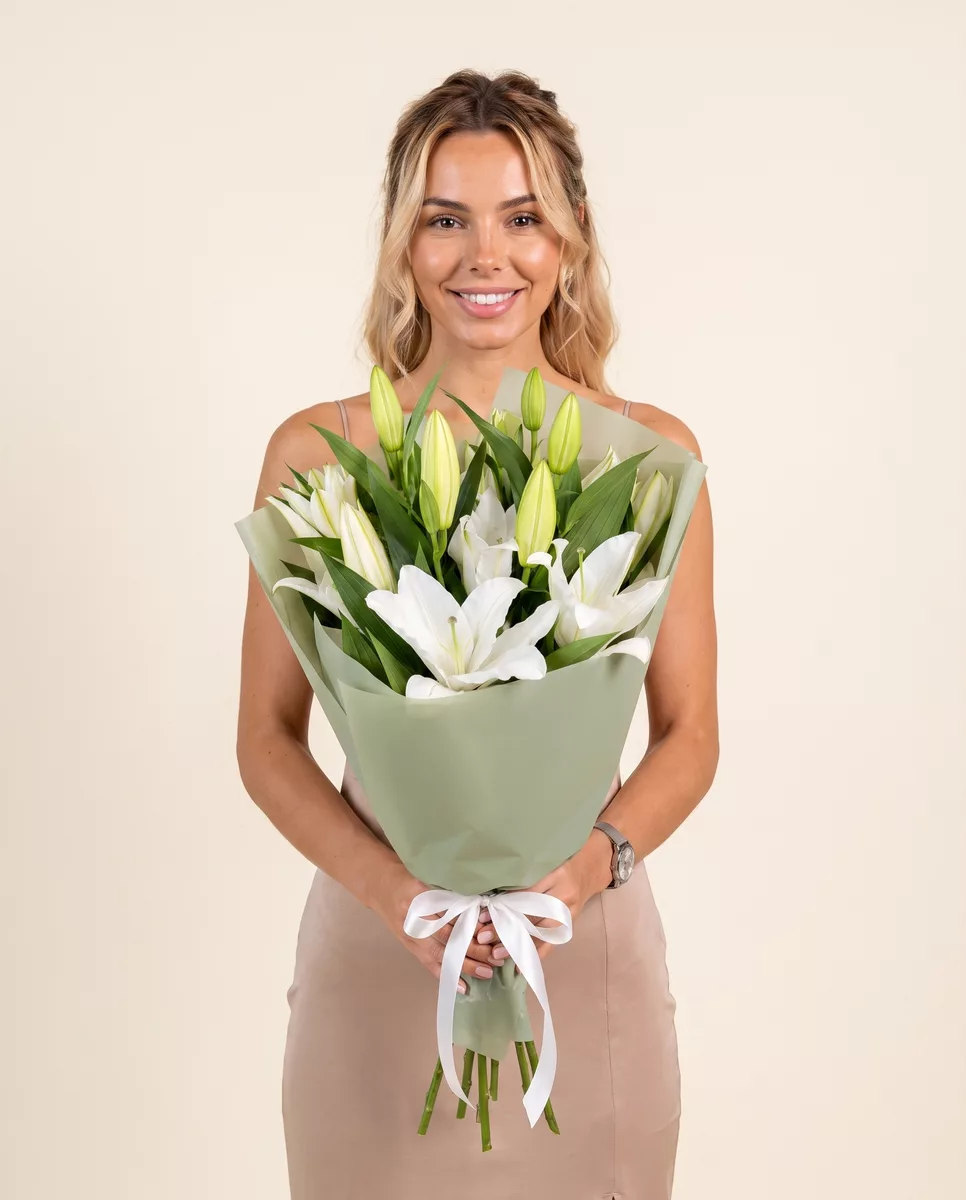
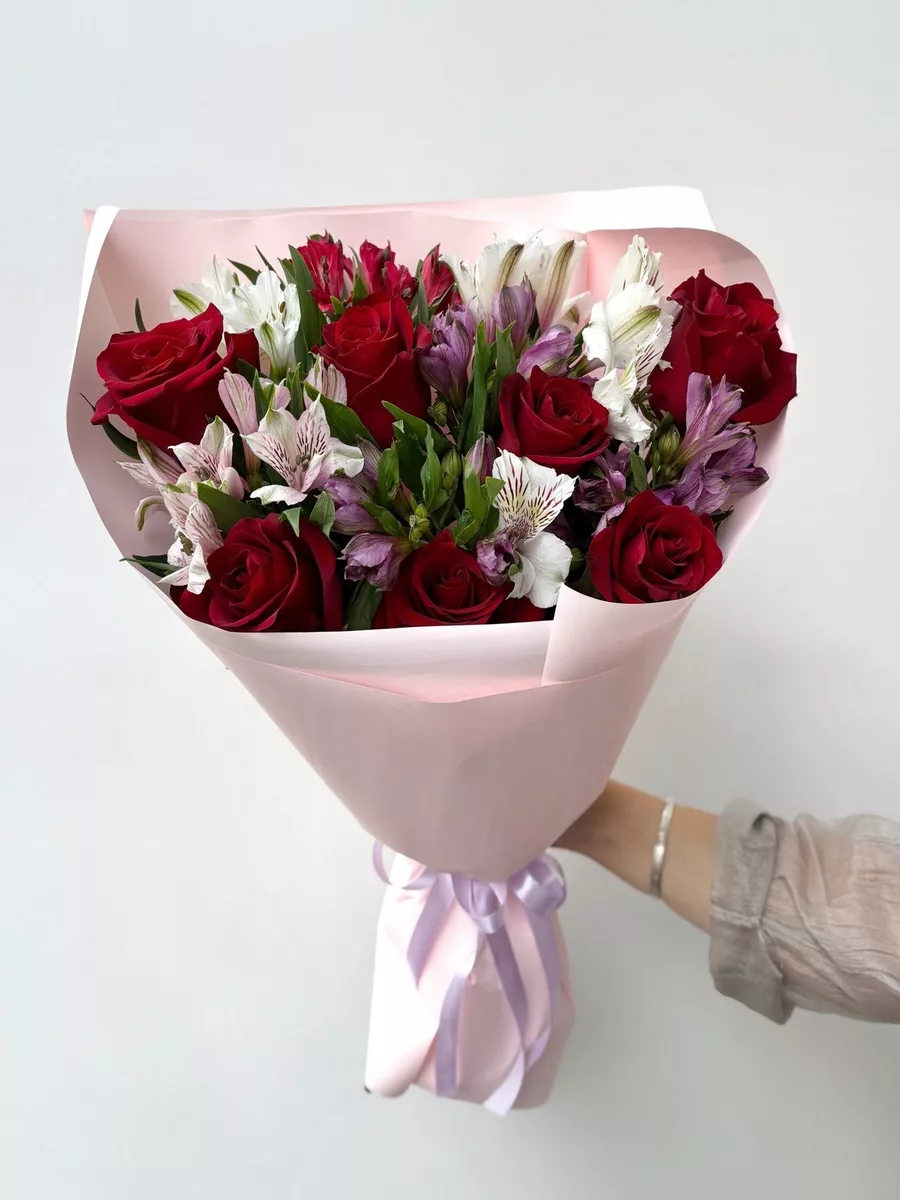
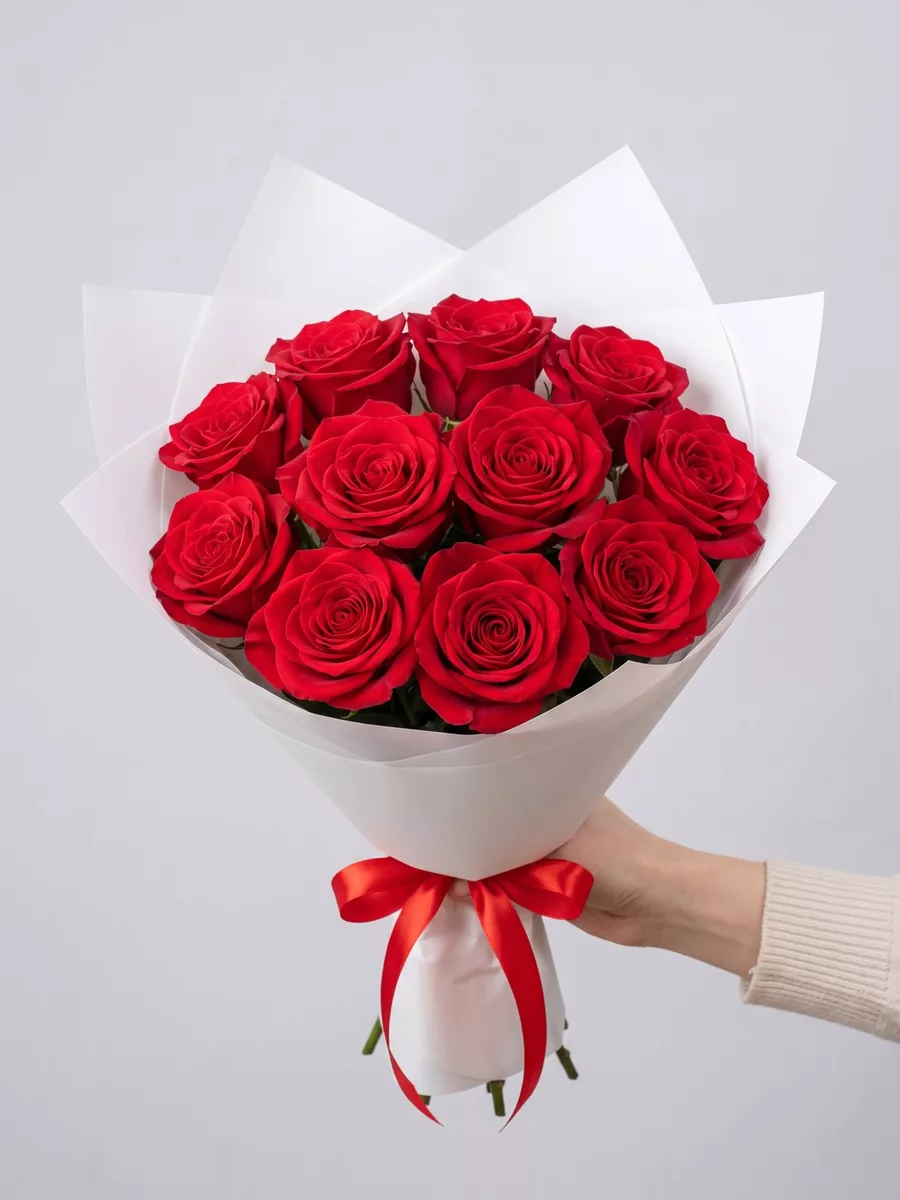
Bouquets we can deliver

Imported Peonies Before and After the Russian Season
From October through to late April, every peony sold in Russia has been grown abroad. The Netherlands is the dominant source, with Dutch auction houses supplying varieties like Sarah Bernhardt, Red Charm and Karl Rosenfield in large volumes. Ecuador and Kenya supply lighter, often single-petalled varieties at different price points. These imported flowers are not inferior by nature, but they have typically spent between three and seven days in refrigerated transit and cold-chain storage before reaching a Saint Petersburg shop. That journey is already consuming part of the vase life you are paying for. Dutch Sarah Bernhardt, which is the pale pink double peony most people picture when they say the word peony, is available almost year-round through the import chain. It is a reliable variety with good petal count and reasonable longevity, which is why wholesalers stock it consistently. Red Charm is a deep crimson double that holds its shape well in transit. Karl Rosenfield is a strong-stemmed dark pink that opens slowly, which makes it a sensible choice if you are ordering a few days ahead of an event. During the off-season months, a bouquet of five to seven peonies will cost noticeably more than the same bouquet in June. The markup is not retail greed; it reflects real freight costs and the shorter remaining vase life built into the pricing. If you are ordering peonies in February for a birthday the same day, ask specifically when the batch arrived in the shop, because that date matters more than the variety name.
Varieties Worth Knowing Before You Order
Customers often ask for peonies by colour rather than by name, which is fine, but knowing a few variety names helps you have a more precise conversation with whoever is taking your order. Sarah Bernhardt is the classic pale blush-pink double, probably the most widely recognised peony in the world and the one most likely to be in stock at any time of year. Coral Charm is an important variety to know because it opens from a deep coral-orange bud to a softer salmon tone as the petals spread, which means the colour you see in the bud stage is not the colour you will see in three days. If you want the coral to last, order it in tight bud. Bowl of Beauty is a Japanese-form peony with a single outer ring of broad pink petals surrounding a dense cluster of narrow cream petaloids in the centre. It looks very different from a fully double variety and photographs distinctly. Festiva Maxima is a white double with small flecks of crimson near the centre, historically one of the oldest cultivated varieties still widely grown. It is a good choice when you specifically need white without the softness of a blush tone. For large, dense bouquets, the fully double varieties like Sarah Bernhardt and Karl Rosenfield give the most visual weight per stem. Single and Japanese-form varieties like Bowl of Beauty use fewer petals and open faster, which shortens their useful display time. When you are ordering for a specific date, tell the florist whether you want buds that are tight, halfway open, or already blooming, because all three stages are available at different points in the supply chain and each has a different lifespan ahead of it.
What Peonies Cost at Different Points in the Season
Peony pricing in Russia moves in a clear pattern that any regular customer eventually notices. At the very start of the domestic season, usually late May, prices are still elevated because supply is limited and demand is high ahead of graduations and end-of-school celebrations, which in Russia fall in late May and early June. This is the busiest two-week period in the entire Russian floral calendar, and peonies are central to it. Prices typically soften in the second and third weeks of June as domestic supply reaches its peak and the market is well stocked. By the final week of June, prices may rise again slightly as growers cut their last stems and the transition back to imports begins. The off-season import price is generally the highest point of the year, with midwinter being the most expensive period. A bouquet that costs a certain amount in mid-June will cost meaningfully more in February, not because it is a better flower but because the logistics behind it are more expensive. There is also a secondary price factor that customers rarely consider: stem length. Longer stems cost more at the wholesale level, and that cost passes through to the retail price. A 70-centimetre stem of Sarah Bernhardt is priced differently from a 50-centimetre stem of the same variety. When you see price variation between shops for what appears to be the same flower, stem length and grade are usually the explanation. Grade refers to the bud size and stem straightness assessed at the grower or auction level, and higher-grade stems are simply more expensive to source.
How to Keep Cut Peonies Fresh Longer
The single most common mistake customers make with cut peonies is putting them in a warm room immediately after delivery. Peonies are cold-chain flowers. They are harvested, cooled to between two and four degrees Celsius, transported cold, stored cold, and ideally kept in a cool room until the moment they are displayed. Every hour above fifteen degrees accelerates the opening process and shortens the total time the flower looks good. If you receive a bouquet in tight bud and want it to open for an event the following day, a cool room or even a brief spell in the refrigerator will slow the process. If you want it open now, a warm room with bright indirect light will encourage the petals to spread within a few hours. The water in the vase matters more than most people think. Use clean, cool water, change it every two days, and cut the stems at a forty-five-degree angle each time you change the water. The angled cut increases the surface area through which the stem draws water. Remove any leaves that would sit below the waterline, because submerged foliage rots quickly and clouds the water with bacteria that block the stem. Do not place peonies near fruit, particularly apples or bananas, because ripening fruit releases ethylene gas that accelerates petal drop. Keep them away from direct sunlight and heating vents. A fully double peony like Sarah Bernhardt, handled correctly from the moment of delivery, can look presentable for eight to ten days. Handled poorly, the same flower may be dropping petals by day three.
Ordering Peonies for a Specific Date in Russia
Russians mark several dates in the spring and early summer that drive enormous peony demand, and understanding this calendar helps you order without disappointment. The last school bell, known in Russian as Posledniy Zvonok, falls on 25 May and triggers a wave of bouquet orders that often clears out peony stock across the city within forty-eight hours. Graduation ceremonies, called Vypusknoy, follow in late June and create a second surge. If your occasion falls near either of these dates, ordering at least three to four days in advance is strongly advisable rather than calling the morning of. Mothers Day in Russia is celebrated on the last Sunday of November, which falls entirely outside the domestic peony season, so any peonies ordered for that date will be imported and priced accordingly. International Womens Day on 8 March is the largest single floral holiday in the Russian calendar, and peonies are sometimes requested for it, but at that point in the year they are deep-winter imports and the price is at its annual peak. If you are ordering for a wedding or corporate event that happens to fall in June, you are in the fortunate position of timing coinciding with peak domestic supply. Communicate the exact date to the florist and specify whether you want the bouquet to arrive in bud, so the flowers open on the day itself, or already open, so the arrangement looks full immediately. For delivery within Saint Petersburg, Five Flowers delivers within one to two hours of order placement, which gives you meaningful control over the timing of arrival relative to an event.
What to Check When You Place a Peony Order
Before confirming any peony order, there are four things worth verifying with whoever takes your call or processes your online request. First, ask when the current batch of peonies arrived in the shop. Freshness is not visible from a product photograph, and a stem that arrived three days ago has a different remaining lifespan than one that arrived this morning. Second, ask what stage the buds are at. Florists describe buds as tight, soft bud, or cracked, meaning the outer petals have begun to separate. If you are ordering for delivery today and want the flowers to look open this evening, a tight bud will not cooperate. If you are ordering for an event three days away, a cracked bud may be past its best by then. Third, confirm the variety if the colour matters precisely to you. Coral Charm and Sarah Bernhardt are both described as pink by many customers, but they are visually quite different, particularly at different stages of opening. Fourth, check the stem count in relation to the price tier you are choosing. A bouquet described as large may contain anywhere from seven to fifteen stems depending on the shop and the stem grade, and that range makes a visible difference in how full the arrangement looks. At Five Flowers, our team answers these questions directly before the order is placed, because a customer who receives exactly what they expected is far more likely to order again than one who received a surprise, even a well-intentioned one. Peony orders are rarely complicated, but they reward a brief conversation before the confirmation goes through.
Peonies reward customers who understand their calendar. Buy them in June from domestic growers and you get the best flower at the best price with the longest vase life ahead of it. Buy them in February and you are paying for freight, cold storage and a shorter window of enjoyment, which is not a reason to avoid them but is a reason to handle them carefully from the moment they arrive. The variety, the bud stage, the water temperature and the room conditions all contribute to how long the bouquet looks good. A Sarah Bernhardt in tight bud, kept in a cool room with clean water changed every two days, is a genuinely long-lasting cut flower. The same stem opened in a warm apartment next to a fruit bowl will disappoint you by Thursday. The flower is the same; the outcome is determined entirely by what happens after delivery. We deliver bouquets across Russia in 1–2 hours.
Frequently asked questions
Can I order peonies in Russia in winter?
Yes, peonies are available year-round through imports from the Netherlands, Ecuador and Kenya. The domestic Russian season runs only from late May through late June. Outside that window, imported varieties like Sarah Bernhardt and Karl Rosenfield are stocked consistently, but prices are higher and the flowers have already spent several days in transit before reaching the shop.
How long do cut peonies last in a vase?
A fully double peony in tight bud, kept in cool water that is changed every two days with a fresh angled stem cut each time, can look good for eight to ten days. Warm rooms, direct sunlight, fruit nearby and stagnant water all shorten that window significantly. Open buds delivered in summer heat may last only four to five days regardless of care.
Why are peonies so expensive around Russian school graduation season?
Late May and late June are the two busiest weeks in the Russian floral calendar, driven by the last school bell on 25 May and graduation ceremonies in June. Demand for peonies spikes sharply while supply is still ramping up at the start of the domestic season. Stock sells out quickly and prices rise accordingly. Ordering three to four days ahead avoids the worst of the shortage.
What is the difference between a tight bud and a cracked bud when ordering?
A tight bud has all outer petals closed and may take two to three days to open fully at room temperature. A cracked bud has outer petals beginning to separate and will open within hours to a day. For an event several days away, order tight buds. For same-day display, ask for cracked or already-open stems. Florists at Five Flowers confirm the stage before dispatch.
Which peony variety is best for a large, full-looking bouquet?
Fully double varieties give the most visual mass per stem. Sarah Bernhardt, Karl Rosenfield and Red Charm all produce large, densely petalled blooms that fill a bouquet effectively. Japanese-form varieties like Bowl of Beauty have fewer petals and a more open structure, which looks elegant but less voluminous. For sheer fullness, specify a double variety when placing your order.
Ready to send a bouquet?
Pick a city, choose the flowers, and we will hand them over with a photo confirmation.
Choose a city →