
Potted Plants vs. Cut Flowers: Russian Gift-Giving Preferences
Every week customers call us with the same hesitation: they want to send something to a colleague in Novosibirsk or a grandmother in Saint Petersburg and they are not sure whether a potted orchid or a bouquet of roses sends the right message. The question is not just personal taste. In Russia there are real, widely shared assumptions about what a plant at the door means versus what fresh stems mean, and getting it wrong can make a thoughtful gesture land badly. This article lays out those assumptions plainly, matches them to real occasions, and tells you what to check before you order.
Why Cut Flowers Dominate Russian Gift Culture
Russia has one of the highest per-capita cut-flower consumption rates in Europe, and the preference is not accidental. The Soviet-era tradition of presenting bouquets at public ceremonies — school graduations, theater premieres, official receptions — hardened into a reflex that survives today. When a Russian person wants to mark a moment as significant, the instinct is almost always to reach for fresh stems rather than a planted pot. Roses, spray chrysanthemums, gerberas, and seasonal tulips are the workhorses of this culture precisely because they are immediate and perishable: they say the occasion matters right now. A bouquet handed over at the door communicates that the giver planned ahead, spent money on something that will not last forever, and considered the moment worth that investment. Potted plants, by contrast, carry a different weight — they imply a longer relationship, a shared domestic space, and sometimes, depending on the species, associations that can feel ambiguous. For anyone sending a gift remotely, the default safe choice is nearly always a cut-flower arrangement. It reads universally as celebratory, it requires no explanation, and it does not ask the recipient to rearrange their windowsill. Understanding this baseline is the starting point for every other decision in this article.
Bouquets we can deliver
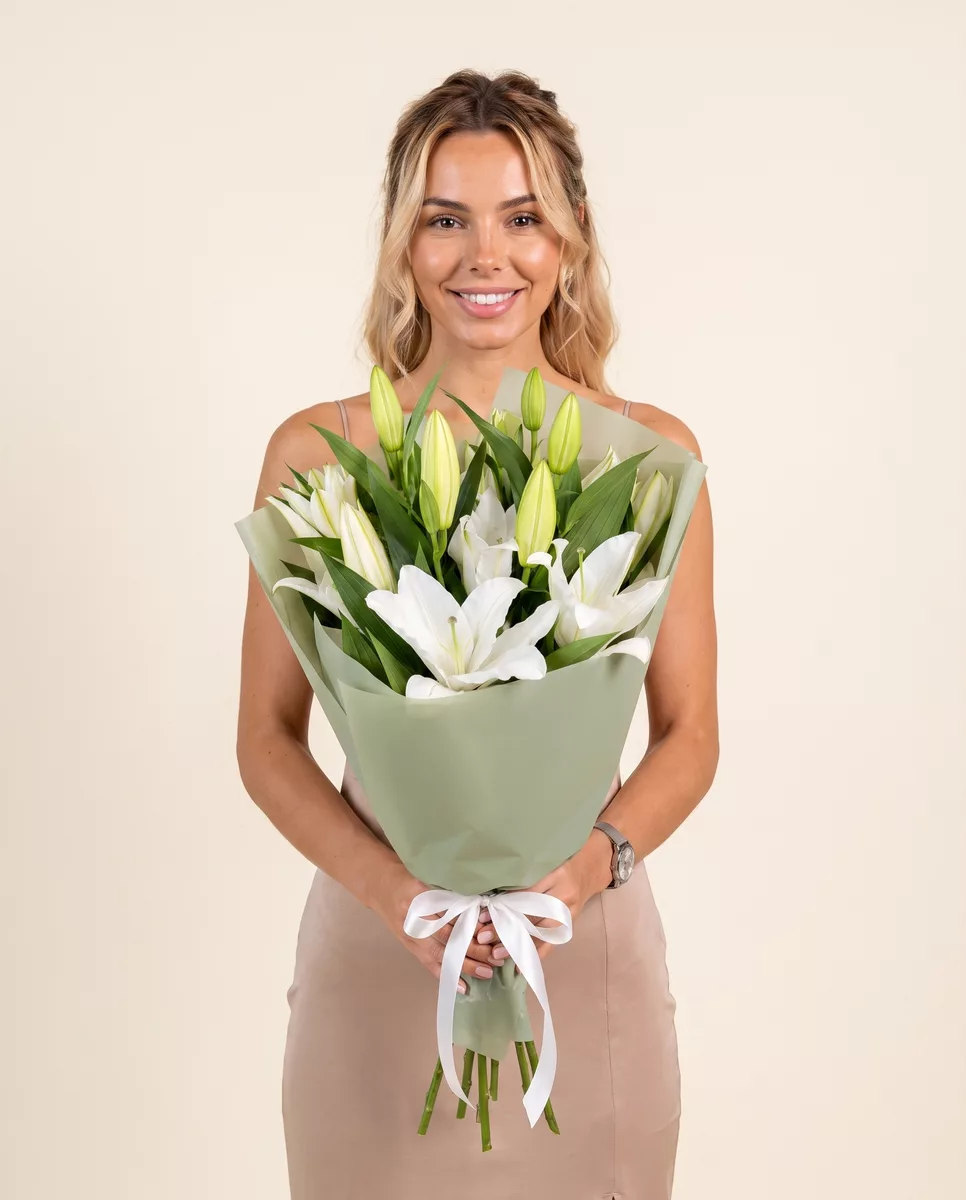
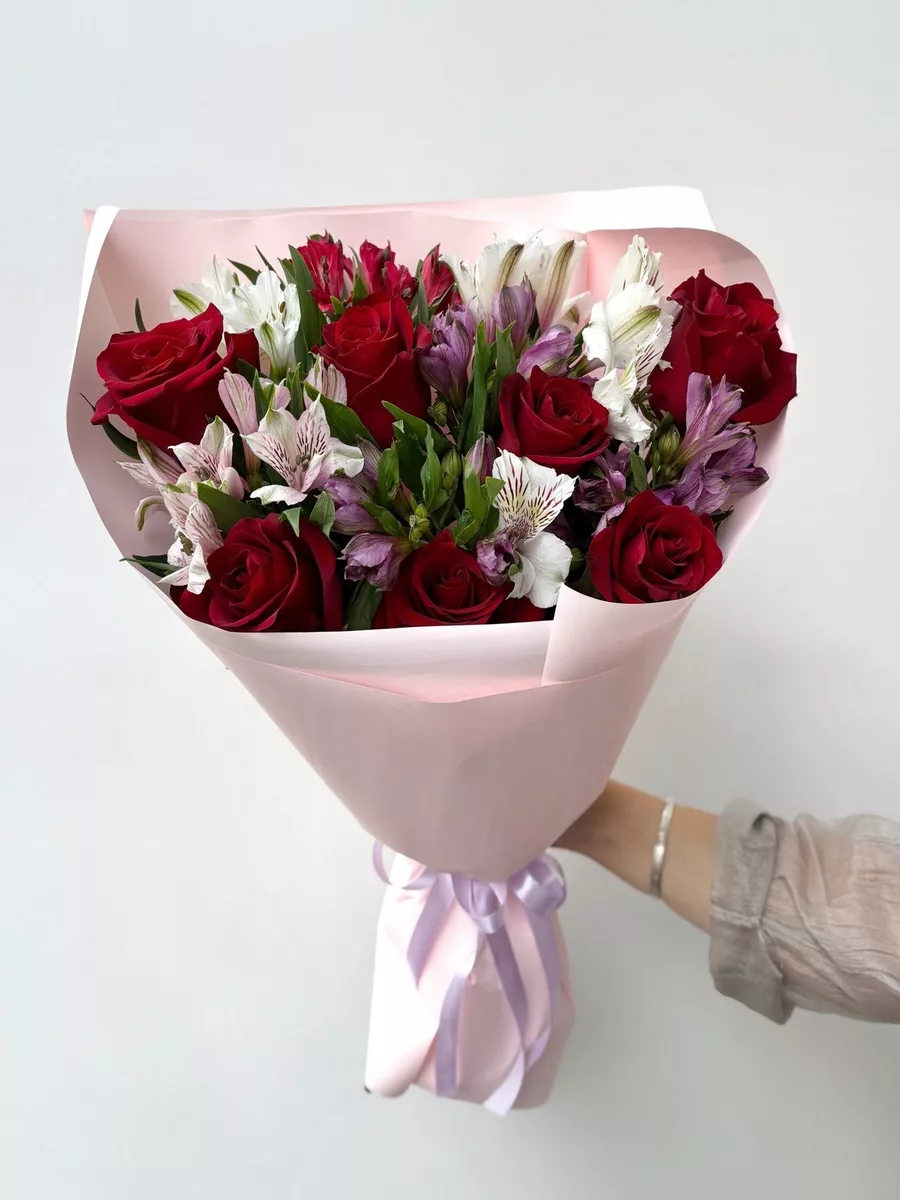
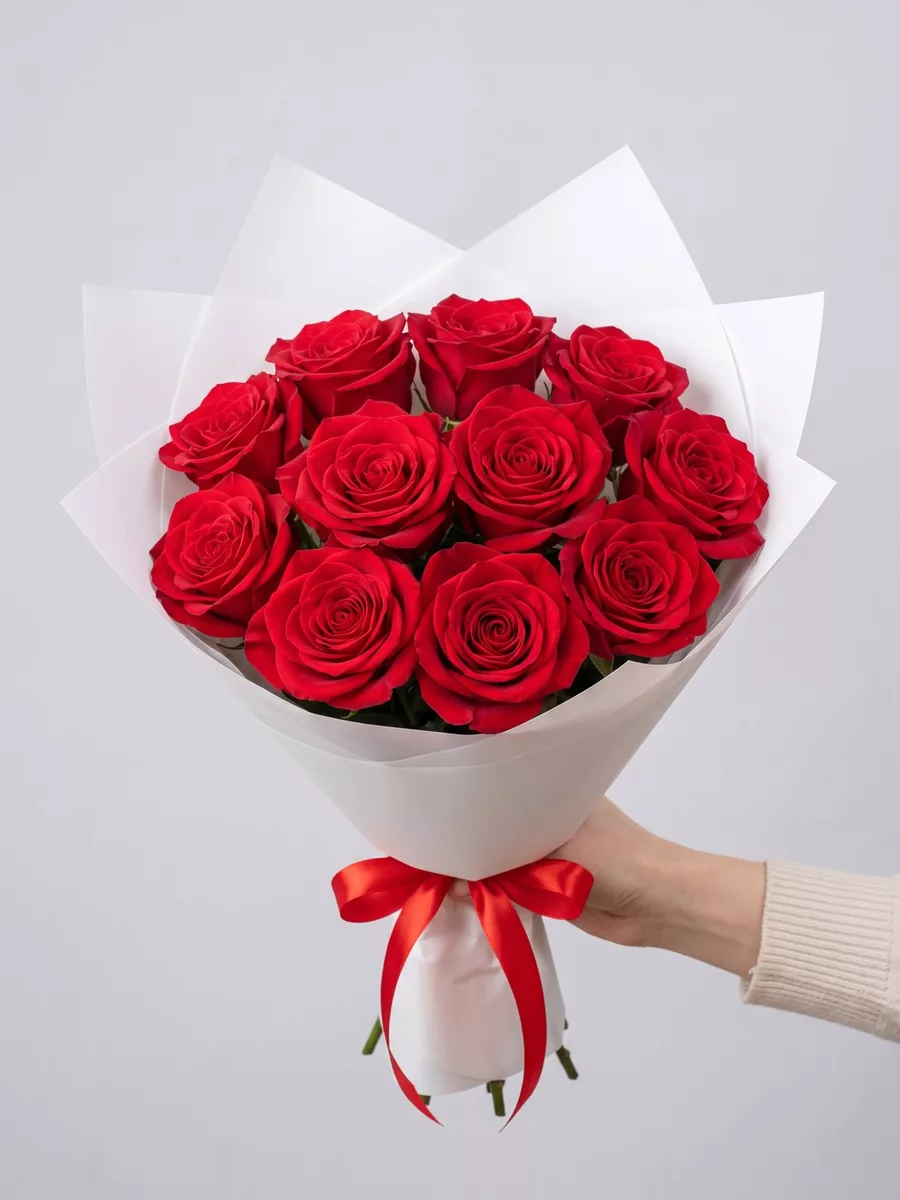

What Russians Actually Think About Potted Plants as Gifts
The attitude toward potted plants as gifts is genuinely mixed in Russia, and it splits along several lines: age, urban versus regional setting, and the specific plant species. Older generations, particularly women over sixty, often associate receiving a potted plant with being given extra work — watering schedules, repotting, the risk of killing something that arrived as a gift. There is also a persistent folk belief, strongest among people over fifty and in smaller cities, that gifting certain plants brings bad luck to the household. Cacti and plants with sharp leaves, such as sansevieria, are sometimes said to provoke conflict. Ivy and other fast-spreading vines have a reputation in some circles for driving away suitors. None of this is universal, and educated urban recipients in Moscow or Saint Petersburg are far less likely to hold these views, but the beliefs exist widely enough that ignoring them is a real risk when you do not know the recipient well. On the positive side, flowering potted plants — Phalaenopsis orchids, Kalanchoe, Anthurium — are broadly accepted as gifts in Russia when the occasion is right. They are perceived as generous because they last, and an orchid in particular reads as premium and considered. The key variable is always how well you know the person and whether you can predict their reaction to something that will live in their home.
Occasions Where a Bouquet Is the Correct Choice
Birthdays are the clearest case for cut flowers, full stop. The Russian birthday tradition expects a bouquet, and showing up or sending one without it — even if you send a plant — can feel like something is missing. The same logic applies to Women's Day on March 8th, when the volume of bouquet orders across Russia is so high that we begin preparing stock days in advance. For that holiday, tulips and mimosa are the expected varieties; roses and spray roses work year-round but feel especially appropriate. Graduations and diploma defenses call for large, formal bouquets — think long-stemmed roses, lisianthus, or mixed arrangements with alstroemeria — because the occasion is public and the flowers will likely be photographed. Work anniversaries and professional milestones are also firmly in cut-flower territory: sending a potted plant to a colleague's office can read as presumptuous, as though you are deciding how their desk should look. Hospital visits are another category where cut flowers are expected, though you should check the specific facility's rules, since some wards restrict fresh flowers. For all of these occasions, the bouquet is not just a safe choice — it is the expected one, and deviating from it requires a specific reason.
Occasions Where a Potted Plant Can Work Well
Housewarming gifts are the strongest case for a potted plant in Russian culture. Moving into a new apartment is one of the few moments when a living plant is not just accepted but genuinely welcome, because it signals that you want the home to thrive over time. A Ficus benjamina, a Monstera, or a large Spathiphyllum all work well here — they are substantial, they fill a space, and they carry no negative associations in most households. New baby occasions are another area where a long-lived plant can be meaningful, particularly for the parents rather than the child: an orchid or a Anthurium sent to the mother says congratulations in a way that will still be visible in three weeks when the bouquet would be gone. Teacher appreciation, particularly at the end of the school year in late May, is a context where potted plants are common precisely because dozens of parents are giving bouquets and a plant stands out. If you know the recipient has a garden or a balcony, seasonal flowering plants in pots — Pelargonium, Calibrachoa — are a practical and well-received choice in spring and early summer. The common thread in all these cases is that the recipient has a clear place and reason to keep the plant, which removes the ambiguity that makes plants risky in other contexts.
Species That Read as Premium and Species That Cause Hesitation
If you are committed to sending a potted plant, species selection is where you either succeed or create an awkward situation. Phalaenopsis orchids are the single safest choice across age groups and regions. They are universally understood as expensive and beautiful, they are associated with no negative folklore, and they are compact enough to fit any apartment. A double-stemmed Phalaenopsis with eight or more open flowers reads as a serious gift. Anthurium, with its waxy spathes in red or white, is a close second — it flowers for months and requires almost no care. Kalanchoe is appropriate for casual occasions but feels light for anything significant. On the other side, avoid gifting cacti or succulents to anyone you are not certain is a plant enthusiast, because the folk associations are real enough to cause discomfort. Sansevieria and Dracaena are excellent houseplants but carry the sharp-leaf reputation in traditional households. Chrysanthemums in pots are genuinely problematic — in Russian culture, chrysanthemums as cut flowers are already associated with somber occasions, and a potted chrysanthemum amplifies that. Ivy, climbing Philodendron, and similar vines are best avoided as gifts entirely unless you know the recipient well and are certain they will not be troubled by the old superstitions. Stick to flowering plants with a clean visual and a reputation for longevity.
Logistics: What Changes When You Send a Plant Instead of a Bouquet
Sending a potted plant by delivery introduces practical problems that bouquets do not have. Weight is the first issue: a mature Phalaenopsis in a ceramic pot can weigh three to four kilograms, which affects handling and, in some cases, whether delivery is possible to upper-floor apartments without elevator access. Fragility is the second: the stems of orchids snap easily in transit if the plant is not secured properly, and soil can shift and spill if the pot is not wrapped. At Five Flowers we pack potted plants in rigid boxes with internal support, but customers ordering plants should confirm packaging details before placing the order, especially for same-day delivery when speed is prioritized. Temperature is a third factor that is easy to underestimate. Saint Petersburg winters drop well below freezing, and a tropical plant like an orchid or Anthurium exposed to outdoor temperatures for even ten minutes during loading or unloading can suffer cold damage — blackened leaves, dropped buds, root shock. We use insulated packaging in cold months, but if you are ordering for delivery to a city where temperatures are below minus ten Celsius, ask specifically how the plant will be protected. Cut flowers handle brief cold exposure better than tropical potted plants. Finally, confirm that someone will be home to receive the delivery: a potted plant left in a cold entrance hall for two hours in January is not going to arrive in good condition.
How to Decide Quickly Without Getting It Wrong
When a customer calls us unsure which to send, we ask four questions. First: do you know the recipient's home well enough to know they have space and light for a plant? If the answer is no, send a bouquet. Second: is the occasion public or ceremonial — a birthday party, a graduation, a professional event? If yes, send a bouquet. Third: is the recipient over sixty and from a smaller city or traditional background? If yes, send a bouquet unless you are certain they love plants. Fourth: is this a housewarming, a thank-you for ongoing support, or a gift meant to last several weeks? If yes, a Phalaenopsis orchid or a large Anthurium is worth considering. The practical rule we give most customers is this: bouquets are always correct, plants are sometimes better. A bouquet of garden roses, ranunculus, or peonies in season will never confuse anyone or land badly. A well-chosen potted plant, delivered properly and matched to the right occasion, can be more memorable precisely because it is less expected. The mistake to avoid is sending a plant as a shortcut — because it seems easier to order or because you think it will last longer — without considering whether it fits the moment. Freshness, variety selection, and timing matter as much for plants as they do for cut flowers, and a wilted orchid with dropped buds is a worse gift than a perfectly conditioned bouquet of spray chrysanthemums.
The short answer most customers need is this: when in doubt about Russian gift customs, a bouquet of fresh cut flowers is correct for nearly every occasion, and you will not offend anyone by sending one. The longer answer is that potted plants have real value as gifts in Russia when the species is right, the occasion fits, and the logistics are handled properly. Phalaenopsis orchids and Anthurium are the two varieties that cross the most cultural lines safely. For birthdays, professional events, and anything ceremonial, stay with fresh stems. For housewarmings and long-term thank-you gifts, a well-packaged flowering plant can be the more considered choice. The key is to match the gift to what you actually know about the person and the moment, not to what is easiest to order. We deliver bouquets across Russia in 1–2 hours.
Frequently asked questions
Is it rude to give a potted plant instead of a bouquet for a Russian birthday?
Not rude, but it can feel incomplete. Russian birthday culture strongly expects a bouquet, and a potted plant alone may leave the recipient waiting for the flowers. If you want to give a plant, pair it with even a small cut arrangement. A Phalaenopsis orchid alongside five roses reads as generous rather than unconventional.
Which potted plants should I absolutely avoid sending as gifts in Russia?
Avoid cacti, sansevieria, ivy, and potted chrysanthemums. Cacti and sharp-leaved plants carry negative folk associations in many Russian households, particularly among older recipients. Chrysanthemums in any form are linked to somber occasions in Russian culture. These associations are not universal, but the risk of causing discomfort is high enough to steer clear.
Can I send a potted plant to an address in Siberia in winter without it dying in transit?
Yes, but only if the delivery service uses insulated packaging and the transit time is short. Tropical plants like orchids and Anthurium suffer cold damage below five degrees Celsius. Confirm with the florist that the plant will be wrapped for cold weather and that someone will receive it immediately. Avoid ordering potted plants for unattended delivery in temperatures below minus ten.
What is the best cut flower to send for a Russian birthday if I have no idea what the person likes?
Long-stemmed roses are the default and will never be wrong. If you want something less expected but still universally liked, spray roses or lisianthus in white or cream work across age groups and regions. For spring birthdays, tulips are seasonal and well-received. Avoid strongly scented varieties like lilies if the delivery is going to a small apartment or an office.
Do Russians count the number of flowers in a bouquet and does it matter?
Yes, this is a real and widely observed custom. Even numbers of flowers are associated with mourning in Russian tradition, so bouquets for celebratory occasions should always contain an odd number of stems — three, five, seven, eleven, and so on. A reputable florist will automatically follow this rule, but it is worth confirming when you place a custom order.
Ready to send a bouquet?
Pick a city, choose the flowers, and we will hand them over with a photo confirmation.
Choose a city →