
Advance Flower Delivery in Russia: Dates, Windows and What to Specify
The most common call we get the day after a birthday is from someone who meant to order yesterday. Scheduling a delivery in advance is not complicated, but it does require a few specific decisions upfront — the date, the two-hour window, the recipient's address and whether the flowers need to survive a warm apartment lobby. Get those right and a bouquet of garden roses or peonies lands exactly when it should, without a last-minute scramble.
Why Ordering Days Ahead Actually Improves the Bouquet
When you place an order the same morning you want delivery, the shop works with whatever arrived that day. When you book three or five days out, the team can source specific varieties on the next wholesale intake — spray chrysanthemums in a particular color, ranunculus in early spring, or large-headed David Austin roses that sell out fast. Advance orders also allow for proper conditioning time. Cut stems need at least twelve to eighteen hours in cool water before they travel well, and flowers that have been conditioned properly hold their shape for three to five days longer than stems pulled straight from a delivery box. That matters enormously when the recipient is in Novosibirsk or Yekaterinburg and the bouquet needs to look fresh the morning after it arrives. Florists can also build more complex compositions — mixed seasonal arrangements, hand-tied bouquets with foliage layers, or structured designs using lisianthus and eucalyptus — when they are not rushing to fill a same-day slot. The practical upside for you is a better product at the same price. The practical upside for us is that we can guarantee the exact stems you chose rather than substituting because stock ran out. If you have a specific color palette or a flower the recipient mentioned once, note it in the order comments and an advance booking gives us the time to actually act on it.
Bouquets we can deliver
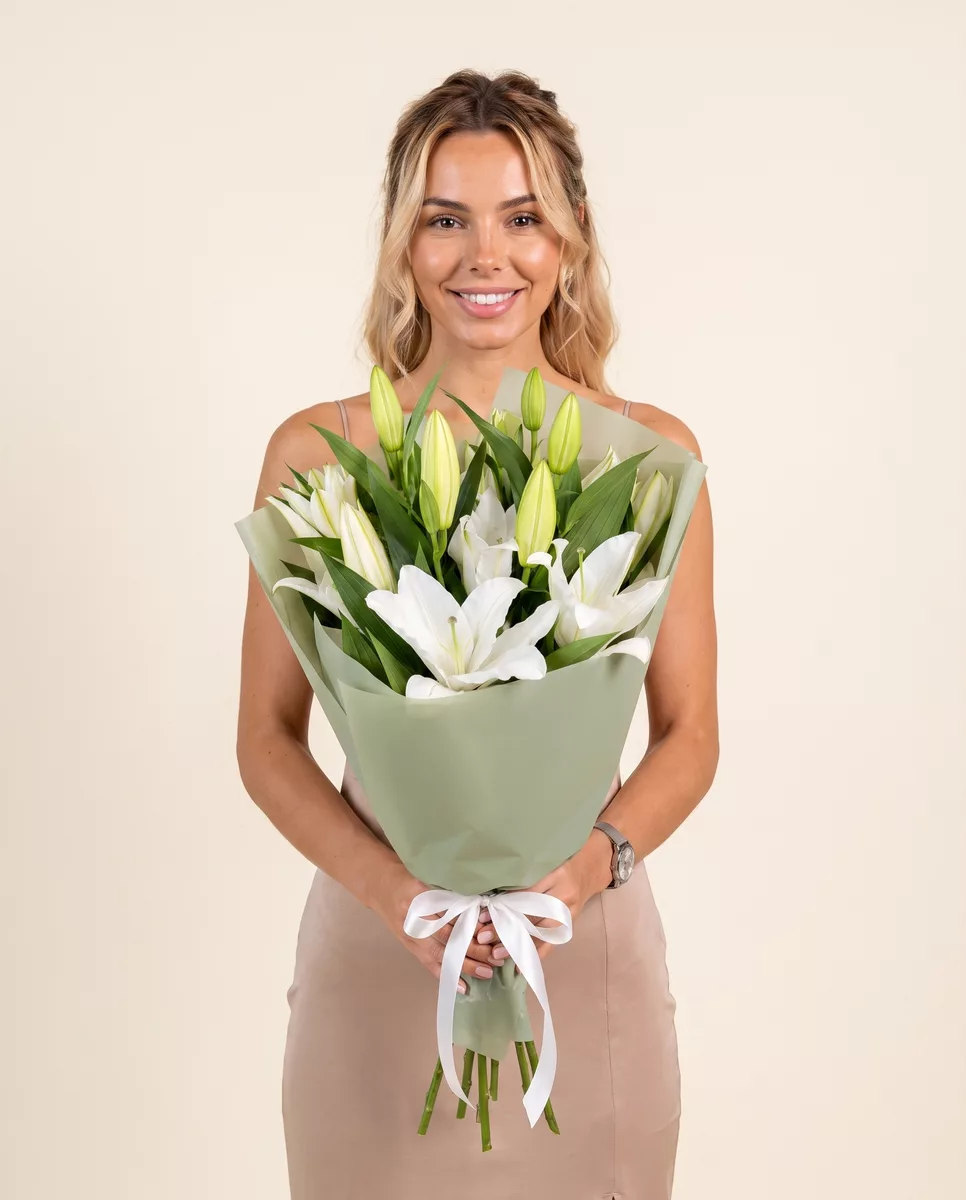
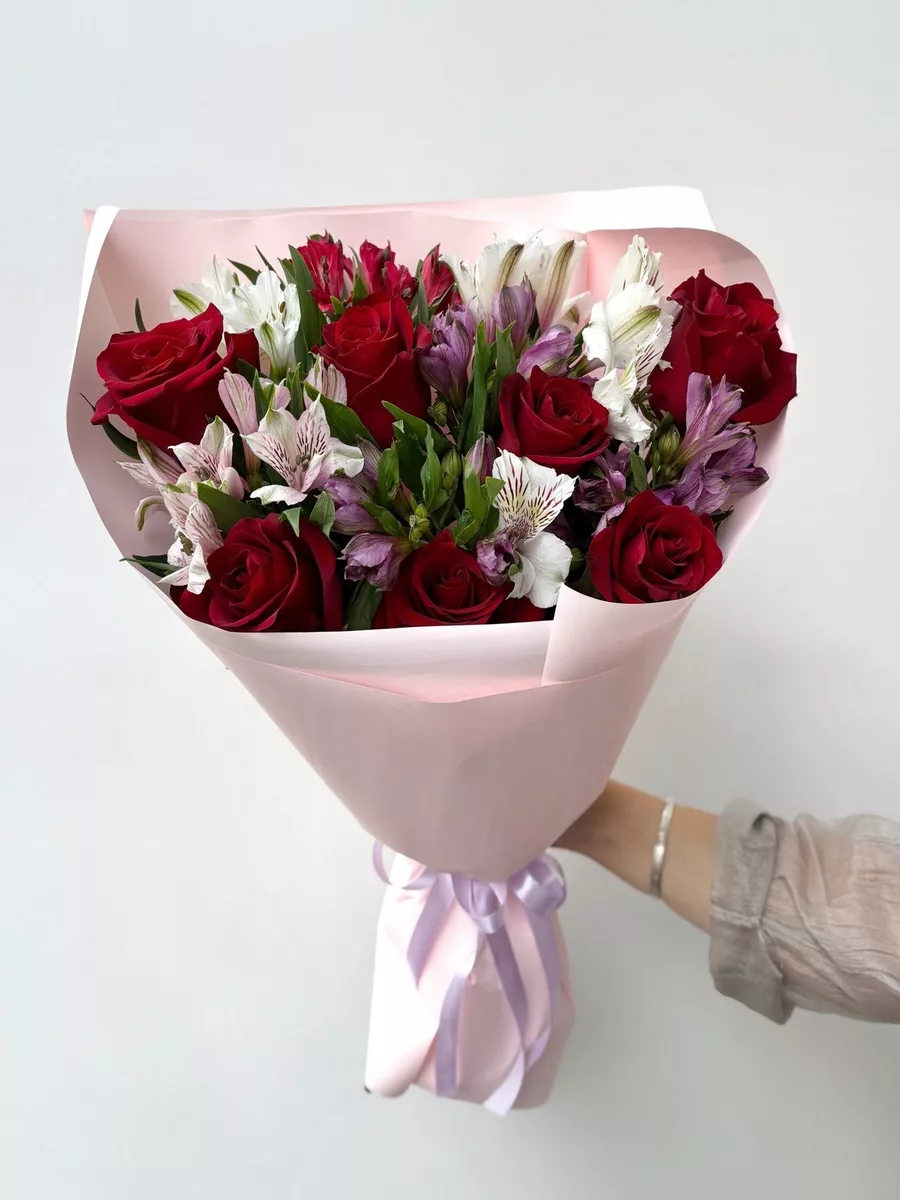
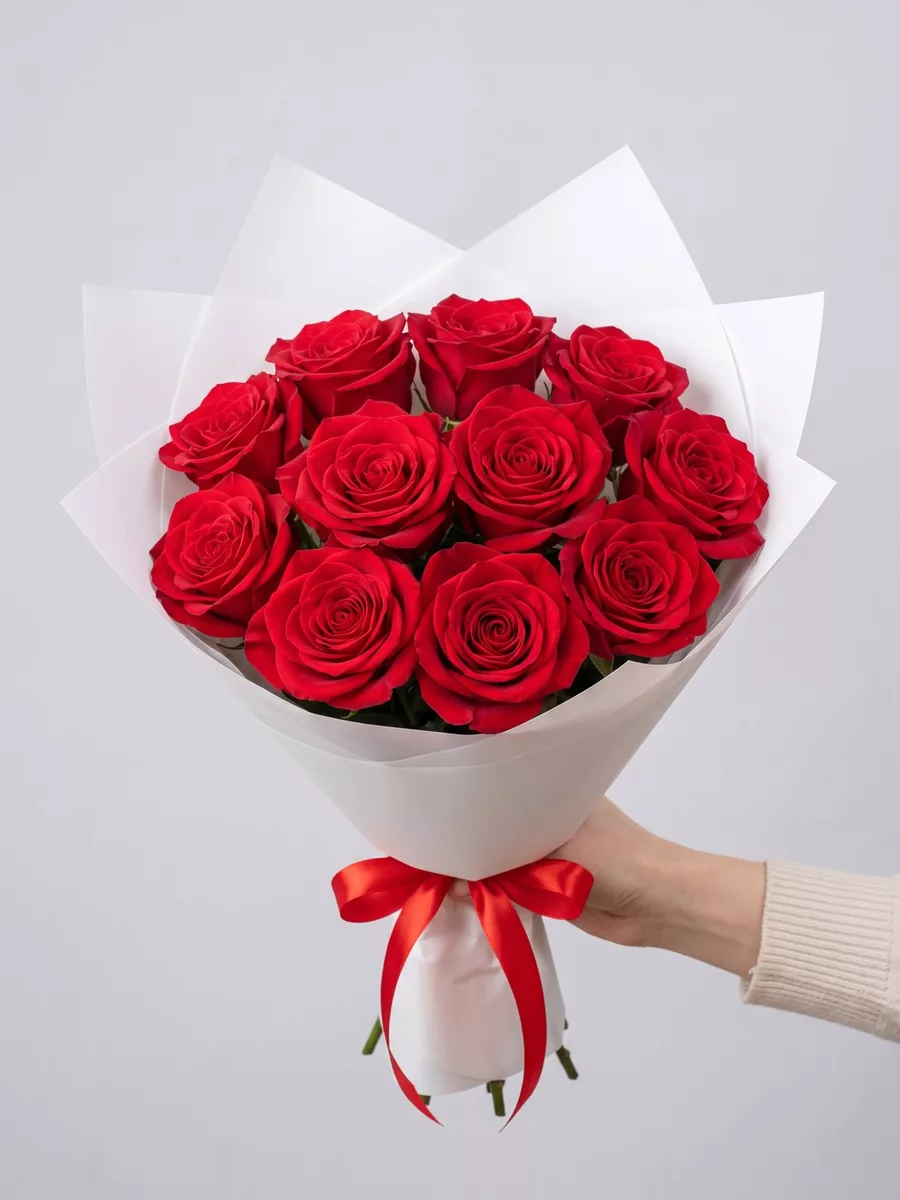

How Far Ahead You Can Book and What Changes at Each Horizon
Orders can be placed up to sixty days before the delivery date, which covers most occasions people plan for — anniversaries, graduation ceremonies in June, New Year deliveries in late December. Bookings made more than two weeks out are treated as reserved slots: the date and window are locked, but the specific stems are confirmed closer to the intake date that precedes your delivery. This is normal practice and does not mean the order is uncertain. For deliveries seven to fourteen days out, the florist can already confirm variety availability with reasonable confidence, particularly for standard stock like alstroemeria, standard roses and statice. For deliveries one to six days out, you get full confirmation of exact stems, and the bouquet enters production two days before dispatch. One thing that shifts depending on the horizon is payment: orders more than a week out typically require a deposit to hold the slot, with the balance settled before assembly begins. Cancellation terms also vary — a booking made thirty days ahead can usually be changed up to seventy-two hours before delivery without penalty, while same-week orders have a shorter change window. Russian public holidays cluster in early January, late February, early March and early May, and delivery slots during those periods fill weeks in advance. If your occasion falls near February 23rd or March 8th, which are major flower-giving dates in Russia, book at least ten days early. Slots on March 7th and 8th are typically full by late February.
Choosing a Delivery Window That Actually Works for the Recipient
A delivery window is a two-hour block, not a single minute. When you book, you select from available slots — typically morning, midday, afternoon and evening — and the courier arrives within that range. The single biggest mistake people make is choosing a window based on when they think it would be nice, rather than when the recipient is reliably at the address. An office delivery at 09:00 to 11:00 works if the person starts at nine; it fails if they commute from another district and arrive at ten-thirty. A home delivery between 14:00 and 16:00 is useless if the recipient works a standard office day and is not home until 19:00. Ask the recipient's schedule without revealing the surprise — or have a trusted contact on site. For apartment buildings in Russian cities, access is a practical issue. Many residential blocks have entry codes or intercoms, and couriers cannot wait more than ten to fifteen minutes. If the recipient will not be home, specify a neighbor or building concierge in the order notes. For office deliveries, name the floor and the reception desk contact. Evening slots, usually 19:00 to 21:00, are popular for home surprises but fill quickly on Fridays and before holidays. If the flowers include water-heavy stems like hydrangea or tulips, an earlier window is better in summer because vehicles can get warm in afternoon traffic. Roses and carnations tolerate a broader temperature range; delicate ranunculus and sweet peas do not.
What to Specify When You Fill in the Order Form
The order form has fields that look optional but are not. The full street address in Russian cities needs the building number, the corpus or stroenie number if the building has one, the apartment or office number, and the entry number for large residential complexes. Missing any of these adds ten to twenty minutes to delivery and can push the arrival outside the window. The recipient's phone number is mandatory — the courier calls ahead, which is standard in Russia and expected by recipients. If the delivery is a surprise and you do not want the recipient called in advance, note that explicitly and provide a secondary contact number. The card message field accepts both Russian and English text; the shop prints it as written, so check spelling before submitting. For the bouquet itself, specify the dominant color, any flowers to avoid — some people are allergic to strongly scented lilies, for example — and the approximate size: compact table arrangement, medium hand-tied bouquet, or large statement piece. If you have seen a photo online or in a previous order, reference it in the comments. Specify whether the recipient should receive the bouquet wrapped in craft paper and ribbon only, or in a full decorative box, which adds volume and requires the courier to carry it differently. Finally, confirm the payment method at booking: card payment online locks the slot immediately, while cash on delivery is available in some cities but not all.
Seasonal Availability and What to Expect at Different Times of Year
Russia's flower market runs on a mix of Dutch auction imports and domestic greenhouse production, and the mix shifts by season. From November through February, the dominant stock is roses from Ecuador and Kenya, standard chrysanthemums, alstroemeria and carnations — all of which travel well in cold conditions and hold for seven to ten days after cutting. Tulips flood the market in January and February, peaking around March 8th. If you are booking a February or early March delivery, tulips in any color are a safe and genuinely beautiful choice, and they are typically at their freshest and most affordable during that window. From April through June, peonies from domestic and European growers become available, along with ranunculus, anemones and early garden roses. These are shorter-lived stems — peonies in bud open within two to three days at room temperature — so advance orders for peony bouquets should be timed so delivery happens no more than two days before the occasion. Summer months bring sunflowers, lisianthus, eustoma and a broader range of spray roses. Autumn is strong for dahlias, solidago and ornamental grasses alongside reliable year-round stock. When you book weeks ahead, the florist will confirm which specific varieties will be in season and in good condition on your chosen date, and may suggest alternatives if something you requested is between harvests. Trusting that guidance produces a better result than insisting on an out-of-season stem.
Delivery to Cities Outside Saint Petersburg: Timing and Logistics
Five Flowers delivers across Russia, and the mechanics of an advance order for a city outside Saint Petersburg follow the same structure with one additional variable: transit time. For cities within the European part of Russia — Moscow, Nizhny Novgorod, Kazan, Samara — overnight courier transit is standard, meaning the bouquet leaves Saint Petersburg the evening before the delivery date and arrives at the local distribution point by morning. For Siberian cities such as Novosibirsk, Omsk and Krasnoyarsk, transit can be two nights, and the order is assembled and dispatched accordingly. This does not change what you do when booking — you still select the delivery date and window in the destination city — but it means the shop needs a minimum lead time of two to three days for regional deliveries rather than the same-day option available within Saint Petersburg. When ordering to a city in a different time zone, the delivery window you select is always in local time at the destination. Russia spans eleven time zones, and Vladivostok, for instance, is seven hours ahead of Saint Petersburg. The order form accounts for this automatically, but double-check the displayed local time before confirming. Flowers going long distances are packed with additional moisture retention — damp foam or water tubes for stems that need hydration — and the outer packaging is reinforced. Varieties chosen for long-distance delivery should be hardy: roses, alstroemeria, chrysanthemums and carnations are reliable. Fragile stems like sweet peas or open peonies are better suited to local same-day delivery.
Checking and Changing an Advance Order Before It Ships
Once an advance order is placed, you receive a confirmation with an order number and the scheduled delivery date and window. Keep that number — it is the fastest way to make changes. Most modifications are straightforward up to seventy-two hours before the delivery: address corrections, card message edits, window adjustments if a slot is still open, or a change in bouquet size. Variety substitutions within the same price range are also possible if you contact the shop early enough, before the stems are sourced for your specific order. Changes within forty-eight hours of delivery are harder to accommodate because production may already be underway. If you need to cancel entirely, do so as early as possible — cancellations more than seventy-two hours before delivery are typically refunded in full, while later cancellations may retain the cost of materials already cut and conditioned. One thing worth doing a week before the delivery date is confirming the recipient's address has not changed — people move, offices relocate, and a bouquet sent to a former address cannot be redirected once the courier is en route. If the occasion is a surprise and you cannot ask directly, verify through a mutual contact. Also check that the recipient's phone number is current. Russian mobile numbers port between operators regularly, and an outdated number means the courier cannot reach the recipient for building access. A brief check a few days before delivery prevents the most common failed-delivery situations.
Advance flower delivery is straightforward when the key details are in place from the start: a confirmed address with all building identifiers, a delivery window matched to the recipient's actual schedule, variety choices that suit the season and the transit distance, and a lead time that gives the shop room to source and condition the stems properly. The occasions that matter most — the ones people remember — are exactly the ones worth booking early rather than leaving to the morning of. We deliver bouquets across Russia in 1–2 hours.
Frequently asked questions
How far in advance can I schedule a flower delivery in Russia?
Orders can be placed up to sixty days before the delivery date. For dates more than two weeks out, the slot is reserved and specific stems are confirmed closer to the intake date before your delivery. For major holidays like March 8th, booking at least ten days ahead is strongly recommended because slots fill well in advance.
Can I change the delivery address or time window after I have placed the order?
Yes, most changes are straightforward up to seventy-two hours before the scheduled delivery. Address corrections, card message edits and window adjustments can all be made by contacting the shop with your order number. Changes within forty-eight hours are harder to process because production may already have started, so contact the shop as early as possible.
What flowers are best for delivery to cities far from Saint Petersburg?
For long-distance delivery across Russia, the most reliable varieties are roses, alstroemeria, carnations and standard chrysanthemums. These stems tolerate transit well and hold their appearance for seven to ten days after cutting. Fragile or short-lived flowers like open peonies, sweet peas or ranunculus are better suited to same-day local delivery.
Does the delivery window I choose show local time at the destination?
Yes. When ordering to a city in a different time zone, the window you select is always displayed in local time at the destination. Russia spans eleven time zones, so it is worth double-checking the confirmed local time on the order summary before submitting, particularly for cities in Siberia or the Russian Far East.
What happens if the recipient is not home during the delivery window?
The courier calls ahead, which is standard practice in Russia. If the recipient will not be available, specify a neighbor, building concierge or reception desk contact in the order notes. Couriers can wait up to ten to fifteen minutes. For surprise deliveries, provide a secondary contact number and note that the recipient should not be called in advance.
Ready to send a bouquet?
Pick a city, choose the flowers, and we will hand them over with a photo confirmation.
Choose a city →