
The Spanish Flower: A Practical Guide to Carnations
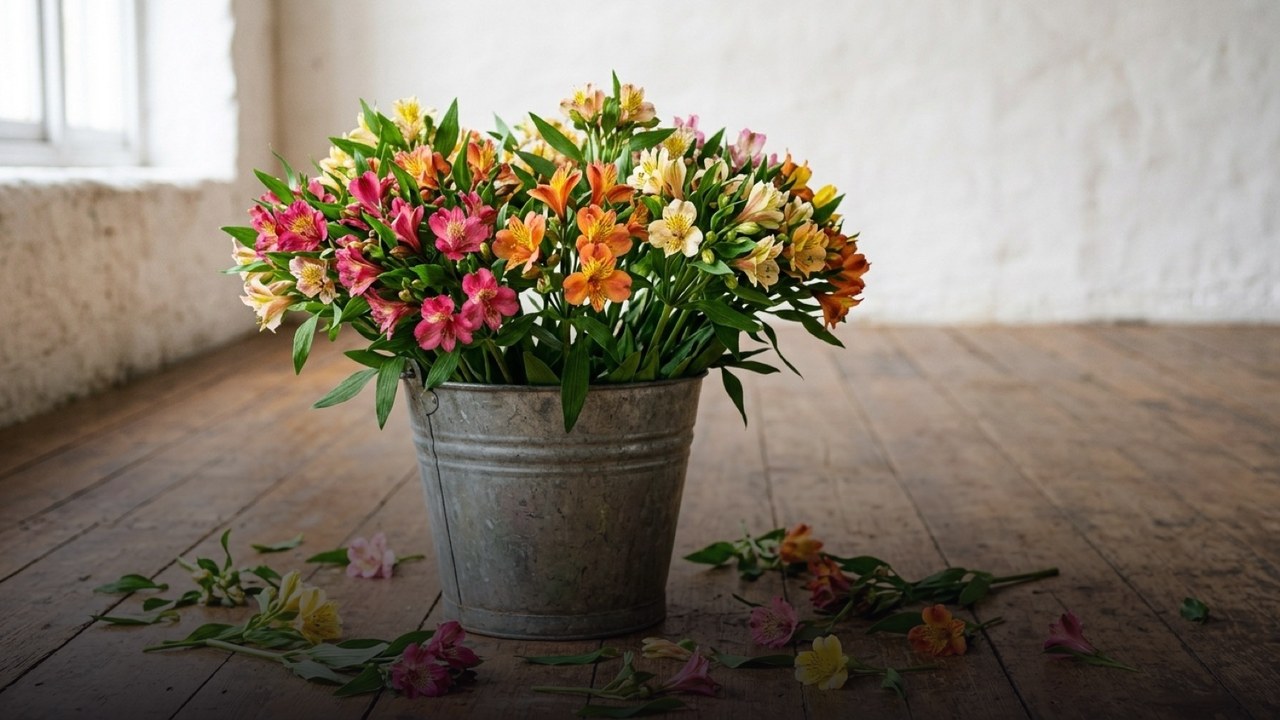
The flower most often associated with Spain is the carnation, called clavel in Spanish, especially the red carnation. If you searched for “spanish flower”, this is usually the bloom you mean: its ruffled petals feature in Spanish festive dress, hair ornaments and floral decoration. The phrase describes a cultural association rather than one precise botanical variety.
At Pyat Tsvetov (5 Flowers), a useful starting point for this kind of request is the detail the customer remembers: a red flower worn in the hair, a frilled bloom in a photograph, or simply a connection with Spain. We have been working in Saint Petersburg since 2011. For a gift, identifying the flower is only the first step; colour, presentation and the recipient’s own taste determine how the gesture feels.
Which flower does “Spanish flower” mean?
Carnations are recognisable by their layered, often finely fringed petals and a narrow green calyx beneath the flower head. The familiar florist’s carnation belongs to Dianthus caryophyllus and its cultivated forms. Although carnations have a strong connection with Spanish imagery, that association does not establish where an individual cut flower was grown.
Other flowers can also explain the search term. A bright pink or purple display climbing over a Spanish courtyard may be bougainvillea, whose showy colour comes mainly from bracts surrounding small flowers. A plant described as Spanish lavender is a different subject again. If you are identifying a photograph, look at the leaves, stems and overall plant as well as the coloured part.
For a bouquet request, use “carnations” and describe the colour and shape you want. A single large, ruffled head gives a different effect from spray carnations, which carry several smaller flowers on a branching stem. If the Spanish connection matters more than an exact match, explain that intention while choosing from the bouquets catalogue; a cultural reference alone does not identify an available design.
Choose colour for the person receiving the flowers
Red carnations have the clearest visual connection with the Spanish flower many people picture. In a personal gift, red can also suggest affection or romance, so consider the relationship before choosing it. A bouquet for a partner can carry that intensity comfortably. For a colleague or a family celebration, the recipient’s favourite colour may be a better guide.
Pink carnations often suit a softer expression of affection or gratitude, while white creates a restrained, simple appearance. These are useful design associations, rather than a universal language everyone interprets identically. White flowers can also have ceremonial or memorial associations depending on the setting. Add a clear card message when you want the occasion to be unmistakable.
A limited palette makes the ruffled texture easier to appreciate: one colour feels focused, while two related shades add depth without making the bouquet visually busy. Mixed colours can feel more informal, particularly when they reflect the recipient’s preferences. Avoid choosing a colour solely because an online flower dictionary assigns it a hidden meaning. The accompanying words usually communicate more precisely.
Bouquets we can deliver




Adapt the Spanish reference to Russian gift etiquette
For many recipients in Russia, carnations carry associations beyond Spain, including remembrance and public commemorations. Red carnations in a spare, formal arrangement may therefore read differently from the same flowers in a festive Spanish image. Personal taste and context matter here. If the recipient loves carnations, that preference is more useful than a broad cultural rule.
When giving a small, clearly countable bunch in Russia, choose an odd number of flowers for a celebratory gift. Even numbers are traditionally associated with mourning. With branching spray stems, the number of stems and the number of individual blooms are different, so explain your intention if the count matters. Keep the occasion clear in both the presentation and the card.
A short message can connect the flowers to a shared holiday, a favourite place or a person’s affection for Spain. For example, “A little reminder of our days in Seville” explains the reference without relying on symbolism. We include a card with your text free of charge. Delivery is anonymous by default, so sign the message if you want the recipient to know who sent it.
How to care for cut carnations at home
Start with a clean vase and fresh water, then remove any leaves that would sit below the waterline. Recut the stem ends with a clean, sharp tool before arranging the flowers. Keep the cut ends in water once the bouquet is prepared. If flower food is supplied with your flowers, follow its instructions rather than estimating a stronger mixture.
Place the vase away from direct sunlight, radiators and other sources of heat. Keep carnations away from ripening fruit, which releases ethylene and can shorten their decorative life. Choose a stable position where the flower heads will not be brushed repeatedly. Their layered petals look substantial but still bruise when handled roughly.
Check the water daily and refresh it when it becomes cloudy, cleaning the vase as needed. Remove fading flowers and leaves promptly, and recut the stems if the ends become discoloured or slimy. Carnations are often chosen for their keeping qualities, but vase life varies with their condition and care. Judge the bouquet by firm stems and healthy petals rather than expecting a fixed number of days.
How to order a flower gift for someone in Russia
Start with the recipient’s city, delivery address and occasion, then browse the bouquets catalogue for a suitable choice. If carnations are essential to your idea, ask about the flowers in the selected bouquet before relying on its appearance alone. A title or photograph should not be treated as confirmation of a particular Spanish variety. Questions can be discussed by phone on 8 (812) 507-67-05.
Prepare the recipient’s phone number and the details needed to locate the address, such as the building and flat number. Write the card text separately and check names carefully, especially when using a different alphabet. Since the courier does not name the sender, include your name in the card if recognition is part of the surprise. You can also use the message to explain why you chose a flower associated with Spain.
Online checkout uses CloudPayments. If you are ordering from abroad, check the payment options displayed at checkout; acceptance of every foreign card is not guaranteed. Review the delivery and payment information alongside your order details. Keeping the recipient’s city and your intended delivery date clear helps when discussing the order across different time zones.
Plan delivery around the recipient’s day
We deliver flowers across Russia, with city delivery costing 500 RUB. For remote districts and suburbs, the operator confirms the delivery price when confirming the order. Pyat Tsvetov has three own flower shops in Saint Petersburg, and delivery in Saint Petersburg operates around the clock. That round-the-clock schedule should not be assumed for other cities.
In large cities, express delivery is 1–2 hours after the order is confirmed. You can also arrange an exact time with a tolerance of 30 minutes either way, select a window of 09–12, 12–15, 15–18 or 18–21, or pre-order 1–30 days ahead. Use the recipient’s local time when describing the intended arrival. For an occasion with a fixed start, consider when the person will actually be available to receive flowers.
The courier calls the recipient about 15 minutes before arrival, so a surprise still involves a practical delivery call. If the recipient is absent, we agree a second delivery the same day or, with the sender’s consent, hand the flowers to a neighbour or concierge. Think about that possibility when choosing an address. A home delivery during a known period of availability can be easier to receive than flowers sent into a busy working day.
Frequently asked questions
What is the Spanish flower called?
The flower most commonly associated with Spain is the carnation, or clavel in Spanish. Red carnations are especially recognisable in Spanish cultural imagery, though “Spanish flower” can refer to other plants depending on the context.
Does “Spanish carnation” mean the flower was grown in Spain?
The phrase alone does not establish a flower’s origin or identify a precise variety. For a bouquet, describe the carnation’s colour and form and check the selected flowers before ordering.
Are red carnations suitable for a gift in Russia?
They can be, particularly if the recipient likes them or understands the Spanish connection. Red carnations also have commemorative associations in Russia, so consider the occasion and use a personal card message to make your intention clear.
Can I send flowers anonymously to someone in Russia?
Yes, our deliveries are anonymous by default: the courier does not name the sender. A card with your text is free, so leave your name out of the message if you want the sender to remain unnamed.
Can I pay for an order from abroad?
Online checkout uses CloudPayments; check the options displayed there for your payment method. We cannot guarantee that every foreign card will be accepted.
Ready to send a bouquet?
Pick a city, choose the flowers, and we will hand them over with a photo confirmation.
Choose a city →