
Why Do Carnations Have a Bad Reputation?
Carnations have a bad reputation mostly because they became too common: for decades they were the cheap, long-lasting filler in supermarket and petrol-station bouquets, often dyed in unnatural colours, so many people now read them as a sign that the giver did not try. In Russia and other former Soviet countries there is a second layer, because red carnations were the official flower of state ceremonies, Victory Day and funerals, which makes them feel formal or mournful rather than romantic.
In our shops in Saint Petersburg, customers often ask us directly whether carnations are a safe gift or whether the recipient will be offended. The honest answer is that the flower itself is excellent and the reputation depends on context, colour, quantity and how the bouquet is put together. Below we go through where the stigma comes from and how to give carnations so they look deliberate and generous.
The 'cheap filler' problem in Western countries
From the 1970s onwards, carnations were grown on an industrial scale because they survive transport better than almost any other cut flower. Supermarkets, garages and corner kiosks used them as the default bouquet, frequently with a sprig of gypsophila and a sheet of cellophane. Because they were everywhere and inexpensive, they lost any sense of occasion, and the phrase 'just carnations' entered everyday speech.
Dyed carnations made things worse. Blue, green and rainbow carnations, produced by placing white stems in coloured water, became a staple of novelty bouquets and school dances. Many people formed their opinion of the whole species from these stems, even though natural carnations come in subtle shades of blush, burgundy, coffee, lime and bicolour.
Wedding and event culture added one more association: carnation buttonholes for grooms, ushers and prom dates were the economical choice for years. For a generation that grew up with them, carnations simply look dated, the way some interior trends do, rather than unattractive in themselves.
Why carnations feel formal or mournful in Russia
In the Soviet Union the red carnation became a political and ceremonial symbol. It was laid at monuments, carried at official demonstrations, presented to veterans and placed on graves of soldiers, and it remains the main flower of 9 May. We explain this history in more detail in our article on the victory flower. For many Russians, a small bunch of red carnations still looks like something you bring to a memorial, not to a birthday party.
Funerals strengthen the association. Carnations are sturdy, inexpensive and keep their shape for days without water, so they are traditionally chosen for wreaths and for laying on graves, always in an even number. Customers who come to us to buy flowers for a cemetery visit very often ask for carnations, and older recipients may connect a small red bunch with that ritual.
There is also the workplace stereotype. In Soviet offices, carnations were the standard flower for colleagues on 8 March and for men on 23 February, handed out in identical bunches of three. People who remember those office celebrations tend to describe carnations as impersonal. Our related piece carnations in Russia: patriotic symbol or everyday gift looks at how these meanings coexist today.
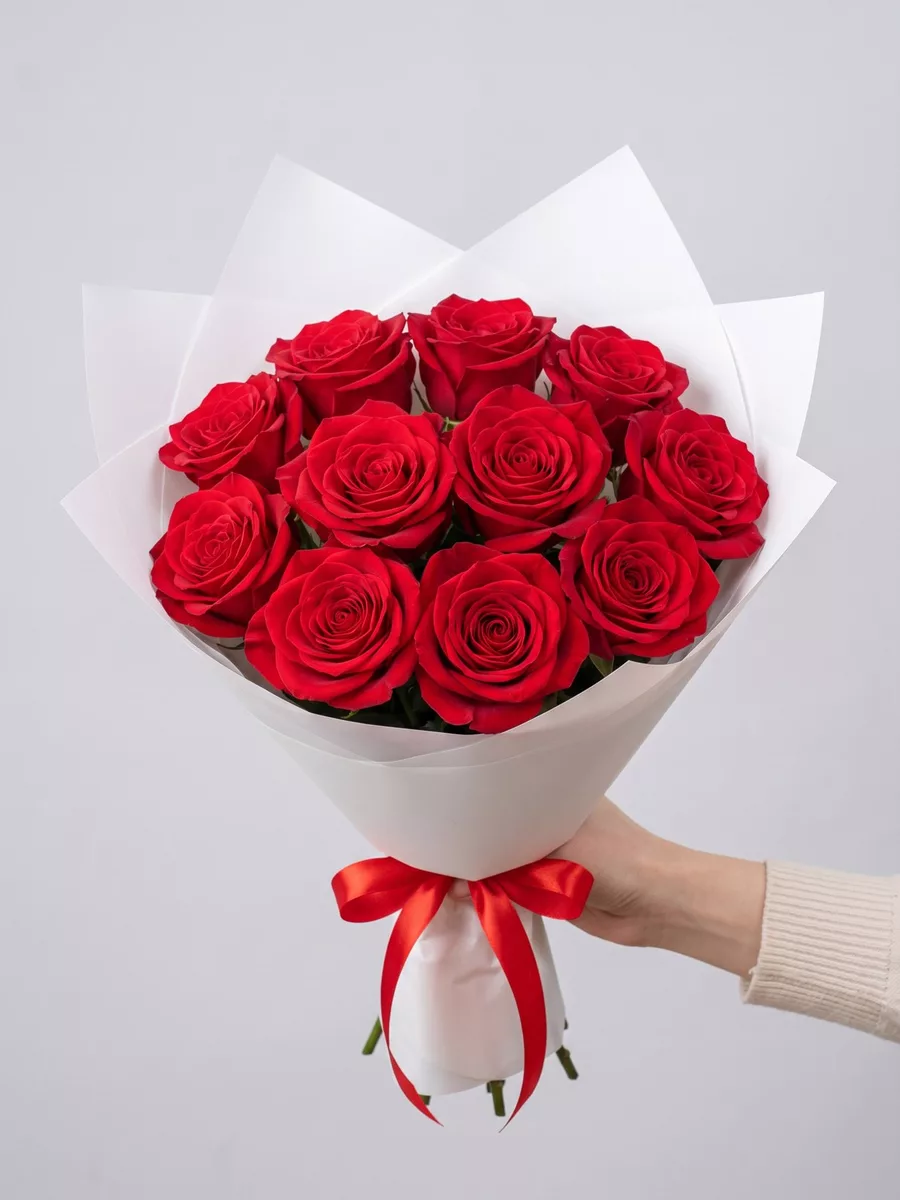
Bouquets we can deliver



Old flower symbolism that did not help
Victorian flower language gave carnations mixed messages. A pink carnation stood for a mother's love and a red one for admiration, but a yellow carnation meant disappointment or rejection, and a striped one meant a refusal. Anyone who reads old symbolism lists online may come away thinking carnations carry hidden negative meanings, even though almost nobody sends them with that intention now.
In some European theatre traditions, carnations are also considered unlucky to give to performers, and a few people still repeat this belief. It has little to do with ordinary gifts, but it adds to the general feeling that carnations are a slightly risky choice.
In practice, these meanings matter far less than how the bouquet looks. A tight, monochrome arrangement of thirty blush carnations reads as modern and thoughtful, while three red stems in cellophane read as an afterthought, regardless of any symbolism.
What florists actually like about carnations
Carnations are one of the longest-lasting cut flowers. With clean water and a fresh cut every two or three days, they easily stay attractive for two weeks and often longer, which is more than most roses and far more than tulips or peonies. In a Saint Petersburg flat with dry heating in winter, this makes them one of the most practical choices.
They also have a gentle clove fragrance, especially in older and garden varieties, which many modern roses have lost. Spray carnations carry several smaller blooms per stem and add texture to mixed bouquets, while standard carnations have full ruffled heads that work beautifully in dense, round compositions.
Designers have been bringing carnations back for several years precisely because of their colours. Muted shades such as dusty pink, caramel, deep wine and pale green mix well with roses, eustoma and seasonal flowers, and a florist can use them to give volume and longevity to a bouquet without making it look heavy.
How to give carnations so they look intentional
Choose a mono-bouquet in one or two close shades rather than a random mix, and make it generous: carnations look elegant in quantity and thin in small numbers. For any celebration in Russia, keep the number of stems odd, as we explain in why Russian bouquets have odd numbers of stems; even numbers are for memorials.
Avoid a small bunch of bright red carnations for birthdays, romantic occasions or a first meeting with someone's parents, because older Russians in particular may read it as ceremonial. Pastel, white-and-green or bicolour carnations do not carry that association and are good for colleagues, teachers and friends.
For 9 May, red carnations are exactly right and are understood by everyone. For a funeral or a cemetery visit, choose an even number of red or white carnations and keep the wrapping simple. When you are unsure, mixing carnations with roses or eustoma removes most of the old associations while keeping their long vase life.
Ordering carnations and other bouquets in Saint Petersburg and across Russia
Pyat Tsvetov has been working since 2011 and has three flower shops in Saint Petersburg, on Ilyushina Street, Obvodny Canal Embankment and Srednerogatskaya Street. You can browse carnation and mixed bouquets in our bouquets catalogue and choose by occasion, colour and size. In Saint Petersburg we deliver around the clock, and we also deliver across Russia.
City delivery costs 500 RUB; for remote districts and suburbs the operator confirms the price when confirming the order. In large cities express delivery takes 1-2 hours after confirmation, or you can choose an exact time within 30 minutes, a window such as 09-12 or 18-21, or pre-order from 1 to 30 days ahead, which suits 9 May and other fixed dates.
Delivery is anonymous by default and a card with your text is free. The courier calls the recipient about 15 minutes before arrival, and if nobody is home we agree a second delivery the same day or leave the bouquet with a neighbour or concierge with your consent. You can pay online by bank card, SBP or Yandex Pay, and foreign bank cards are accepted via Robokassa; see delivery and payment for details, or call us on 8 (812) 507-67-05.
Frequently asked questions
Are carnations considered a cheap flower?
Many people see them as cheap because they were used for decades in budget supermarket bouquets. The flower itself is high quality: it lasts longer than most cut flowers and comes in many refined natural colours.
Is it rude to give carnations in Russia?
Not at all, but context matters. A small bunch of red carnations can feel ceremonial or funereal to older Russians, so for birthdays choose pastel shades or a generous mixed bouquet with an odd number of stems.
Why are red carnations given on 9 May?
Red carnations became the symbol of Victory Day and of honouring soldiers in Soviet times. They are laid at memorials and given to veterans, and this tradition continues in Russia.
How long do carnations last in a vase?
With clean water and a fresh cut every two or three days, carnations usually stay fresh for two weeks or more. Keep them away from radiators and ripening fruit to extend their life.
What does a yellow carnation mean?
In old Victorian flower language a yellow carnation meant disappointment or rejection. Today few people know or follow this, but if the recipient is sensitive to symbolism, choose pink or white instead.
Ready to send a bouquet?
Pick a city, choose the flowers, and we will hand them over with a photo confirmation.
Choose a city →