
What Is in the Plant Food Packets That Come with Flowers?
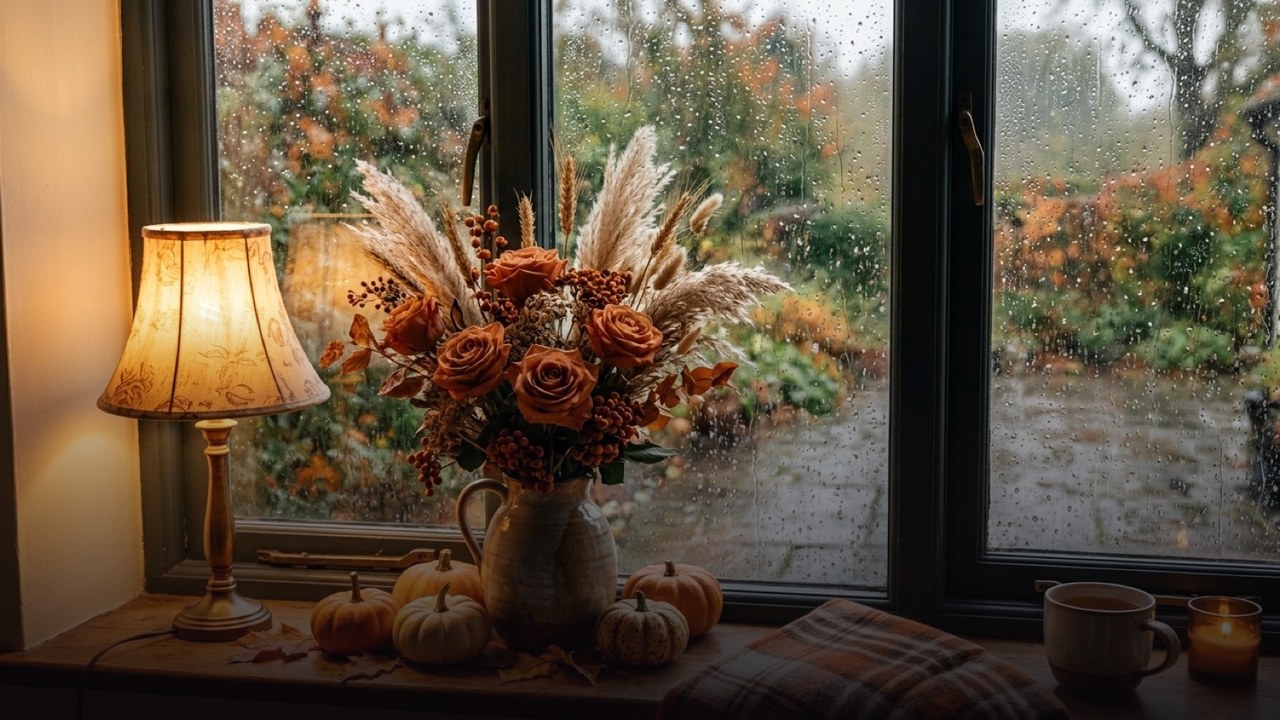
The little plant food packets supplied with cut flowers typically contain sugar, an acidifying ingredient and an ingredient that limits microbial growth in vase water. Sugar supplies energy, the acidifier adjusts the water’s pH, and the antimicrobial component helps keep the water and cut stem ends cleaner. Exact ingredients and concentrations vary, so the packet’s label is the guide to both its contents and the amount of water needed.
At Pyat Tsvetov (5 Flowers), customers often ask whether this powder is fertiliser and whether the whole sachet belongs in one vase. Those details matter: food for cut stems serves a different purpose from fertiliser for a rooted plant, and a small vase may need less solution than a packet makes. We have been working with flowers in Saint Petersburg since 2011, and our practical advice starts with a clean vase, accurately mixed solution and careful placement.
The three main ingredients and what each one does
Sugar, often sucrose or glucose, provides carbohydrates that a cut stem can no longer obtain from its parent plant. Those carbohydrates help support the flower’s remaining processes, including the development of some unopened buds. That does not mean every tight bud will open or that adding more sugar gives better results. Sugar also feeds microorganisms, which is why it belongs in a balanced formula rather than being tipped into the vase on its own.
An acidifier, such as citric acid in some products, lowers the pH of the prepared water and helps create conditions suited to water uptake. The antimicrobial component limits the growth of bacteria and other microorganisms that can contribute to blocked stem ends. Depending on the product, there may also be ingredients that help the powder dissolve or the solution perform in different water conditions. A general description cannot identify the exact chemicals in an unlabelled sachet; check the packaging or the manufacturer’s information.
Flower food is different from fertiliser for potted plants
The word “plant” on a search result can lead to two different products: food for a bouquet and fertiliser for something growing in soil or another medium. Potted-plant fertilisers commonly supply nutrients such as nitrogen, phosphorus and potassium for a plant with functioning roots. A cut-flower sachet is formulated for stems standing in vase water. Do not substitute houseplant fertiliser for bouquet food, even if both products dissolve into a clear liquid.
Use the instructions to identify the intended product before opening it: look for references to cut flowers, vase solution, soil or root feeding. Do not pour leftover bouquet solution into a houseplant pot unless the product explicitly permits that use. A flowering plant in a pot needs care appropriate to its species and growing conditions, rather than the routine used for a cut bouquet. If you are choosing between the two gifts, our guide to potted plants versus cut flowers explains the practical differences for recipients.
Bouquets we can deliver




How to mix a packet and prepare the vase
Read the dilution instruction before filling the vase, because sachets are made for different volumes of water. If yours says one packet per litre, measure a litre and dissolve the entire packet in that amount; do not assume one packet means one vase. For a smaller vase, prepare the stated volume in a clean jug and pour in what you need. Follow the label for any storage of unused solution, and never make a stronger mixture in the hope of extending flower life.
Wash the vase thoroughly, rinse away detergent and remove any old plant material before adding the prepared solution. With a clean, sharp tool, make a fresh cut at the base of each stem, taking care not to crush it, then place the stems in water promptly. Strip off leaves that would sit below the waterline, since submerged foliage deteriorates and adds debris to the water. Keep foliage that remains above water unless it is damaged or prevents the stems from sitting comfortably in the vase.
What flower food can help with, and what it cannot fix
Correctly mixed flower food can support hydration and flower development while helping control microbial growth. The result still depends on the flower variety, its condition when placed in the vase and the conditions in the room. A sachet cannot reverse dead tissue, mend a crushed stem or make every flower in a mixed bouquet age at the same rate. Our article on whether flower food packets work explores how these ingredients fit into everyday vase care.
Check the water level daily, particularly after first arranging the bouquet, and replenish it with solution mixed to the labelled concentration. Replace cloudy or unpleasant-smelling water, wash the vase and remove deteriorating stems rather than simply adding more powder. If you run out of food, use clean water and attentive hygiene instead of leaving stems short of water while searching for a substitute. Keep the arrangement away from direct sunlight, radiators and ripening fruit, which releases ethylene that can accelerate ageing in sensitive flowers.
Why homemade mixtures and extra doses can cause problems
Sugar water supplies only one part of what a commercial cut-flower formula is designed to provide. Household vinegar, lemon juice and bleach differ in strength, so an improvised recipe can produce unsuitable acidity or expose stems to a damaging concentration. Never mix bleach with vinegar, lemon juice or another acid, because that can release dangerous chlorine gas. For a bouquet at home, clean water and regular cleaning are a more dependable fallback than guessing a chemical recipe.
Treat the packet as a flower-care product: keep it away from children and pets, and do not use a drinking glass to store the powder. Wash your hands after handling it and follow any warnings printed on the packaging. If the sachet is torn or its identity is unclear, leave it out rather than guessing from the powder’s appearance. A small label on the vase or a note with the remaining sachets can also help everyone in the household use the correct dilution.
Sending flowers to Russia with useful care instructions
When choosing a gift from abroad, consider whether the recipient will have time to unpack the flowers and put them in water after arrival. You can select a bouquet from our bouquets catalogue and include a free card with your own text, including a brief care reminder if useful. Delivery is anonymous by default: the courier does not name the sender, so sign the card if you want the recipient to know who sent it. The courier calls the recipient about 15 minutes before arrival.
We deliver flowers across Russia; city delivery costs 500 RUB, while the operator confirms the price for remote districts and suburbs when confirming the order. In large cities, express delivery takes 1–2 hours after order confirmation; scheduling options include an exact time within plus or minus 30 minutes, the windows 09–12, 12–15, 15–18 and 18–21, or pre-ordering 1–30 days ahead. Delivery in Saint Petersburg operates around the clock, and our delivery and payment information helps you plan the order. Online checkout uses CloudPayments; check the options displayed there for your payment method, or call 8 (812) 507-67-05 with questions.
Frequently asked questions
Is flower food just sugar?
No. Typical cut-flower food combines sugar with an acidifier and an antimicrobial component, although the precise formula varies by product.
Can I put two flower food packets in one vase?
Only if the measured water volume requires two packets according to the label. The vase’s size or the number of flowers does not determine the dose by itself.
Can I use a flower food packet for a potted plant?
Do not use cut-flower food as a substitute for houseplant fertiliser unless its label specifically permits that use. Rooted plants need nutrients and care suited to their species and growing medium.
What should I do if my bouquet has no food packet?
Use a thoroughly cleaned vase, fresh water and freshly cut stem ends, with no leaves below the waterline. Check the level daily and replace water that becomes cloudy or develops an unpleasant smell.
Should I add more powder when topping up the vase?
Prepare fresh solution separately at the dilution stated on the packet, then use it to top up. Adding powder directly to the remaining vase water makes the final concentration difficult to control.
Ready to send a bouquet?
Pick a city, choose the flowers, and we will hand them over with a photo confirmation.
Choose a city →