
What Kind of Aspirin Should You Put in Flower Water?
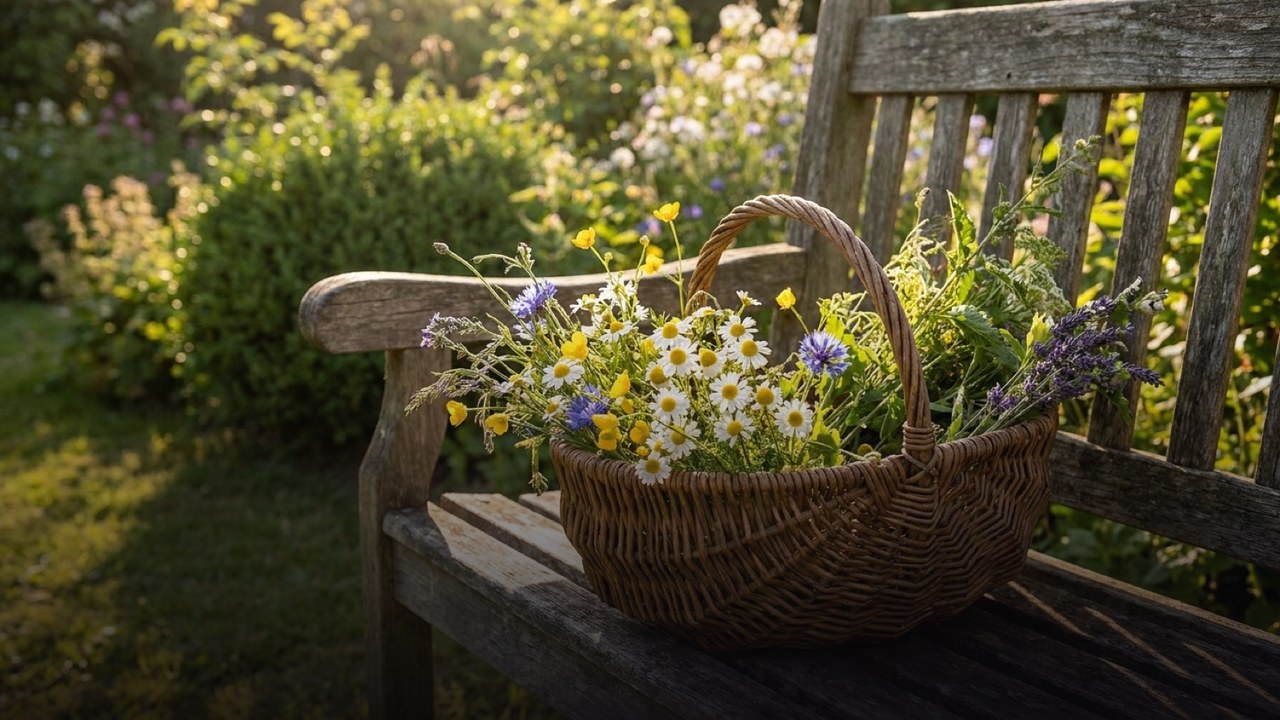
Customers sometimes ask us what kind of aspirin to use for flowers: the home remedy usually means plain, uncoated, immediate-release aspirin containing acetylsalicylic acid, rather than a combination medicine. That identifies the product; it does not establish that adding it will help your bouquet. We recommend commercial cut-flower food, used according to its label, instead of trying to calculate an aspirin dose.
At Pyat Tsvetov (5 Flowers), our Saint Petersburg flower shops have been helping customers choose flowers since 2011. A useful care answer starts with the vase, the water and the stems, because a tablet cannot correct a dirty container or leaves sitting below the waterline. Below, we explain the differences between aspirin products, why household dosing advice is unreliable, and the practical routine to follow when a bouquet arrives.
Which aspirin do home flower remedies mean?
Plain aspirin means a medicine whose active ingredient is acetylsalicylic acid, without additional painkillers or cold-and-flu ingredients. An ordinary tablet may still contain inactive ingredients, so “plain” does not mean chemically pure. Read the active-ingredient panel rather than relying on the brand name or the colour of the packet. If the contents are unclear, leave the medicine out of the vase.
Enteric-coated and delayed-release aspirin are formulated to release the medicine differently when taken by a person. That coating offers no useful purpose in flower care and makes a tablet a poor basis for a home water recipe. Effervescent products may contain ingredients that change how they dissolve and affect the solution. Dispersible, soluble and chewable products also vary, so those labels are not a reason to assume suitability for flowers.
Paracetamol, also called acetaminophen, and ibuprofen are different medicines, not alternative forms of aspirin. Products sold for headaches may combine several active ingredients under one familiar brand. Do not substitute whichever painkiller happens to be in the cupboard. If your aim is a practical treatment for cut stems, a product labelled as cut-flower food gives you instructions intended for that use.
Why a tablet is not a complete flower preservative
The explanation behind aspirin advice often focuses on acidity: water chemistry can affect how cut flowers take up water. However, adding aspirin does not tell you the final acidity of your vase water, and acidity alone does not meet every need of a cut stem. Commercial flower food typically combines ingredients that supply sugar, adjust acidity and help control microbial growth. Use the product’s own directions because formulations differ.
A recipe such as “one tablet per vase” leaves several important details undefined. Tablets come in different strengths, vases hold different amounts of water, and bouquets contain flowers with different care needs. Crushing the tablet may help it break apart, but it does not resolve those uncertainties. We therefore do not recommend a universal aspirin dose or suggest that a stronger solution will produce a better result.
A bouquet looking fresh after an aspirin treatment does not by itself show that aspirin caused the result. Its starting condition, handling, water supply and position in the room can all influence what you see. For more context, read Aspirin for Flowers: Does It Really Make Cut Flowers Last Longer?. The useful takeaway is to treat aspirin as an uncertain household experiment, rather than a necessary step in caring for a gift.
Bouquets we can deliver




Prepare the vase and stems before adding anything
Start with a vase washed thoroughly with detergent and rinsed well, including the base and any narrow areas where residue collects. Choose a container that supports the bouquet without packing the stems tightly together. Remove wrapping that would otherwise sit in the water, while keeping any arrangement structure you need to hold the flowers safely. Set the vase on a stable surface before filling it.
Remove leaves that would fall below the waterline, then refresh the stem ends with a clean, sharp tool. Make a clean cut without crushing the stem, and return the flowers to water promptly. Use clean water and, if you have commercial flower food, measure both the water and the product as directed. Avoid splitting a sachet by eye between several vases, since the resulting concentration may be wrong for each one.
What to do if aspirin is already in the water
If you have already added aspirin, you do not need to throw away the bouquet. Empty the vase, wash and rinse it, and refill it with clean water or a correctly mixed cut-flower-food solution. Rinse away visible tablet residue from the submerged parts of the stems and refresh the cut ends with a clean tool. This gives you a clear starting point without adding more substances to an unknown mixture.
Avoid trying to balance aspirin with sugar, vinegar, bleach, vodka or another household ingredient. Each addition changes the solution, and a mixed recipe makes it harder to know what you have put around the stems. Never mix household cleaning chemicals with acids or other products. Our guide to Aspirin, Sugar, Vodka: Home Flower Remedies Tested discusses these familiar remedies, but a clean vase and a measured flower-food solution remain the practical choice.
Keep the bouquet supplied with water each day
Check the water level daily, especially during the first days, when a bouquet can use more water than you expect. Keep the cut ends submerged and follow the flower-food label when topping up or replacing the solution. If the water becomes cloudy or develops an unpleasant smell, empty it and clean the vase before refilling. Remove fallen leaves and deteriorating flower material instead of letting them remain in the water.
Place the bouquet away from direct sun, radiators, heating vents and other sources of sustained heat. Keep it away from ripening fruit, which can release ethylene that affects sensitive flowers. A comfortable, cooler position indoors is more useful than trying to rescue a warm, dry bouquet with a tablet. Avoid repeatedly moving flowers between very different conditions simply to find the coldest available spot.
In a mixed bouquet, some stems may finish sooner than others, so remove individual spent flowers as needed. If one stem wilts, check whether its end is still underwater and whether the stem is bent or damaged. Refreshing the cut and returning it to clean water is a reasonable first step, although recovery is not assured. Different flowers age at different rates, and no vase additive can promise an identical result for every stem.
Sending flowers to someone in Russia
If you are ordering from abroad, choose the bouquet through our Bouquets catalogue and plan delivery around when the recipient can receive it. We deliver flowers across Russia; city delivery costs 500 RUB, while the operator confirms the price for remote districts and suburbs when confirming the order. In large cities, express delivery is available 1–2 hours after order confirmation. Other options include an exact time within plus or minus 30 minutes, the windows 09–12, 12–15, 15–18 or 18–21, and pre-ordering 1–30 days ahead.
Delivery is anonymous by default: the courier does not name the sender, so use the free card with your text if you want the recipient to know who sent the flowers. The courier calls about 15 minutes before arrival. If the recipient is absent, we agree a second delivery that day or, with the sender’s consent, hand the flowers to a neighbour or concierge. In Saint Petersburg, delivery is available around the clock.
Online checkout uses CloudPayments; check the payment options displayed there for your order. You can review Delivery and payment, and questions can be directed to 8 (812) 507-67-05. For the recipient, a short care message is more useful than an aspirin instruction: use a clean vase, prepare the stems, follow any flower-food directions and check the water daily. That gives them a clear routine to follow as soon as the bouquet arrives.
Frequently asked questions
What kind of aspirin do people use for flowers?
Home recipes usually mean plain, uncoated, immediate-release aspirin with acetylsalicylic acid as its only active ingredient. That description identifies the medicine, but we recommend properly diluted cut-flower food instead.
Can I use coated or effervescent aspirin in a vase?
We do not recommend either for flower care. Coatings and additional ingredients serve the medicine’s intended use and make them unsuitable substitutes for a measured flower-food product.
How many aspirin tablets should I add to flower water?
There is no reliable universal tablet-per-vase dose to recommend. Tablet strength, water volume and the flowers themselves vary, so use the labelled dilution of commercial cut-flower food.
What should I do if I have no flower food?
Use a thoroughly cleaned vase and clean water, remove submerged leaves and refresh the stem ends. Check the water daily and replace it promptly if it becomes cloudy or smells unpleasant.
Can I order flowers to Russia while living abroad?
You can order through our website for delivery across Russia. Checkout uses CloudPayments, so check the payment options shown there rather than assuming that a particular foreign card will be accepted.
Ready to send a bouquet?
Pick a city, choose the flowers, and we will hand them over with a photo confirmation.
Choose a city →