
How to Check Zinnias in a Bouquet for Damage
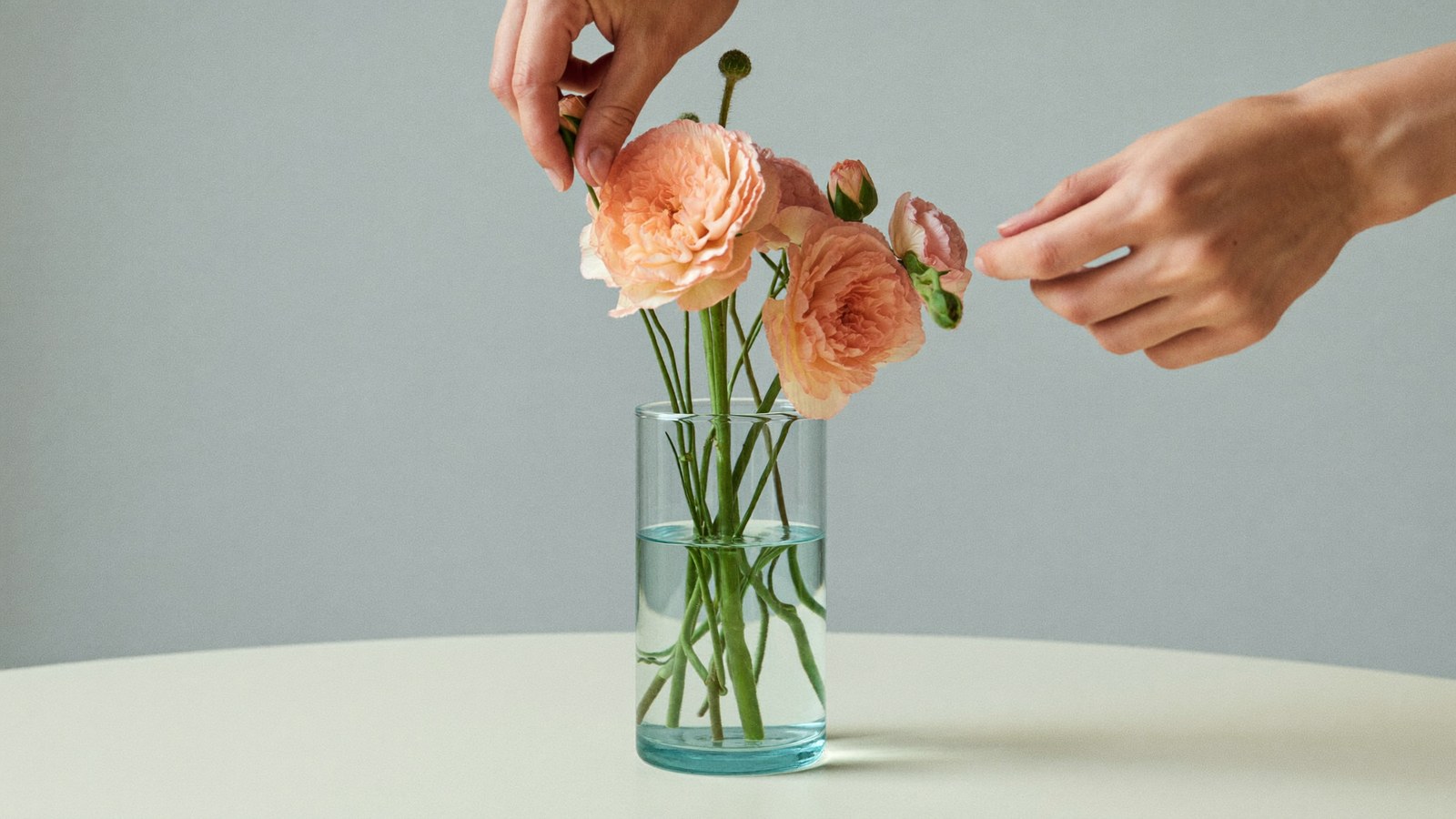
When customers ask whether bouquet zinnias are damaged, we check for crushed or translucent petals, sharply creased stems, and soft, dark tissue near the waterline. Slightly uneven petals or a prominent centre alone do not mean a flower is failing; inspect the whole head and stem before deciding.
At Pyat Tsvetov (5 Flowers), our Saint Petersburg flower shops have been helping customers since 2011. For a useful check at home, loosen the wrapping, place the bouquet in good light and examine individual stems without pulling on the flower heads.
Check the petals and centre first
Look for flattened areas, torn edges or patches that appear translucent, brown or papery. Damage concentrated on one side can suggest pressure or rubbing during transport, although appearance alone cannot establish the cause. A small dry tear affects presentation; a spreading soft patch needs closer attention.
Zinnias vary in petal arrangement, and some naturally show much more of the centre than others. Yellow pollen or tiny florets in the centre are not, by themselves, signs of decay. Fuzzy growth, particularly with damp, collapsing tissue, is a reason to separate the affected stem from the bouquet.
Inspect the stem beneath a drooping head
Support the bloom gently and check the stem immediately below it, then follow the stem down to the cut end. A sharp crease, split or crushed section indicates physical damage. Water will not repair a broken stem, even if the petals still look fresh.
A drooping head on an intact, firm stem may reflect water stress rather than a break. Check the vase level and whether every cut end reaches the water. Soft or slimy tissue, an unpleasant smell and dark, collapsing areas are stronger reasons to remove a stem than drooping alone.
Bouquets we can deliver




Give intact stems a clean-water check
Wash the vase, refill it with fresh water and remove leaves that would sit below the waterline. With a clean, sharp tool, recut intact stems above any discoloured cut ends. If using cut-flower food, follow its packet instructions rather than guessing the dose.
Keep the bouquet away from direct sun, heaters and draughts, then reassess over the next few hours. Improved firmness suggests water stress contributed to the droop, but bruised petals and torn tissue will remain damaged. Avoid repeatedly handling the heads to test them.
Remove stems with persistent slime, foul odour or fuzzy growth, and clean the vase again. For help distinguishing wilt from a finished flower, see Are These Flowers Dead? Signs to Check Before Giving Up.
What to record if damage is visible on arrival
Before trimming, photograph the whole bouquet and take close-ups of affected petals, stem bends and wet or soft patches. Note whether the wrapping pressed against the blooms and whether the cut ends were in water when you unpacked them. These observations make the issue easier to explain without assuming its cause.
For questions about an order from Pyat Tsvetov, call 8 (812) 507-67-05. If you are ordering flowers for someone in Russia, we deliver across Russia; city delivery costs 500 RUB, while the operator confirms the price for remote districts and suburbs when confirming the order. See Delivery and payment for ordering information.
If you will carry the bouquet after receiving it, protect the flower heads from pressure and keep the arrangement secure during the journey. Our bouquet transport guide explains practical handling steps.
Frequently asked questions
Do curling zinnia petals always mean the flower is damaged?
No. Petal shape varies between zinnias, so curling alone is not enough to judge condition. Check for accompanying brittleness, discolouration, soft tissue or loss of firmness.
Can I remove one damaged zinnia and keep the rest?
Yes, inspect the remaining stems individually. If the removed stem was slimy or mouldy, wash the vase and replace the water before returning the healthy stems.
Ready to send a bouquet?
Pick a city, choose the flowers, and we will hand them over with a photo confirmation.
Choose a city →