
Flower Delivery in Kansk: Zones, Timing and What to Expect
Kansk sits in Krasnoyarsk Krai, roughly 250 kilometres east of Krasnoyarsk, and customers ordering flowers here often assume the same rules apply as in a large regional capital. They do not. Distances, road conditions and the local climate all shape what arrives at the door and when. This article covers exactly what you get when you order from Five Flowers to Kansk — which districts we reach, how long it realistically takes, which varieties travel well on that route, and what you should check before confirming your order.
Which Parts of Kansk We Deliver To
Kansk is a compact city by Siberian standards, with a population around 90,000, but its residential districts are spread across both banks of the Kan River and include several outlying microdistricts that require additional travel time. We deliver to the central part of the city, including the main commercial streets around Lenin Square, as well as the residential neighbourhoods of Mikrorayon and the older Soviet-era housing blocks along Ulitsa Lenina. Areas on the far eastern edge of the city, particularly the industrial zones near the railway junction, may require an additional time window — always specify the exact street and building number when ordering so the courier can plan the most direct route. Addresses in the private housing sector, where streets are unpaved and house numbering follows older Soviet cadastral logic rather than a simple sequence, need extra attention. If you are sending flowers to a recipient in one of these areas, include a landmark or a short description of the building in the comments field. We do not deliver to villages and settlements outside the city boundary of Kansk itself — orders to places like Ilanskiy or Zaozerny require a separate arrangement and a longer lead time, and you should contact us directly to discuss those cases before placing an order online.
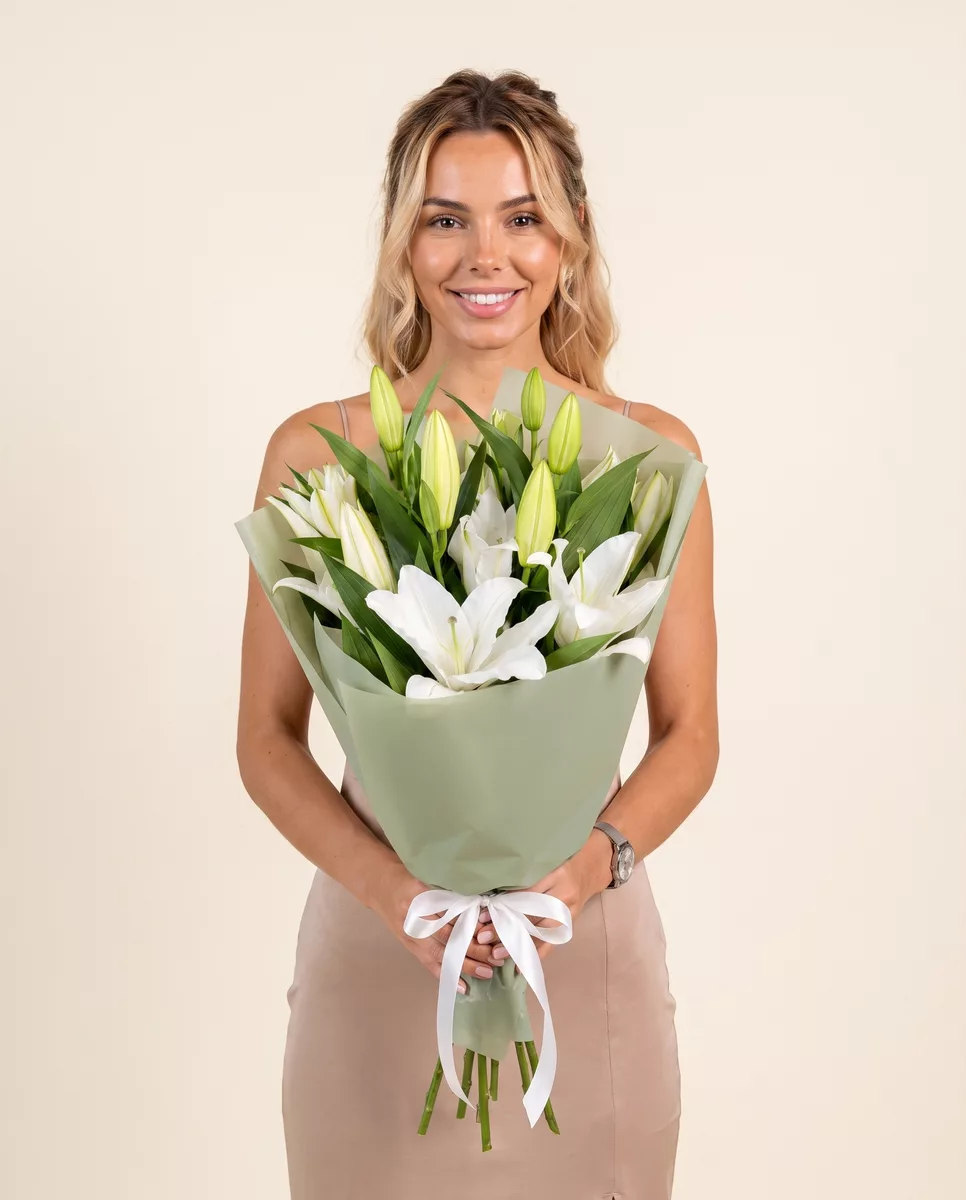
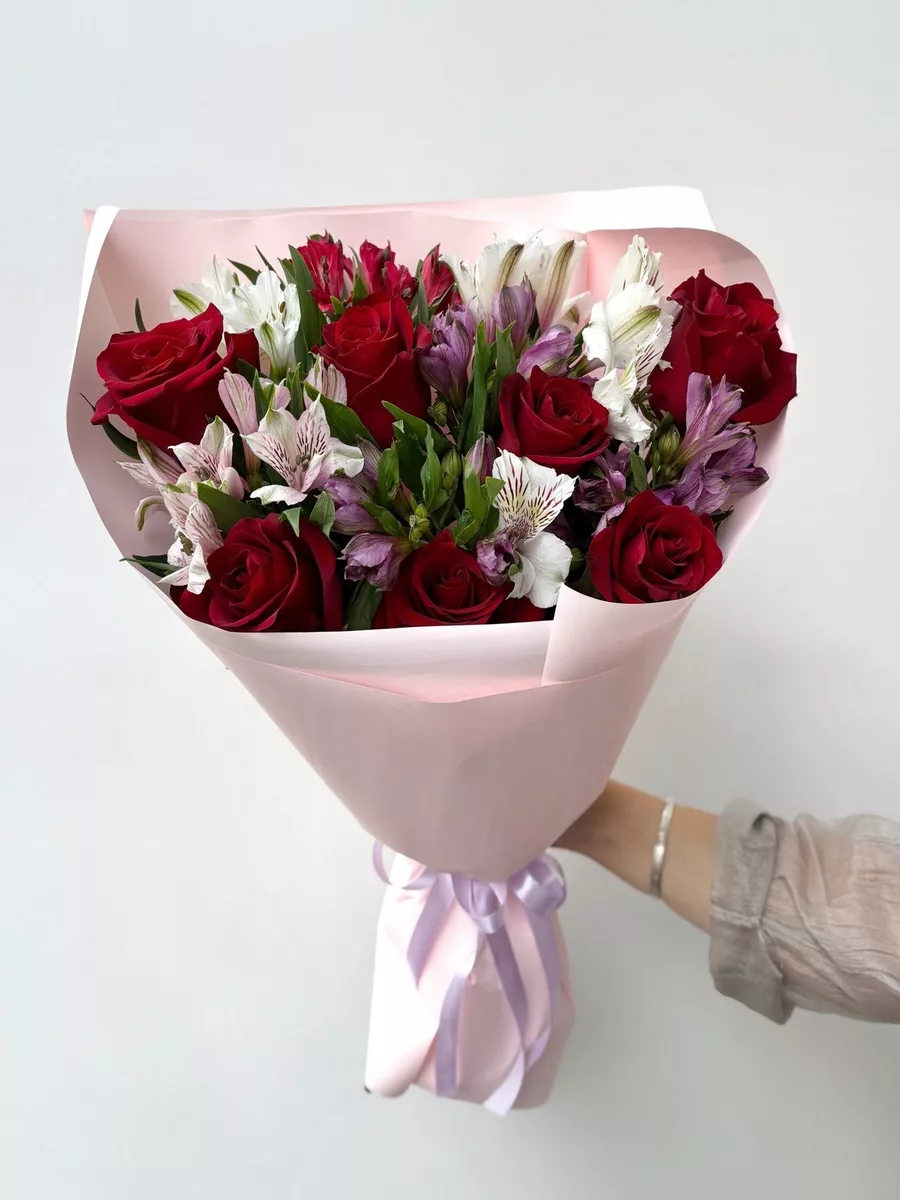
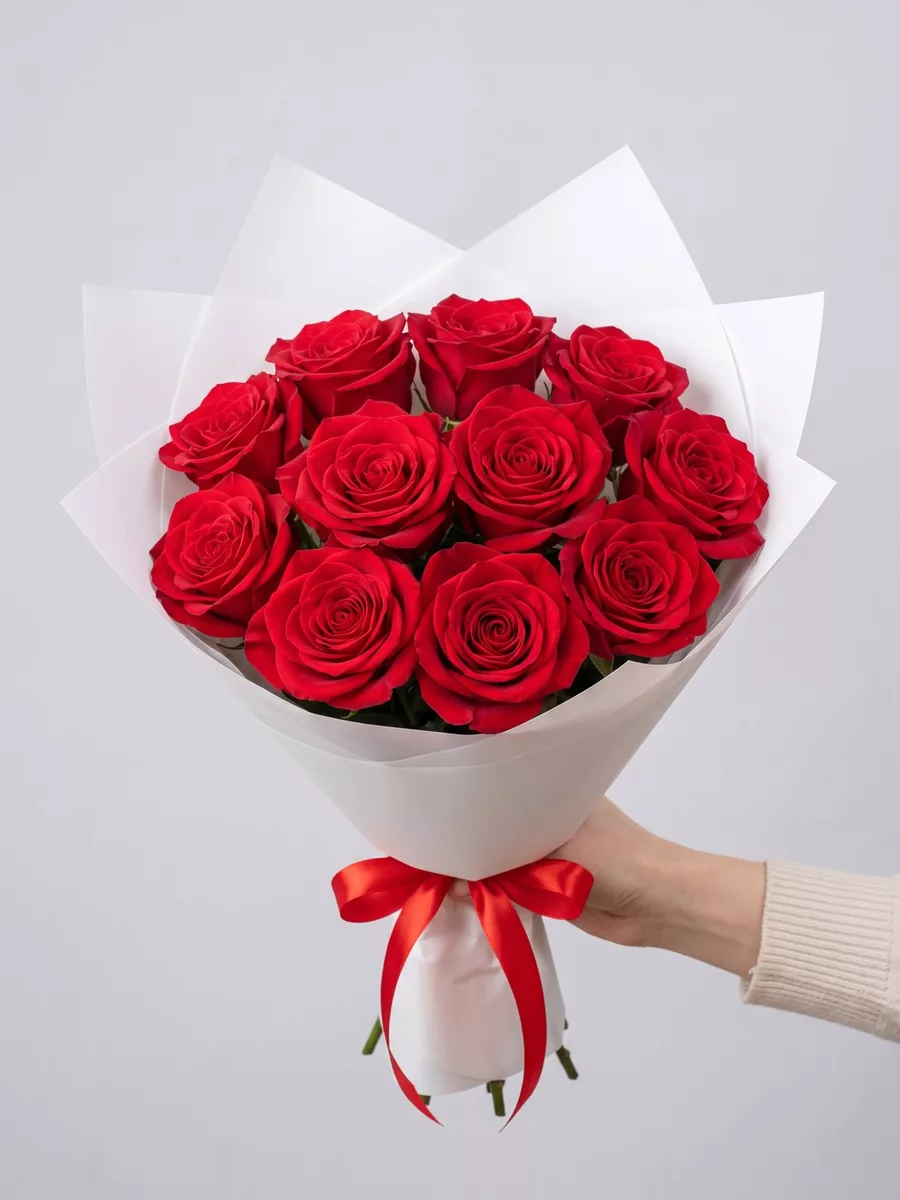
Bouquets we can deliver

Realistic Delivery Timing from Saint Petersburg
Five Flowers is based in Saint Petersburg, and flowers for Kansk are dispatched via temperature-controlled express freight to Krasnoyarsk Krai before final delivery. The standard window we quote is one to two hours for in-city delivery once the flowers have arrived at the dispatch point for your region, but for Kansk specifically, customers should plan for a same-day or next-day timeframe depending on when the order is placed. Orders placed before noon Moscow time on a weekday have the strongest chance of same-day arrival. Orders placed in the afternoon or evening are typically fulfilled the following morning, with delivery completed before midday. This is not a limitation we hide — it is simply the reality of Siberian geography, and a florist who tells you otherwise is not being straight with you. The most common mistake customers make is ordering at 18:00 Moscow time and expecting a bouquet to appear in Kansk by 20:00 the same evening. That is not possible on this route. If the occasion has a fixed time — a birthday dinner, a graduation ceremony — order at least 24 hours ahead and specify the delivery window in the comments. We will confirm whether that window is achievable before charging the card.
How Siberian Temperatures Affect Your Flowers
Kansk experiences a sharply continental climate. Winters regularly drop below minus 30 degrees Celsius, and even in late autumn and early spring, overnight temperatures fall well below zero. This matters directly for cut flowers. Roses, tulips and ranunculus are all sensitive to freezing — even ten minutes of exposure to minus 15 degrees can blacken the outer petals and collapse the stem cells, leaving what looks like a healthy bouquet that wilts within hours of being unwrapped. We pack all bouquets for Kansk in insulated kraft sleeves with heat-retaining inner lining during the cold season, which runs roughly from October through April. In summer, the concern reverses: Kansk can reach 35 degrees Celsius in July, and direct sun exposure during a courier handoff can cause rapid wilting in delicate varieties like sweet peas, anemones and garden peonies. For summer orders, we recommend requesting delivery to an indoor address rather than asking the recipient to collect from outside. If you are ordering for a recipient who lives alone and may not be home, leave a phone number in the order comments so the courier can coordinate timing rather than leaving flowers in a hot stairwell. Temperature management is one of the details that separates a good delivery from a wasted one.
Varieties That Travel Well on Long Routes
Not every flower that looks beautiful in a Saint Petersburg studio survives a long freight and courier journey in good condition. For Kansk orders, we lean on varieties with robust cell structure and proven transport resilience. Spray roses — smaller-headed roses on branching stems — hold significantly better than large hybrid tea roses on long routes because their stems are shorter and their water uptake is more efficient after rehydration. Chrysanthemums, both the standard single-bloom type and the pom-pom varieties, are excellent travellers and arrive looking nearly identical to how they left. Alstroemeria is another strong choice: the buds open gradually, which means they may arrive slightly closed and reach full bloom within 24 hours at the recipient's home, which is actually an advantage on a long route. Eustoma, sometimes called lisianthus, combines a delicate appearance with surprisingly good transport durability and works well in mixed bouquets for any occasion. Gerbera daisies are trickier — their stems are hollow and prone to bending under pressure, so we always pack them upright in structured boxes rather than wrapped bouquets. Orchid stems, particularly cymbidium, also travel exceptionally well and add a striking visual element without the fragility of, say, garden roses or peonies. When in doubt about which variety to choose, filter by our long-distance collections on the website, which are specifically assembled for routes like Kansk.
What the Bouquet Packaging Looks Like on Arrival
Customers who have only ordered flowers locally are sometimes surprised by the packaging on long-distance deliveries, and it helps to know what to expect so the recipient is not confused. Bouquets for Kansk arrive in a rigid cardboard box rather than the open kraft-paper wrap you see in a local shop window. The box protects stems from pressure, keeps the arrangement aligned and holds the insulation layer in place. Inside the box, stems sit in a water-retaining floral foam block or a sealed water tube attached to each stem end, depending on the bouquet type. The flowers themselves are separated from the packaging by a tissue layer, and the box is sealed with a ribbon or branded tape. When the recipient opens the box, they should first remove the outer sleeve, then lift the bouquet by the stems rather than the flower heads, and place it in a vase with fresh water within the first 30 minutes. Cutting one to two centimetres off the stem ends at a 45-degree angle before placing them in water significantly extends vase life — this is standard florist advice that applies everywhere but is especially relevant after a long journey. We include a care card with every order that explains this in Russian, but if your recipient does not read Russian, it is worth sending them a quick message with these steps. The bouquet should be kept away from direct sunlight, heating radiators and draughts, all of which are common in Siberian apartments during winter.
Typical Occasions and What Customers in Kansk Order
Based on orders to Kansk and similar Siberian cities, the most common occasions are birthdays, anniversaries and professional milestones such as promotions or retirements. Birthdays account for the largest share of orders by volume, and the most frequently chosen arrangements are mixed bouquets combining roses with complementary filler flowers like waxflower, eucalyptus or solidago. Anniversary orders tend toward monochromatic arrangements — all white, all red or all cream — which is a common preference across Russia and reflects a tradition of giving flowers in odd numbers, since even numbers are associated with mourning occasions. If you are not familiar with this custom, it is worth knowing: a bouquet of ten roses would be considered inappropriate by most Russian recipients, while eleven or nine would be perfectly fine. We automatically assemble all bouquets in odd numbers unless a customer specifically requests otherwise. Teacher appreciation is another frequent occasion in Kansk, particularly around Knowledge Day on the first of September and Teacher's Day in October, when schools across Russia traditionally receive flowers. For these occasions, modest but fresh-looking arrangements of gladioli, chrysanthemums or asters work well and are culturally appropriate. Corporate orders — flowers for an office opening, a business anniversary or a client gift — are less common from Kansk but do arrive, and for those we recommend contacting us directly to discuss volume and timing.
What to Check Before You Confirm the Order
A significant portion of delivery problems in distant cities like Kansk come from incomplete or incorrect order information rather than logistics failures. Before you confirm, run through the following points. First, verify the recipient's phone number is current — the courier will call ahead, and an unreachable number means the bouquet cannot be handed over. Second, check that the address includes the apartment number and entry code for the building intercom, which is standard in Russian multi-storey buildings. Many buildings in Kansk have coded intercoms, and without the code the courier cannot access the stairwell. Third, if the delivery is a surprise, note that in the comments and ask us not to call the recipient — we will coordinate with the sender instead, though this adds some logistical complexity and may narrow the delivery window. Fourth, confirm the date and preferred time window, remembering the Moscow time difference: Kansk is four hours ahead of Moscow, so a delivery you want at 14:00 local Kansk time corresponds to a 10:00 Moscow time dispatch window. Fifth, double-check the greeting card text before submitting — once the card is printed and included in the sealed box, changes are not possible. If you are writing in Russian and are not confident in the spelling, type the message in a document with spell-check first. These five checks take less than two minutes and prevent the majority of issues we see on long-distance orders.
Ordering flowers to Kansk is straightforward once you understand the geography and timing involved. The city is reachable, the main residential districts are covered, and the right variety choices mean the bouquet arrives in genuinely good condition rather than a tired approximation of what you ordered. The key habits are ordering with enough lead time, providing a complete address with intercom code, and choosing varieties suited to long-distance travel. Five Flowers handles the cold-chain logistics and packaging — your job is to give us accurate information and a realistic delivery window, and we will do the rest. We deliver bouquets across Russia in 1–2 hours.
Frequently asked questions
Which bouquets from your range actually reach Kansk in good condition?
Chrysanthemums, spray roses, alstroemeria and carnations handle the freight and temperature swings between Saint Petersburg and Krasnoyarsk Krai far better than open garden roses or ranunculus. A mixed bouquet built around spray roses and alstroemeria, typically priced from 3,500 to 5,500 roubles, gives you the best ratio of visual weight to durability for the distance involved.
How much longer should I expect delivery to take compared to Krasnoyarsk city?
Krasnoyarsk itself gets a one-to-two-hour window once flowers reach the regional dispatch point. Kansk adds roughly two to three hours on top of that because of the 250-kilometre road distance east. Order confirmations for Kansk should therefore be placed with at least a full day's lead time, and same-day requests for afternoon delivery are accepted only until around 10 a.m. local time.
Can roses be sent to Kansk in January or February given the minus 30 temperatures?
Long-stemmed hybrid tea roses are a genuine risk below minus 20 Celsius during the final courier leg. If you want roses in deep winter, we use insulated packaging and limit stem count to keep the bundle tight, but we recommend spray roses as a safer alternative. Discuss the forecast with us at the time of order — we will tell you directly if conditions make standard roses inadvisable that day.
What address details do I need to provide for delivery to the outlying microdistricts of Kansk?
Street name, building number, entrance number and flat number are all required. For addresses on the far bank of the Kan River or in microdistricts beyond the central zone, also confirm a working phone number for the recipient — couriers crossing to those areas do not double back, so contact on arrival is essential to avoid a failed delivery.
Does the price of a bouquet change depending on which part of Kansk I am delivering to?
The bouquet price stays fixed regardless of district, but the delivery fee varies by zone. Central addresses around Lenin Square fall into the standard rate, while addresses in outlying microdistricts carry a higher courier surcharge. When you submit your order, confirm the full postcode or microdistrict name and we will quote the exact delivery cost before you pay.
Ready to send a bouquet?
Pick a city, choose the flowers, and we will hand them over with a photo confirmation.
Choose a city →