
Flowers for a Russian Colleague's Promotion: Scale, Timing and Delivery
A promotion in a Russian workplace is a bigger public moment than many Western colleagues expect. The person being celebrated is watched by the whole team, and the flowers sitting on their desk for the rest of the day become a kind of social signal. Get the bouquet too small and it reads as indifferent; get it too large and it can feel like a performance. Every week we take orders from coworkers, managers and HR teams who are trying to land somewhere in the middle — appropriate, generous, and not awkward. This article covers what actually works, drawn from the orders we see repeatedly and the questions customers ask before they place them.
Why Scale Matters More Than Sentiment in a Russian Office
In Russian professional culture, flowers given at a career milestone are not just a personal gift — they are a public statement made in front of colleagues. The size and quality of the bouquet will be noticed, discussed quietly, and remembered. This is not vanity; it is how respect is communicated in a workplace context. A small bunch of five stems handed over at a desk reads very differently from a structured bouquet of fifteen to twenty-five stems delivered properly. Customers often ask whether a modest arrangement is fine if they do not know the person well. The honest answer is that modesty in this context can come across as reluctance rather than restraint. If you are sending flowers at all, the gesture should be visible. That does not mean spending extravagantly, but it does mean thinking in terms of a proper bouquet rather than a token bunch. The variety you choose matters too. Roses, spray chrysanthemums, lisianthus and alstroemeria all hold up well through a working day and photograph cleanly — which matters because the recipient will almost certainly take a photo to share. Carnations are acceptable but read as lower-budget in most urban Russian offices today. Peonies and ranunculus are appreciated when in season but need to be ordered with timing in mind since they open quickly in a warm office. The rule of thumb from the shop floor: match the scale of the bouquet to the scale of the promotion, not to how well you personally know the person.
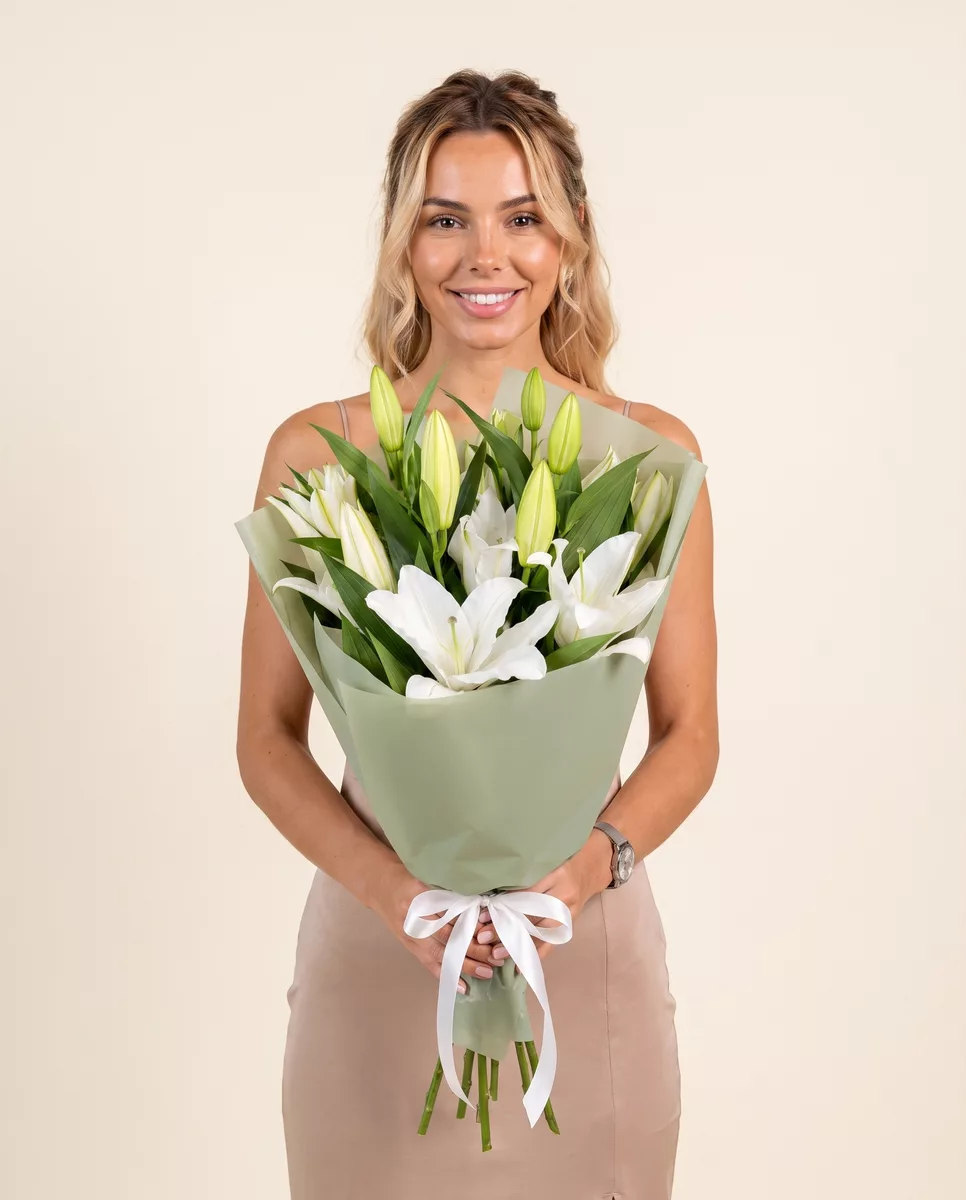
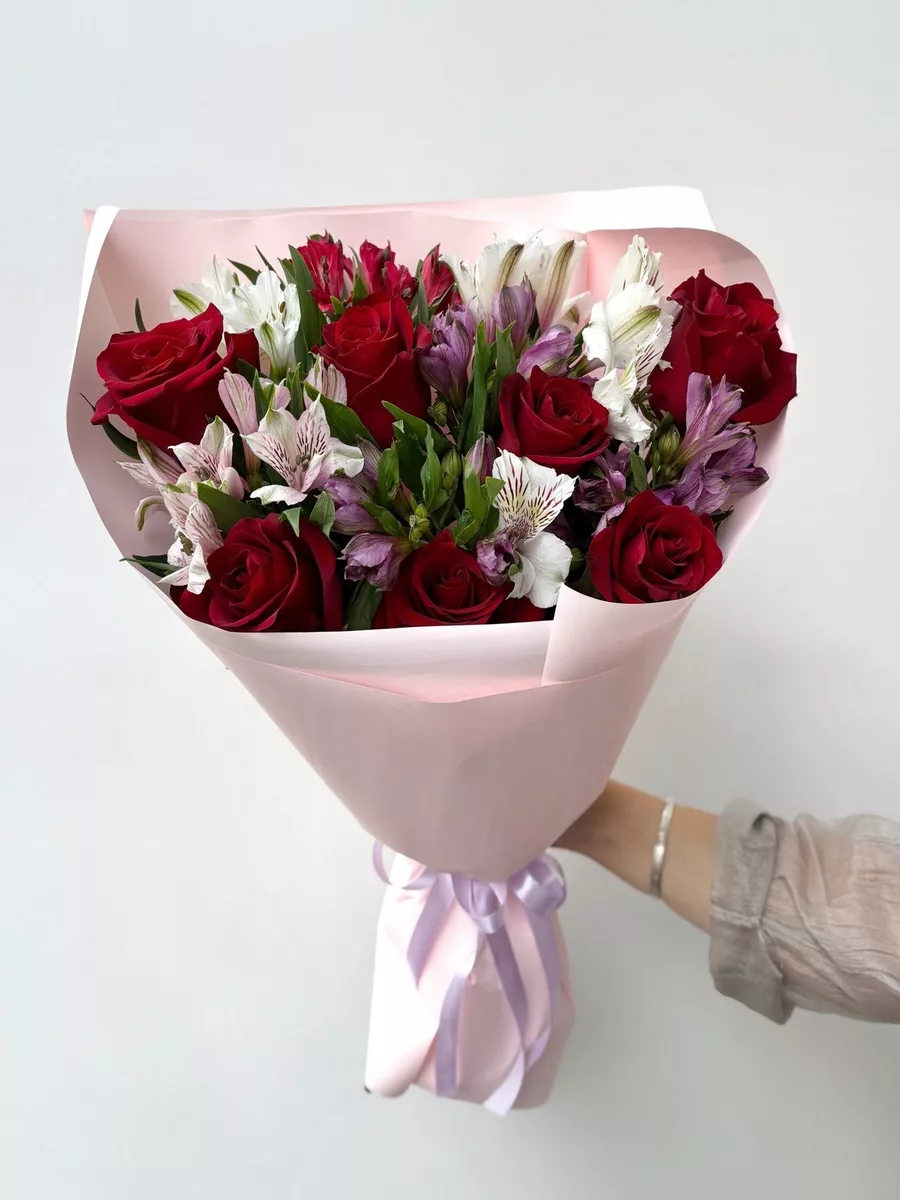
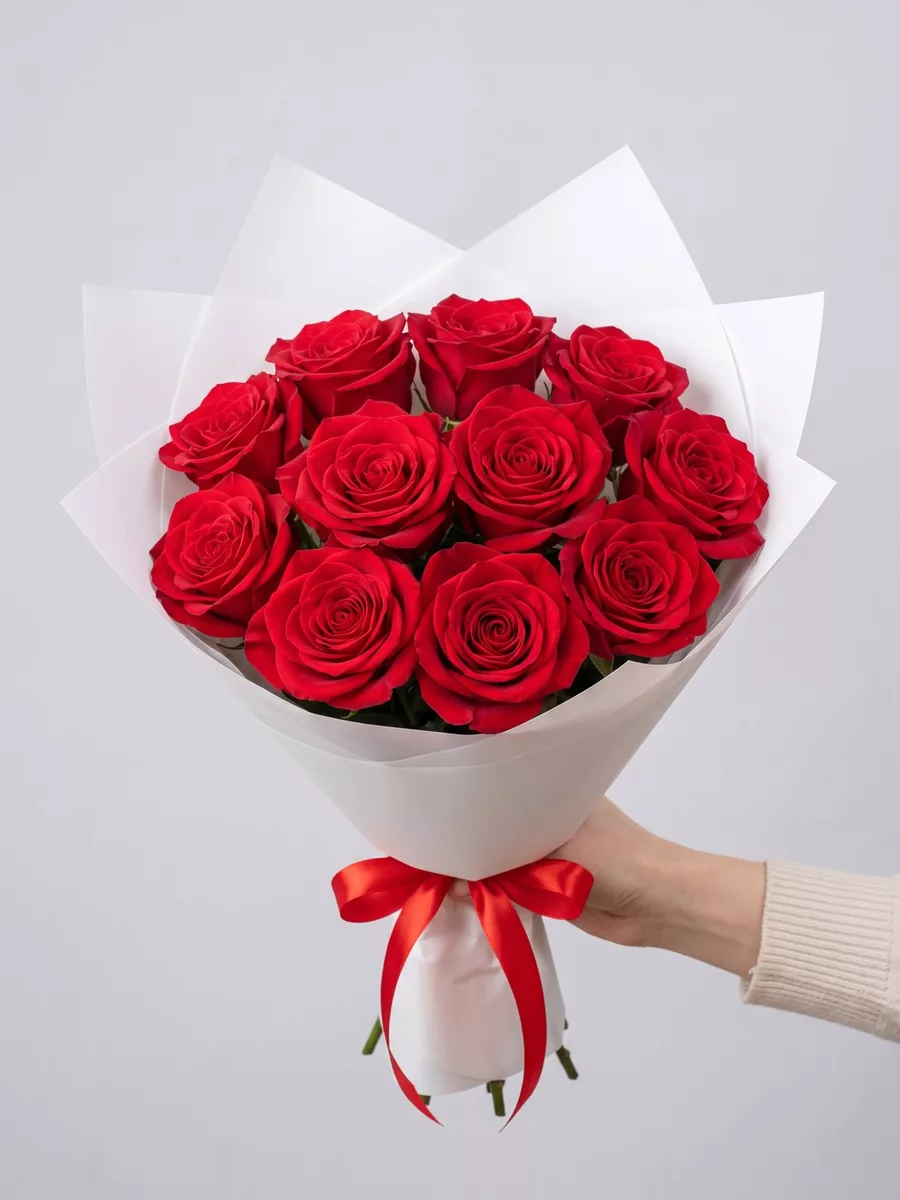
Bouquets we can deliver

Odd Numbers, Flower Counts and the Rules You Need to Know
The single most common mistake foreign colleagues make is sending an even number of flowers. In Russian tradition, even numbers of flowers are associated with mourning and funerals, so a bouquet of ten or twelve stems lands wrong regardless of how beautiful the arrangement is. Always order an odd number: eleven, fifteen, nineteen, twenty-five. This is not a superstition to argue with — it is a firm social norm and the recipient will notice. When customers call us unsure what count to order, we suggest thinking in tiers. A bouquet of eleven to fifteen stems is appropriate for a close colleague or team member. Nineteen to twenty-five stems suits a manager, a department head, or someone whose promotion is a significant step up. Above twenty-five, you are moving into territory that feels more like a formal institutional gift, which can work if it comes from a whole team pooling together rather than one person. The composition matters alongside the count. Mixing focal flowers with filler — for example, roses or lisianthus as the main stem with waxflower, pittosporum or eucalyptus as support — gives the bouquet volume and makes the count less obvious while still hitting the right visual weight. A mono-bouquet of a single variety, such as all roses or all spray roses, also works and is very popular in Russian offices right now because it photographs well and looks deliberate rather than assembled from leftovers. Whatever you choose, confirm the stem count at the point of ordering rather than leaving it to the florist's discretion.
Which Varieties Hold Up Through a Full Working Day
An office is a harder environment for flowers than most people realise. Heating systems run dry in Russian winters, air conditioning dehydrates blooms in summer, and the bouquet will sit without water for several hours at minimum before anyone thinks to put it in a vase. Choosing varieties that are structurally robust is not a secondary concern — it is the difference between flowers that look good in an evening photo and flowers that have already wilted by lunch. Roses are the most reliable choice for office delivery. Standard garden roses and spray roses both hold well for six to eight hours out of water if they have been properly conditioned before dispatch. Lisianthus, sometimes called eustoma, is an excellent second choice: the buds open gradually through the day, the stems are strong, and the flowers do not bruise easily in transit. Alstroemeria is practical and long-lasting but carries a slightly more casual register, so it works better as a supporting element than as the lead flower in a promotion bouquet. Chrysanthemums, both spray and standard, are genuinely robust and underrated in this context. They tolerate office temperatures well and last reliably. Avoid flowers with a very short vase life or those that drop petals easily in warmth — tulips in high summer, for example, or open garden peonies in a heated room. If you are ordering in winter and the delivery involves outdoor time, ask about packaging: flowers need wrapping that protects them from frost during the walk from the courier to the building entrance, as even five minutes below freezing can damage open blooms.
Office Delivery Versus Home Delivery: Which One to Choose
This is the question we get most often for workplace orders, and the answer depends on two things: whether you know the person's home address, and whether the promotion is being announced publicly at the office or kept relatively quiet. If the promotion is being celebrated openly — a team meeting, an announcement, a small office gathering — then delivery to the office is almost always the right call. The flowers arrive at the moment of celebration, they are seen by colleagues, and the gesture lands in context. For this to work, you need to know the office address precisely, including floor and department, and you need to coordinate the delivery time so the flowers arrive while the recipient is actually there. Sending flowers to an empty desk because someone is in a meeting across town defeats the purpose. Home delivery makes more sense when the promotion is being celebrated more privately, when the recipient works remotely or splits time between locations, or when you want the flowers to be a personal rather than public gesture. Home delivery also removes the logistical pressure of timing around a specific office moment. The practical concern with home delivery is that someone needs to be there to receive the order. Russian apartments often have entry codes or intercom systems, and couriers cannot leave flowers unattended in a corridor. When placing a home delivery order, always provide the intercom code, floor number and any relevant building access details. If the recipient might not be home, it is worth a quiet message to let them know flowers are coming rather than having the delivery fail entirely.
Timing the Order Around the Promotion Announcement
The most common timing mistake is ordering flowers for the same day the promotion is announced without accounting for how unpredictable that announcement might be. Promotions in Russian companies are sometimes communicated officially on a specific date but celebrated informally a day or two later once the news has settled. If you know the exact date of the announcement and have a confirmed delivery window, same-day delivery works well and we handle it regularly. But if you are working with approximate information, ordering for the following morning is often more reliable — the gesture still feels timely, and you have a full working day to coordinate the delivery window. For office deliveries, the best window is generally between ten in the morning and one in the afternoon. This avoids the rush of people arriving, catches the recipient at their desk during a calm part of the day, and leaves the flowers time to be seen by colleagues before the afternoon winds down. Avoid end-of-day delivery to an office: people leave at different times, the recipient may already be gone, and the flowers sit overnight in an empty room. If the promotion is being celebrated with a dinner or gathering in the evening, a home delivery timed for late afternoon — arriving before the person gets home to change — works well. In winter, factor in that our city's traffic and weather can add time to delivery routes, so build in a buffer when you are working to a specific moment. Ordering the evening before for a morning delivery slot removes most of the timing risk.
What to Write on the Card and What to Avoid
A card message for a promotion in a Russian professional context should be warm but not effusive, specific but not overly personal. The most effective messages acknowledge the achievement directly, express genuine congratulations, and keep the tone appropriate to the professional relationship. Something like congratulating the person on their new position by name, wishing them success in the role, and signing with your own name covers everything that needs to be covered. Customers sometimes want to write something more elaborate — a long message about the person's qualities, their journey, what they mean to the team. This is fine in a personal friendship context but can feel slightly mismatched in a professional setting, particularly if the flowers are being delivered to an office where the card will be read in front of others. Keep it to two or three sentences. What to avoid: jokes that might not translate well, references to salary or money, and anything that could read as backhanded even if intended warmly. In Russian professional culture, a promotion is treated with genuine respect, and the card should match that register. If you are writing in Russian but are not a native speaker, it is worth asking a Russian-speaking colleague to check the message before it goes on the order — small grammatical errors in a formal congratulation can undercut the gesture. If you are writing in English because your relationship with the colleague is conducted in English, that is completely acceptable and the recipient will understand the context. The card itself should be included in the order notes at the time of placing — do not assume it can be added later.
Congratulating a Russian colleague's promotion with flowers is a gesture that lands well when the details are handled correctly. The stem count needs to be odd, the varieties need to be chosen for the office environment, the delivery needs to be timed around when the person is actually present, and the scale of the bouquet should reflect the significance of the occasion rather than the closeness of your personal relationship. None of this is complicated once you know what to look for, and getting it right means the flowers do exactly what they are supposed to do — mark the moment visibly and leave a good impression on behalf of the sender. We deliver bouquets across Russia in 1–2 hours. We deliver bouquets across Russia in 1–2 hours.
Frequently asked questions
Is it appropriate to send flowers to a Russian colleague I don't know very well?
Yes, and the professional context actually makes it easier. A promotion is a public milestone, and flowers from a colleague — even one you interact with only occasionally — are read as a collegial gesture rather than a personal one. Keep the bouquet at a mid-range scale, write a brief and professional card message, and the gesture will land well regardless of how close you are.
Can I send a bouquet from the whole team rather than from one person?
Absolutely, and team bouquets are very common for promotions in Russian offices. When ordering, note in the card message that the flowers are from the team or department. This also justifies a larger bouquet — twenty-five stems or more — which would feel disproportionate from a single sender but reads as generous and appropriate from a group.
What if I don't know whether the person prefers roses or another flower?
Roses are the safest default for a professional context in Russia. They are universally understood as a mark of respect, they hold up well through a working day, and they photograph cleanly. A mono-bouquet of roses in white, cream or soft pink reads as polished and intentional. If you want variety, roses combined with lisianthus or waxflower is a reliable combination that works across most tastes.
How far in advance should I place the order for a same-day office delivery?
For same-day delivery in Saint Petersburg, placing the order at least two to three hours before your target delivery window gives us time to prepare the bouquet properly and route the courier. If you are working to a specific moment — a meeting, an announcement — build in an extra thirty minutes of buffer. For next-day delivery, ordering the evening before gives the most flexibility on timing and composition.
Do flowers need any special packaging for winter delivery in Saint Petersburg?
Yes. In winter, open blooms are vulnerable to frost even during a short outdoor transit. We wrap bouquets in insulating paper and protective sleeves for cold-weather deliveries, but it helps to let us know if the delivery point has a long exposed approach — a courtyard entrance, an outdoor market, or a building without a lobby. We factor this into how the bouquet is prepared and packaged before dispatch.
Ready to send a bouquet?
Pick a city, choose the flowers, and we will hand them over with a photo confirmation.
Choose a city →