
Flower Delivery to Kimovsk from Abroad: What You Need to Know
Every week we take orders from people sitting in Berlin, Dubai, Toronto or Tokyo who want to send flowers to someone in Kimovsk, Tula Oblast. The questions are almost always the same: how long will it take, what flowers actually survive the trip, and what address details does the courier really need. This article answers all of that plainly, based on real orders we process rather than on what sounds nice in a brochure.
Where Kimovsk Is and Why It Matters for Delivery
Kimovsk is a small city in Tula Oblast, roughly 200 kilometres south of Moscow. It is not a major transport hub, which means flower logistics there require more planning than an order to Saint Petersburg or Moscow. We dispatch from our Saint Petersburg warehouse and route through established freight corridors, reaching Kimovsk within the delivery window we quote at checkout. The city sits in a continental climate zone where summer temperatures can exceed 30 degrees Celsius and winters regularly drop below minus 15, both of which affect which flowers we can safely send and how we pack them. Senders abroad often assume that Russia is one uniform delivery zone, but distance from our base, road conditions and seasonal temperature swings all feed into the final timing. Kimovsk itself is compact enough that once a courier enters the city, address-to-door time is short, so the main variable is the intercity leg. We always quote a delivery window at the point of order, and for Kimovsk that window is typically stated in hours from dispatch rather than calendar days, so you know exactly when to tell your recipient to expect a knock. Understanding the geography upfront prevents the most common frustration we hear from international senders, which is ordering on a tight deadline without accounting for the distance from major hubs.
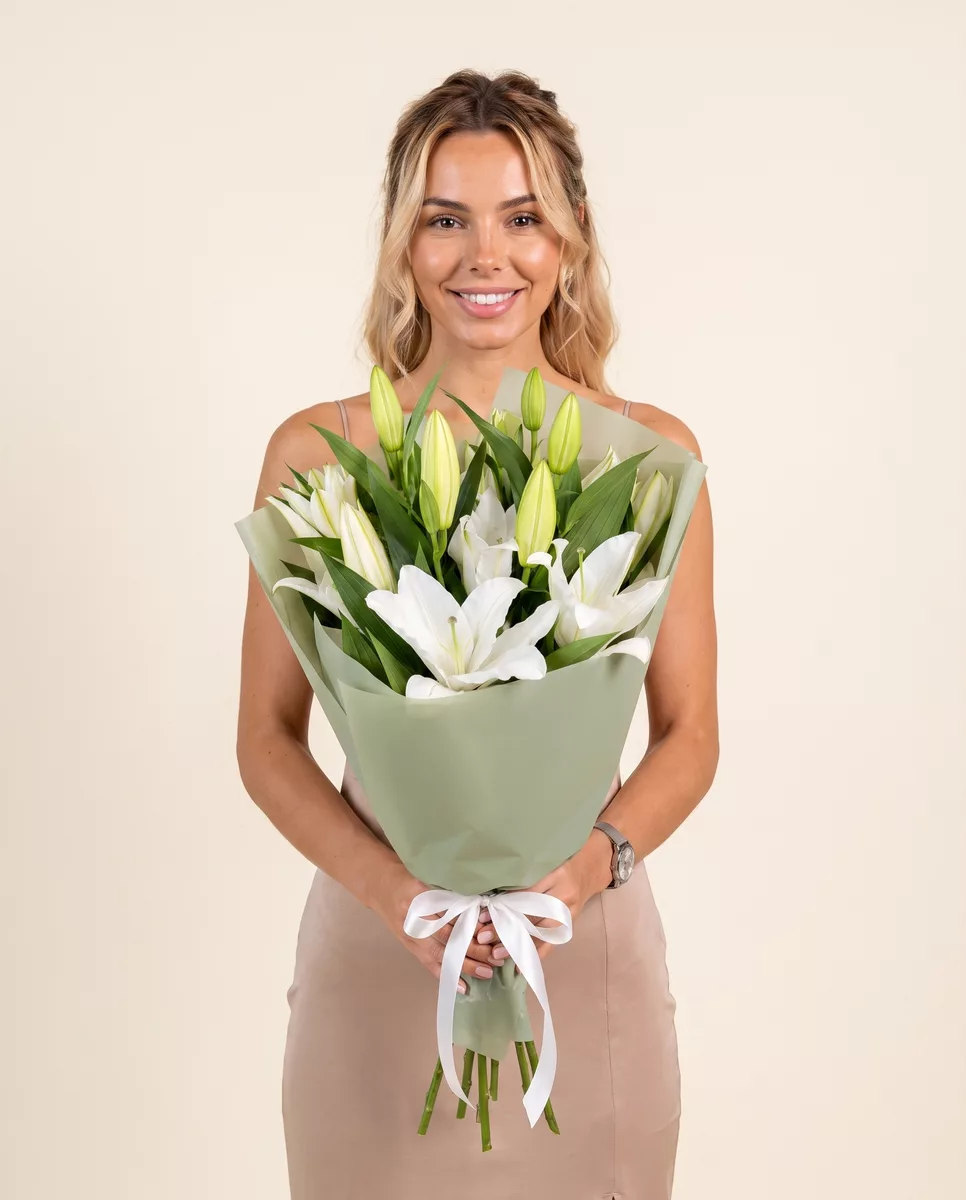
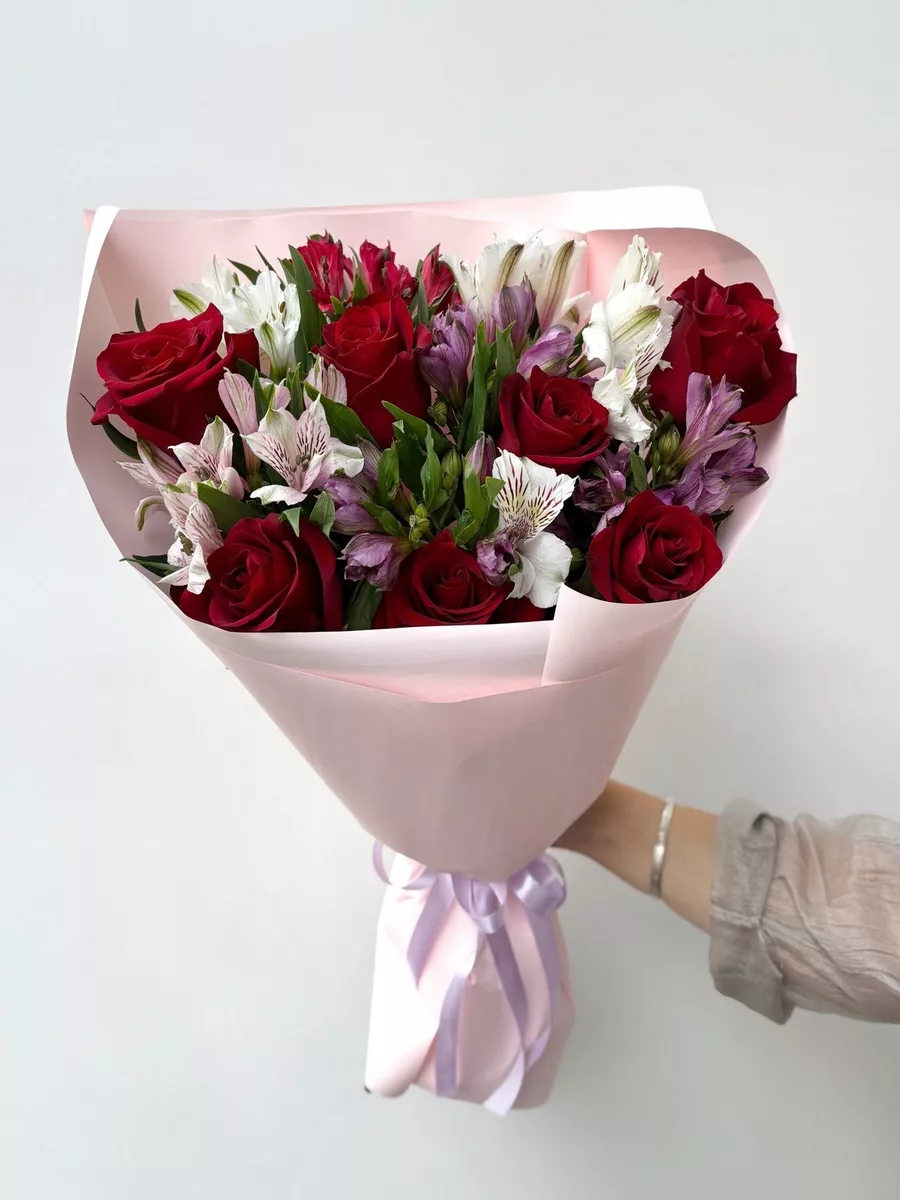
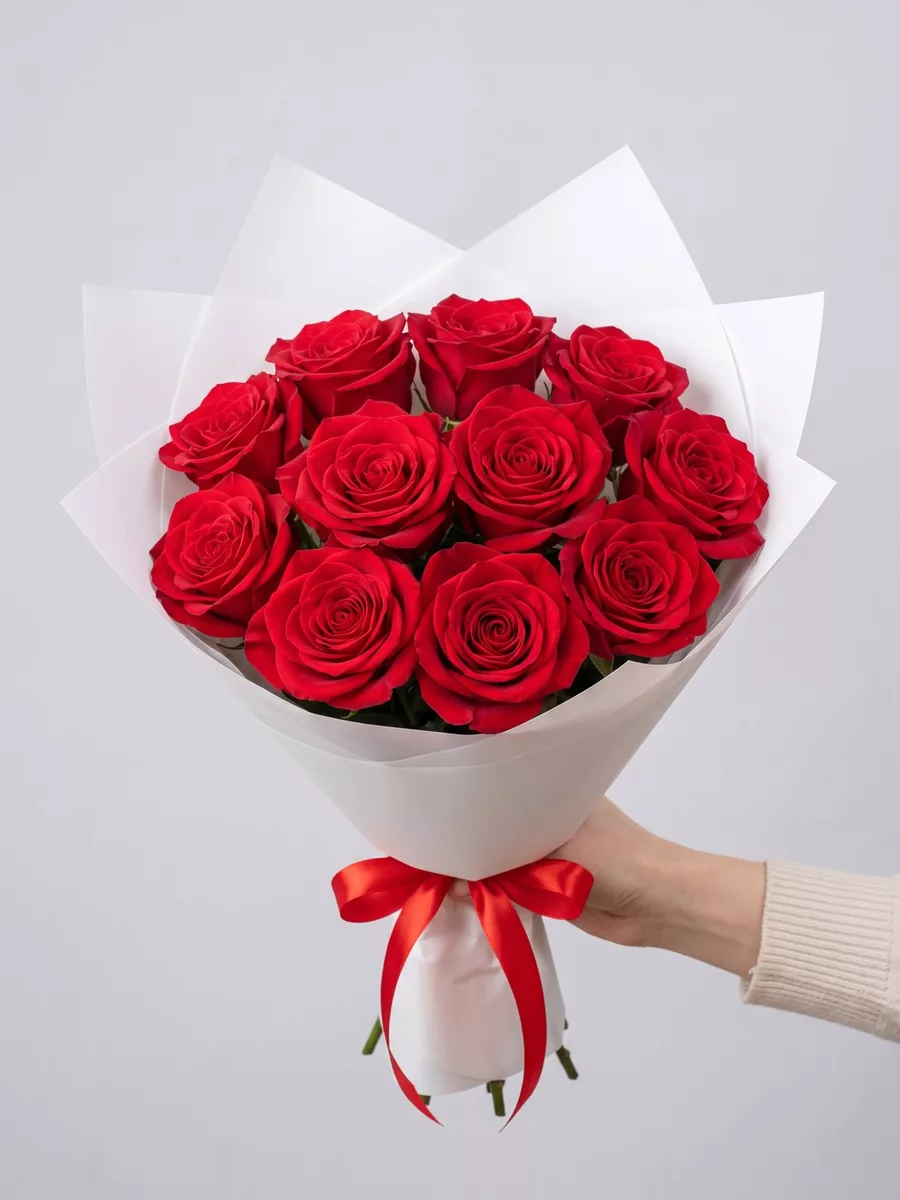
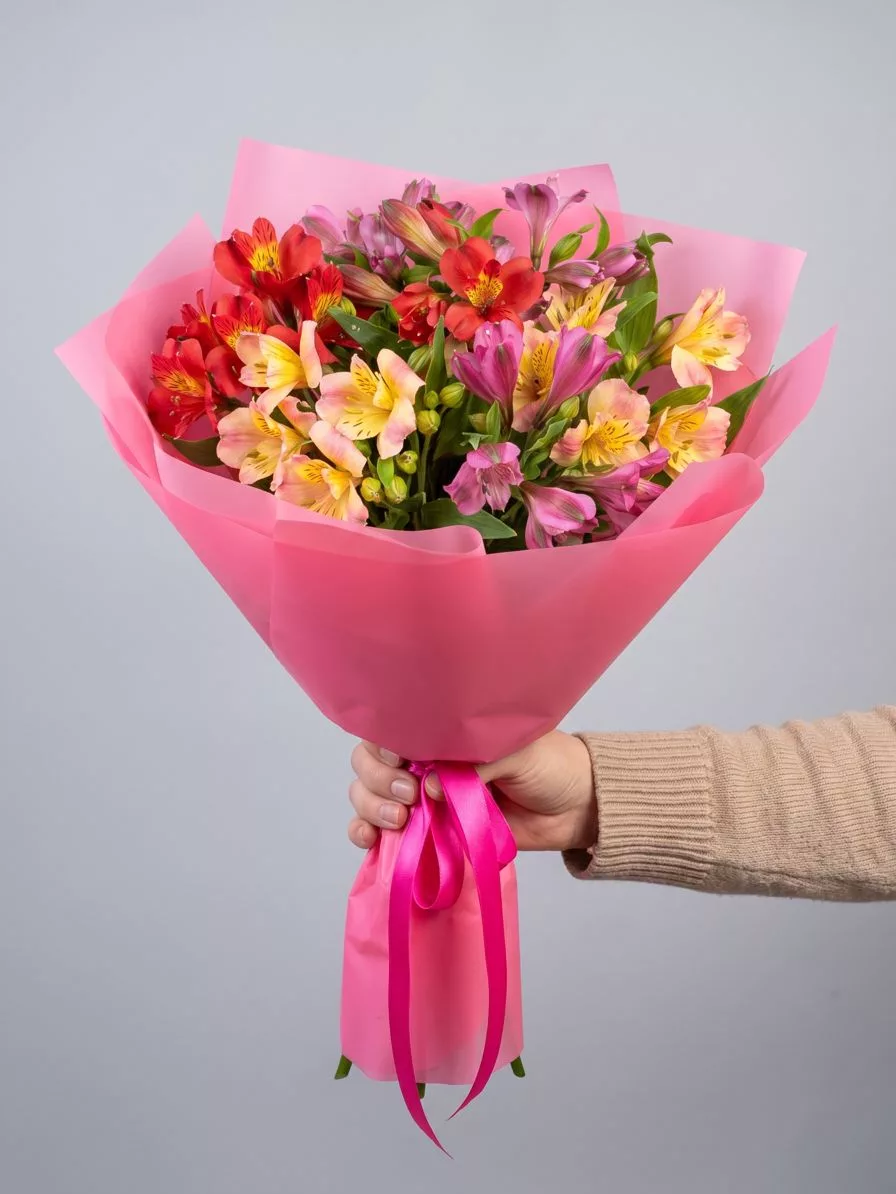
Bouquets we can deliver
How to Place an Order from Outside Russia
The ordering process on our website works in any country. You do not need a Russian phone number, a Russian bank card or a Russian address. Payment goes through international card systems, and the confirmation email arrives in the language you set in your browser. What trips people up most often is the recipient address field. Russian addresses follow a specific sequence: region, city, street, building number, apartment or office number. If you write the address in Western order, our team will reformat it, but it adds time and occasionally introduces errors, so it is worth learning the Russian sequence before you fill in the form. The recipient's phone number is mandatory and must be a working Russian mobile number, because the courier calls ahead before arriving. If your recipient does not have a Russian mobile, a Russian landline works, but messaging apps alone are not sufficient. You can place the order in any time zone, and our operators process it around the clock, but keep in mind that the delivery window is calculated in Moscow time, so convert carefully if you are ordering from, say, the west coast of North America. We recommend placing orders at least 24 hours before your intended delivery time for Kimovsk to give us room to prepare the bouquet and schedule the intercity dispatch without rushing the cold-chain handling.
Seasonal Varieties That Travel Well to Kimovsk
Not every flower that looks beautiful in our Saint Petersburg studio survives a multi-hour journey to Tula Oblast in peak condition. We select varieties based on vase life, stem strength and tolerance for temperature shifts during transit. Spray roses, standard roses in closed bud, alstroemeria, chrysanthemums, lisianthus and carnations are the workhorses of long-distance Russian delivery because they open gradually and hold their structure even if the temperature inside the delivery vehicle fluctuates slightly. Gerberas are more fragile and we only include them in warm-season orders when the route is fully climate-controlled. Tulips, available from January through April in our stock, travel well in cold weather but wilt quickly if the outside temperature rises above 18 degrees, so we avoid them for Kimovsk orders placed between May and September. Peonies are a June staple and hold up well for 48 hours in bud stage, making them a good choice for early summer deliveries. Hydrangeas need careful hydration and we pack them with water tubes for longer routes. Orchid stems, particularly cymbidium, are surprisingly robust and add an elegant note to arrangements destined for Kimovsk in autumn and winter. When you order, the product page lists which varieties are currently in season and available for your delivery zone, so you are never guessing from a static catalogue that may not reflect today's stock.
Temperature, Packaging and What Happens in Transit
Cold chain is the part of flower delivery that most international senders never think about, but it is what separates a bouquet that arrives fresh from one that arrives limp. We wrap stems in wet kraft paper or hydrating gel sachets depending on the variety, then place the arrangement in an insulated box with ventilation panels that prevent condensation from rotting the petals. In winter, when Kimovsk temperatures drop below zero, we add thermal lining and time the dispatch so the bouquet spends the minimum time in unheated transfer points. In summer, when midday temperatures in Tula Oblast can reach 32 degrees or higher, we dispatch in the early morning and use vehicles with refrigerated compartments for the intercity leg. The flowers are never frozen, because ice damage to petals is irreversible, but we keep them between 4 and 8 degrees Celsius throughout transit wherever possible. Roses in tight bud, for example, can hold at 6 degrees for up to 36 hours without visible deterioration. When the bouquet reaches the recipient, we include a card with simple care instructions in Russian: trim the stems at an angle, change the water daily, keep away from direct sunlight and radiators. This matters in Kimovsk apartments in winter, where central heating runs hot and dry and can shorten vase life significantly if the flowers sit near a radiator.
Typical Mistakes International Senders Make
The single most common mistake is ordering too late. Senders in the United States or Australia calculate the delivery date in their local time, forget to convert to Moscow time, and end up placing an order that nominally says tomorrow but is actually today in Russia. By the time we process it, the preparation window for Kimovsk is gone and we have to reschedule to the following day. Always convert to Moscow Standard Time, which is UTC plus 3, before you choose a delivery date. The second mistake is leaving the message card in a language the recipient does not read. We print the card exactly as you type it, so if you write in French and your recipient reads only Russian, the card arrives unreadable. We can translate short messages for you if you note the request in the order comments, but this needs to be arranged before we print. The third mistake is providing an incomplete address. Kimovsk has several streets with similar names, and missing an apartment number or building block letter means the courier cannot complete delivery. A returned bouquet loses hours of freshness. The fourth mistake is not warning the recipient. Russian recipients who receive an unexpected call from an unknown number often do not answer, which delays delivery. A quick message from you telling your recipient to expect a courier call from a Russian number on a specific day solves this entirely. These four points cover the vast majority of failed or delayed international orders we see.
What the Recipient Experiences on Delivery Day
From the recipient's side in Kimovsk, the process starts with a phone call from the courier, usually 30 to 60 minutes before arrival. The courier confirms the address and asks whether someone is home. If the recipient is unavailable, we can arrange delivery to a neighbour, a building concierge or a workplace reception, provided you specify this in the order notes at the time of purchase. We do not leave bouquets unattended outside doors because temperature exposure and theft are both real risks. The bouquet arrives in a sealed box or wrapped in branded paper depending on the product you ordered, and the message card is enclosed inside, not attached to the outside, to keep it private. In apartment buildings in Kimovsk, as in most Russian cities, the courier will ring the intercom using the apartment number, so make sure the apartment number you provide matches the intercom panel in the building, which is not always the same as the postal apartment number in older Soviet-era buildings. If your recipient lives in a private house rather than an apartment block, note this in the address field, because the courier's approach and the call timing differ slightly. After delivery, we send you a confirmation notification to the email address you used when ordering, so you know the bouquet has been handed over without having to chase us.
Russian Flower Customs Worth Knowing Before You Order
Senders from outside Russia sometimes choose bouquet sizes or flower counts without knowing a few conventions that matter to Russian recipients. The most important one is that even numbers of flowers are traditionally associated with mourning in Russia, so bouquets are almost always assembled in odd numbers: 3, 5, 7, 11, 15, 25 and so on. Our standard bouquets already follow this rule, but if you request a custom stem count, choose an odd number. Red roses carry a strong romantic connotation in Russia, even more so than in Western Europe, so sending a large red rose bouquet to a colleague or a distant relative can feel unexpectedly intimate. Yellow flowers, particularly yellow roses, have a folk association with separation or bad luck in older generations, though younger Russians often do not share this view. White flowers are perfectly appropriate for celebrations, congratulations and birthdays, unlike in some East Asian cultures where they signal mourning. Chrysanthemums in Russia are everyday celebratory flowers, not funeral flowers as they are in parts of Western Europe, so they are a safe, well-received choice for any occasion. If you are ordering for a birthday, name day or professional anniversary, a mixed bouquet of spray roses, alstroemeria and lisianthus in warm tones is reliably well received and holds up well over the Kimovsk delivery distance. Knowing these points means your gift lands the way you intended it.
Ordering flowers to Kimovsk from abroad is straightforward once you know the address format, the time zone arithmetic, which varieties handle the journey and what your recipient should expect on delivery day. We handle the cold chain, the courier call and the confirmation notification. Your job is to get the address right, pick an odd stem count, convert your deadline to Moscow time and drop your recipient a message so they answer the phone when we call. We deliver bouquets across Russia in 1–2 hours.
Frequently asked questions
Can I pay for a Kimovsk delivery using a non-Russian bank card?
Yes. Our checkout accepts major international card systems including Visa and Mastercard issued outside Russia. You do not need a Russian account or a Russian billing address. The charge appears in your card's currency at the current exchange rate. If your card is declined, try a different card or contact our support team, who can suggest an alternative payment route.
What happens if my recipient in Kimovsk does not answer the courier's call?
The courier makes two call attempts within a short window. If there is no answer, we contact you at the email or phone you provided and agree on a redelivery time. Bouquets are never left unattended. To avoid this situation entirely, tell your recipient in advance to expect a call from an unknown Russian mobile number on the delivery date you chose.
How far in advance should I order for a specific date in Kimovsk?
We recommend placing the order at least 24 hours before the intended delivery window, converted to Moscow time. For weekend deliveries or orders around major Russian holidays such as March 8 or February 14, 48 to 72 hours in advance is safer because demand on those dates is high and preparation slots fill quickly.
Can I include a message card in English for my recipient in Kimovsk?
You can type your message in any language and we print it exactly as written. If your recipient reads only Russian, note in the order comments that you need a translation and provide the original text. We handle short message translations as part of the order process, but this must be requested before we prepare the card, not after dispatch.
Which flowers should I avoid ordering for Kimovsk in summer?
Avoid tulips between May and September because they deteriorate quickly above 18 degrees Celsius. Gerberas are also risky in peak summer heat unless you confirm full climate-controlled transit. Roses in tight bud, alstroemeria, chrysanthemums and lisianthus are the most reliable summer choices for the Kimovsk route because they tolerate brief temperature fluctuations without visible damage.
Ready to send a bouquet?
Pick a city, choose the flowers, and we will hand them over with a photo confirmation.
Choose a city →